Medical Nutrition Therapy · Medical Nutrition Therapy
Diabetic Diet: Evidence-Based Guide From a Dietitian
A diabetic diet is a flexible, balanced way of eating, not a list of banned foods. Here is what the evidence supports, always alongside your own healthcare team.
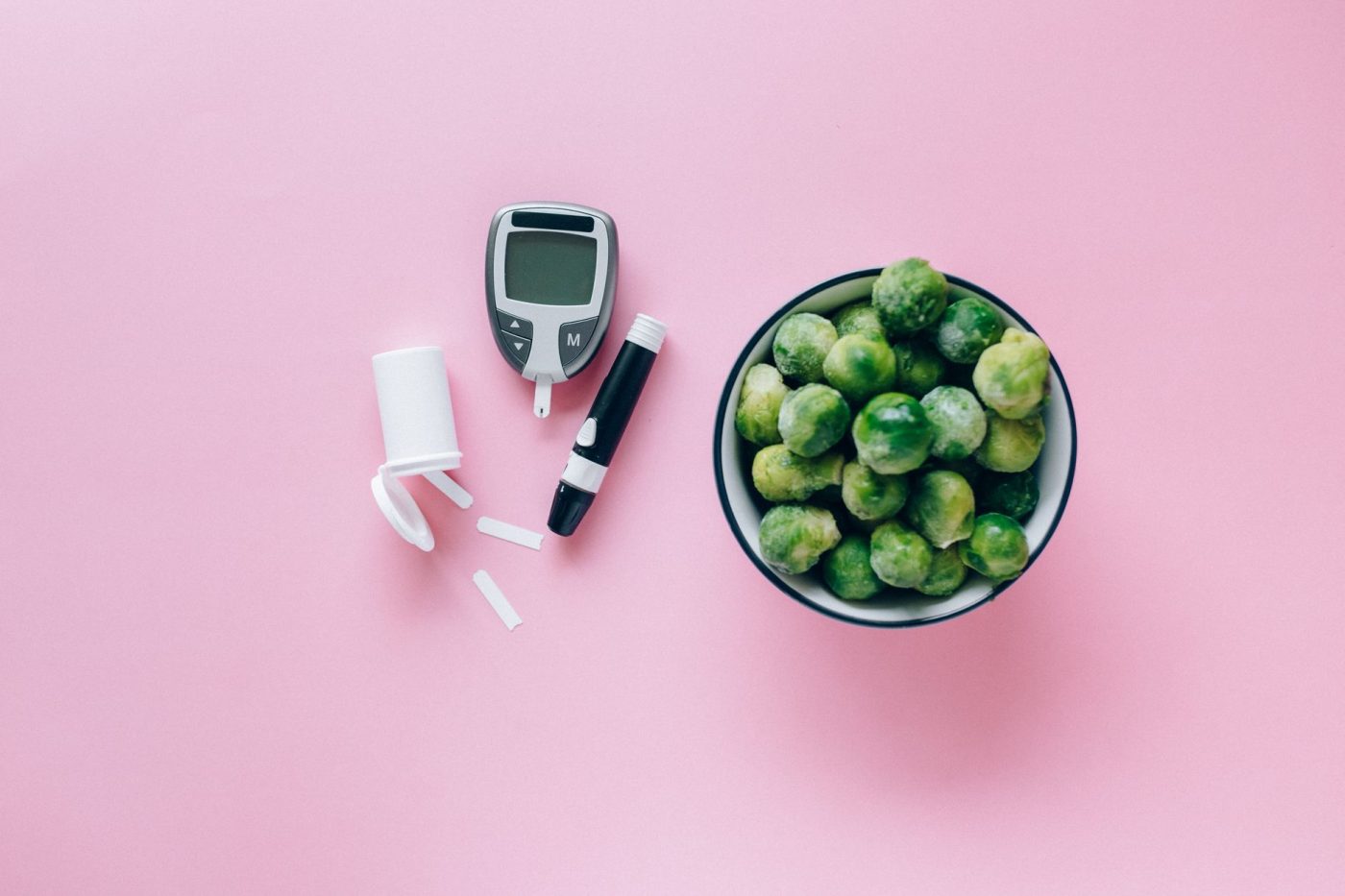
A diabetic diet is not a single rigid plan or a list of forbidden foods. For most people it is a flexible, balanced way of eating that helps keep blood glucose in a healthy range, supports a healthy weight and protects the heart. This guide explains what the evidence supports, which foods to build around and which to limit, and how to work with your own healthcare team, because diabetes management is always individual.
Note: This article is general information, not medical or personalised dietary advice. For guidance tailored to you, speak with a registered dietitian or your doctor.
What is a diabetic diet?
A diabetic diet is simply a healthy, balanced eating pattern adapted to help manage blood sugar. There is no official one-size-fits-all diabetes diet. Instead, the goal is to choose foods that produce steadier glucose responses, provide good nutrition and support your weight and heart health, while still fitting your culture, budget and preferences.
The good news is that the same principles that help people with diabetes also describe healthy eating for almost everyone: more vegetables, more fibre, better quality carbohydrates, adequate protein and less ultra-processed food, added sugar and refined starch. Charities and health bodies such as NHS resources describe this same broad approach rather than an exotic special diet.
These principles apply across the different types of diabetes, though the details differ. Someone with type 2 diabetes may focus heavily on weight, carbohydrate quality and overall pattern, while someone with type 1 works closely with insulin and carbohydrate counting. Because of this, the sections below are general education to help you understand the landscape, not a plan to apply unsupervised. Your own targets should always come from the professionals who know your type, medication and readings.
How food affects blood sugar
Carbohydrate has the largest and fastest effect on blood glucose, so understanding carbohydrate quality and quantity is central. That does not mean carbohydrate is the enemy. It means the type, portion and what you eat alongside it all matter. Fibre-rich, less-processed carbohydrates raise blood sugar more gently than refined ones.
- Quality matters: whole grains, legumes, vegetables and whole fruit produce steadier responses than white bread, sugary drinks and sweets.
- Portion matters: even healthy carbohydrates affect glucose, so consistent, sensible portions help.
- Combinations matter: pairing carbohydrate with protein, healthy fat and high fibre foods can blunt the rise.
You may have heard of the glycaemic index, which ranks foods by how quickly they raise blood sugar. It can be a useful concept, but it is not the whole story, because portion size, ripeness, cooking method and the rest of the meal all change the real effect. Rather than memorising numbers, most people do better by focusing on the practical basics: choose less-processed carbohydrates most of the time, keep portions reasonable, and build meals around vegetables and protein. That approach captures the benefit without the complexity.
If you want to understand the underlying nutrient, our guide to carbohydrates breaks down the difference between refined and unrefined sources in more depth.
Foods to build your plate around
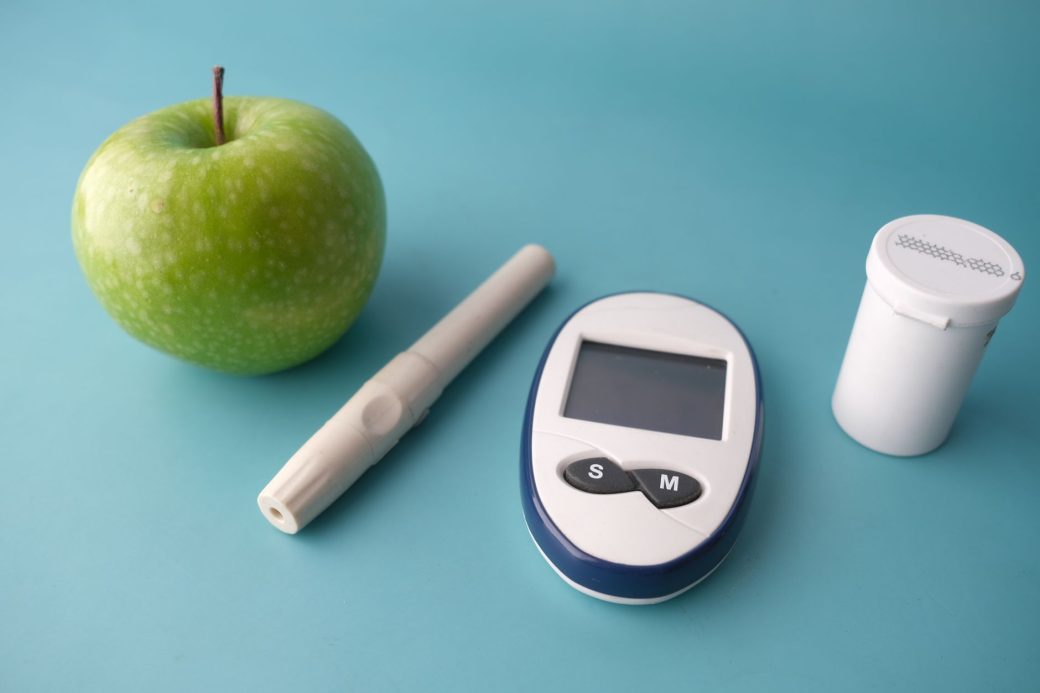
Rather than fixating on what to avoid, it helps to focus on what to include most often. A useful mental model is the balanced plate: fill roughly half with non-starchy vegetables, a quarter with quality protein and a quarter with fibre-rich carbohydrate, plus some healthy fat.
- Non-starchy vegetables: leafy greens, broccoli, peppers, courgette and tomatoes, which are high in fibre and low in available carbohydrate.
- Lean and plant proteins: fish, poultry, eggs, tofu, beans and lentils to support fullness and muscle.
- Smart carbohydrates: oats, wholegrain bread, brown rice, quinoa and legumes in measured portions.
- Heart-friendly fats: olive oil, nuts, seeds and avocado, which suit the cardiovascular focus of diabetes care.
Fibre deserves a special mention. Higher-fibre eating is linked with steadier blood sugar, better cholesterol and improved fullness, which can all help with diabetes management and weight. Beans, lentils, oats, wholegrains, vegetables and whole fruit are all useful sources, and they are naturally more filling than their refined alternatives. Building meals around these foods tends to do more good than fixating on any single so-called superfood, because it is the overall pattern, repeated day after day, that shapes your results.
| Instead of | Consider | Why it may help |
|---|---|---|
| White bread | Wholegrain or seeded bread | More fibre, gentler glucose rise |
| Sugary drinks | Water or unsweetened drinks | Removes fast-absorbing sugar |
| White rice | Brown rice, quinoa or lentils | More fibre and protein |
| Sweetened breakfast cereal | Porridge oats with nuts | Slower, steadier energy |
Foods to limit
No single food is strictly banned for most people with diabetes, but some are worth keeping occasional and small. The aim is to reduce foods that spike blood sugar quickly or crowd out better options, without turning eating into a source of stress.
- Sugar-sweetened drinks: among the most impactful things to cut, as liquid sugar raises glucose rapidly.
- Refined and highly processed carbohydrates: white bread, pastries, sweets and many packaged snacks.
- Excess saturated fat and salt: relevant because diabetes raises cardiovascular risk, an area the CDC highlights.
Tip: Start with the single highest-impact change, which for many people is replacing sugary drinks with water or unsweetened alternatives, before trying to overhaul everything at once.
A sample day of eating
The following is a general illustration, not a prescription. Your ideal portions and carbohydrate targets depend on your medication, activity, weight goals and glucose readings, which is exactly why individualised advice matters.
- Breakfast: porridge made with milk or a fortified plant drink, topped with berries and a spoon of nuts.
- Lunch: a large mixed salad with chickpeas or grilled chicken, olive oil dressing and a small wholegrain roll.
- Dinner: baked fish, a generous portion of non-starchy vegetables and a measured serving of brown rice or lentils.
- Snacks: plain yoghurt, a piece of whole fruit, or a small handful of unsalted nuts.
Some people find a reliable digital kitchen scale helpful for learning what carbohydrate portions actually look like in the early weeks. This is a learning aid, not a long-term requirement.
Some links are affiliate links and we may earn a small commission at no extra cost to you. We only suggest product types we would genuinely consider.

Working with your care team
Diabetes management is a partnership. Medication, blood glucose monitoring and diet all interact, so food changes should be made in the context of your treatment. This is especially important if you take insulin or medicines that can cause low blood sugar, because eating patterns can change how they behave.
A registered dietitian can translate general principles into a plan that fits your readings, medication and life. There is no single best diet for everyone with diabetes: some people do well with a Mediterranean-style pattern, others with a moderate lower-carbohydrate approach, and the right choice depends on your health, preferences and what you can realistically sustain. What the evidence consistently favours is a pattern rich in vegetables, fibre and quality protein, low in ultra-processed food and sugary drinks. If you are unsure of the difference between the professionals who can help, our guides to the dietitian role and to seeing a nutritionist explain who does what. Trusted patient information from bodies such as the Academy of Nutrition and Dietetics can also help you prepare good questions for your appointment.
Red flags and when to seek help promptly
Some symptoms need timely medical attention rather than a dietary tweak. Knowing them helps you act quickly and safely.
- Frequent hypos: repeated low blood sugar episodes should be reviewed with your clinician, as your treatment may need adjusting.
- Persistent high readings: ongoing high glucose despite your usual routine warrants medical advice.
- Warning symptoms: excessive thirst, frequent urination, blurred vision or unexplained weight change should be checked.
- Illness: being unwell can change glucose control, so follow the sick-day guidance your team gives you.
Above all, avoid drastic self-directed changes, extreme low-carbohydrate experiments or stopping medication, without discussing them first with the professionals who know your case.
Note: Diabetes is a medical condition. Nothing here is a substitute for the advice of your doctor, diabetes team or a registered dietitian, who can tailor recommendations to your medication and readings.
Sources and further reading
Have a question or a topic to suggest?
We read every message. Tell us what you would like to see next on the blog.
Get in touchYou may also like

DASH Diet for Hypertension: Evidence-Based Guide From a Dietitian
A dietitian-written guide to the DASH diet for blood pressure: how it works, what the evidence shows, foods to choose, cutting salt and staying safe with your care team.
Carbohydrates: The Complete Evidence-Based Guide
Carbs are praised as fuel and blamed for weight gain in equal measure. A dietitian explains what carbohydrates are, simple versus complex, the special role of fibre, how much you need, and how to choose carbs that support your health.
High Fiber Foods: Dietitian-Approved List With Portions
Most people eat too little fiber. This dietitian-approved list groups high fiber foods by type, gives realistic portions, and shows easy swaps to reach your daily target comfortably.