Medical Nutrition Therapy · Medical Nutrition Therapy
DASH Diet for Hypertension: Evidence-Based Guide From a Dietitian
DASH is one of the best-studied eating patterns for blood pressure. Here is how it works, what the evidence shows, and how to follow it safely alongside your care.
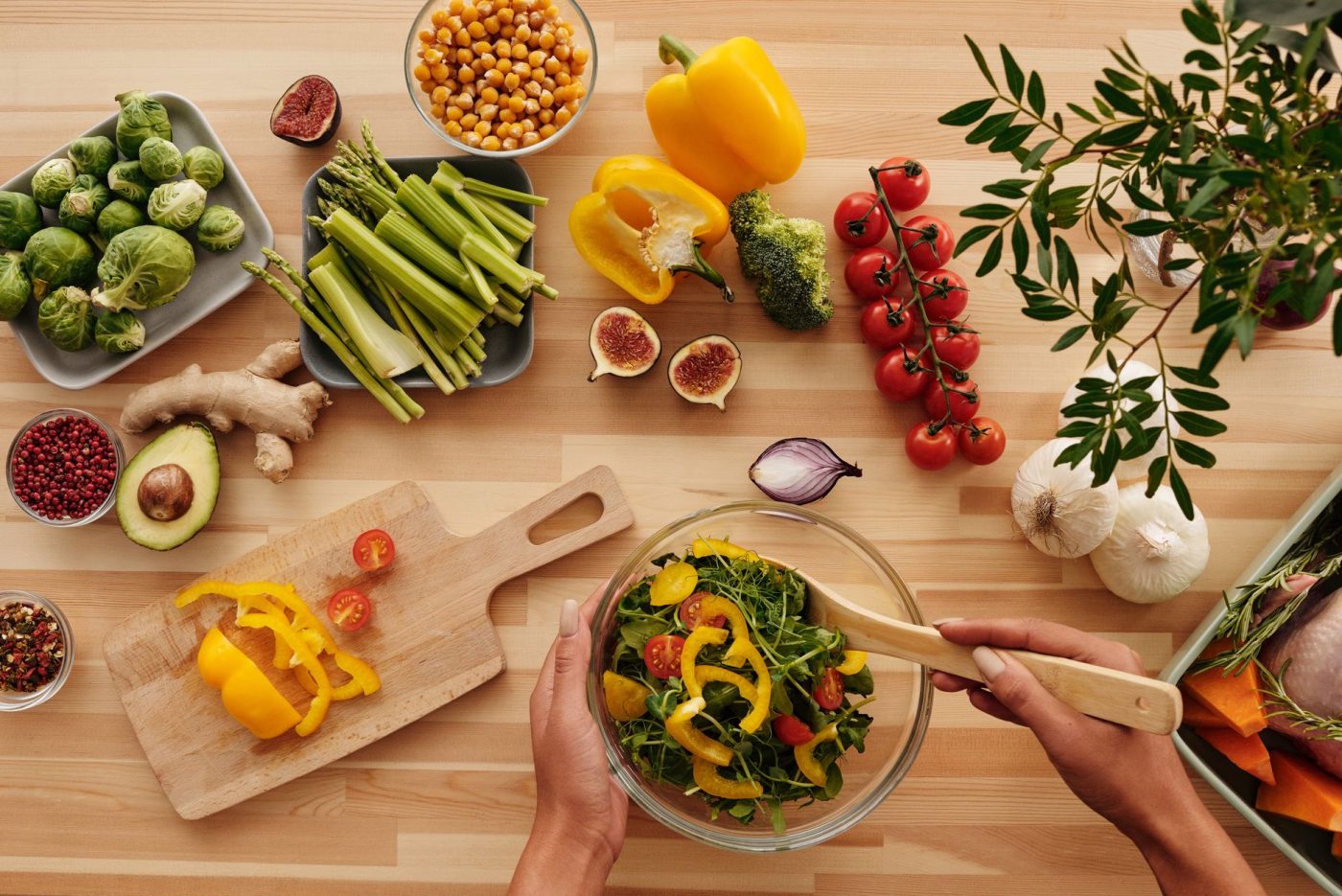
The DASH diet, short for Dietary Approaches to Stop Hypertension, is one of the most rigorously studied eating patterns for supporting healthy blood pressure. It was designed specifically with blood pressure in mind, and it consistently ranks among the best overall diets for heart health. This guide explains how it works, what the evidence shows, which foods to build around and how to approach it safely alongside your own medical care.
Note: This article is general information, not medical or personalised dietary advice. For guidance tailored to you, speak with a registered dietitian or your doctor.
What is the DASH diet?
The DASH diet is a balanced, flexible eating pattern developed through research to help lower blood pressure. Rather than a short-term plan or a list of banned foods, it is a long-term way of eating that emphasises vegetables, fruit, whole grains, lean proteins and low-fat dairy, while limiting salt, added sugar and saturated fat.
What makes DASH stand out is that it was created and tested specifically for blood pressure, and it has held up well over decades of study. It is also nutritionally complete and practical, which is why it regularly appears near the top of expert rankings of healthy diets. If you want the general overview beyond the blood pressure focus, our guide to the DASH diet covers the wider picture.
How DASH supports healthy blood pressure
DASH works through several complementary mechanisms rather than one single trick. The combined effect of its food choices is what makes it effective, which is why the whole pattern matters more than any individual component.
- Lower sodium: reducing salt is one of the most direct dietary levers for blood pressure.
- More potassium, magnesium and calcium: these minerals, abundant in DASH foods, help counterbalance sodium's effects.
- More fibre and less saturated fat: this supports overall cardiovascular health and healthy body weight.
It helps to see DASH as a package rather than a collection of separate tips. The minerals, fibre and lower sodium work together, and much of the benefit also comes from what the pattern naturally displaces: fewer sugary drinks, less processed meat and fewer salty snacks. Weight loss, where relevant, adds to the effect, since carrying less excess weight tends to lower blood pressure independently. This is why the research keeps pointing back to the whole eating pattern rather than to any single hero nutrient or supplement.
Potassium-rich foods are a particular feature of the pattern. Our list of potassium rich foods and heart healthy foods pairs well with a DASH approach.

What the evidence says
DASH is backed by an unusually strong body of research. Landmark clinical trials showed meaningful reductions in blood pressure in people following the pattern, with the largest benefits seen when sodium was also reduced. Because of this, DASH is widely recommended in official guidance for blood pressure management.
Health authorities including the NHS, the CDC and the US National Institutes of Health, whose Office of Dietary Supplements details the nutrients involved, all recognise the value of this style of eating for heart health. The evidence also suggests benefits beyond blood pressure, including for cholesterol and overall cardiovascular risk.
It is worth being realistic about scale and time. Dietary change alone will not always be enough to reach a target blood pressure, and it works best as part of a wider healthy lifestyle that includes regular activity, not smoking, moderating alcohol and managing stress and weight. For some people DASH meaningfully reduces or delays the need for medication, while for others it works alongside prescribed treatment. Either way, the changes tend to build over weeks rather than days, so consistency matters more than perfection in any single meal.
Foods to build your plate around
DASH is refreshingly food-focused rather than restrictive. The emphasis is on what to include generously, which naturally crowds out less helpful choices.
- Vegetables and fruit: aim for a variety across the day, as they supply potassium, magnesium and fibre.
- Whole grains: oats, brown rice, wholegrain bread and other high fibre foods.
- Lean proteins: fish, poultry, beans and lentils, with red and processed meat kept occasional.
- Low-fat dairy and healthy fats: for calcium, alongside nuts, seeds and olive oil in sensible amounts.
| Instead of | Consider | Why it helps |
|---|---|---|
| Salted crisps | Unsalted nuts or fresh fruit | Less sodium, more potassium and fibre |
| White bread | Wholegrain bread | More fibre and minerals |
| Processed deli meat | Fresh chicken, fish or beans | Lower sodium and saturated fat |
| Table salt for flavour | Herbs, spices, garlic, lemon | Flavour without added sodium |
Reducing salt without losing flavour
Cutting sodium is central to DASH, but it does not have to mean bland food. Most dietary salt comes from processed and packaged foods rather than the salt cellar, so small shifts in what you buy often have the biggest impact.
- Read labels: compare products and choose lower-salt versions of everyday staples.
- Cook more from scratch: home cooking gives you control over how much salt goes in.
- Season differently: herbs, spices, citrus, garlic and vinegar build flavour without sodium.
- Rinse canned goods: draining and rinsing beans or vegetables can reduce their salt content.
A no-salt herb and spice blend can make the transition easier. A quality salt-free seasoning blend lets you add depth of flavour while you retrain your palate to enjoy less salt.
Some links are affiliate links and we may earn a small commission at no extra cost to you. We only suggest product types we would genuinely consider.
Tip: Give your taste buds time. Preference for salt tends to fall over a few weeks of eating less of it, so a gradual reduction is often easier to sustain than an abrupt one.
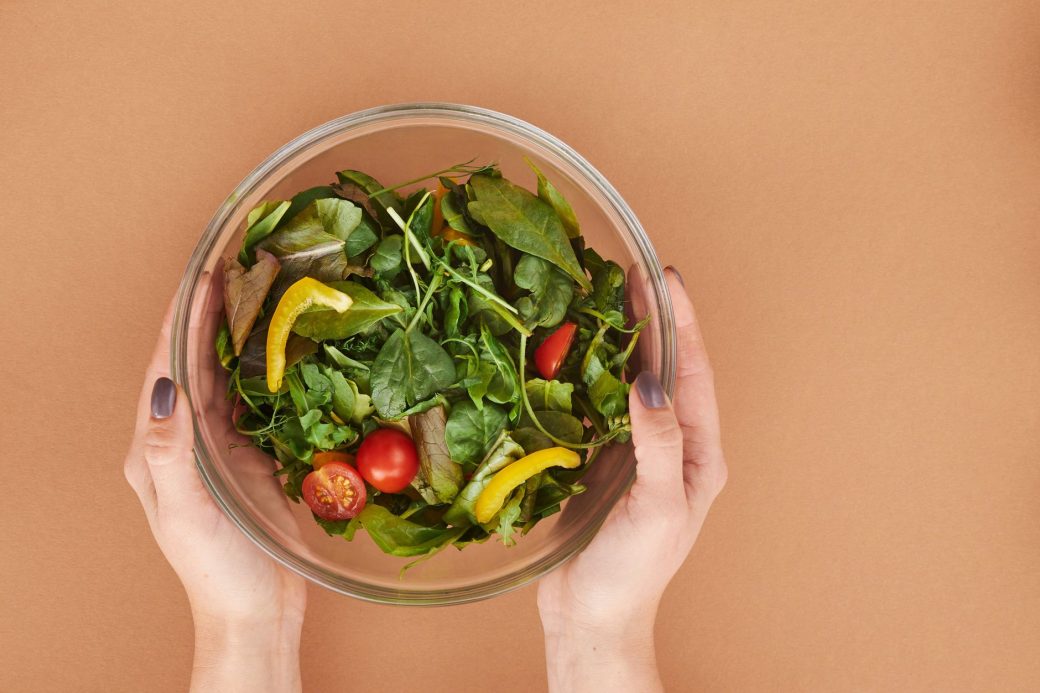
A sample day of eating
This is a general illustration to show how the pattern comes together, not a personalised prescription. Portions and totals should suit your energy needs, medication and any advice from your care team.
- Breakfast: porridge with milk or fortified plant drink, topped with berries and a spoon of seeds.
- Lunch: a large salad with beans or grilled chicken, wholegrain bread and olive oil dressing.
- Dinner: baked fish, roasted vegetables and a portion of brown rice, seasoned with herbs rather than salt.
- Snacks: fresh fruit, plain yoghurt, or a small handful of unsalted nuts.
Notice how the day is built mostly from whole foods, with vegetables and fruit appearing at nearly every meal and salt replaced by herbs and spices. You do not need special or expensive products to eat this way. In fact one of DASH's strengths is that it maps neatly onto ordinary, affordable ingredients, which makes it easier to keep up over the long term than diets that depend on unusual purchases. Batch cooking and planning a few meals ahead can make the pattern almost automatic on busy days.
Safety and working with your care team
High blood pressure is a medical condition, and diet is one part of managing it alongside any prescribed treatment. DASH is safe and beneficial for most people, but a few points deserve care, so changes are best discussed with your doctor or dietitian.
- Do not stop medication: DASH complements treatment and is not a replacement for prescribed medicines.
- Potassium and kidney health: if you have kidney disease or take certain medicines, high-potassium foods may need adjusting, so seek advice.
- Monitor and review: keep up with your usual blood pressure checks and clinical reviews.
A dietitian can tailor DASH to your circumstances and combine it with other goals. If you are weighing up which professional to see, our guides to the dietitian role and the nutritionist role explain the differences.
DASH also pairs naturally with other heart-focused goals, such as improving cholesterol or managing weight, because the underlying pattern overlaps so heavily. That makes it a flexible foundation rather than a standalone programme you have to follow in isolation. The most reliable results tend to come from treating it as a long-term default way of eating, adjusted with professional input where a health condition or medication is involved, rather than a strict short-term challenge you complete and then abandon.
Note: High blood pressure requires medical oversight. Nothing here replaces the advice of your doctor or a registered dietitian, and dietary changes should complement, not replace, any treatment you have been prescribed.
Sources and further reading
Have a question or a topic to suggest?
We read every message. Tell us what you would like to see next on the blog.
Get in touchYou may also like

DASH Diet: The Complete Evidence-Based Guide
The DASH diet is one of the best studied patterns for blood pressure and heart health. Here is how it works, what the evidence supports, and how to start it sustainably.
Heart Healthy Foods: Dietitian-Approved List With Portions
No single food protects your heart, but the right everyday pattern does. This dietitian-approved list groups heart healthy foods by type, with realistic portions and swaps that add up to protective eating.
Diabetic Diet: Evidence-Based Guide From a Dietitian
A dietitian-written, evidence-based look at the diabetic diet: how food affects blood sugar, foods to choose and limit, a sample day and when to seek medical help.