Nutrition Basics
High Fiber Foods: Dietitian-Approved List With Portions
High fiber foods grouped by type, with realistic portions, a nutrition table and gradual swaps to reach your daily target without the discomfort.

Most people eat far less fibre than recommended, yet it is one of the simplest levers for better digestion, steadier energy and long-term health. This dietitian-approved list groups high fibre foods by type, gives realistic portions, and shows easy swaps to hit your daily target without discomfort.
Why fibre matters
Fibre is the part of plant foods your body cannot fully digest. Instead of being absorbed, it does useful work as it passes through: adding bulk, feeding beneficial gut bacteria and slowing how quickly sugars enter the bloodstream. Diets rich in fibre are consistently linked with better digestive health and a lower risk of several long-term conditions.
Fibre only comes from plants, so the more variety of vegetables, fruit, wholegrains, legumes, nuts and seeds you eat, the easier it is to reach a good intake. It is also naturally filling, which is why higher-fibre meals tend to keep you satisfied for longer. This makes fibre a quiet ally in wider eating patterns like the Mediterranean diet.
There is also a gut-health angle. Much of the fibre you eat becomes food for the trillions of bacteria in your large intestine, which ferment it into compounds that support the gut lining. A varied, fibre-rich diet is one of the simplest ways to look after that ecosystem, and it is a habit worth building slowly and keeping for life rather than chasing through short-term fixes.
Soluble vs insoluble fibre
You will often see fibre split into two types. You do not need to track them separately, but knowing the difference helps you understand why variety matters.
- Soluble fibre: dissolves into a gel and helps with fullness and steadier blood sugar. Found in oats, beans, apples and citrus.
- Insoluble fibre: adds bulk and supports regular bowel movements. Found in wholegrains, nuts and the skins of many vegetables.
Most whole plant foods contain a mix of both, so eating a range naturally covers your bases. There is no need to calculate the ratio; simply aiming for variety across the day does the work for you. A bowl of porridge, a bean-based lunch, plenty of vegetables at dinner and a piece of fruit as a snack will comfortably include both types. If constipation is your main concern, our list of high fibre foods for constipation goes deeper on the practical side.

High fibre fruits and vegetables
Produce is the easiest place to start because you can add it to meals you already eat. Frozen and tinned versions count too, and are often cheaper.
| Food | Portion | Approx. fibre |
|---|---|---|
| Raspberries | 1 cup | about 8g |
| Pear with skin | 1 medium | about 5g |
| Cooked broccoli | 1 cup | about 5g |
| Avocado | Half | about 5g |
| Cooked lentils | Half cup | about 8g |
| Wholegrain bread | 2 slices | about 5g |
| Rolled oats | 40g dry | about 4g |
| Chia seeds | 2 tbsp | about 10g |
Values are approximate and vary by variety and brand. Leaving skins on where possible keeps more of the fibre intact, since much of the fibre in fruit and vegetables sits in or just under the skin. A useful habit is to treat vegetables as the base of the plate rather than a small side: doubling your usual serving at lunch and dinner is one of the quickest ways to lift your daily fibre without changing much else.
Berries deserve a special mention because they pack a lot of fibre for relatively few calories, making them a smart choice if you are also watching overall intake. Frozen berries are just as nutritious as fresh, cost less and last for months, so they are an easy staple to keep on hand for porridge, yoghurt or smoothies.
Wholegrains and legumes
These are the heavy hitters. Swapping refined grains for wholegrains and adding legumes a few times a week can transform your fibre intake with very little effort.
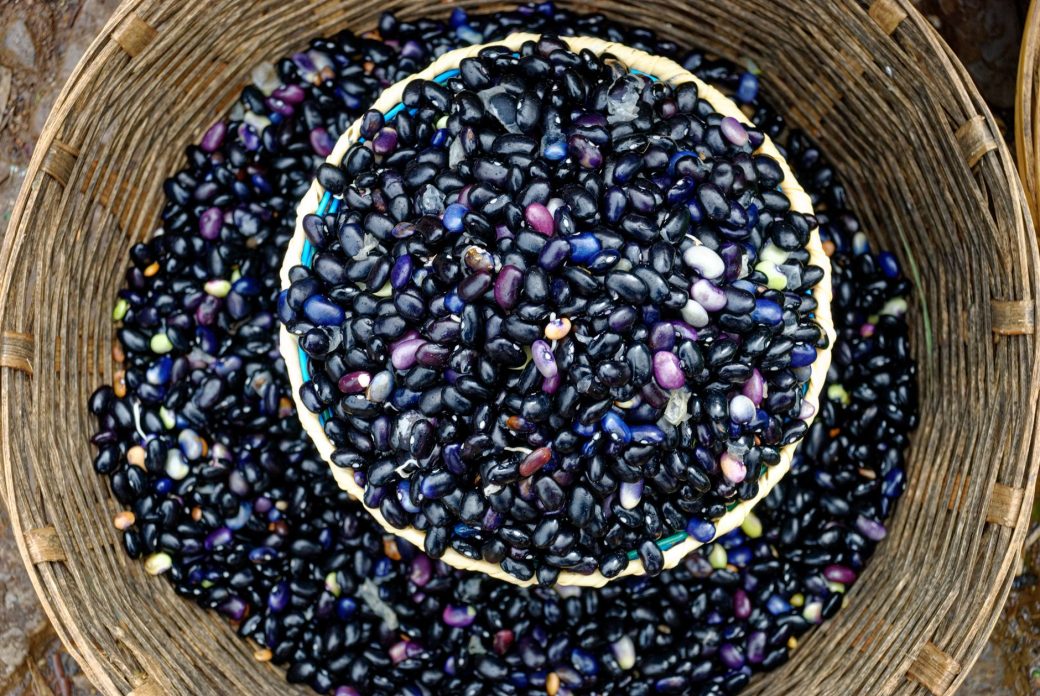
- Legumes: lentils, chickpeas, kidney beans and black beans deliver roughly 6 to 8g of fibre per half cup, plus protein.
- Wholegrains: oats, brown rice, barley, wholewheat pasta and wholegrain bread add several grams per serving.
- Batch cooking: tinned beans need only draining and rinsing, making them one of the fastest fibre wins.
Legumes are arguably the single best value fibre food: cheap, filling, rich in protein and endlessly versatile. Adding a tin of beans or lentils to soups, stews, curries and salads is a low-effort way to lift both fibre and protein in the same move. To measure portions accurately when you are getting a feel for servings, a simple kitchen scale can help, though eyeballing is fine once you are confident.
Some links are affiliate links and we may earn a small commission at no extra cost to you. We only suggest product types we would genuinely consider.
Nuts, seeds and extras
Small additions add up. A sprinkle of seeds or a handful of nuts turns a low-fibre snack into a more satisfying one.
- Chia and flaxseed: a couple of tablespoons stirred into yoghurt or porridge adds a notable fibre boost.
- Almonds and pistachios: a 30g handful contributes fibre plus healthy fats.
- Popcorn: air-popped popcorn is a wholegrain and a surprisingly good high-fibre snack.
- Nut and seed butters: a spoon of peanut or almond butter on wholegrain toast adds fibre plus staying power.
Do not overlook the humble potato with its skin on, dried fruit such as prunes and apricots, and everyday store-cupboard beans. These are inexpensive, keep well and slot into meals you already make, which is exactly what makes a higher-fibre diet realistic to maintain rather than a short-lived effort.
How much fibre you need
General guidance from bodies such as the NHS puts a healthy adult target at around 30g of fibre a day, though many people fall well short. Rather than fixating on the exact number, aim to include a fibre source at every meal and let the total build up naturally. Children and some individuals have different needs, so treat this as a general reference.
To put the target in context, a bowl of porridge, two slices of wholegrain bread, a portion of beans, a couple of pieces of fruit and a generous serving of vegetables across a day will get most people close to 30g without any special effort. The gap for most people is not knowledge but habit: fibre-rich foods simply need to appear at more meals, more often.
Tip: Increase fibre gradually over a week or two and drink more water as you do. A sudden jump can cause bloating and gas, while a slow build lets your gut adjust comfortably.
Easy swaps to boost fibre
You rarely need new recipes, just small upgrades to familiar ones.
- Grains: white bread, rice and pasta swapped for wholegrain versions.
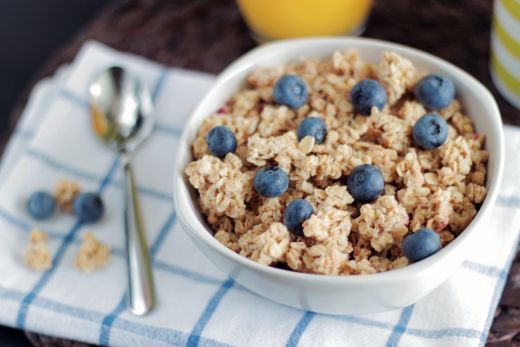
- Breakfast: sugary cereal swapped for oats topped with fruit and seeds.
- Meals: half the mince in a bolognese or chilli replaced with lentils or beans.
- Snacks: crisps swapped for fruit, nuts or hummus with vegetable sticks.
Batch cooking helps too. A pot of lentil soup, a tray of roasted vegetables or a jar of overnight oats means a high-fibre option is ready when you are busy, which is often when fibre slips. Keeping a few reliable staples on rotation removes the daily decision and makes the habit stick. For a broader reference on fibre-rich choices, our companion lists on fibre rich foods and general fibre foods cover more options.
A note on going slow and supplements
Whole foods should be your first port of call, since they bring fibre alongside vitamins, minerals and water. They also provide a natural mix of soluble and insoluble fibre that a single supplement rarely matches, plus the chewing and volume that help meals feel satisfying. Supplements have a place for some people, but they are not a substitute for a varied diet. If you are considering one, our overview of fibre supplements explains what the evidence says. The Harvard Nutrition Source and the British Dietetic Association both emphasise food-first approaches.
Note: This article is general information, not medical or personalised dietary advice. For guidance tailored to you, speak with a registered dietitian or your doctor.
Sources and further reading:
- NHS for daily fibre recommendations and healthy eating advice.
- Harvard Nutrition Source for a detailed look at fibre and its benefits.
- British Dietetic Association for food-first fibre guidance.
Have a question or a topic to suggest?
We read every message. Tell us what you would like to see next on the blog.
Get in touchYou may also like
Fiber Rich Foods: Dietitian-Approved List With Portions
A practical, categorised list of fibre rich foods with portions and approximate fibre content. Learn the two types of fibre, easy swaps, and how to build a 30 gram fibre day from everyday foods.
High Fiber Foods for Constipation: Dietitian-Approved List With Portions
Constipation is common and often fixable. This dietitian-approved list groups the most useful high fibre foods for constipation, with realistic portions and gentle strategies to get results without the bloating.
Fiber Supplement: What the Evidence Actually Says
A dietitian separates the proven benefits of fiber supplements from wishful marketing, explains the types, and shows how to use one sensibly.