Nutrition Basics
Omega 3 Fatty Acids Foods: Dietitian-Approved List With Portions
The top omega-3 foods with portions, how the plant and marine types differ, and whether a supplement is worth it for you.
Omega-3 fatty acids are one of the few nutrients where getting enough from food genuinely matters and where most people fall a little short. The good news is that a small number of foods do most of the heavy lifting, and you do not need supplements to reach a sensible intake. This dietitian-approved list groups the best omega-3 foods, gives realistic portions, and explains the difference between the types so you can prioritise the ones that count.
What omega-3s are
Omega-3s are a family of unsaturated fats your body cannot make in useful amounts, so they have to come from food. They form part of every cell membrane and are especially concentrated in the brain and eyes. There are three that matter in nutrition: ALA, which comes from plants, and EPA and DHA, which come mainly from marine sources and are the most directly useful forms.
Your body can convert a little ALA into EPA and DHA, but the conversion is limited and inefficient. That is why oily fish, which supplies EPA and DHA directly, sits at the top of most recommendations. For the broader context of how fats fit into a healthy diet, our guide to nutrition puts the pieces together.
Oily fish, the top source
If you eat fish, oily varieties are by far the most effective way to get EPA and DHA. Most guidance suggests aiming for one to two portions of fish a week, at least one of which is oily.
- Salmon: a 140g fillet is a rich source and an easy weekly staple.
- Mackerel: around 100g, one of the highest omega-3 fish and inexpensive tinned or smoked.
- Sardines: a standard tin, convenient, affordable and sustainable.
- Trout and herring: a 120 to 140g portion, good alternatives to rotate in.
Tinned and frozen oily fish count just as much as fresh, which keeps the cost down. These same fish appear on our list of heart healthy foods, since the two overlap heavily.
Plant sources of omega-3
Plant foods provide ALA, which is genuinely useful even if the conversion to EPA and DHA is modest. For anyone not eating fish, these become the priority, ideally alongside an algae-based supplement.
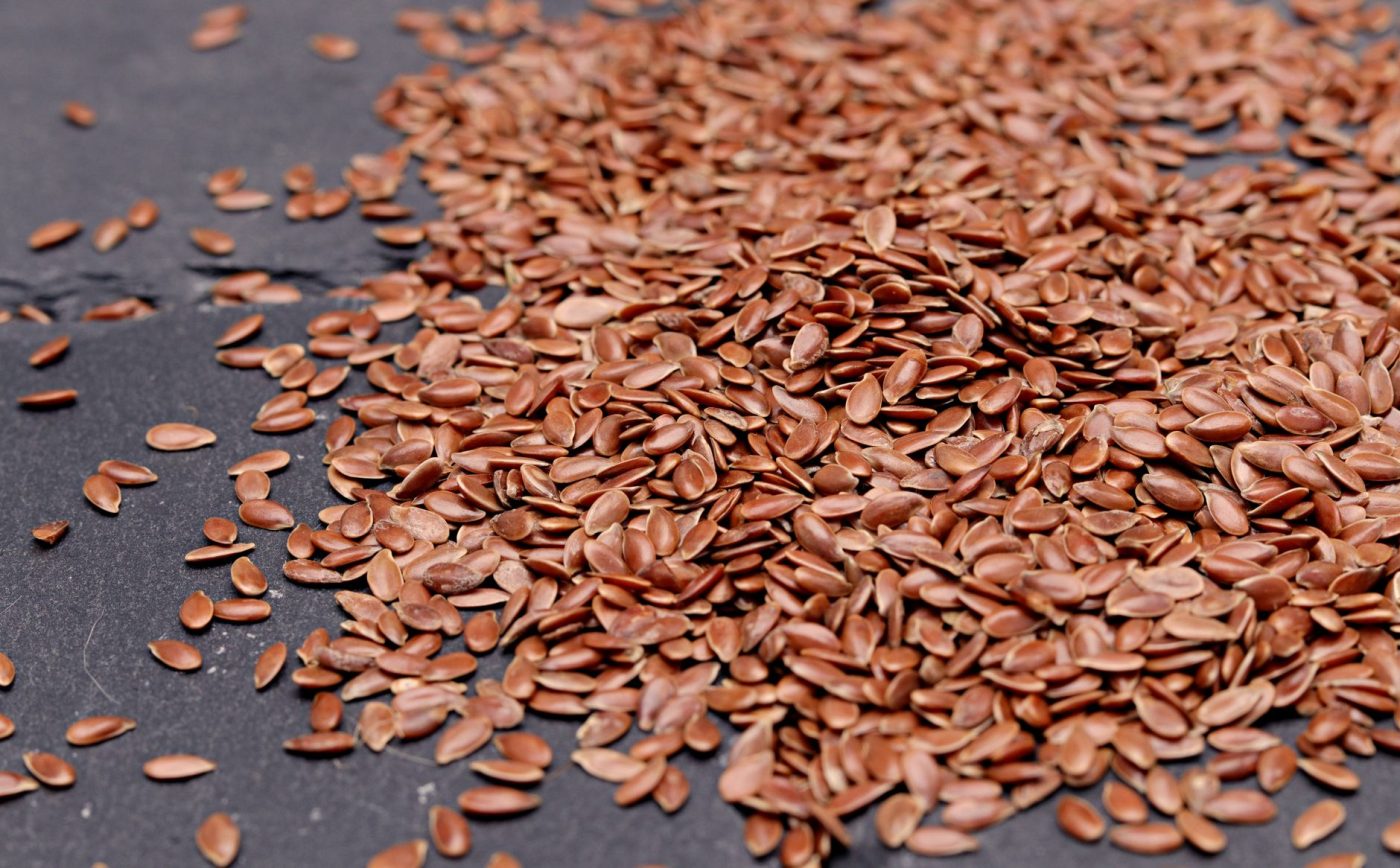
- Flaxseed: 1 tablespoon of ground flaxseed, one of the richest ALA sources; grind it for absorption.
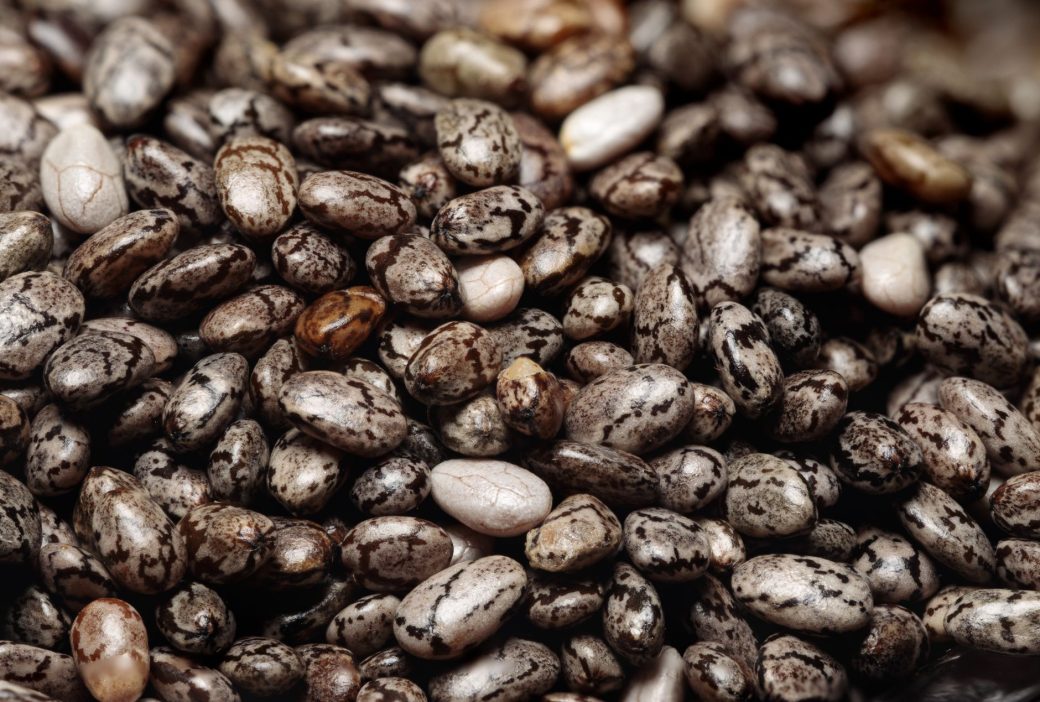
- Chia seeds: 1 to 2 tablespoons, easy to add to porridge or yoghurt.
- Walnuts: a 30g handful, the standout nut for omega-3.
- Rapeseed oil: a tablespoon for cooking or dressing, a practical everyday source.
- Soya and edamame: a portion of tofu or a handful of edamame adds a little more.
If you follow a plant-based pattern, our vegetarian diet guide covers how to build these in consistently, and an algae oil supplement is the most reliable way to cover EPA and DHA.
Portions at a glance
This table gives an approximate sense of how the main foods compare per typical serving. Treat the levels as a rough ranking rather than exact figures.
| Food | Typical serving | Main type | Rough level |
|---|---|---|---|
| Mackerel | 100g | EPA and DHA | Very high |
| Salmon | 140g fillet | EPA and DHA | High |
| Sardines | 1 tin | EPA and DHA | High |
| Ground flaxseed | 1 tbsp | ALA | High |
| Walnuts | 30g | ALA | Moderate |
| Chia seeds | 1 tbsp | ALA | Moderate |
Tip: The single most effective change for most people is one tin of sardines or mackerel a week. It is cheap, needs no cooking, and delivers the EPA and DHA that plant sources cannot.
What the evidence supports
The strongest evidence links regular oily fish intake with heart health, which is why public health bodies recommend it as part of a balanced diet. Beyond that, omega-3s contribute to normal brain and eye function. It is worth being honest about the limits, though: high-dose supplements have not lived up to some of the bigger health claims made for them, and whole foods remain the sensible default. For where supplements do and do not earn their place generally, see our guide to vitamin supplements.
Guidance from the NHS recommends at least two portions of fish a week including one oily portion, while the WHO supports diets rich in unsaturated fats over saturated fats for cardiovascular health.

Should you supplement
Most people who eat oily fish weekly do not need a supplement. If you rarely or never eat fish, a supplement can be a reasonable insurance policy: a standard omega-3 fish oil supplement for fish eaters, or an algae-based omega-3 for those on plant-based diets who want EPA and DHA.
Some links are affiliate links and we may earn a small commission at no extra cost to you. We only suggest product types we would genuinely consider.
Choose based on your actual diet rather than the label promises. There is no benefit to layering a high-dose supplement on top of an already fish-rich diet, and food should come first wherever possible. If you have a health condition or take blood-thinning medication, check with a professional before starting a high-dose omega-3 product.
Note: This article is general information, not medical or personalised dietary advice. For guidance tailored to you, speak with a registered dietitian or your doctor.
Sources and further reading:
- NHS for advice on fish and shellfish in a healthy diet.
- Harvard Nutrition Source for a detailed overview of omega-3 fats.
- World Health Organization for dietary fat recommendations.
Have a question or a topic to suggest?
We read every message. Tell us what you would like to see next on the blog.
Get in touchYou may also like

Heart Healthy Foods: Dietitian-Approved List With Portions
No single food protects your heart, but the right everyday pattern does. This dietitian-approved list groups heart healthy foods by type, with realistic portions and swaps that add up to protective eating.

Vegetarian Diet: The Complete Evidence-Based Guide
What a vegetarian diet is, what the evidence shows, the nutrients to plan for, and how to build balanced, protein-adequate meals so you feel your best.

Vitamin Supplements: What the Evidence Actually Says
Some vitamin supplements genuinely help specific groups; many offer little to people who eat well. Here is what the evidence supports and what to ignore.