Nutrition Basics · Diet & Nutrition (General)
Nutrition: The Complete Evidence-Based Guide
Macros, micros, fibre and the eating patterns that work. A jargon-free foundation built on what credible science actually agrees on.
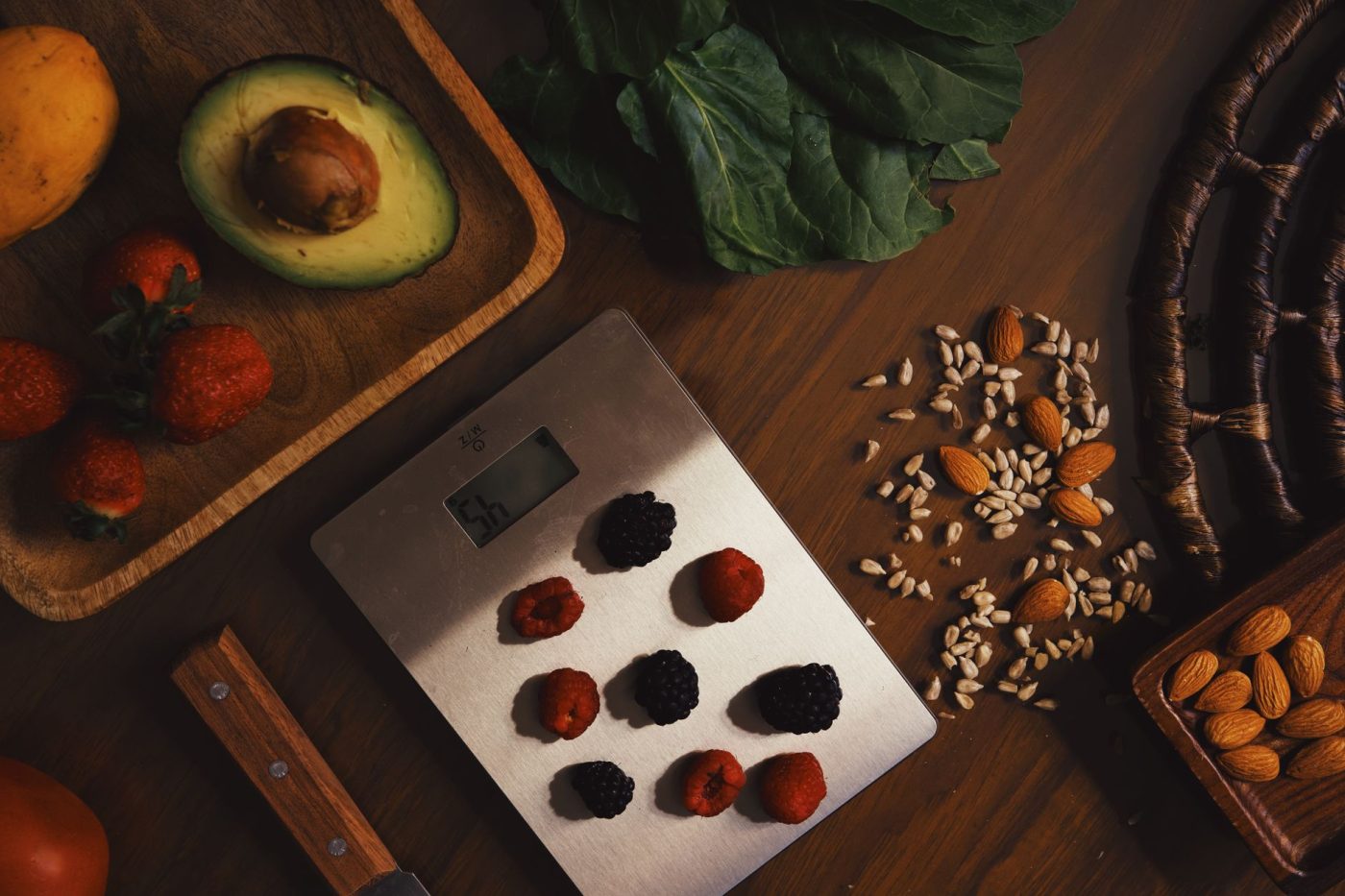
Nutrition is the science of how food and drink affect your body, and it underpins almost every part of your health, from energy and mood to long-term disease risk. It is also one of the most confusing topics online, buried under fads and conflicting headlines. This guide strips it back to what the evidence actually supports: the nutrients you need, the patterns that work, and the simple principles that matter far more than any single "superfood".
What nutrition means
Nutrition is how your body takes in and uses the substances in food to grow, repair, produce energy and stay healthy. Those substances fall into two broad groups. Macronutrients, which you need in larger amounts, provide energy and building material: carbohydrate, protein and fat. Micronutrients, which you need in smaller amounts, keep countless body processes running: vitamins and minerals.
Good nutrition is not about perfection or a single ideal diet. It is about getting enough of what your body needs, in a pattern you can maintain, most of the time. The details vary from person to person, but the foundations are remarkably consistent across the credible guidance. For hands-on lists of what to eat, our essential nutrients guide and nutrients guide go deeper.
The macronutrients
These three provide the calories your body runs on, and each does distinct jobs. Balance between them matters more than demonising any one.
- Carbohydrates: the body's main energy source; wholegrains, fruit, vegetables and legumes are the quality choices, covered in our carbohydrates guide.
- Protein: builds and repairs tissues and keeps you full; spread it across meals from a mix of sources, as our protein guide explains.
- Fat: essential for hormones, brain health and absorbing certain vitamins; favour unsaturated fats from olive oil, nuts and oily fish.
No single macronutrient is the enemy. Diets that vilify carbs or fat wholesale tend to oversimplify; the quality and quantity of each is what counts. A wholemeal roll and a sugary drink are both "carbs", yet they behave very differently in the body, and the same is true of olive oil versus the fat in a deep-fried snack. This is why quality matters as much as the macro label: it is the type and the source, not just the category, that shapes how a food affects your health.
Calories sit underneath all three macronutrients and are simply a measure of the energy food provides. You do not need to count them to eat well, but the basic arithmetic still applies: consistently taking in much more energy than you use leads to weight gain, and the reverse leads to loss. Building meals from filling, high-fibre, protein-containing whole foods tends to regulate appetite naturally, which is why focusing on food quality often takes care of quantity without the need for constant tracking.
Micronutrients that matter
Vitamins and minerals are needed in small amounts but have outsized importance, and shortfalls in a few are common.
- Iron: carries oxygen in the blood; found in meat, beans and leafy greens, as in our iron rich foods list.
- Vitamin D: supports bones and immunity; hard to get from food alone, so many people supplement in winter.
- Vitamin B12: vital for nerves and blood; mainly in animal foods, so plant-based eaters need a reliable source.
- Calcium and magnesium: support bones, muscles and nerves; dairy, tofu, nuts and greens all contribute.
For most people, a varied diet covers the bases. Supplements fill genuine gaps rather than improving an already good diet, a point our vitamin supplements guide looks at honestly.
Fibre, hydration and gut health
Two things get less attention than they deserve: fibre and water. Fibre, found only in plant foods, supports digestion, feeds beneficial gut bacteria and helps manage blood sugar and cholesterol. Most people fall short of recommended amounts, which our high fibre foods list can help fix.
Water matters too, though the exact amount is individual. Thirst and the colour of your urine are more useful guides than any fixed number of glasses. Most healthy adults can meet their needs by drinking to thirst and eating water-rich foods, with more required in heat or during exercise.
The gut connection is one of the more exciting areas of modern nutrition research, though it is easy to overstate. The trillions of bacteria in your digestive system are shaped heavily by what you eat, and a diet rich in varied plants and fibre tends to support a more diverse, resilient community. You do not need expensive probiotic products to benefit; simply eating a wide range of vegetables, fruit, wholegrains, beans and fermented foods such as yoghurt does most of the work. Variety, rather than any single miracle food, is the practical takeaway.
What the evidence really supports
Strip away the noise and credible nutrition guidance converges on a short, boring, reliable list. Bodies such as the WHO, the NHS and the Harvard Nutrition Source broadly agree on the same core messages, whatever the latest trend claims.
| Principle | What it looks like |
|---|---|
| Eat mostly plants | Fill half the plate with vegetables and fruit |
| Choose wholegrains | Wholemeal bread, oats and brown rice over refined versions |
| Include quality protein | Fish, legumes, eggs, lean meat and dairy across the day |
| Favour healthy fats | Olive oil, nuts and oily fish over fried and processed fats |
| Limit ultra-processed food | Keep sugary drinks, salty snacks and ready meals occasional |
Tip: If a nutrition claim promises fast, dramatic results or bans an entire food group, treat it with caution. The habits that actually work are unglamorous and repeatable, not extreme.

Building a healthy plate
A simple visual works better than counting. Aim to fill roughly half your plate with vegetables and fruit, a quarter with quality protein and a quarter with wholegrain carbohydrate, adding a little healthy fat. This flexible template adapts to almost any cuisine or budget and needs no special products.
Patterns built on these proportions, such as the Mediterranean diet, have some of the strongest evidence in nutrition science. You do not need to follow a named diet at all; you just need the balance to be broadly right most of the time. For ready-made meal ideas, browse our healthy food list.
Common myths worth dropping
A lot of nutrition anxiety comes from myths that sound scientific but are not.
- "Detoxes clean out toxins": your liver and kidneys already do this; see our detox diet guide.
- "Carbs make you fat": excess calories from any source drive weight gain, not carbohydrate itself.
- "Superfoods are essential": no single food transforms health; variety across your whole diet does.
- "Eating late causes weight gain": total intake over the day matters far more than the clock.
When to get personal advice
General principles suit most people, but nutrition is not one-size-fits-all. Medical conditions, food allergies, pregnancy, specific performance goals or significant weight change all call for tailored guidance. A registered dietitian can translate the evidence into a plan that fits your body, health history and life, which our dietitian guide explains. If you are ready to make changes and want them to stick, professional support is a sound investment.
One last principle ties the whole subject together: consistency beats intensity. The healthiest eaters are rarely the strictest; they are the ones who get the basics roughly right day after day, leave room for foods they enjoy, and do not let one imperfect meal derail the week. Nutrition works on the average of your habits over months and years, not on any single plate. If you build a pattern of mostly plants, quality protein, wholegrains and healthy fats, keep ultra-processed food occasional, and stay active, you have already done the part that matters most. Everything else is fine-tuning.
Tip: Change one habit at a time and let it settle before adding the next. Swapping to wholegrain bread, adding a vegetable to lunch, or drinking water instead of a sugary drink each sound small, but stacked over a year they reshape your whole diet.
Note: This article is general information, not medical or personalised dietary advice. For guidance tailored to you, speak with a registered dietitian or your doctor.
Sources and further reading:
- NHS on the Eatwell Guide and balanced eating.
- Harvard Nutrition Source on the Healthy Eating Plate and nutrients.
- World Health Organization on healthy diet recommendations.
Have a question or a topic to suggest?
We read every message. Tell us what you would like to see next on the blog.
Get in touchYou may also like

Essential Nutrients: The Complete Evidence-Based Guide
Your body cannot make everything it needs, so some nutrients must come from food. This guide explains the main categories of essential nutrients, what each does, where to find them, and how to cover your bases without chasing perfection.

Mediterranean Diet: The Complete Evidence-Based Guide
One of the most studied eating patterns in the world. Learn what the Mediterranean diet is, what the evidence supports, foods to enjoy and limit, and how to start with simple swaps.

Protein: The Complete Evidence-Based Guide
How much protein do you actually need, and where should it come from? This evidence-based guide covers protein sources, timing, weight management and cutting through powder marketing.