Popular Diets · Popular Diets
Vegetarian Diet: The Complete Evidence-Based Guide
A dietitian-written guide to the vegetarian diet: the research, the nutrient gaps to watch, and how to build balanced plates that keep you well nourished.

A vegetarian diet is one of the most studied ways of eating, and the research is broadly reassuring: done well, it can be nutritionally complete and is linked with several long-term health benefits. This dietitian-written guide explains what a vegetarian diet actually is, what the evidence shows, where the common gaps are, and how to build balanced meals so you feel your best rather than simply cutting meat out.
What is a vegetarian diet
At its simplest, a vegetarian diet excludes meat, poultry and fish. Beyond that, the term covers a spectrum, and knowing which version you follow helps you plan for the right nutrients. Some people include eggs and dairy, others avoid one or both, and many move between styles over time.
- Lacto-ovo vegetarian: no meat, poultry or fish, but includes both eggs and dairy. This is the most common pattern and the easiest to balance.
- Lacto-vegetarian: includes dairy but not eggs.
- Ovo-vegetarian: includes eggs but not dairy.
- Pescatarian: technically not vegetarian, since it includes fish, but often grouped in the same conversation.
A vegetarian diet that removes all animal products becomes a vegan diet, which needs a little more planning for a few specific nutrients. The important point is that vegetarian is not a single rulebook, so your plan should match the version you actually eat.
What the evidence shows
Large observational studies consistently link vegetarian eating patterns with lower average body weight, better blood pressure and a reduced risk of heart disease and type 2 diabetes. Much of this benefit likely comes from what vegetarians tend to eat more of: vegetables, fruit, wholegrains, legumes, nuts and seeds, all of which are rich in fibre and protective plant compounds.
It is worth being honest about cause and effect. People who choose vegetarian diets often also exercise more, smoke less and pay closer attention to food quality, so not every benefit is down to removing meat alone. Even so, bodies such as the Academy of Nutrition and Dietetics conclude that well-planned vegetarian diets are appropriate for all stages of life, including pregnancy, childhood and older age. The phrase well-planned is doing real work in that sentence.
There is an environmental dimension too. Plant-forward diets generally have a lower carbon and water footprint than meat-heavy ones, which is one reason many people adopt vegetarian eating for reasons beyond personal health. That motivation can help the change stick, but it does not remove the need to plan the nutritional side. A diet can be both kinder to the planet and short on iron if it leans too heavily on refined carbohydrates, so the two goals are worth pursuing together.

Key nutrients to plan for
Removing meat and fish does not automatically cause deficiencies, but it does remove convenient sources of a handful of nutrients. Building meals with these in mind closes most gaps without supplements.
- Protein: readily available from legumes, tofu, tempeh, eggs, dairy, nuts and seeds. Spreading it across the day matters more than any single meal.
- Iron: plant iron is absorbed less efficiently, so pair iron-rich foods with vitamin C to boost uptake.
- Vitamin B12: found reliably in dairy and eggs, so most lacto-ovo vegetarians are covered, but intake is worth watching.
- Omega-3 fats: without oily fish, sources shift to walnuts, flaxseed, chia and algae.
- Zinc, iodine and calcium: covered by dairy, wholegrains, legumes and iodised salt or seaweed.
For deeper reading on individual nutrients, our lists of iron rich foods, vitamin B12 foods and omega 3 foods break down practical portions.
Protein on a vegetarian diet
Protein is the concern most people raise first, and it is largely a solved problem. A varied vegetarian diet that includes legumes, soya foods, dairy or eggs, plus nuts and grains, comfortably meets needs for the vast majority of people. You do not need to combine specific proteins at every meal, an older idea that has been set aside, as long as you eat a range of plant proteins across the day.
| Food | Portion | Approx. protein |
|---|---|---|
| Cooked lentils | 1 cup | about 18g |
| Firm tofu | 100g | about 15g |
| Greek yoghurt | 150g | about 15g |
| Cooked chickpeas | 1 cup | about 15g |
| Two eggs | 2 medium | about 13g |
| Cheddar cheese | 30g | about 7g |
| Almonds | 30g | about 6g |
Values are approximate and vary by brand. For a fuller picture, see our complete guide to protein and our list of protein rich foods.
Tip: Anchor each meal around a protein source before you build the rest of the plate. Doing this once per meal makes hitting your daily target almost automatic without tracking grams.
Building a balanced plate
A satisfying vegetarian meal is not just a meat dish with the meat missing. The most successful plates are designed around plants from the start.
- Protein base: lentils, beans, tofu, tempeh, eggs or dairy in a meaningful portion.
- Wholegrain or starchy carb: brown rice, wholewheat pasta, oats, potatoes or wholegrain bread for energy and fibre.
- Plenty of vegetables: aim for half the plate, mixing colours across the week.
- Healthy fats: olive oil, avocado, nuts and seeds for flavour, satiety and fat-soluble vitamins.
This structure overlaps heavily with the Mediterranean diet, which is naturally plant-forward and one of the best-evidenced ways of eating. Batch-cooking beans and grains at the weekend makes weekday assembly quick, and a set of meal prep containers makes it easy to portion and store them without relying on takeaways when you are short on time.
Some links are affiliate links and we may earn a small commission at no extra cost to you. We only suggest product types we would genuinely consider.

Common mistakes to avoid
Vegetarian does not automatically mean healthy. A diet of white pasta, cheese and processed meat substitutes can be low in fibre and high in salt and saturated fat. The pitfalls are easy to sidestep once you know them.
- Relying on refined carbs: filling up on white bread and pasta crowds out protein and fibre.
- Over-using processed substitutes: occasional meat-free products are fine, but many are highly processed and salty.
- Forgetting protein at breakfast: a carb-only start leaves many people short by the end of the day.
- Ignoring iron and B12: a few small habits prevent the most common shortfalls.
The NHS vegetarian and vegan pages are a practical, free reference for portion ideas and nutrient sources.
Who a vegetarian diet suits
A well-planned vegetarian diet suits most people, from athletes to older adults, and can be adapted for weight management, heart health or simply eating more sustainably. Certain groups, such as pregnant women, young children and anyone with a diagnosed deficiency, benefit from tailored advice to make sure needs are met. If you are managing a medical condition, a registered dietitian can help you personalise the approach.
If you are moving toward plant-based eating for the first time, going gradual tends to stick better than an overnight switch. Replacing meat in one or two familiar meals each week lets your cooking skills and shopping habits catch up.
Note: This article is general information, not medical or personalised dietary advice. For guidance tailored to you, speak with a registered dietitian or your doctor.
Sources and further reading:
- NHS for vegetarian and vegan healthy eating guidance.
- Academy of Nutrition and Dietetics for its position on vegetarian diets across the lifespan.
- Harvard Nutrition Source for evidence on plant-based eating patterns and health.
Have a question or a topic to suggest?
We read every message. Tell us what you would like to see next on the blog.
Get in touchYou may also like

Vegan Diet: The Complete Evidence-Based Guide
What a vegan diet is, what the evidence supports, the specific nutrients that need attention, and how to build meals that leave you well nourished.
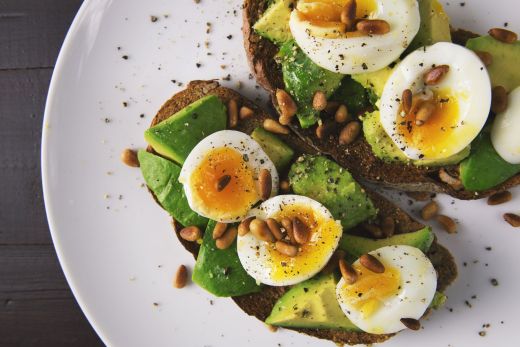
Protein Rich Foods: Dietitian-Approved List With Portions
A dietitian-approved list of protein rich foods grouped by type, with realistic portions, protein amounts and simple swaps to hit your daily target.
Mediterranean Diet: The Complete Evidence-Based Guide
One of the most studied eating patterns in the world. Learn what the Mediterranean diet is, what the evidence supports, foods to enjoy and limit, and how to start with simple swaps.