Nutrition Basics
Vitamin B12 Foods: What the Evidence Actually Says
The best B12 food sources, who is really at risk of a shortfall, how much you need and which supplement claims to ignore.
Vitamin B12 is one of the few nutrients where the marketing and the evidence genuinely part ways. It is essential, it is found almost entirely in animal foods, and a shortfall can cause real problems. But the idea that everyone needs a high-dose supplement, or that a specific superfood will fix low levels, does not hold up. This guide sets out what B12 actually does, which foods supply it, who is genuinely at risk, and which claims to ignore.
What vitamin B12 does
Vitamin B12, also called cobalamin, helps your body make red blood cells, keep the nervous system working and produce DNA. Because it is involved in so many core processes, a prolonged shortage can lead to tiredness, a particular type of anaemia and, over time, nerve-related symptoms. The body stores a reserve in the liver, which is why a deficiency often builds slowly rather than appearing overnight.
Unlike some nutrients, B12 is not made by plants or animals themselves but by microbes. Animals accumulate it through their food and gut bacteria, which is why it concentrates in animal products. This single fact explains most of the practical advice that follows. For the bigger picture of how vitamins fit into a balanced diet, see our guide to essential nutrients.
Best food sources of B12
The richest natural sources are animal foods. If you eat these regularly, you are very likely meeting your needs without thinking about it.
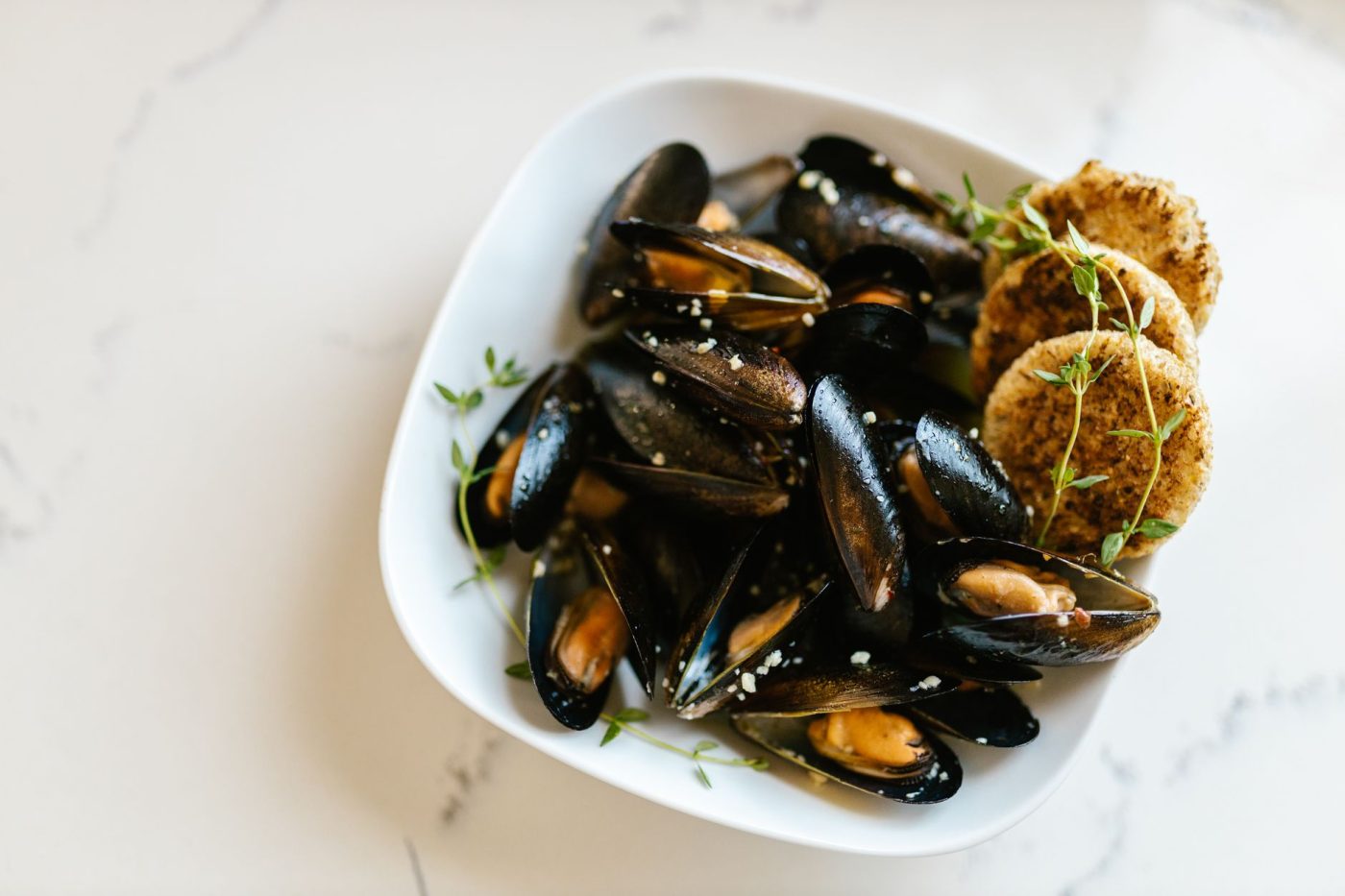
- Shellfish: clams, mussels and oysters are among the most concentrated sources.
- Fish: salmon, sardines, trout and tuna all supply useful amounts.
- Meat and liver: beef, lamb and especially liver are very high in B12.
- Eggs and dairy: milk, yoghurt, cheese and eggs provide smaller but reliable amounts.
These same foods often overlap with other nutrients of interest, which is why they appear on our list of iron rich foods too. Eating a variety of animal foods tends to cover several bases at once.
B12 for plant-based eaters
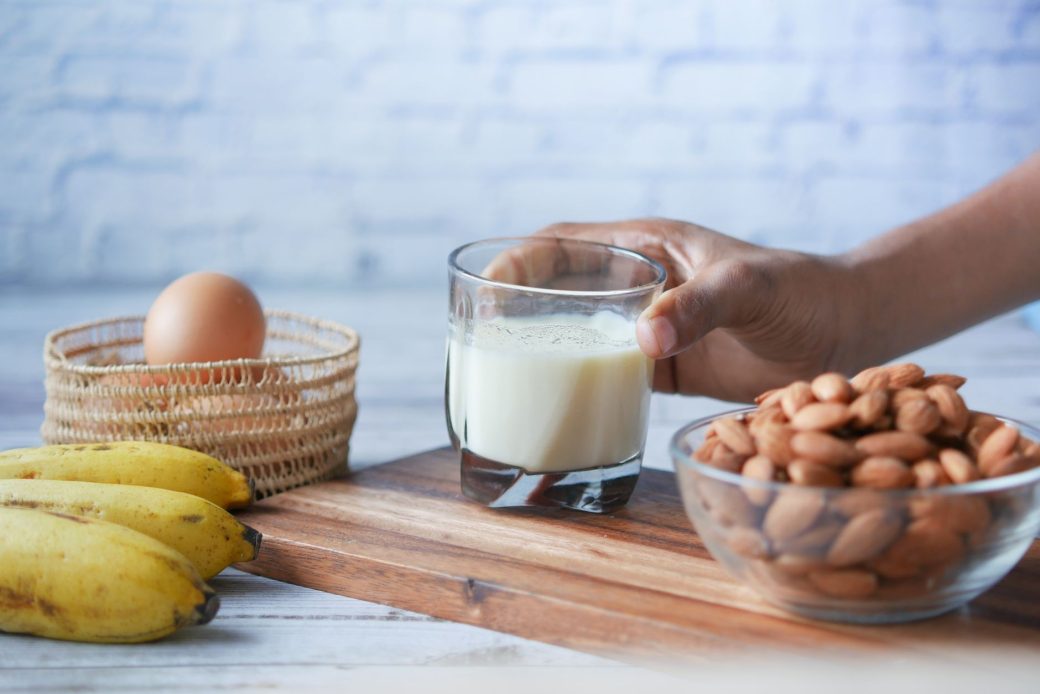
This is where the evidence is clearest and most important. Plant foods do not naturally contain reliable B12, so anyone eating a fully vegan diet needs a fortified food or a supplement. This is not a marketing myth: it is a genuine nutritional gap that needs planning around.
- Fortified foods: many plant milks, breakfast cereals and nutritional yeast products have B12 added; check the label.
- Supplements: a straightforward option for consistent intake, discussed more below.
- Unreliable sources: spirulina, algae and unwashed produce are sometimes marketed as B12 sources but are not dependable.
If you follow or are considering a plant-based pattern, our vegan diet guide covers how to plan it well, and B12 is one of the first nutrients to get right.
How much you need
Adult requirements are small and measured in micrograms, and most people who eat animal foods comfortably meet them. Needs rise slightly in pregnancy and breastfeeding. The table below gives a general sense of where common foods sit, using approximate figures.
| Food | Typical serving | Rough B12 level |
|---|---|---|
| Cooked clams | 85g | Very high |
| Beef liver | 85g | Very high |
| Salmon | 100g | High |
| Milk | 1 glass | Moderate |
| Egg | 1 large | Low to moderate |
| Fortified plant milk | 1 glass | Varies by brand |
Tip: If you eat meat, fish, eggs or dairy most days, you almost certainly do not need a B12 supplement. Supplements matter most for vegans, some older adults, and people with absorption problems.
Who is actually at risk
Deficiency is not random. It clusters in a few predictable groups, and knowing whether you are in one is more useful than any general worry.
- Vegans and strict vegetarians: the clearest dietary risk group without fortified foods or supplements.
- Older adults: the ability to absorb B12 from food can decline with age.
- People with absorption conditions: pernicious anaemia, coeliac disease, Crohn's disease or certain gut surgeries reduce uptake.
- Long-term users of some medications: certain drugs for acid reflux and diabetes can lower absorption over time.
If you fall into one of these groups and have symptoms such as persistent fatigue, a doctor can confirm low levels with a simple blood test rather than you guessing.
Supplements and the claims to ignore
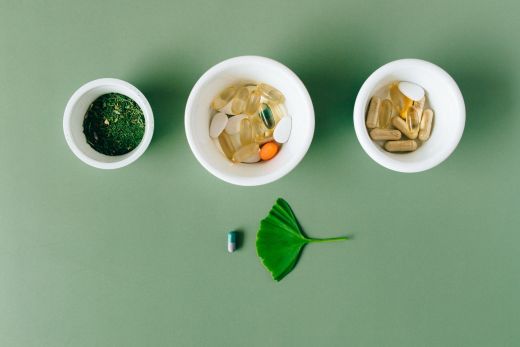
For people who need it, a B12 supplement is inexpensive and effective. A standard vitamin B12 supplement or a B-complex works for most, and vegans in particular benefit from a regular, reliable source. That is the honest case for supplementing.
Some links are affiliate links and we may earn a small commission at no extra cost to you. We only suggest product types we would genuinely consider.
The claims worth ignoring are the ones promising extra energy in people who are not deficient. B12 does not act as a stimulant, and taking more than you need will not boost energy, mood or metabolism if your levels are already fine. Your body simply excretes the excess. The same caution applies to expensive high-dose sprays and injections marketed to the general public. For a wider look at where supplements help and where they are oversold, see our guide to vitamin supplements.
Health authorities including the NHS and the Harvard Nutrition Source both frame B12 as essential but low-risk of deficiency for most omnivores, with clear supplementation advice for those on plant-based diets.
Note: This article is general information, not medical or personalised dietary advice. For guidance tailored to you, speak with a registered dietitian or your doctor.
Sources and further reading:
- NHS for information on vitamin B12 and folate deficiency.
- Harvard Nutrition Source for a detailed vitamin B12 overview.
- British Dietetic Association for food fact sheets on B12 and plant-based diets.
Have a question or a topic to suggest?
We read every message. Tell us what you would like to see next on the blog.
Get in touchYou may also like
Vitamin Supplements: What the Evidence Actually Says
Some vitamin supplements genuinely help specific groups; many offer little to people who eat well. Here is what the evidence supports and what to ignore.

Vegan Diet: The Complete Evidence-Based Guide
What a vegan diet is, what the evidence supports, the specific nutrients that need attention, and how to build meals that leave you well nourished.
Iron Rich Foods: Dietitian-Approved List With Portions
Iron powers oxygen transport and energy, yet many people fall short. This dietitian-approved list groups iron rich foods by type, gives realistic portions, and shows simple pairings that help your body absorb what you eat.