Nutrition Basics
Iron Rich Foods: Dietitian-Approved List With Portions
Heme and non-heme iron sources, realistic portions, absorption boosters and who needs more, from the Just Dietitian team.
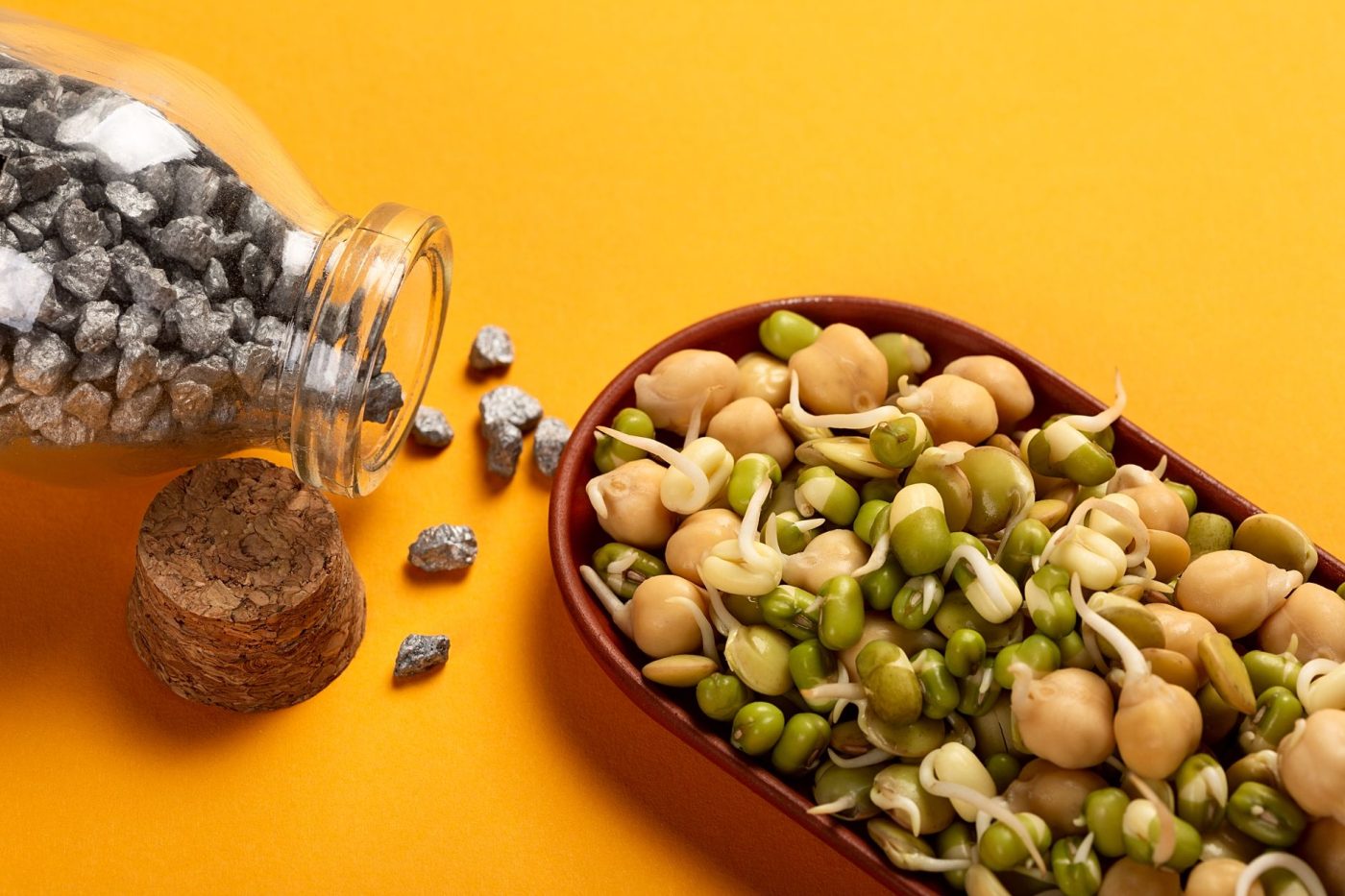
Iron quietly powers almost everything you do, from carrying oxygen in your blood to keeping your energy and concentration steady. Yet iron is one of the most common shortfalls worldwide, especially for women, teenagers, vegetarians and endurance athletes. This dietitian-approved list groups iron rich foods by type, gives realistic portions, and shows simple pairings that help your body actually absorb what you eat.
Why iron matters
Iron is a mineral your body uses to make haemoglobin, the protein in red blood cells that ferries oxygen from your lungs to every tissue. When intake runs low over time, iron stores fall and you may notice tiredness, breathlessness on mild exertion, pale skin, poor concentration or cold hands and feet. Left unaddressed, low iron can progress to iron deficiency anaemia, which is why it is worth eating with iron in mind rather than waiting for symptoms.
The good news is that a varied diet can cover most people's needs. Iron sits alongside other minerals your body relies on, and building meals around whole foods tends to deliver several at once. If you are mapping out your wider intake, our guide to essential nutrients puts iron in context with the vitamins and minerals it works alongside.
It also helps to know that your body is fairly clever about iron. When your stores run low, absorption naturally increases, and when they are full, it dials back to protect you from taking on too much. This self-regulation is one reason a food-first approach works well for most people, and why casually taking high-dose supplements without a confirmed need is rarely a good idea. The aim is a steady, dependable intake from meals rather than occasional large doses.
Heme vs non-heme iron
Not all dietary iron behaves the same way. Understanding the two forms explains why some people need to be more deliberate about their choices.
- Heme iron: found in animal foods such as red meat, poultry and fish. Your body absorbs it relatively efficiently, and it is less affected by other components of the meal.
- Non-heme iron: found in plant foods such as beans, lentils, tofu, wholegrains and leafy greens, plus fortified foods. Absorption is lower and more sensitive to what you eat alongside it.
This does not mean plant eaters cannot meet their needs. It simply means pairing and planning matter more, which we cover below. Many people following a vegetarian diet or vegan diet maintain healthy iron levels with a little know-how.
Interestingly, the body tends to compensate over time. People who eat little or no meat often become more efficient at absorbing non-heme iron, which is one reason well-planned plant-based diets can sustain healthy iron status for years. The key word is planned. Iron is one of the nutrients most worth being deliberate about when you cut out animal foods, alongside vitamin B12, so it rewards a little forethought rather than being left to chance.
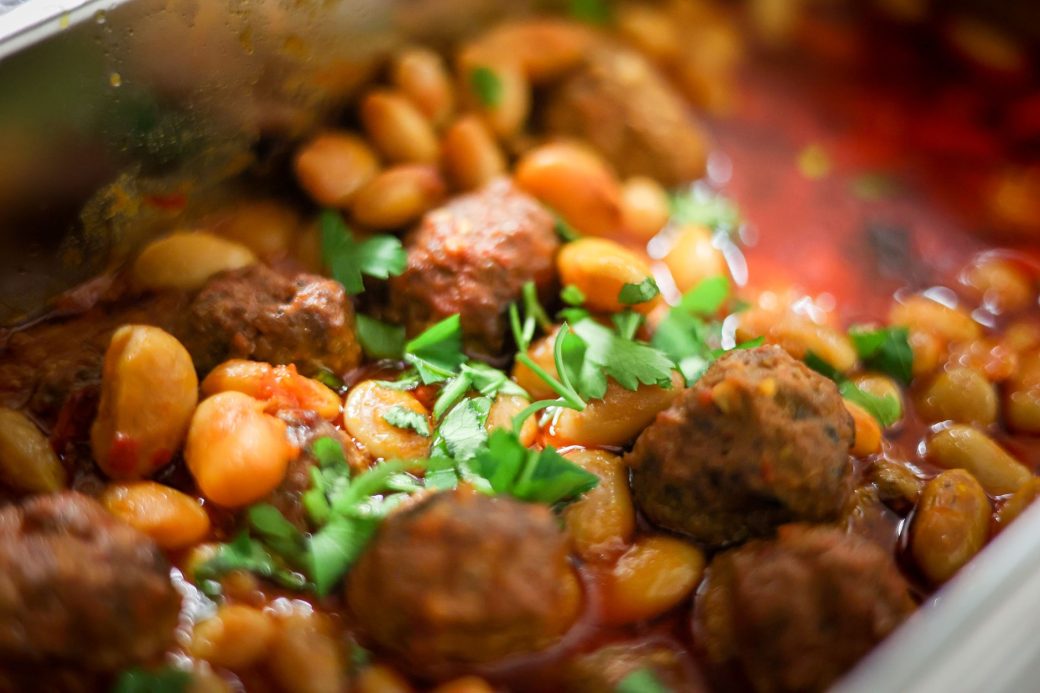
Iron rich foods list with portions
Below are dependable iron sources across animal and plant foods. Frozen, tinned and dried versions all count, and are often the most affordable way to eat iron regularly.
| Food | Portion | Approx. iron | Type |
|---|---|---|---|
| Cooked beef | 100g | about 2.5mg | Heme |
| Cooked lentils | 1 cup | about 6.5mg | Non-heme |
| Firm tofu | 100g | about 2 to 3mg | Non-heme |
| Cooked spinach | 1 cup | about 6mg | Non-heme |
| Chickpeas | 1 cup | about 4.7mg | Non-heme |
| Pumpkin seeds | 30g | about 2.5mg | Non-heme |
| Fortified breakfast cereal | 40g | often 4 to 8mg | Non-heme |
| Sardines (tinned) | 100g | about 2.5mg | Heme |
Values are approximate and depend on preparation. Notice how competitive well-chosen plant foods can be: a cup of lentils rivals a portion of red meat, though absorption differs.
Plant based iron sources
If you eat little or no meat, lean on a rotating cast of reliable non-heme sources rather than relying on any single food.
- Legumes: lentils, chickpeas, kidney beans and butter beans are the backbone of plant iron and stack well into stews, curries and salads.
- Soya foods: tofu, tempeh and edamame add iron alongside protein, making them useful staples for a higher-protein diet.
- Seeds and nuts: pumpkin seeds, sesame, cashews and tahini add small but meaningful amounts across the day.
- Fortified foods: many breakfast cereals and some plant milks have iron added, which can be a quick and consistent contributor.
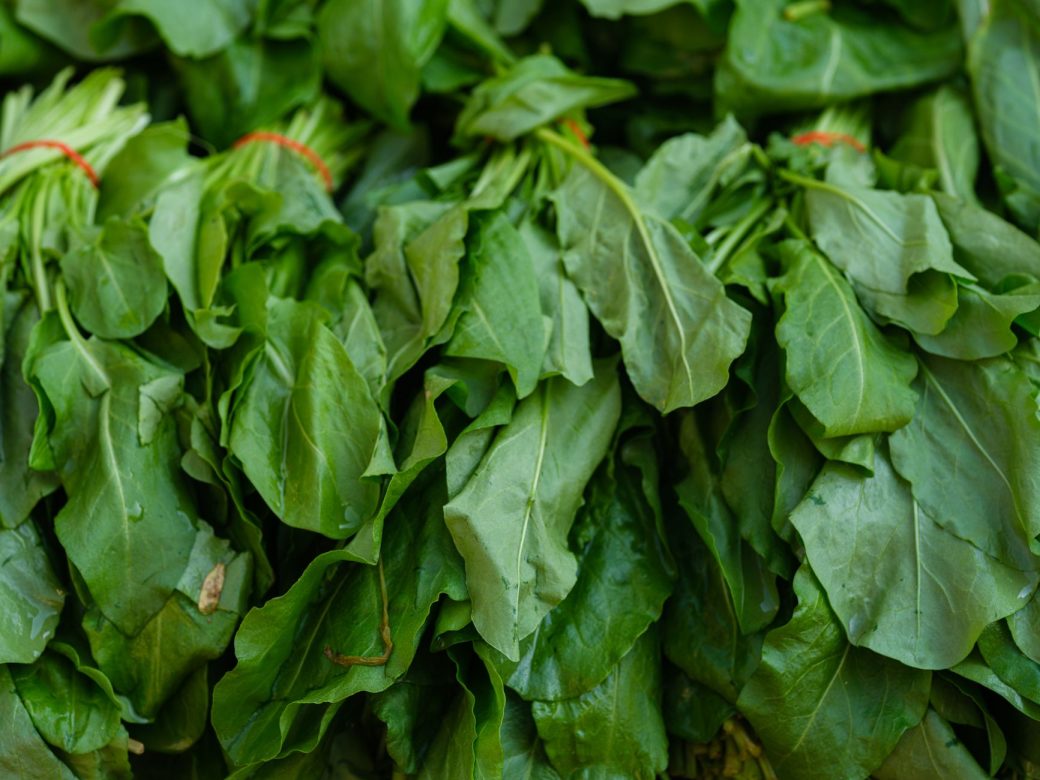
Dark leafy greens like spinach and kale contribute too, though the iron they provide is absorbed less efficiently than the numbers alone suggest, so treat them as helpful additions rather than a sole source. A practical approach is to build most meals around a legume or soya base, use greens and seeds as reliable extras, and lean on fortified foods at breakfast. Rotating these across the week gives you both variety and a dependable total without any single food doing all the work.
Cooking methods can help too. Slow-cooking acidic foods such as tomato-based sauces in a cast iron pan can add small amounts of iron to the meal, and soaking or sprouting beans and grains can reduce some of the compounds that limit absorption. None of these tricks are essential, but they show how everyday choices quietly add up over time.
How to boost absorption
What you eat with your iron can matter as much as the iron itself, particularly for non-heme sources. A few habits make a real difference.
- Add vitamin C: pairing iron rich plant foods with peppers, citrus, tomatoes or strawberries can noticeably improve non-heme absorption. A squeeze of lemon over lentils is an easy win.
- Watch the timing of tea and coffee: tannins in tea and coffee can reduce absorption, so enjoy them between meals rather than with your main iron sources.
- Space out calcium supplements: large calcium doses can compete with iron, so take them at a different time from your iron-heavy meal.
- Combine plant and animal foods: when you do eat meat or fish, it can help you absorb non-heme iron from the vegetables on the same plate.
Tip: Build a simple habit meal such as lentils with roasted peppers and a squeeze of lemon. The vitamin C works alongside the iron, and it takes almost no extra effort once it becomes routine.
Who needs more iron
Requirements are not the same for everyone. Some groups are more prone to running low and may need to be especially mindful, or to seek testing.
- Women who menstruate: monthly blood loss raises iron needs compared with men of the same age.
- Pregnant people: needs rise substantially in pregnancy and are often managed with guidance and, where advised, supplements.
- Vegetarians and vegans: plant-only diets can absolutely meet needs but call for more attention to sources and pairings.
- Endurance athletes and teenagers: growth and high training loads can increase demand.
General guidance from the NHS and detail from the NIH Office of Dietary Supplements outline typical daily targets, which differ by age and sex. If you eat well but still feel persistently tired, that is a reason to ask your doctor about a blood test rather than to self-diagnose.
Supplements and cautions
Food should be the first port of call, because whole foods deliver iron alongside the vitamin C, protein and fibre that support overall health. Supplements have a genuine role when a deficiency is confirmed, but they are not something to take casually. More iron is not automatically better, and too much can cause side effects or be harmful for people with certain conditions.
If a clinician recommends a supplement, a standard iron supplement is widely available across budget and premium tiers, and gentler formulations exist for people who find standard doses hard on the stomach. Only start one on professional advice, and keep it out of reach of children, since iron overdose is a serious risk for young ones.
Some links are affiliate links and we may earn a small commission at no extra cost to you. We only suggest product types we would genuinely consider.
For readers building a broader picture, our iron rich diet guide goes further on meal planning, and the evidence on vitamin supplements covers when pills genuinely help. You may also find our list of vitamin B12 foods useful, since B12 and iron often need attention together in plant-based eating.
Note: This article is general information, not medical or personalised dietary advice. For guidance tailored to you, speak with a registered dietitian or your doctor.
Sources and further reading:
- NHS for iron requirements and advice on deficiency.
- NIH Office of Dietary Supplements for detailed iron intake references and absorption.
- Harvard Nutrition Source for a food-first look at iron and its dietary sources.
Have a question or a topic to suggest?
We read every message. Tell us what you would like to see next on the blog.
Get in touchYou may also like
Iron Rich Diet: The Complete Evidence-Based Guide
Iron keeps your blood, energy and immune system working, yet deficiency is one of the most common shortfalls worldwide. Learn what an iron rich diet means, the best haem and non-haem sources, how to boost absorption with vitamin C, and who is most at risk.
Vitamin B12 Foods: What the Evidence Actually Says
What vitamin B12 does, the best food sources, who genuinely needs a supplement and which energy-boosting claims the evidence does not support.
Essential Nutrients: The Complete Evidence-Based Guide
Your body cannot make everything it needs, so some nutrients must come from food. This guide explains the main categories of essential nutrients, what each does, where to find them, and how to cover your bases without chasing perfection.