Nutrition Basics
Anti Inflammatory Foods: Dietitian-Approved List With Portions
The foods, portions and swaps that build a genuinely anti inflammatory eating pattern, minus the superfood hype.
No single food switches inflammation off, and no shopping list cures a chronic condition. What the evidence does support is that an overall pattern rich in vegetables, fruit, whole grains, pulses, oily fish, nuts, and olive oil is linked with lower markers of inflammation and better long-term health. This dietitian-approved list groups the most useful foods by category, gives realistic portions, and shows simple swaps you can start this week.
What anti inflammatory eating actually means
Inflammation is a normal part of how your body heals and defends itself. Short-term, it is helpful. The concern is low-grade, long-running inflammation, which is associated with heart disease, type 2 diabetes, and other conditions. Food is only one influence alongside sleep, physical activity, smoking, alcohol, and body weight, but it is a lever you can pull every day.
The key point is that anti inflammatory eating is a pattern, not a magic ingredient. The most studied example is the Mediterranean diet, which consistently links with lower inflammatory markers. The foods below are the building blocks of that kind of pattern, and they overlap heavily with heart healthy foods.
Vegetables and fruit
Colourful plants supply polyphenols, carotenoids, vitamin C, and fibre, all of which are associated with lower inflammation. Aim for variety and colour rather than any single superfood. The classic target of at least five portions a day is a sensible floor, not a ceiling.
- Leafy greens (spinach, kale, rocket): a portion is about 80g raw, roughly two handfuls. Rich in folate and vitamin K.
- Berries (blueberries, strawberries, raspberries): a portion is about 80g, a small handful, and a top source of anthocyanin polyphenols.
- Cruciferous veg (broccoli, cabbage, cauliflower): a portion is about 80g, around eight florets.
- Tomatoes: one medium tomato or seven cherry tomatoes, a source of lycopene that increases when cooked with a little oil.
Frozen and tinned count. Frozen berries and spinach are often cheaper and just as nutritious, so cost is rarely a reason to skip this group.
Oily fish and omega 3 fats
Long-chain omega 3 fats from oily fish are among the best-evidenced anti inflammatory nutrients. UK guidance suggests two portions of fish a week, at least one of them oily. For a deeper list, see our guide to omega 3 fatty acids foods.
- Salmon: a portion is about 140g cooked, a palm-sized fillet, providing a generous dose of EPA and DHA.
- Mackerel, sardines, herring: a 140g portion, and tinned sardines are an inexpensive, sustainable option.
- Plant omega 3 (walnuts, flax, chia): a portion is a small handful of walnuts (about 30g) or a tablespoon of ground flaxseed.
Tip: If you rarely eat fish, keep a couple of tins of sardines or mackerel in the cupboard. Mashed on wholegrain toast, they turn a two-minute lunch into an omega 3 rich meal.
Whole grains, pulses, and fibre
Fibre feeds the gut bacteria that produce anti inflammatory short-chain fatty acids, which is one reason high-fibre patterns track with lower inflammation. Most adults fall short of the 30g of fibre a day recommended by the NHS, so this is a high-impact area. Our list of high fiber foods goes further.
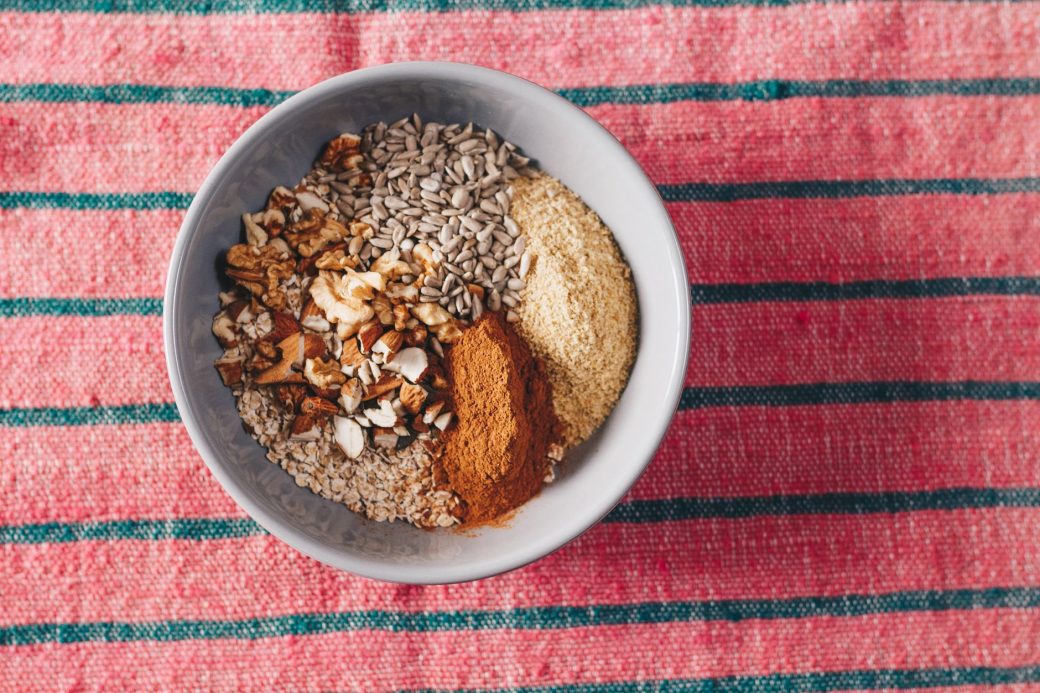
- Oats: a 40g dry portion, about four tablespoons, delivers soluble beta-glucan fibre.
- Beans and lentils: a portion is about four heaped tablespoons cooked (roughly 150g), rich in fibre and plant protein.
- Wholegrain bread, brown rice, and wholewheat pasta: choose these over refined versions to keep the bran and its nutrients.
Nuts, oils, herbs, and drinks
Unsaturated fats, herbs, and certain drinks round out an anti inflammatory pattern. These are also easy places to make an upgrade without cooking anything new.
- Extra virgin olive oil: use about one tablespoon for dressings and cooking; it is a source of polyphenols and monounsaturated fat.
- Unsalted nuts: a 30g portion, a small handful, most days.
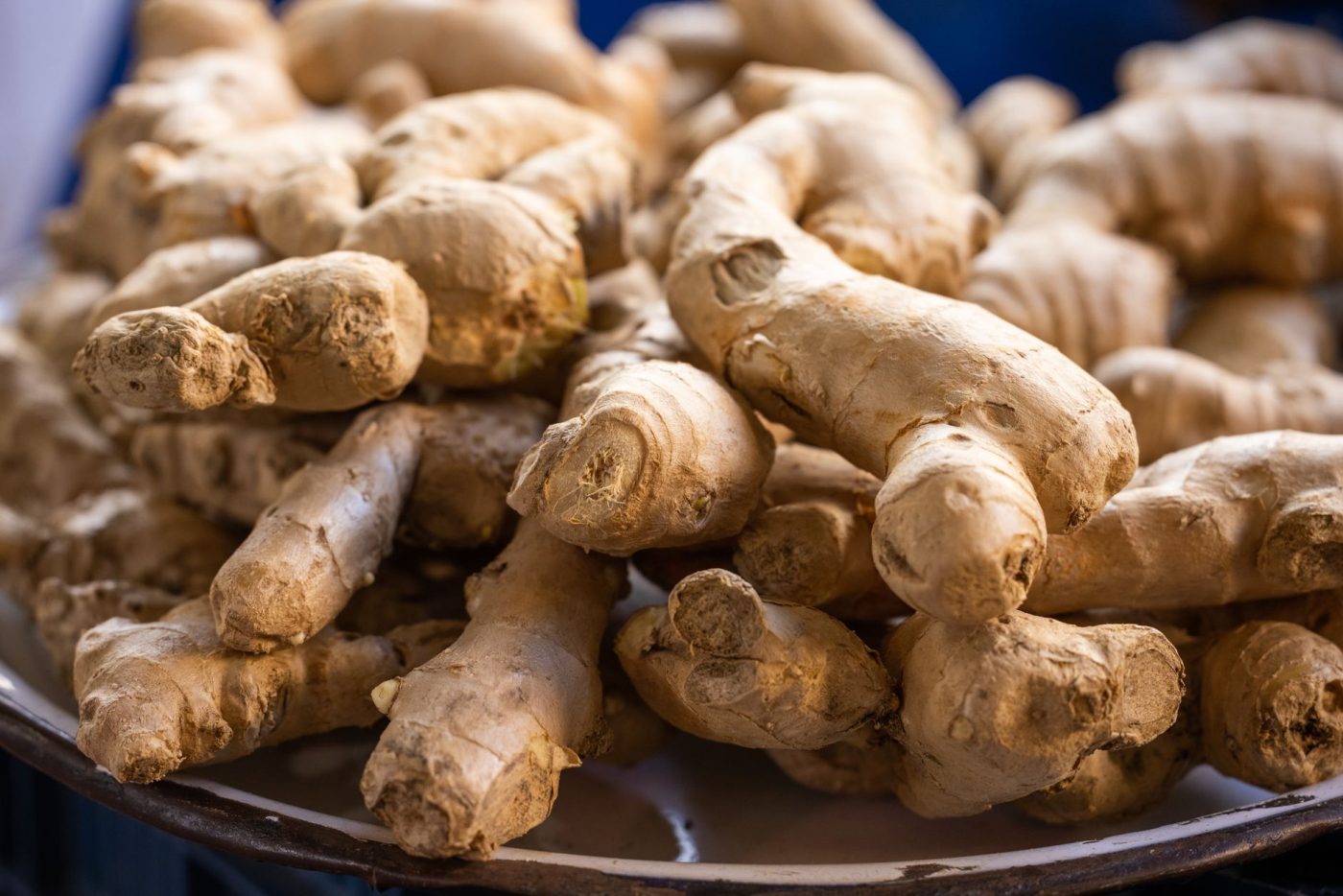
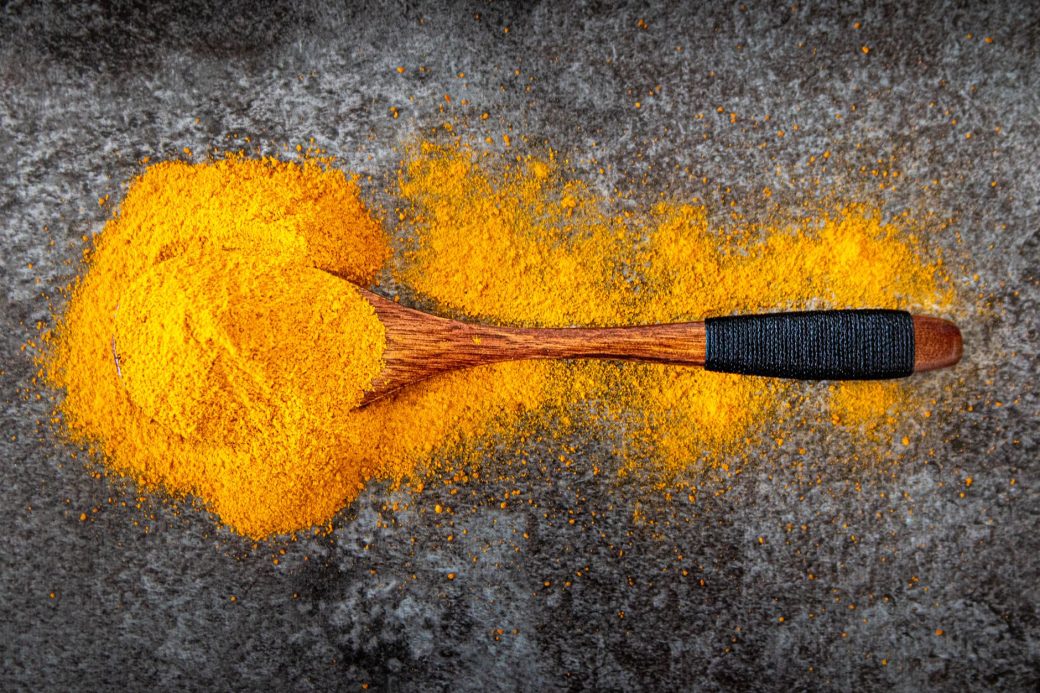
- Herbs and spices (turmeric, ginger, garlic): flavourful additions that let you cut back on salt.
- Green tea and coffee: both provide polyphenols; enjoy without excess added sugar.
A good bottle of extra virgin olive oil and a bag of unsalted mixed nuts are two of the simplest pantry upgrades you can make.
Some links are affiliate links and we may earn a small commission at no extra cost to you. We only suggest product types we would genuinely consider.
Portion guide at a glance
Use this table as a quick reference. Portions are typical adult guides, not strict rules, and food facts are approximate.
| Food group | Example | Typical portion | How often |
|---|---|---|---|
| Leafy greens | Spinach, kale | 80g (two handfuls) | Daily |
| Berries | Blueberries | 80g (small handful) | Most days |
| Oily fish | Salmon, sardines | 140g cooked | 1 to 2 times a week |
| Pulses | Lentils, chickpeas | 150g cooked | Several times a week |
| Nuts | Walnuts, almonds | 30g (small handful) | Most days |
| Olive oil | Extra virgin | 1 tablespoon | Daily |
| Whole grains | Oats, brown rice | 40g dry oats or 180g cooked rice | Daily |
Foods worth limiting
Alongside adding helpful foods, easing back on a few things tends to move inflammatory markers in a better direction. None of these are banned, and an occasional treat is part of a sustainable diet.
- Ultra-processed and deep-fried foods: often high in refined starch, salt, and less favourable fats.
- Sugary drinks and frequent sweets: spikes in blood sugar and excess added sugar are linked with higher inflammation.
- Processed red meat: bacon, sausages, and salami are best kept occasional rather than daily.
The Harvard Nutrition Source notes that overall dietary pattern matters far more than any single food, so focus on what you eat most days rather than chasing perfection.
Simple swaps to start this week
You do not need to overhaul everything at once. A few realistic swaps build an anti inflammatory pattern that lasts.
- Swap white toast for wholegrain or sourdough: more fibre and a gentler blood sugar response.
- Swap crisps for a handful of nuts or fruit: a quick upgrade in fats and polyphenols.
- Swap one meat dinner for a lentil or bean dish: pairs well with our food good for heart guidance.
Note: This article is general information, not medical or personalised dietary advice. For guidance tailored to you, speak with a registered dietitian or your doctor.
Have a question or a topic to suggest?
We read every message. Tell us what you would like to see next on the blog.
Get in touchYou may also like
Heart Healthy Foods: Dietitian-Approved List With Portions
No single food protects your heart, but the right everyday pattern does. This dietitian-approved list groups heart healthy foods by type, with realistic portions and swaps that add up to protective eating.
Omega 3 Fatty Acids Foods: Dietitian-Approved List With Portions
The best omega-3 foods grouped with realistic portions, the difference between ALA, EPA and DHA, and honest guidance on whether to supplement.
Mediterranean Diet: The Complete Evidence-Based Guide
One of the most studied eating patterns in the world. Learn what the Mediterranean diet is, what the evidence supports, foods to enjoy and limit, and how to start with simple swaps.