Nutrition Basics
Fiber Supplement: What the Evidence Actually Says
A dietitian's honest review of fiber supplements: what the evidence supports, which types do what, safe use, and the claims to ignore.
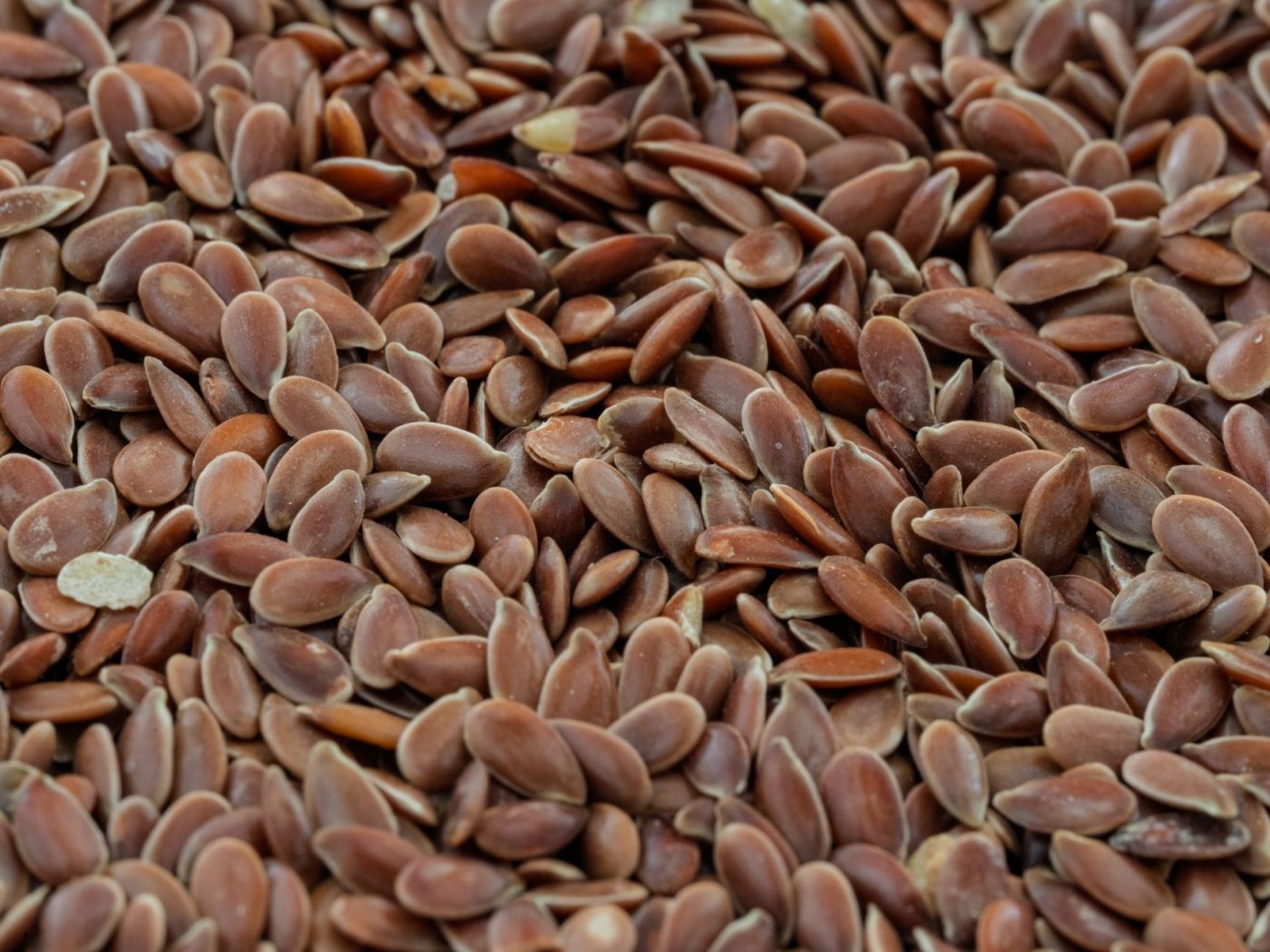
Fibre supplements are marketed for everything from regularity to weight loss to gut health, and some of those claims hold up better than others. This dietitian-written review separates the proven benefits from the wishful marketing, explains the different types, and shows how to use a fibre supplement sensibly if food alone is not getting you there.
What fibre supplements are
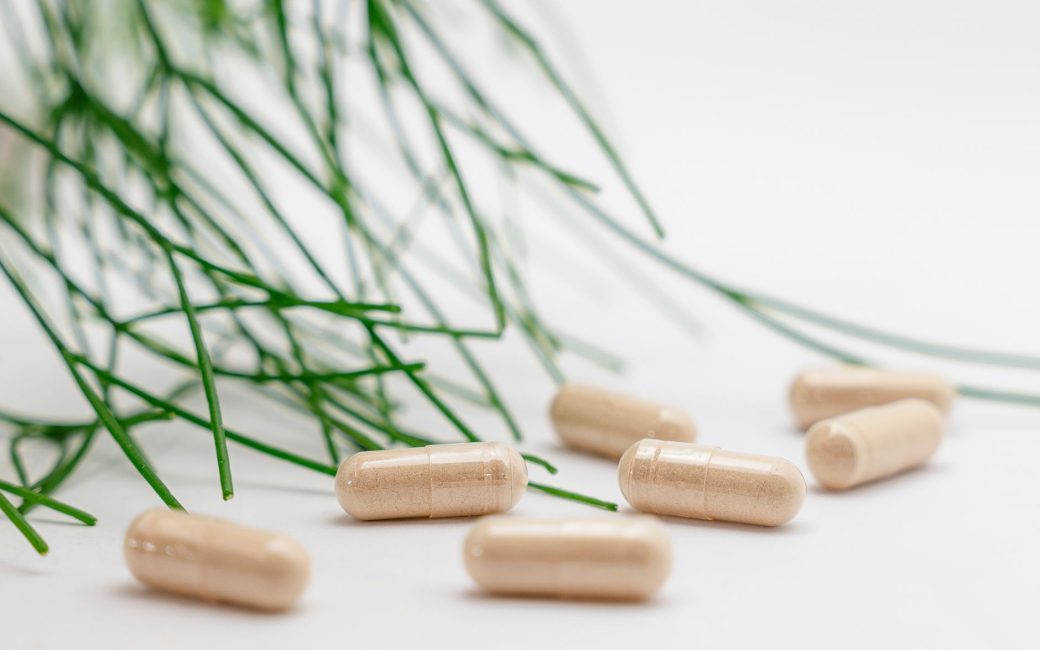
Fibre supplements deliver concentrated fibre in a powder, capsule, gummy or chewable form. They exist because most people eat well under the recommended amount of fibre, and topping up can be easier than overhauling every meal overnight. They are not a replacement for a fibre-rich diet, since whole foods bring water, vitamins, minerals and plant compounds that a supplement does not.
Before reaching for a supplement, it is worth seeing how far food can take you. Our guides to high fibre foods and fibre rich foods cover realistic portions. For many people, a few simple swaps close most of the gap on their own.
That said, supplements are not a failure or a shortcut to be ashamed of. Busy schedules, limited access to fresh produce, higher needs, or a clinician's advice can all make a top-up genuinely useful. The key is to treat it as one tool among several rather than the whole strategy, and to choose a type that matches what you are actually trying to achieve.
Types of fibre supplements
Not all fibre behaves the same way, and matching the type to your goal matters. The main categories differ in how they dissolve, ferment and act in the gut.
- Psyllium husk: a soluble, gel-forming fibre with the strongest evidence for regularity and cholesterol. A common all-round choice.
- Methylcellulose: a soluble fibre that adds bulk with less fermentation, so it tends to cause less gas.
- Inulin and chicory fibre: fermentable prebiotic fibres that feed gut bacteria, but more likely to cause bloating in sensitive people.
- Wheat dextrin and partially hydrolysed guar gum: well-tolerated options, often chosen for comfort.
A convenient starting point for many is a plain psyllium husk powder , which mixes into water and has decades of use behind it.
Some links are affiliate links and we may earn a small commission at no extra cost to you. We only suggest product types we would genuinely consider.
What the evidence supports
The genuinely well-supported benefits are more modest and specific than the packaging suggests. Focusing on these keeps expectations realistic.
- Regularity: bulking and gel-forming fibres like psyllium reliably help with constipation and stool consistency.
- Cholesterol: soluble fibres such as psyllium can produce a small, meaningful reduction in LDL cholesterol as part of a healthy diet.
- Blood sugar: viscous fibres can slightly blunt the rise in blood sugar after meals.
- Fullness: fibre adds bulk and slows digestion, which may modestly support appetite control, though it is no weight-loss shortcut.
Organisations like the Harvard Nutrition Source emphasise that these effects are real but incremental, and work best alongside a varied diet rather than in place of one. It is also worth noting that the fibre in a supplement rarely matches the wider package a whole food provides. An apple or a bowl of lentils brings fibre plus water, potassium, polyphenols and slow-release energy, whereas a spoon of isolated fibre brings the fibre alone. That does not make supplements pointless, but it explains why food remains the sensible foundation.
| Type | Best known for | Tolerance |
|---|---|---|
| Psyllium husk | Regularity, cholesterol | Generally good |
| Methylcellulose | Bulking, low gas | Very good |
| Inulin / chicory | Prebiotic, gut bacteria | Can cause bloating |
| Wheat dextrin | Easy daily top-up | Good |
| Guar gum (PHGG) | Gentle, IBS-friendly | Good |
Marketing claims to ignore
Some claims run well ahead of the evidence. Being sceptical here saves money and disappointment.
- Detox and cleansing: your liver and kidneys handle detoxification. Fibre supports digestion, it does not cleanse toxins.
- Dramatic fat loss: any appetite effect is minor. No fibre powder melts fat.
- Curing gut conditions: fibre can help symptoms for some, but it is not a cure, and certain fermentable fibres worsen symptoms in IBS.
- One fibre does everything: different fibres have different effects, so the marketing shortcut of a single miracle fibre is misleading.
If you have a diagnosed gut condition, the low FODMAP approach may matter more than added fibre, and our overview from a low FODMAP dietitian is a useful starting point. Adverts often blur the line between a licensed medicine and a food supplement, too. A product that helps you stay regular is doing a genuine job, but that is a world away from claims about resetting your metabolism or flushing your system, which have no basis in how the body works.
How to use one safely
Fibre supplements are generally safe, but a few habits prevent the common side effects of gas, bloating and, occasionally, blockage.
- Start low: begin with a small dose and build up over one to two weeks.
- Drink plenty of water: bulking fibres need fluid to work and to avoid discomfort.
- Separate from medication: take supplements a couple of hours apart from medicines, since fibre can affect absorption.
- Choose tested brands: look for clear labelling and, where relevant, third-party quality checks.
Tip: Add fibre gradually and increase water at the same time. A sudden large dose is the single most common reason people get bloating and give up too soon.

Who might benefit
Timing and consistency matter more than most people expect. A fibre supplement taken once in a while does little, whereas the same product taken daily as a steady habit is where the evidence for regularity and cholesterol comes from. Pairing it with an existing routine, such as a morning glass of water, tends to make it stick. It is also sensible to review whether you still need it every few months, since diets change and a supplement that filled a real gap last winter may be redundant once your food habits improve.
A fibre supplement makes most sense for people who struggle to reach their fibre target through food, those managing occasional constipation, or those advised by a clinician to lower cholesterol or steady blood sugar as part of a wider plan. For most healthy people eating plenty of vegetables, wholegrains and legumes, a supplement is unnecessary. The NHS recommends food-first for fibre, reserving supplements for specific situations. If you are pregnant, on regular medication or managing a bowel condition, check with your doctor or dietitian before starting.
Note: This article is general information, not medical or personalised dietary advice. For guidance tailored to you, speak with a registered dietitian or your doctor.
Sources and further reading:
- NHS for fibre recommendations and constipation guidance.
- Harvard Nutrition Source for evidence on fibre types and health.
- British Dietetic Association for food-first fibre advice.
Have a question or a topic to suggest?
We read every message. Tell us what you would like to see next on the blog.
Get in touchYou may also like

High Fiber Foods: Dietitian-Approved List With Portions
Most people eat too little fiber. This dietitian-approved list groups high fiber foods by type, gives realistic portions, and shows easy swaps to reach your daily target comfortably.
Fiber Rich Foods: Dietitian-Approved List With Portions
A practical, categorised list of fibre rich foods with portions and approximate fibre content. Learn the two types of fibre, easy swaps, and how to build a 30 gram fibre day from everyday foods.

High Fiber Foods for Constipation: Dietitian-Approved List With Portions
Constipation is common and often fixable. This dietitian-approved list groups the most useful high fibre foods for constipation, with realistic portions and gentle strategies to get results without the bloating.