Food List
Fiber Rich Foods: Dietitian-Approved List With Portions
Everyday foods that make hitting your daily fibre target easy, with realistic portions, simple swaps and a sample 30 gram day.
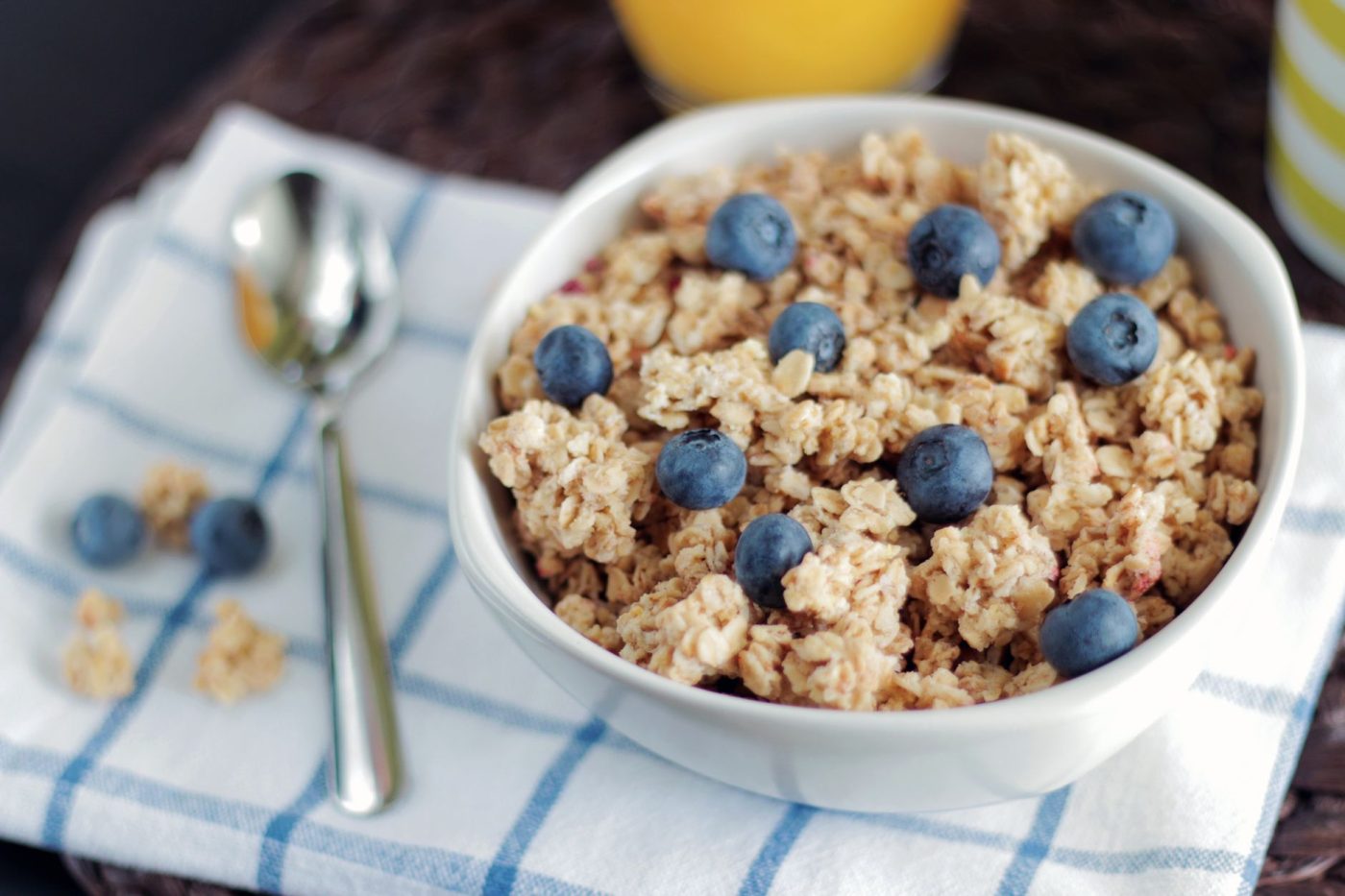
Most people eat far less fibre than their body would thrive on, and fixing that is one of the simplest, most reliable upgrades you can make to your diet. This is a practical, dietitian-approved list of fibre rich foods, organised by category, with realistic portions and approximate fibre content so you can build meals that actually reach a healthy daily target. No supplements required, just everyday foods used a little more deliberately.
Why fibre matters more than you think
Fibre is the part of plant foods your body cannot fully digest, and that is precisely what makes it useful. Rather than being absorbed for energy, it travels through the gut doing work along the way: feeding beneficial bacteria, adding bulk that keeps you regular, slowing the release of sugar into the blood, and helping you feel full on fewer calories. A higher fibre intake is consistently linked with better digestive health, steadier energy and healthier cholesterol.
Most adults are advised to aim for around 30 grams of fibre a day, yet typical intakes fall well short of that. The good news is that closing the gap does not require willpower or special products. It requires knowing which everyday foods carry the most fibre and building them into meals you already eat. The NHS guidance on getting more fibre sets the same target and stresses variety across food groups.
- Digestive regularity: insoluble fibre adds bulk and speeds transit, easing constipation.
- Blood sugar control: soluble fibre slows glucose absorption, smoothing energy and appetite.
- Heart health: soluble fibre binds cholesterol precursors, supporting healthier levels over time.
The two types of fibre and why you need both
Fibre comes in two broad forms, and a good diet includes plenty of each. Soluble fibre dissolves in water to form a gel, which is what slows digestion, softens stools and helps with cholesterol and blood sugar. Insoluble fibre does not dissolve; it adds bulk and moves things along, which is what keeps you regular. Most whole plant foods contain a mix of both, so you rarely need to track them separately.
- Soluble sources: oats, beans, lentils, apples, citrus, carrots and barley.
- Insoluble sources: wholegrain bread, wheat bran, nuts, seeds and the skins of fruit and vegetables.
If constipation is your main concern, insoluble-rich foods and fluid matter most, and our high fibre foods for constipation list goes deeper. For the broader picture on how fibre works across the body, see our high fibre foods guide.
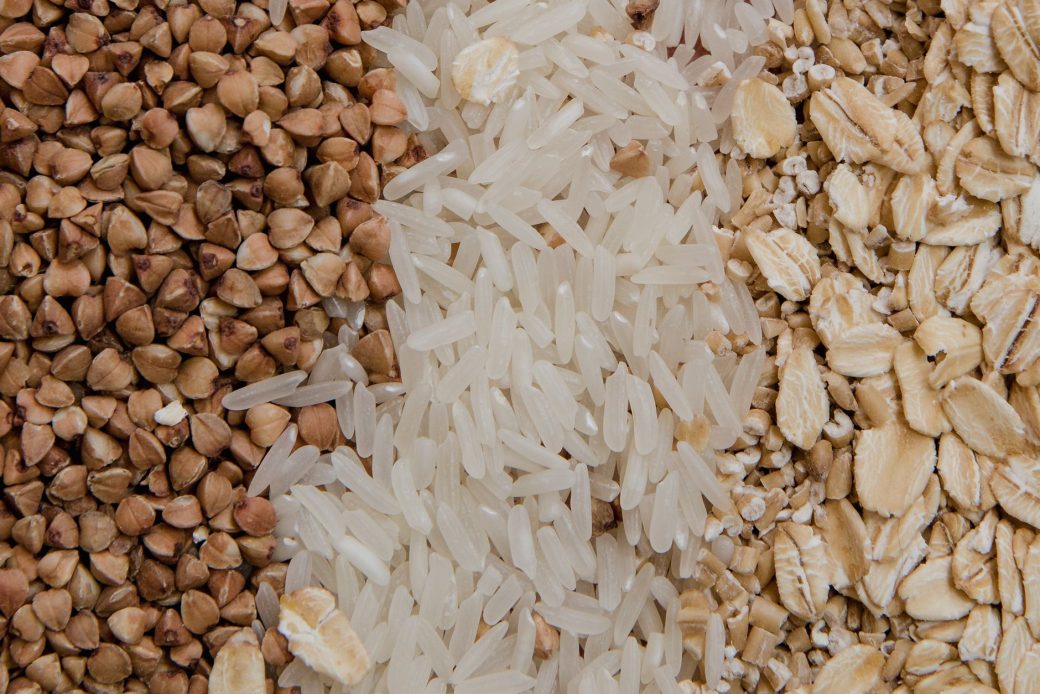
The fibre rich foods list with portions
Here is the practical core of this guide: a categorised table of reliable, widely available fibre rich foods, with a realistic everyday portion and its approximate fibre content. Use it to spot easy swaps and to build a day that comfortably reaches the 30 gram mark.
| Food | Typical portion | Approx. fibre |
|---|---|---|
| Cooked lentils | 150 g (small bowl) | 11 to 12 g |
| Black beans, cooked | 150 g | 9 to 11 g |
| Chickpeas, cooked | 150 g | 7 to 8 g |
| Chia seeds | 2 tbsp (about 25 g) | 8 to 10 g |
| Raspberries | 100 g (a handful) | 6 to 7 g |
| Rolled oats, dry | 50 g (a bowl cooked) | 4 to 5 g |
| Wholemeal bread | 2 slices | 4 to 6 g |
| Broccoli, cooked | 100 g | 3 to 4 g |
| Apple with skin | 1 medium | 3 to 4 g |
| Almonds | 30 g (a small handful) | 3 to 4 g |
| Baked potato with skin | 1 medium | 3 to 4 g |
| Wholewheat pasta, cooked | 180 g | 6 to 8 g |
Notice how quickly the numbers add up. A bowl of lentil soup, wholemeal toast and a handful of berries can cover more than half a day's target before you have even thought about dinner. Treat the figures as approximate, since variety, ripeness and cooking all shift them slightly, but the ranking of foods is dependable.
Easy high-fibre swaps
The fastest way to raise fibre is not to add new meals but to upgrade the ones you already eat. Swaps beat willpower because they change the default rather than asking you to remember anything.
- White to wholegrain: switch white bread, rice and pasta for wholemeal versions to roughly double the fibre.
- Peel less: leave the skin on apples, pears, potatoes and cucumber, where much of the fibre lives.
- Add a legume: stir a handful of lentils or beans into soups, stews, salads and pasta sauces.
- Top your breakfast: scatter chia, ground flaxseed or berries over yoghurt or porridge.
- Snack on whole plants: reach for nuts, fruit or vegetable sticks and hummus instead of refined snacks.
Some links are affiliate links and we may earn a small commission at no extra cost to you. We only suggest product types we would genuinely consider.
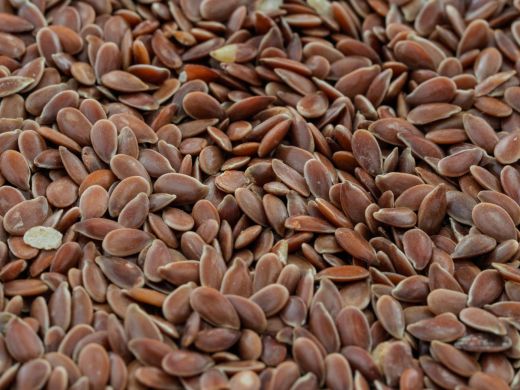
A couple of inexpensive pantry staples make high-fibre eating almost effortless. A bag of chia seeds or ground flaxseed lasts for weeks and adds several grams of fibre per spoon to almost anything.
Tip: Keep a jar of chia or ground flaxseed by the kettle. One tablespoon stirred into porridge, yoghurt or a smoothie adds several grams of fibre with zero cooking and barely any flavour change.
Building a 30 gram fibre day
Reaching the target is far easier when you see how a normal day fits together. Here is one straightforward example that lands comfortably above 30 grams without anything exotic.
- Breakfast: porridge made with oats, topped with raspberries and a spoon of chia gives roughly 12 to 14 grams.
- Lunch: a lentil and vegetable soup with two slices of wholemeal bread adds around 12 to 16 grams.
- Dinner: wholewheat pasta with a tomato and bean sauce and a side of broccoli contributes roughly 12 to 16 grams.
- Snacks: an apple and a small handful of almonds top it off with another 6 to 8 grams.
That single day clears the target with room to spare, using cheap, ordinary ingredients. Harvard's Nutrition Source guide to fibre reinforces the same message: whole plant foods, eaten in variety, do the work. For readers managing calories at the same time, our low calorie snacks list pairs well with a high-fibre plan.
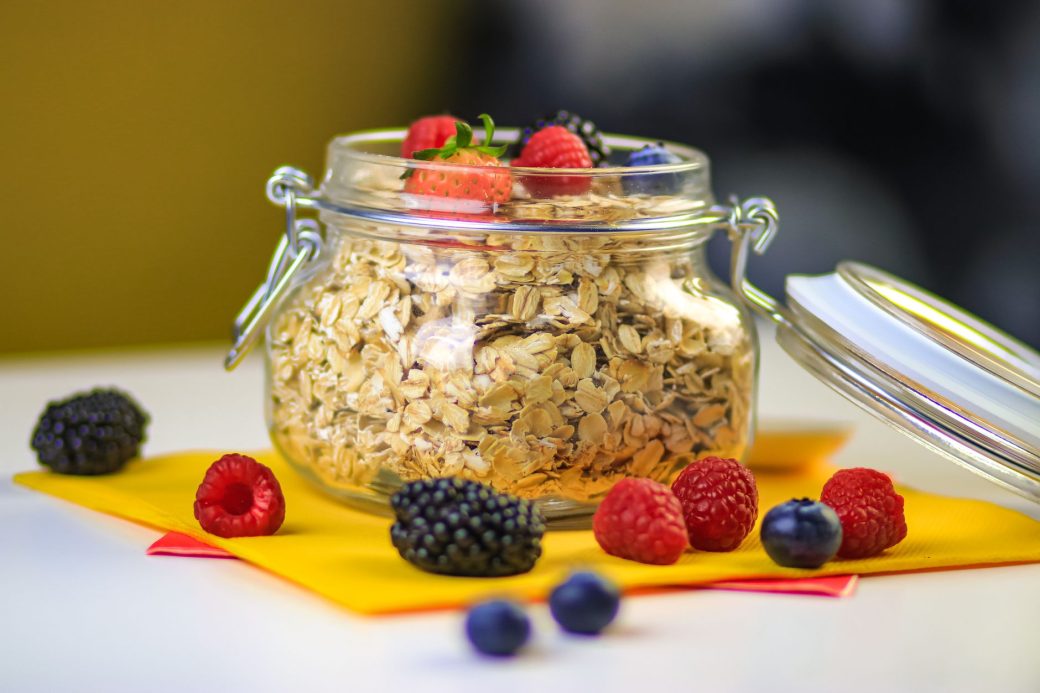
Increase fibre slowly and drink water
One practical warning saves a lot of discomfort: raise your fibre gradually. A sudden jump from a low-fibre diet to 30-plus grams overnight often causes bloating, gas and cramps as your gut bacteria adjust. Add a little more every few days and give your system a week or two to settle.
Fibre also needs fluid to do its job. Soluble fibre draws water to form its gel and insoluble fibre needs water to add soft bulk, so a higher fibre intake without enough drinking can paradoxically make constipation worse. Aim to increase water alongside fibre, especially if you are leaning on beans, bran or a supplement. If food alone is difficult, our guide to what the evidence says about fibre supplements covers when they genuinely help.
Tip: If you add beans and lentils and notice more gas, rinse canned pulses well, introduce them in smaller amounts, and be patient. The bloating usually eases within a couple of weeks as your gut adapts.
Who should take extra care
Fibre is beneficial for almost everyone, but a few situations call for a tailored approach rather than simply piling it on.
- IBS and sensitive guts: some high-fibre foods are also high in FODMAPs and can trigger symptoms; the type of fibre matters as much as the amount.
- Recent gut surgery or strictures: follow medical advice, since a very high-fibre diet may not be appropriate.
- Children and older adults: targets differ, and adequate fluid becomes even more important.
It is also worth remembering that variety itself is part of the benefit. Different plants feed different populations of gut bacteria, so a diet drawing fibre from a wide range of vegetables, fruit, wholegrains, beans, nuts and seeds does more for your gut than the same amount of fibre from a single source. Aiming for a spread of plant foods across the week is a simple, evidence-aligned goal that naturally lifts both the quantity and the quality of your fibre intake.
For most healthy adults, though, more fibre from whole foods is one of the safest and most rewarding dietary changes available. Build it in gradually, keep the variety wide, drink enough water, and let these everyday foods do the work. To see how fibre fits alongside the other building blocks of a good diet, our guide to essential nutrients puts it in context.
Note: This article is general information, not medical or personalised dietary advice. For guidance tailored to you, speak with a registered dietitian or your doctor.
Have a question or a topic to suggest?
We read every message. Tell us what you would like to see next on the blog.
Get in touchYou may also like

High Fiber Foods: Dietitian-Approved List With Portions
Most people eat too little fiber. This dietitian-approved list groups high fiber foods by type, gives realistic portions, and shows easy swaps to reach your daily target comfortably.
High Fiber Foods for Constipation: Dietitian-Approved List With Portions
Constipation is common and often fixable. This dietitian-approved list groups the most useful high fibre foods for constipation, with realistic portions and gentle strategies to get results without the bloating.
Fiber Supplement: What the Evidence Actually Says
A dietitian separates the proven benefits of fiber supplements from wishful marketing, explains the types, and shows how to use one sensibly.