Nutrition Basics
High Fiber Foods for Constipation: Dietitian-Approved List With Portions
Prunes, legumes, seeds and wholegrains that ease constipation, with portions, water tips and when to see a professional.
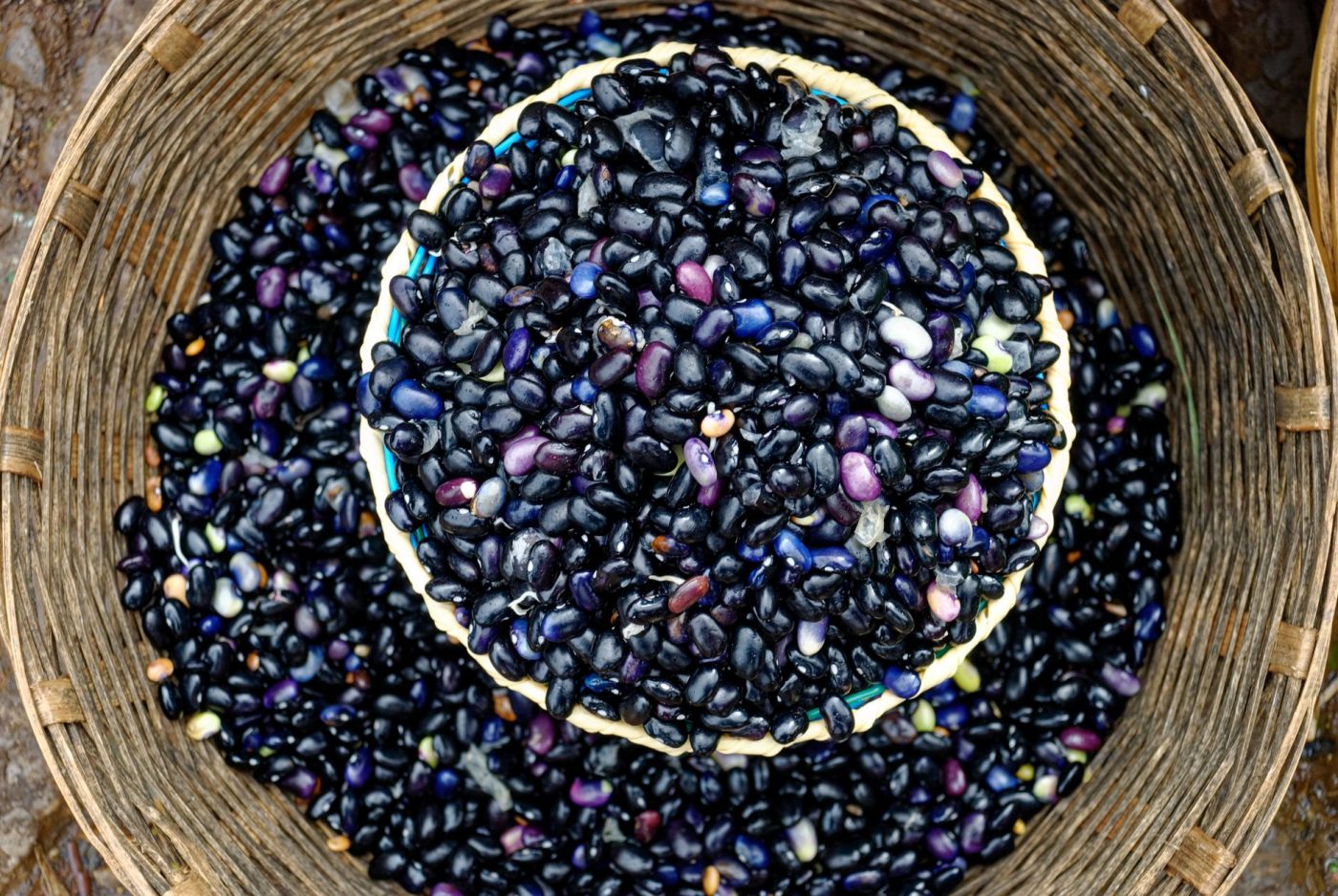
Constipation is uncomfortable, common and often fixable with a few practical changes to what and how you eat. Fibre is central to keeping things moving, but the type of fibre, the portion and the water you drink alongside it all matter. This dietitian-approved list groups the most useful high fibre foods for constipation, with realistic portions and gentle strategies to get results without the bloating.
How fibre relieves constipation
Fibre is the part of plant foods your body cannot fully digest. Rather than being absorbed, it does its work as it passes through the gut, and that is exactly what helps with constipation. It adds bulk and softness to stools and feeds the beneficial bacteria that keep your digestive system healthy, which together make bowel movements easier and more regular.
Most adults fall short of the recommended intake, so simply eating more fibre-rich whole foods is often the single most effective step. If you want the broader picture on fibre and health, our general guide to high fibre foods is a good companion to this one.
It helps to think of fibre as working best as part of a trio: fibre, fluid and movement. Fibre provides the raw material, fluid softens it so it can move, and physical activity encourages the gut to do its job. When one of the three is missing, results tend to disappoint, which is why loading up on bran alone while dehydrated and sedentary can leave people feeling worse rather than better. Getting all three roughly right is more effective than perfecting any single one.
Soluble vs insoluble for constipation
Both types of fibre help, but in slightly different ways, and a mix works best for most people.
- Soluble fibre: absorbs water and forms a soft gel that makes stools easier to pass. Found in oats, psyllium, apples, citrus and beans.
- Insoluble fibre: adds bulk and speeds the passage of waste through the gut. Found in wholegrains, wheat bran, nuts and vegetable skins.
You do not need to track these separately. Eating a variety of whole plant foods naturally gives you both. Our overview of fibre rich foods breaks down more sources if you want to build variety.
One caveat is worth flagging early. For a small number of people, and particularly those with certain gut conditions, piling on insoluble fibre such as raw bran can actually worsen symptoms rather than relieve them. If you have a diagnosed digestive condition, or if more fibre consistently makes you feel worse, that is a signal to get personalised advice rather than to keep pushing the amount higher. For most healthy adults, though, a gentle increase in mixed fibre from whole foods is exactly what is needed.
Best high fibre foods for constipation
These foods are dependable, affordable and easy to add to meals you already eat. Frozen, tinned and dried versions all count.
| Food | Portion | Approx. fibre | Notably |
|---|---|---|---|
| Prunes | 4 to 5 | about 3g | Also contain sorbitol |
| Cooked lentils | Half cup | about 8g | Soluble and insoluble |
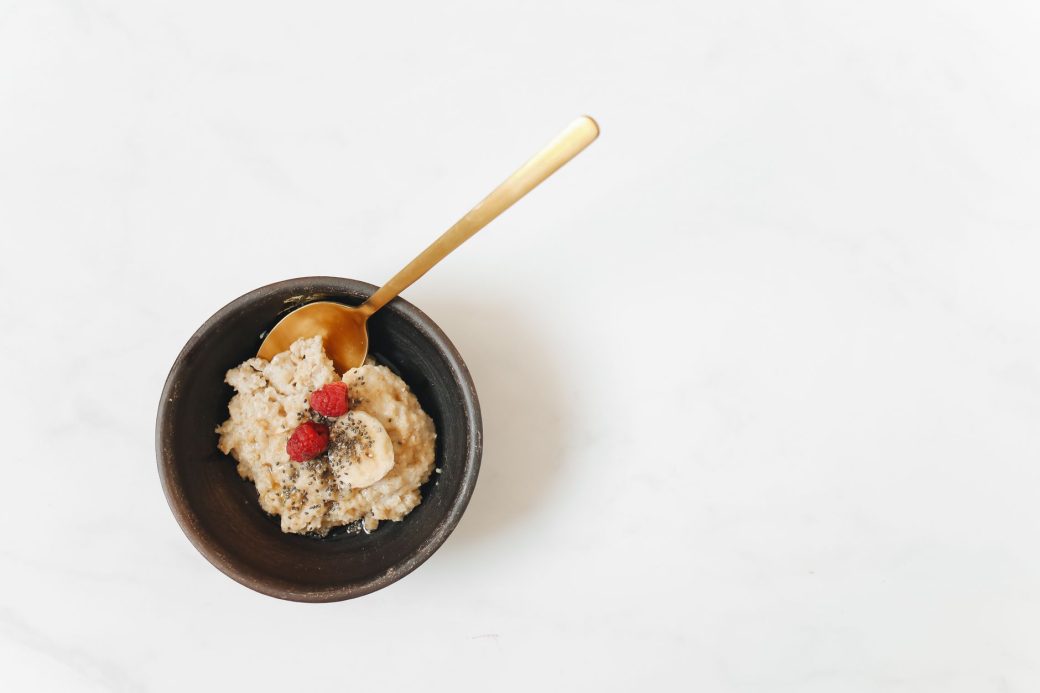
| Rolled oats | 40g dry | about 4g | Soluble beta-glucan |
| Pear with skin | 1 medium | about 5g | Keep the skin on |
| Chia seeds | 2 tbsp | about 10g | Absorbs lots of water |
| Raspberries | 1 cup | about 8g | High for its size |
| Wholegrain bread | 2 slices | about 5g | Easy daily swap |
| Kiwi | 2 fruit | about 4g | Popular for regularity |
Values are approximate. Prunes and kiwi are singled out in a lot of dietetic advice because they combine fibre with other compounds that gently support regularity. Notice too how affordable these options are. Dried and tinned foods such as prunes, lentils and beans store well, cost little and lose none of their fibre, which makes a high-fibre diet realistic on almost any budget.
Fruits and vegetables that help
Produce is the easiest place to start because you can add it to almost anything. Leaving skins on where possible keeps more of the fibre intact.
- Prunes and dried fruit: prunes, dried apricots and figs are traditional go-tos and combine fibre with natural sugar alcohols that draw water into the gut.
- Berries and pears: high in fibre for their size and easy to add to breakfast or snacks.
- Vegetables with skins: broccoli, carrots, sweetcorn and jacket potatoes all contribute, especially when skins are left on.
Spreading fruit and vegetables across the day, rather than eating them all in one sitting, tends to be gentler on the gut. A useful habit is to add one extra portion of produce to a meal you already eat, such as berries on breakfast, a side of vegetables at lunch and an extra handful of salad at dinner. Small, consistent additions like these raise your intake without the discomfort that comes from a sudden, large change.
Kiwi deserves a special mention. It is frequently studied for its effect on regularity and is often suggested as a gentle, food-first option for people who prefer not to reach for laxatives. Two kiwi a day is a common starting point, eaten with the skin on if you can manage it, since much of the fibre sits just beneath the surface.
Wholegrains, legumes and seeds
These are the heavy hitters for fibre and the foods most likely to make a real difference to regularity.
- Legumes: lentils, chickpeas and beans deliver roughly 6 to 8g of fibre per half cup, plus protein and minerals.
- Wholegrains: oats, wholewheat bread and pasta, brown rice and barley add several grams per serving compared with refined versions.
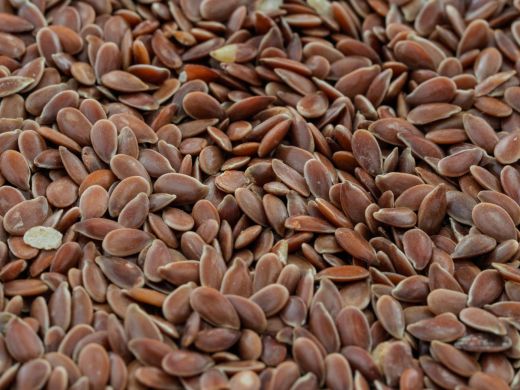
- Seeds: chia and ground flaxseed swell with water and are among the simplest additions to yoghurt or porridge.
Ground flaxseed and chia are especially handy because a spoonful stirred into food adds a noticeable fibre boost with no cooking. A jar of ground flaxseed or chia kept in the cupboard makes this an easy daily habit, though whole foods should still lead the way. If you use chia or psyllium, always take them with a full glass of water, since these fibres absorb a lot of liquid and can feel uncomfortable if eaten dry.
When you cook grains and legumes, batch cooking pays off. Tinned beans need only draining and rinsing, and a pot of lentils or a tray of roasted vegetables in the fridge turns a low-fibre meal into a high-fibre one in seconds. Making the higher-fibre choice the easy, ready-to-hand option is one of the most reliable ways to keep your intake up on busy days.
Some links are affiliate links and we may earn a small commission at no extra cost to you. We only suggest product types we would genuinely consider.
Water, movement and daily habits
Fibre works best with fluid. Without enough water, adding lots of fibre can actually make constipation worse and cause bloating, because the fibre needs water to soften and move waste through the gut. A few habits round out the picture.
- Drink more fluids: increase water as you increase fibre, especially with water-absorbing foods like chia and psyllium.
- Move your body: regular activity, even a daily walk, helps stimulate the gut.
- Keep a routine: giving yourself unhurried time, often after breakfast, can help regularity.
- Do not ignore the urge: responding promptly makes a difference over time.
Tip: Increase fibre gradually over a week or two rather than all at once, and drink more water as you go. A slow build lets your gut adjust and avoids the bloating and gas that a sudden jump can cause.
When to see a professional
Diet and lifestyle resolve most everyday constipation, but some situations need medical attention rather than more fibre. Guidance from the NHS suggests seeing a doctor if constipation is severe, lasts a long time, does not improve with changes, or comes with symptoms such as unexplained weight loss, bleeding, or persistent tummy pain.
Fibre supplements such as psyllium can help some people, but they are not a first resort or a substitute for a varied diet. Our overview of fibre supplements explains what the evidence says, and the high fibre foods list offers more whole-food options. For food-first advice, the British Dietetic Association and the Harvard Nutrition Source are reliable starting points.
Note: This article is general information, not medical or personalised dietary advice. For guidance tailored to you, speak with a registered dietitian or your doctor.
Sources and further reading:
- NHS for constipation advice and when to seek help.
- British Dietetic Association for food-first fibre and digestive health guidance.
- Harvard Nutrition Source for a detailed look at fibre and gut health.
Have a question or a topic to suggest?
We read every message. Tell us what you would like to see next on the blog.
Get in touchYou may also like
High Fiber Foods: Dietitian-Approved List With Portions
Most people eat too little fiber. This dietitian-approved list groups high fiber foods by type, gives realistic portions, and shows easy swaps to reach your daily target comfortably.
Fiber Rich Foods: Dietitian-Approved List With Portions
A practical, categorised list of fibre rich foods with portions and approximate fibre content. Learn the two types of fibre, easy swaps, and how to build a 30 gram fibre day from everyday foods.
Fiber Supplement: What the Evidence Actually Says
A dietitian separates the proven benefits of fiber supplements from wishful marketing, explains the types, and shows how to use one sensibly.