Nutrition Basics
Foods High in Magnesium: Dietitian-Approved List With Portions
A dietitian-approved list of foods high in magnesium with portions: nuts, seeds, leafy greens, wholegrains and legumes, plus when a supplement helps.
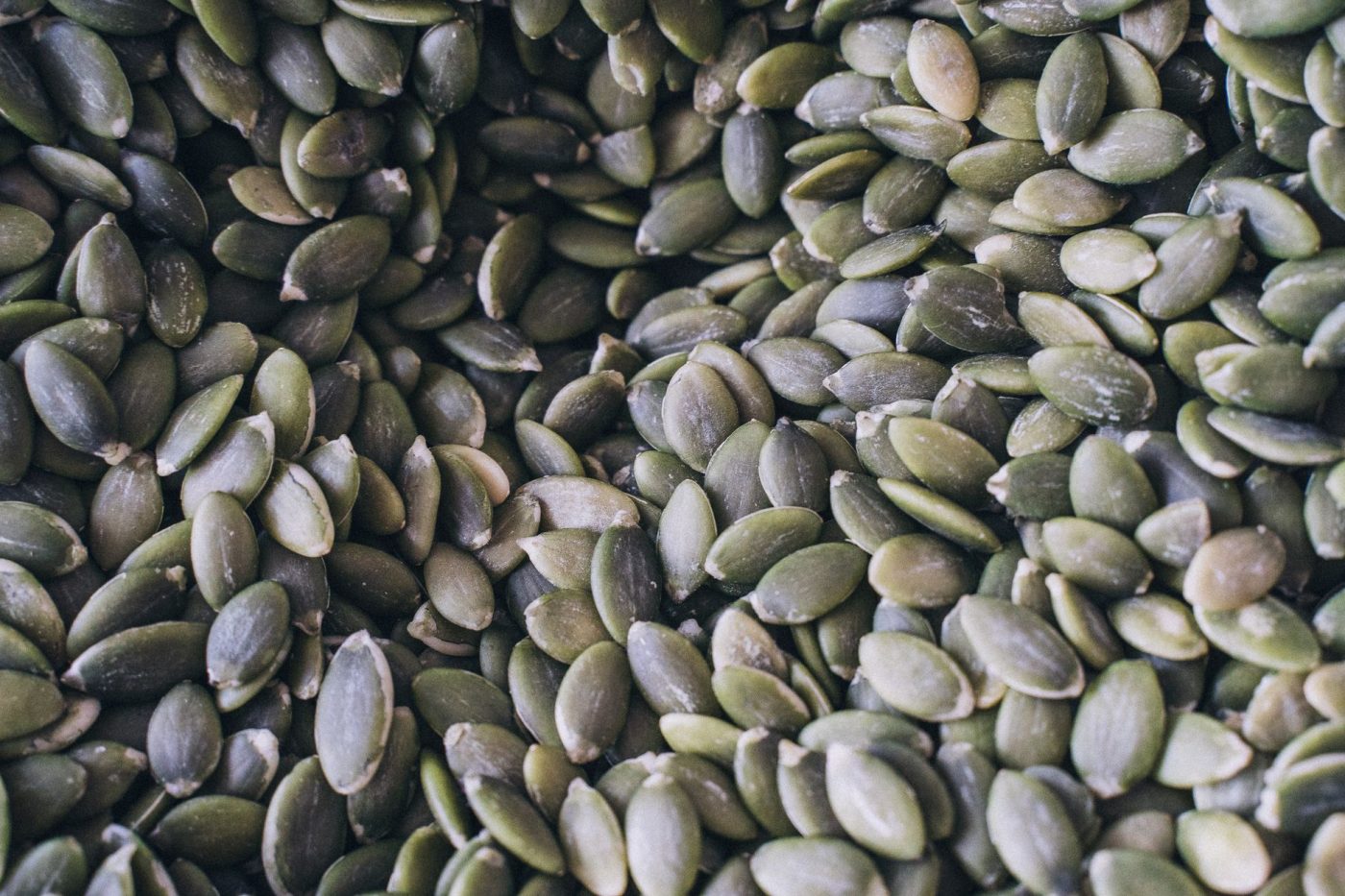
Magnesium is involved in hundreds of processes in the body, from energy production to muscle and nerve function, yet many people fall short of the recommended intake. This dietitian-approved list groups foods high in magnesium by type, gives realistic portions, and shows easy ways to reach your target through food before you ever consider a supplement.
Why magnesium matters
Magnesium is a mineral your body uses for muscle and nerve function, blood sugar regulation, blood pressure, bone health and the production of energy and protein. Because it works quietly in the background, a low intake rarely announces itself dramatically, but consistently falling short is common and worth avoiding.
The good news is that magnesium is widespread in whole plant foods, so a varied diet rich in vegetables, wholegrains, legumes, nuts and seeds naturally supplies a good amount. It sits alongside other minerals in our wider guide to essential nutrients.
Interest in magnesium has surged, partly because it is linked in popular articles to sleep, stress and muscle cramps. Some of that interest is warranted and some is overstated. Magnesium genuinely supports normal muscle and nerve function, so a truly low intake can contribute to problems, but topping up beyond your needs does not hand out extra benefits. The sensible aim is simply to meet the recommended amount consistently, which food does well for most people.
How much magnesium you need
General guidance places daily magnesium needs at roughly 300mg for adult women and 400mg for adult men, with some variation by age and life stage. You do not need to track this precisely. Including a couple of magnesium-rich foods each day, such as a handful of seeds and a serving of wholegrains or legumes, gets most people comfortably into range.
Tip: The same foods that top up magnesium also boost fibre and potassium. Focusing on nuts, seeds, wholegrains and leafy greens quietly improves several nutrients at once.
Nuts and seeds
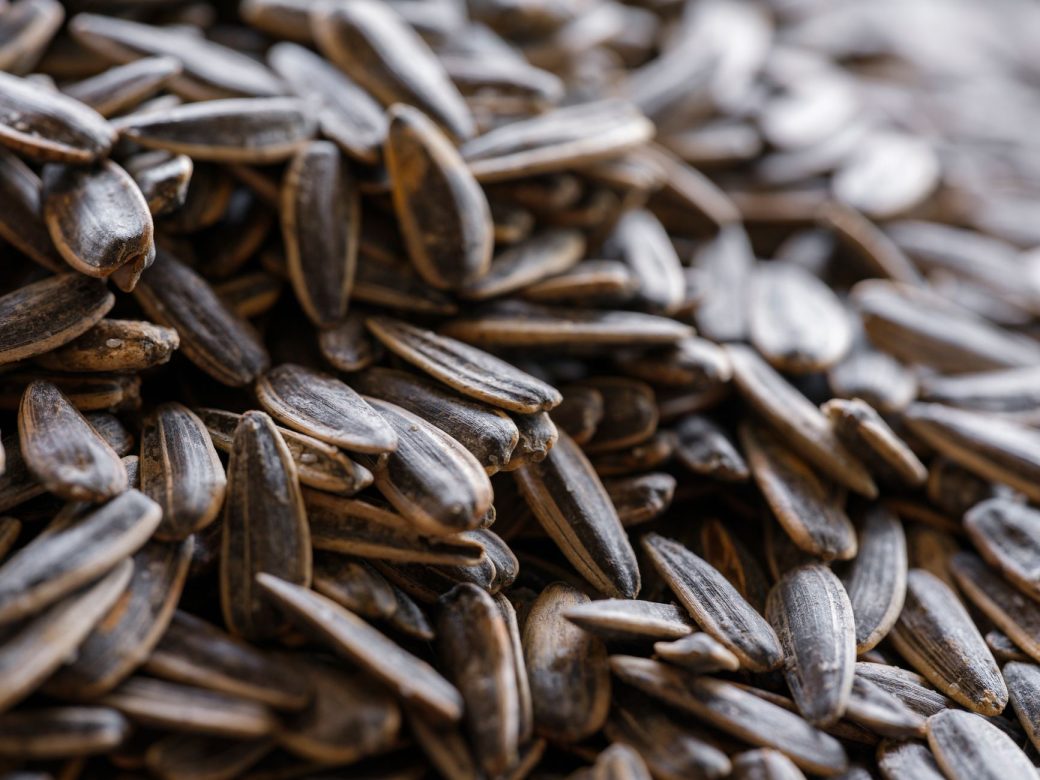
Nuts and seeds are among the most concentrated magnesium sources, and a small handful goes a long way. They are also easy to add to meals and snacks without any cooking.
| Food | Portion | Approx. magnesium |
|---|---|---|
| Pumpkin seeds | 30g | about 150mg |
| Almonds | 30g | about 80mg |
| Cooked spinach | 1 cup | about 155mg |
| Cooked black beans | 1 cup | about 120mg |
| Dark chocolate (70%) | 30g | about 65mg |
| Cooked brown rice | 1 cup | about 85mg |
| Avocado | 1 medium | about 58mg |
Values are approximate and vary by variety and brand. A daily tablespoon of pumpkin seeds is one of the simplest ways to raise your intake.
Leafy greens and vegetables
Dark leafy greens carry magnesium as part of their chlorophyll, so the greener the better. Cooking greens like spinach concentrates the portion, meaning you eat more per serving.
- Spinach and Swiss chard: among the richest vegetable sources, especially when cooked down.
- Broccoli and edamame: useful contributors that also add protein and fibre.
- Potato with skin: a modest but reliable everyday source.
These same foods support heart and blood pressure health, overlapping with our potassium rich foods list, since the two minerals often travel together. A practical tip is that raw spinach shrinks dramatically when cooked, so a large handful of raw leaves reduces to a compact, magnesium-rich portion. Adding greens to omelettes, curries, pasta sauces and smoothies is an easy way to eat more without it feeling like a chore.
Wholegrains and legumes
Refining grains strips away much of their magnesium, which is a big reason wholegrains matter here. Legumes add magnesium alongside protein and fibre, making them excellent all-rounders.
- Wholegrains: brown rice, oats, wholewheat bread and quinoa beat their refined versions by a wide margin.
- Legumes: black beans, kidney beans, chickpeas and lentils each add a meaningful amount per serving.
- Simple swap: switching white rice and bread for wholegrain versions lifts magnesium and fibre together.
For more on this swap, our high fibre foods guide covers the same wholegrains and legumes from a fibre angle. It is worth knowing that soaking, sprouting or simply cooking legumes and grains can improve how well your body absorbs the minerals they contain, since it reduces some of the natural compounds that bind them. In practice you do not need to fuss over this: eating these foods regularly matters far more than any single preparation trick.
Should you take a supplement
Most people can meet their magnesium needs through food, and that is the approach bodies such as the NIH Office of Dietary Supplements recommend first. Supplements have a place for certain individuals, for example those with specific medical conditions or diagnosed low levels, but they are not a routine necessity and very high doses can cause digestive upset.
- Food first: whole foods bring magnesium alongside fibre, potassium and protein.
- If you supplement: choose a sensible dose and a well-formulated product, ideally third-party tested for quality.
- Check interactions: magnesium can interact with some medicines, so ask your doctor if you take regular medication.
If you and your clinician decide a supplement is appropriate, a modest magnesium supplement from a reputable, tested brand is a reasonable option, though it is not a substitute for a varied diet or a fix for tiredness on its own.
Some links are affiliate links and we may earn a small commission at no extra cost to you. We only suggest product types we would genuinely consider.
Easy ways to eat more magnesium
Small, repeatable habits add up faster than a single magnesium-heavy meal. These slot into food you already eat.
- Top your breakfast: stir pumpkin seeds or almonds into porridge or yoghurt.
- Upgrade your grains: choose wholegrain bread, brown rice and oats over refined versions.
- Add beans: stir black beans or lentils into soups, salads and stews.
- Snack smart: a square of dark chocolate with a few nuts is a genuinely useful magnesium snack.
Because the richest sources cluster in a few food groups, variety is your best insurance. Rotating different nuts and seeds, mixing up your greens, and choosing wholegrain versions of everyday staples means you rarely have to think about magnesium as a separate task. It simply comes along for the ride with an already balanced diet. The NHS and Harvard Nutrition Source both reinforce a food-first approach for magnesium and minerals generally.
Note: This article is general information, not medical or personalised dietary advice. For guidance tailored to you, speak with a registered dietitian or your doctor.
Sources and further reading:
- NIH Office of Dietary Supplements for the magnesium fact sheet and requirements.
- NHS for vitamins and minerals guidance.
- Harvard Nutrition Source for magnesium food sources and health.
Have a question or a topic to suggest?
We read every message. Tell us what you would like to see next on the blog.
Get in touchYou may also like

Potassium Rich Foods: Dietitian-Approved List With Portions
Potassium quietly supports your heart and blood pressure, yet most of us fall short. A dietitian lists the richest foods by type, with portions and cooking tips.

High Fiber Foods: Dietitian-Approved List With Portions
Most people eat too little fiber. This dietitian-approved list groups high fiber foods by type, gives realistic portions, and shows easy swaps to reach your daily target comfortably.
Essential Nutrients: The Complete Evidence-Based Guide
Your body cannot make everything it needs, so some nutrients must come from food. This guide explains the main categories of essential nutrients, what each does, where to find them, and how to cover your bases without chasing perfection.