Nutrition Basics · Diet & Nutrition (General)
Potassium Rich Foods: Dietitian-Approved List With Portions
Why potassium matters, how much you need, the richest food sources grouped by type with portions, and cooking tips to keep more of it on the plate.
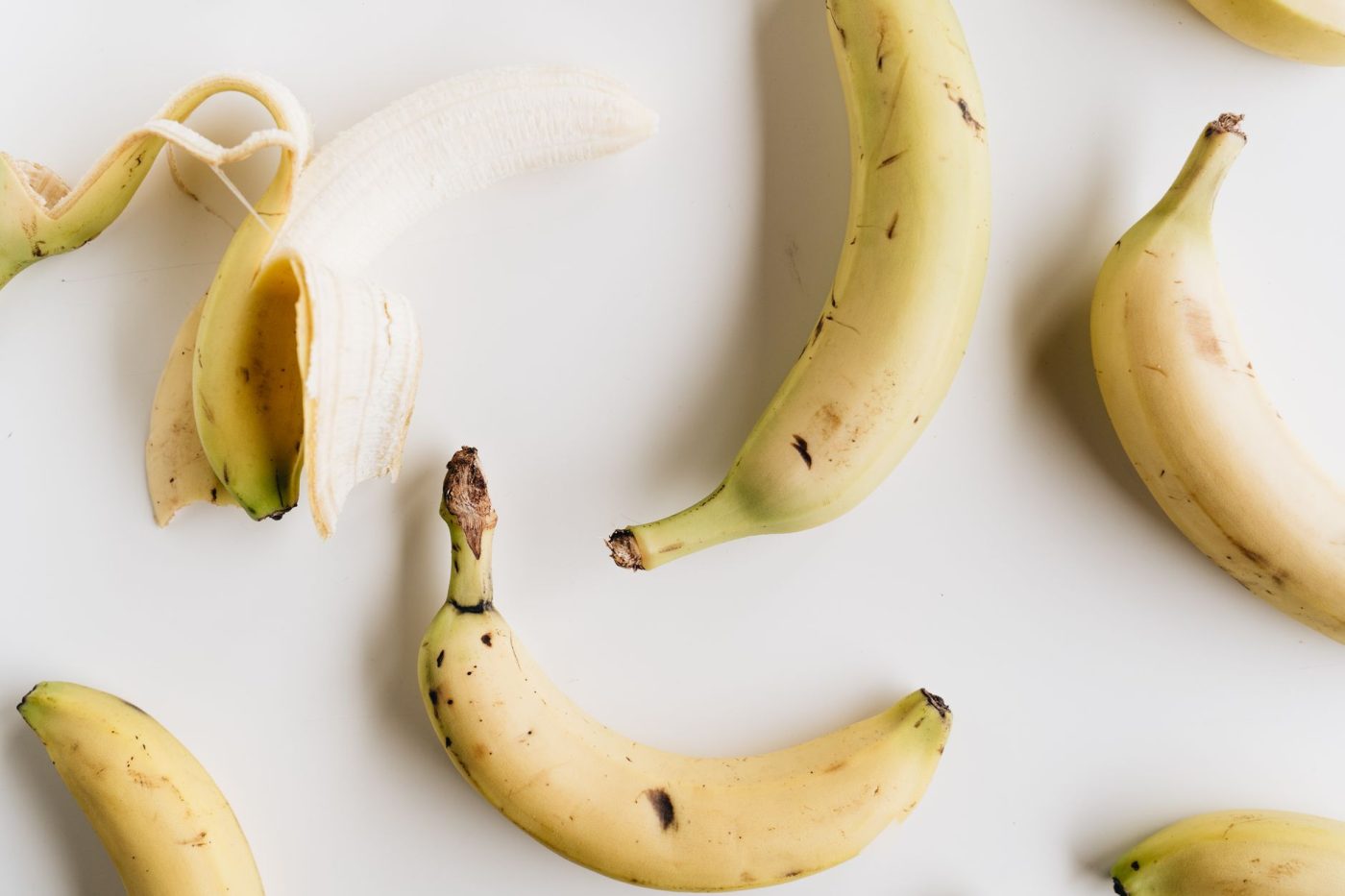
Potassium rarely gets the attention of protein or iron, yet it quietly runs some of the body's most important background jobs, from steadying your heartbeat to balancing the effects of salt on blood pressure. Most people eat less than recommended, largely because it lives in the vegetables, fruit and beans many of us skimp on. This dietitian-approved list groups potassium rich foods by type, gives realistic portions, and shows how to fit more in without any supplements or fuss.
What potassium does
Potassium is an essential mineral and electrolyte. It works in partnership with sodium to control fluid balance, nerve signals and muscle contractions, including the steady beating of your heart. Getting enough is linked with healthier blood pressure, which is why it features so heavily in heart-focused eating patterns.
Because potassium and sodium act as a kind of counterweight, eating more potassium-rich whole foods while cutting back on salt is a well-supported way to support blood pressure. The World Health Organization specifically recommends increasing potassium from food for this reason. For the wider mineral picture, our guide to essential nutrients shows where potassium sits among the others.
How much potassium you need
Adult targets vary by country, but most guidance lands in the region of roughly 3,500 to 4,700mg a day for healthy adults. Many people fall short simply because they eat too few vegetables, fruit and pulses, which are the main dietary sources.
- Most adults: aim to reach the target through a varied diet rather than pills, which is both safer and more nutritious.
- Very active people: potassium is lost in sweat, so hard-training individuals benefit from potassium-rich meals.
- People with kidney conditions: some need to limit potassium, which is why the medical caveat later in this article matters.
The NHS notes that a balanced diet should provide all the potassium most people need, so food really is the first and best strategy.
Best potassium rich foods with portions
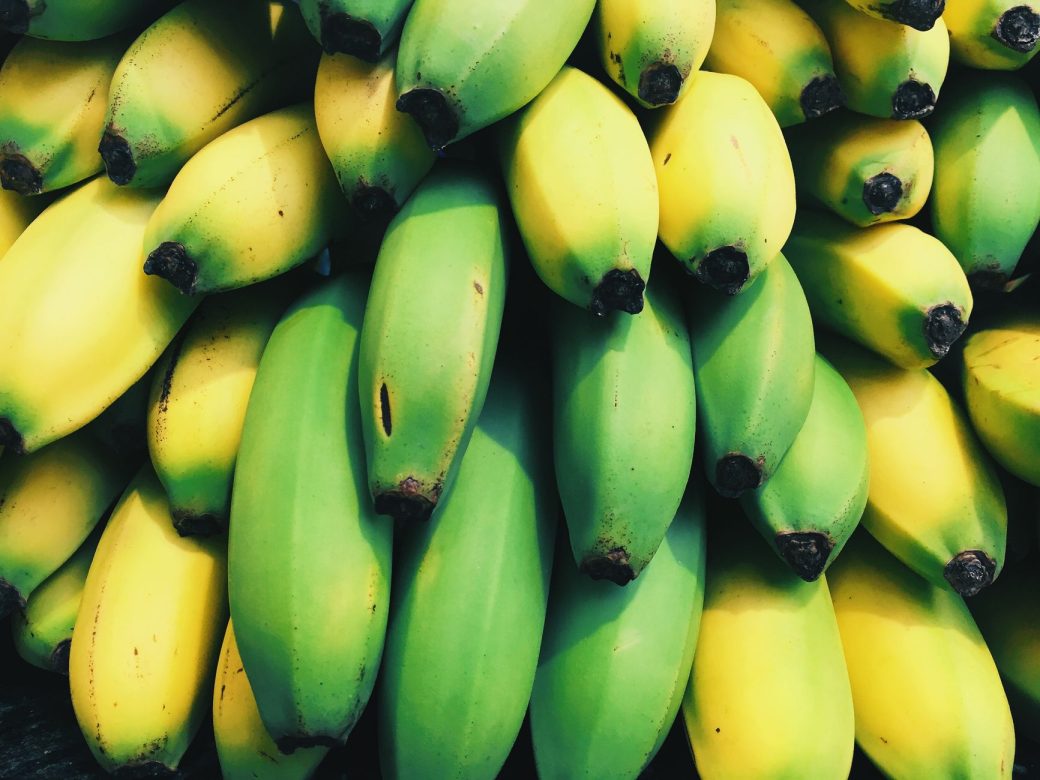
Potassium is spread widely across plant foods, dairy and fish, so there are plenty of ways to top up. Bananas get the fame, but many everyday foods beat them.
| Food | Portion | Approx. potassium | Type |
|---|---|---|---|
| Baked potato with skin | 1 medium | about 900mg | Vegetable |
| White beans | 1 cup cooked | about 1,000mg | Legume |
| Spinach | 1 cup cooked | about 800mg | Vegetable |
| Banana | 1 medium | about 420mg | Fruit |
| Sweet potato | 1 medium | about 540mg | Vegetable |
| Plain yoghurt | Small pot (150g) | about 380mg | Dairy |
| Salmon | Palm-sized (120g) | about 400mg | Fish |
| Avocado | Half | about 480mg | Fruit |
Notice how a baked potato or a cup of beans easily outdoes a banana. Spreading these across the day makes the daily target very achievable from food alone.
Vegetables and legumes
Vegetables and pulses are the backbone of a high-potassium diet, and they bring fibre and other minerals along for the ride. Building meals around them does most of the work for you.
- Potatoes and sweet potatoes: especially with the skin on, where much of the potassium and fibre sits.
- Beans and lentils: white beans, kidney beans and lentils are among the richest sources per portion.
- Leafy and other greens: spinach, chard, broccoli and Brussels sprouts all contribute.
These foods overlap heavily with our lists of heart healthy foods and high fiber foods, so eating for potassium tends to upgrade your diet in several directions at once.
Fruit, dairy and fish
Beyond vegetables, several other foods make useful contributions and add variety so you are not relying on one group.
- Fruit: bananas, oranges, dried apricots, avocado and melon all provide meaningful amounts.
- Dairy and alternatives: milk and yoghurt add potassium alongside protein and calcium.
- Fish: salmon and other fish contribute potassium with the bonus of protein and, in oily fish, omega-3 fats.
If you are building meals around these, our good foods list and foods good for heart guide pull them together into practical plates.
Tip: Keep the skins on potatoes and sweet potatoes when you can. A large share of the potassium and fibre sits just under the skin, so peeling throws away some of the best part.
Cooking tips to keep potassium in
Potassium is water-soluble, which means some of it leaches into cooking water when you boil vegetables. A few simple habits help you keep more of it on the plate.
- Steam, roast or bake: these methods retain more potassium than boiling in lots of water.
- Use the cooking liquid: if you do boil, turn the liquid into soups or sauces to recover what leached out.
- Eat a mix raw and cooked: raw fruit and salads deliver potassium with no cooking losses at all.
A basic stainless steel steamer basket makes steaming vegetables effortless and helps preserve their minerals. For those meal-prepping potassium-rich sides in advance, our meal prep dishes guide has practical routines.
Some links are affiliate links and we may earn a small commission at no extra cost to you. We only suggest product types we would genuinely consider.
Who should be cautious with potassium
For most healthy people, getting more potassium from food is beneficial and hard to overdo, because the kidneys clear any excess. However, this is not true for everyone, and this is where individual advice matters.
People with chronic kidney disease, or those taking certain blood pressure or heart medications, may need to limit potassium, because their bodies cannot clear it efficiently. In that situation, high-potassium foods can become a genuine risk. The Academy of Nutrition and Dietetics stresses that potassium needs are highly individual for these groups. Never start potassium supplements without medical advice, and if you have a kidney condition, follow your clinician's guidance rather than a general list like this one.
Note: This article is general information, not medical or personalised dietary advice. For guidance tailored to you, speak with a registered dietitian or your doctor.
Sources and further reading:
- NHS for potassium requirements and dietary sources.
- World Health Organization for guidance on potassium intake and blood pressure.
- Harvard Nutrition Source for a food-first look at potassium.
Have a question or a topic to suggest?
We read every message. Tell us what you would like to see next on the blog.
Get in touchYou may also like

Food Good for Heart: Dietitian-Approved List With Portions
Heart-friendly eating is a pattern, not one miracle food. A dietitian groups the best foods for your heart by type, with portions and practical swaps.
Heart Healthy Foods: Dietitian-Approved List With Portions
No single food protects your heart, but the right everyday pattern does. This dietitian-approved list groups heart healthy foods by type, with realistic portions and swaps that add up to protective eating.
Essential Nutrients: The Complete Evidence-Based Guide
Your body cannot make everything it needs, so some nutrients must come from food. This guide explains the main categories of essential nutrients, what each does, where to find them, and how to cover your bases without chasing perfection.