Detox & Cleanses · Popular Diets
Juice Cleanse: The Complete Evidence-Based Guide
The drinks can be nutritious, but the detox premise does not hold up. Here is what a juice cleanse really does, and a smarter alternative.
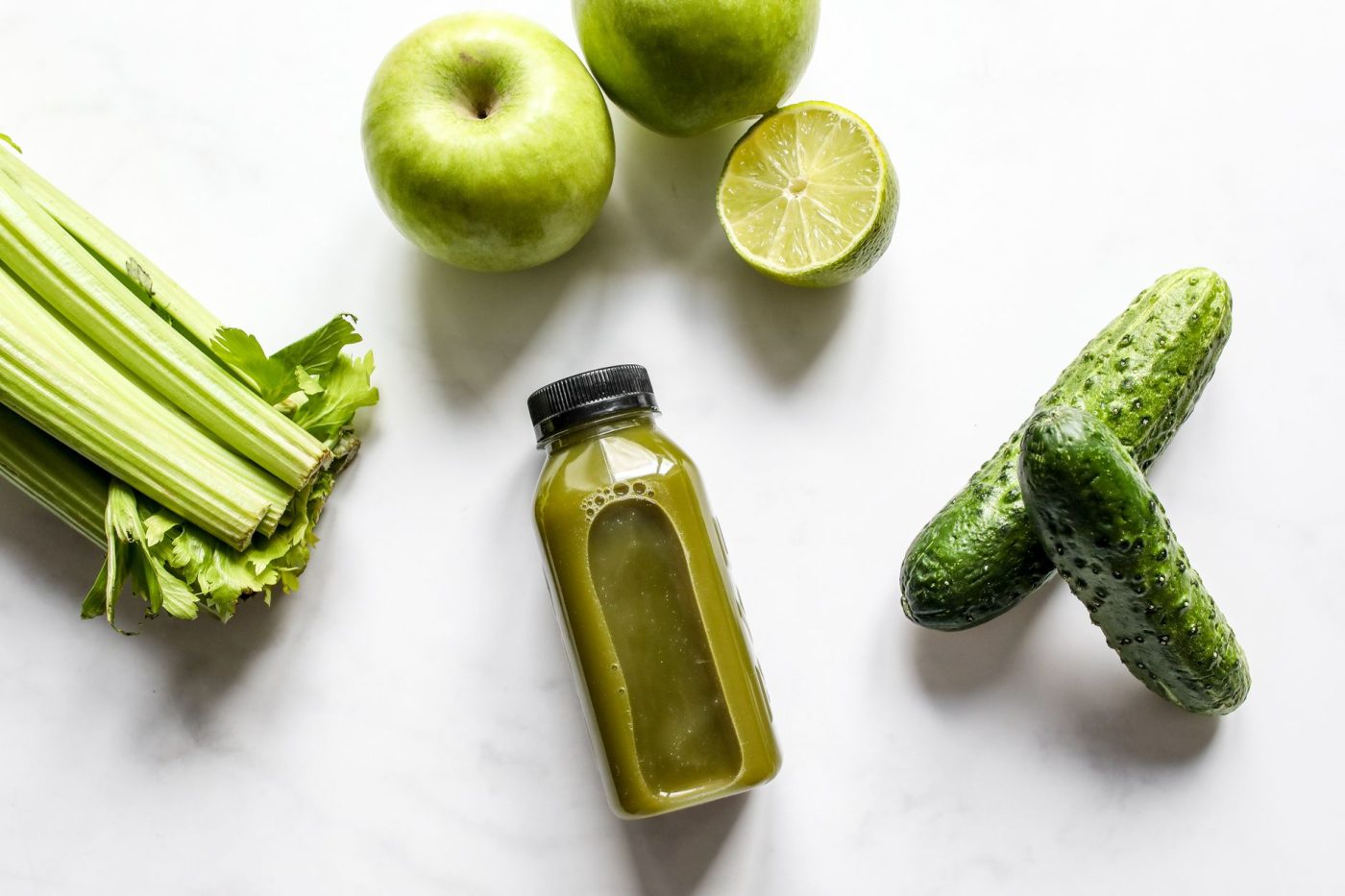
A juice cleanse promises a fresh start: a few days of nothing but fruit and vegetable juices to "flush out toxins" and reset your body. The drinks can be genuinely nutritious, but the bigger claims behind cleansing do not hold up to scrutiny. This guide explains what a juice cleanse involves, what the evidence actually shows, the real risks, and how to get the good parts without the marketing myths.
What a juice cleanse is
A juice cleanse, sometimes called a juice fast or detox, means consuming only fruit and vegetable juices for a set period, usually one to five days. Solid food is removed entirely. Programmes range from home-made juices to expensive pre-bottled sets delivered to your door, often with names promising detoxification, weight loss or renewed energy.
The underlying idea is that giving your digestive system a "rest" and flooding it with nutrients clears out accumulated toxins. It sits within the wider family of detox diets, and shares much of the same reasoning and the same core problem: the premise is not supported by how the body actually works.
The detox myth, examined honestly
The central claim of any cleanse is that it removes toxins. In reality, your body already has a highly effective, always-on detoxification system: the liver, kidneys, lungs, skin and gut work continuously to process and remove waste. A juice does not switch this system on or make it work better, and healthy organs do not need a drink to do their job.
Reputable bodies are consistent on this. The NHS notes that there is no good evidence that detox diets rid the body of toxins, and the British Dietetic Association has repeatedly described detox as a marketing myth rather than a physiological reality. If a product cannot name the specific toxin it removes or how it measures the result, that is a strong signal to be sceptical. For the wider science of how food supports health, see our nutrition guide.
What the research shows
Controlled research on juice cleanses is limited, and what exists does not support the dramatic claims. Any weight lost over a few days is mostly water and stored carbohydrate, not meaningful fat loss, and it returns quickly once normal eating resumes. There is no reliable evidence that cleansing improves long-term health, boosts metabolism or clears toxins.
The feeling of being "lighter" or more energetic that some people report is real but easily explained. Cutting out alcohol, ultra-processed food and heavy meals for a few days, while drinking more fluids, will make many people feel better regardless of the juice itself. That effect comes from what you removed, not from any special power of the juice.
It also helps to understand what "toxins" usually refers to in this marketing. Genuine toxins, such as heavy metals or certain drugs, require medical treatment, not juice. The vague, unnamed toxins cleanse products promise to remove are never actually specified or measured, which is the clearest sign the claim is rhetorical rather than scientific. If a product cannot tell you what it removes, how much, or how it proved this, the honest interpretation is that it removes nothing your body was not already handling on its own.
The genuine upsides
It is only fair to note where a short juice phase can do some good, as long as expectations stay realistic.
- More produce: people who rarely eat vegetables may briefly increase their intake of vitamins and plant compounds.
- Hydration: a heavy fluid intake can help people who habitually under-drink.
- A mental reset: some use it as a psychological pause to break a run of poor eating habits.
- Awareness: a few days of attention to what you consume can spark better routines afterward.
Every one of these can be achieved by simply eating more whole vegetables and fruit. Our list of heart healthy foods and high fibre foods covers the produce that delivers the same nutrients with none of the downsides.
Risks and drawbacks
The concerns grow the longer a cleanse lasts and the more of your diet it replaces.
- Very low protein and fat: juice provides little of either, so extended cleanses can break down muscle and leave you hungry.
- Lost fibre: juicing strips out much of the fibre found in whole fruit and vegetables, so you lose a key benefit.
- Blood sugar spikes: fruit juice is concentrated sugar without the fibre to slow it, which can cause energy swings.
- Fatigue and irritability: a sharp drop in calories often brings tiredness, headaches and poor concentration.
- Cost: branded cleanse packages are frequently expensive for what amounts to a few bottles of juice.
Tip: If you enjoy juices, keep them as an addition to meals rather than a replacement, and favour blended smoothies that retain the whole fruit and vegetable. That keeps the fibre and slows the sugar release.
Juice cleanse versus a balanced reset
A short comparison makes the trade-off clear.
| Factor | Juice cleanse | Whole-food reset |
|---|---|---|
| Fibre | Largely removed | Retained |
| Protein | Very low | Adequate |
| Fullness | Poor | Good |
| Blood sugar | Spikes likely | Steadier |
| Sustainability | A few days at most | Long term |
If your real aim is to lose weight or eat better, a sustainable approach beats a short cleanse every time. Our healthy weight loss guide and weight loss program guide lay out methods that actually last.
A better approach
If you want the appeal of a cleanse without the drawbacks, treat it as a nudge toward better habits rather than a fast. Add a daily vegetable-heavy smoothie, drink more water, cut back on alcohol and ultra-processed food, and build meals around plants and lean protein. A basic personal blender for smoothies makes it easy to keep the whole fruit and vegetable, fibre included.
Some links are affiliate links and we may earn a small commission at no extra cost to you. We only suggest product types we would genuinely consider.
That gentle, food-first version gives you the fresh-start feeling and the extra produce while keeping fibre, protein and steady energy, which is exactly what the Harvard Nutrition Source recommends for lasting health.
It also helps to reframe what a "reset" really is. The changes that make people feel better during a cleanse, more vegetables, less alcohol, fewer late heavy meals and better hydration, are not special to juicing at all. You can keep every one of them permanently while still eating normal food. Rather than three intense days followed by a return to old habits, aim for a modest version you can hold indefinitely: a daily vegetable-rich meal, water as your default drink, and treats kept genuinely occasional. That unglamorous, ongoing version delivers far more than any bottled programme, and it costs a fraction of the price.
Who it suits
A one to three day juice phase is unlikely to harm most healthy adults if they return to balanced eating afterward, and some enjoy it as an occasional ritual. It is not a health treatment and should not be repeated often. Certain groups should avoid juice cleanses entirely, including people with diabetes, kidney disease, low body weight, a history of disordered eating, and anyone pregnant or breastfeeding. For any of these situations, individual advice matters more than any cleanse.
It is also worth being honest about the psychology at play. Cleanses often follow a period of feeling that eating has gone off track, and the appeal is as much emotional as physical: a clean slate, a sense of control, a fresh start. That impulse is understandable, but a very restrictive few days can just as easily set up a rebound of overeating once it ends, turning into an all-or-nothing cycle. Lasting change comes from steady, forgiving habits rather than dramatic resets, which is why dietitians tend to steer people away from cleanses and toward small, repeatable improvements they can keep.
Tip: If you notice you reach for a cleanse whenever you feel guilty about eating, that pattern itself is worth attention. A dietitian can help you build a calmer, more consistent relationship with food that removes the urge to "punish and reset".
Note: This article is general information, not medical or personalised dietary advice. For guidance tailored to you, speak with a registered dietitian or your doctor.
Sources and further reading:
- NHS on detox diets and healthy weight loss.
- British Dietetic Association on detox and cleanse myths.
- Harvard Nutrition Source on fruit, vegetables and sustainable eating.
Have a question or a topic to suggest?
We read every message. Tell us what you would like to see next on the blog.
Get in touchYou may also like

Detox Diet: The Complete Evidence-Based Guide
What detox diets claim, how your body actually processes waste, why the evidence does not support cleanses, and the simple habits that work instead.
Best Diet for Healthy Weight Loss: The Complete Evidence-Based Guide
There is no single best diet, but the evidence points to clear traits that healthy weight loss diets share. Compare the popular options and learn how to choose one you can keep.
High Fiber Foods: Dietitian-Approved List With Portions
Most people eat too little fiber. This dietitian-approved list groups high fiber foods by type, gives realistic portions, and shows easy swaps to reach your daily target comfortably.