Popular Diets · Popular Diets
Detox Diet: The Complete Evidence-Based Guide
What detox diets promise, how your body really detoxifies, what the research shows, and the sustainable habits that deliver the real benefits.

Detox diets promise to flush out toxins, reset your system and kick-start weight loss, usually through juices, restrictive menus or special supplements. It is one of the most heavily marketed ideas in nutrition, and also one of the weakest on evidence. This guide explains what detox diets claim, what your body actually does to process waste, what the research shows, and how to get the genuine benefits people are really after without the gimmicks.
What a detox diet is
Detox diet is a loose label covering many different regimens. Some involve drinking only juices for a few days, others cut out entire food groups, and many are sold alongside teas, powders or supplements promising to cleanse the liver or colon. The common thread is a short, restrictive period framed as clearing out accumulated toxins.
The word toxin is rarely defined in these programmes, which is part of the problem. In marketing it is vague and ominous; in medicine it refers to specific substances your body already has systems to handle. That gap between the language and the biology is where most detox claims start to fall apart. For how eating patterns are more usefully judged, see our guide to nutrition.
How your body actually detoxifies
Your body already has a sophisticated, continuous detoxification system, and it does not need a juice cleanse to switch it on. Several organs handle this around the clock.
- The liver: the main processing hub, breaking down and neutralising a wide range of substances.
- The kidneys: filter the blood and remove waste through urine.
- The lungs, gut and skin: each play a role in clearing or excreting by-products.
These systems work whether or not you follow a special diet. What they do benefit from is the basics: staying hydrated, eating enough fibre, not drinking to excess and getting adequate sleep. In other words, the support your body needs is ongoing and unglamorous, not a three-day fix. Our overview of essential nutrients covers what genuinely keeps those systems supplied.

What the evidence shows
The honest summary is that there is very little robust evidence that detox diets remove toxins or deliver lasting health benefits. Reviews of the topic repeatedly find that well-designed studies are scarce, and that many commercial products make claims their ingredients cannot support. Any short-term weight loss usually comes from eating far fewer calories and losing water and stored carbohydrate, not from removing toxins, and it tends to return once normal eating resumes.
This is a recurring pattern with cleanse-style approaches. Our guides to the juice cleanse reach the same conclusion: short-term restriction can produce a temporary drop on the scales, but it is not a meaningful reset. If your underlying goal is fat loss, a sustainable calorie deficit is the approach with actual evidence behind it.
Common claims versus reality
It helps to line up the marketing promises against what actually holds up. The table below summarises the usual claims.
| Claim | Reality |
|---|---|
| Removes toxins from the body | Your liver and kidneys already do this continuously |
| Resets or cleanses the gut | No good evidence; fibre and variety support gut health long term |
| Rapid, lasting weight loss | Mostly water and reduced intake; typically returns afterward |
| Boosts energy and clears skin | Any effect is usually from eating more whole foods, not detoxing |
Tip: If a product promises to remove unnamed toxins or cleanse an organ, treat that as a red flag. Genuine nutrition advice names specific nutrients and specific effects rather than vague cleansing.
Risks worth knowing
Detox diets are often assumed to be harmless because they involve food, but stricter versions carry real downsides.
- Nutrient shortfalls: very restrictive plans can leave you short on protein, fibre and key vitamins and minerals.
- Low energy and hunger: juice-only or very low calorie plans can cause fatigue, headaches and poor concentration.
- Laxative-based teas: some detox teas act as laxatives, which can disrupt fluid balance if overused.
- An unhelpful mindset: framing food as needing to be undone can feed an all-or-nothing relationship with eating.
People with medical conditions, those who are pregnant, and anyone with a history of disordered eating should be especially cautious, since restriction can pose greater risks in these situations.

What actually works instead
The instinct behind a detox, wanting to feel healthier and eat better, is completely reasonable. The good news is that the genuine benefits come from simple, sustainable habits rather than a cleanse.
- Eat more whole plants: vegetables, fruit, wholegrains and legumes for fibre and nutrients.
- Stay hydrated: water supports your kidneys far better than any cleansing product.
- Cut back on ultra-processed foods and alcohol: a bigger lever than any three-day plan.
- Keep it consistent: everyday habits beat short bursts of restriction.
If you want a structured, evidence-based pattern to build on rather than a quick fix, the Mediterranean diet is a well-studied starting point, and boosting your high fibre foods supports digestion far more reliably than a cleanse.
Major health bodies are consistent on this. The NHS notes there is no need for special detox products because the body detoxifies itself, the British Dietetic Association has repeatedly listed detox diets among nutrition myths, and the Harvard Nutrition Source emphasises overall dietary patterns over cleanses.
Note: This article is general information, not medical or personalised dietary advice. For guidance tailored to you, speak with a registered dietitian or your doctor.
Sources and further reading:
- NHS on why the body does not need detox diets.
- British Dietetic Association for evidence-based takes on detox and cleanse myths.
- Harvard Nutrition Source for guidance on healthy eating patterns.
Have a question or a topic to suggest?
We read every message. Tell us what you would like to see next on the blog.
Get in touchYou may also like
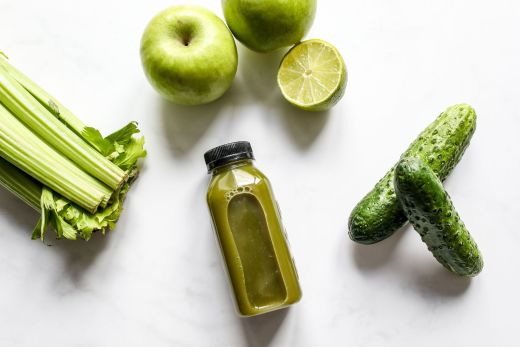
Juice Cleanse: The Complete Evidence-Based Guide
A juice cleanse promises to flush out toxins and reset your body. We explain what it involves, why the science does not back the big claims, and how to get the good parts without the myths.
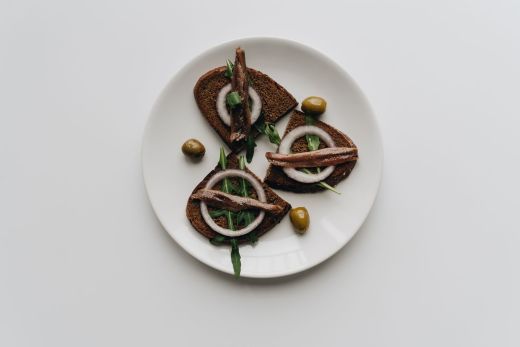
Mediterranean Diet: The Complete Evidence-Based Guide
One of the most studied eating patterns in the world. Learn what the Mediterranean diet is, what the evidence supports, foods to enjoy and limit, and how to start with simple swaps.
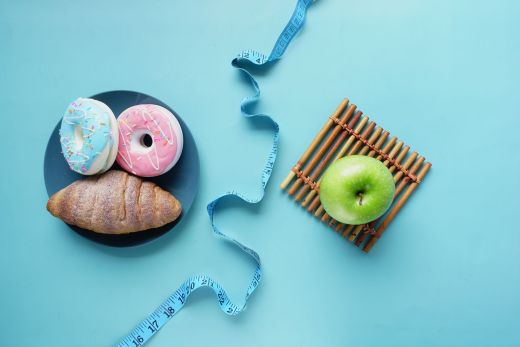
Calorie Deficit: The Complete Evidence-Based Guide
A calorie deficit sits underneath every method of fat loss. Learn what it really is, how to set a modest, sustainable one, what the evidence supports, and the traps that stall progress.