Food Lists With Portions
Low Calorie Snacks: Dietitian-Approved List With Portions
Snacks that fill you up for relatively few calories, with realistic portions, so you can bridge the gap between meals without derailing your goals.
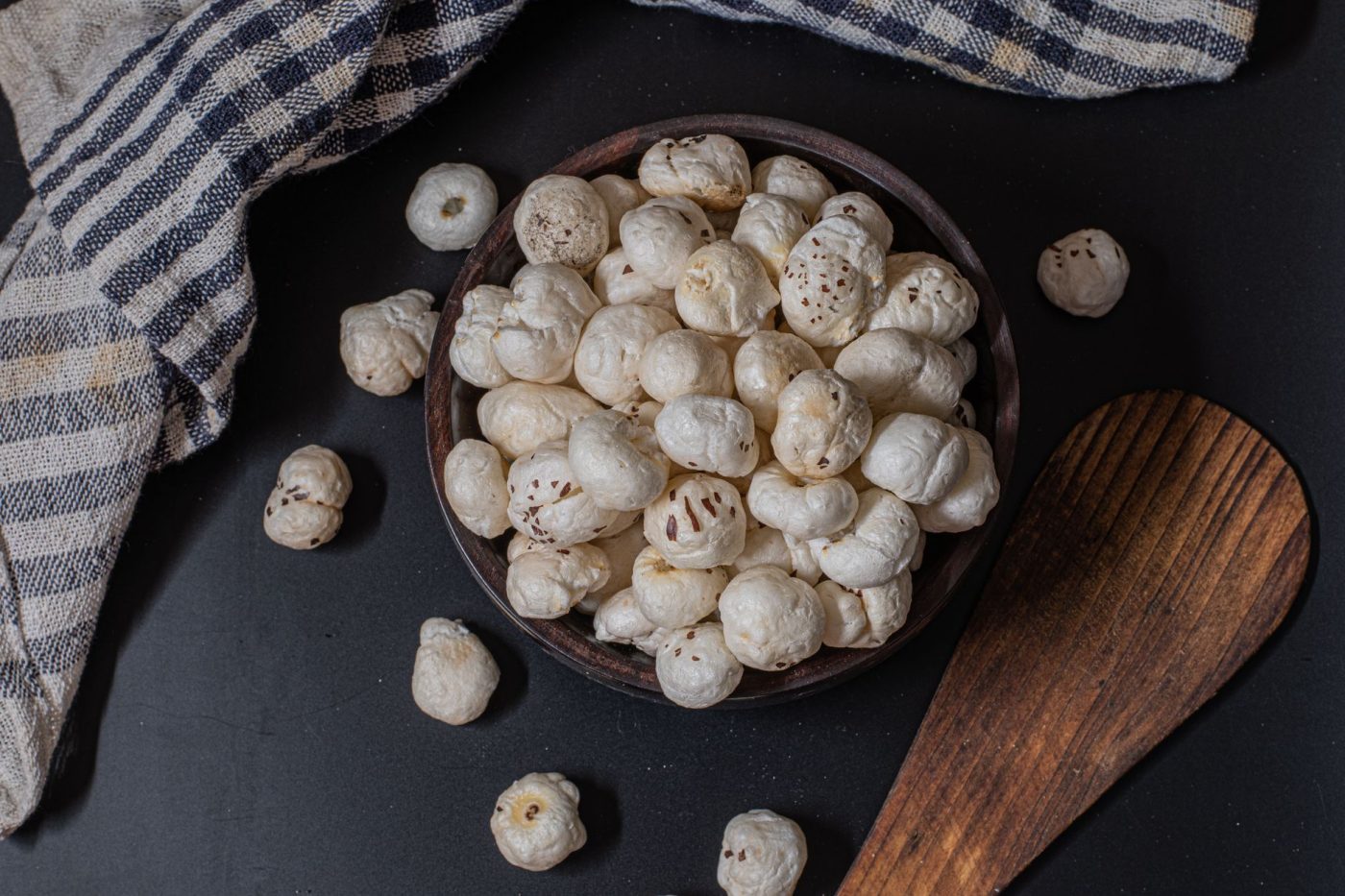
Snacking gets a bad name, but the snack itself is rarely the problem. The issue is reaching for something calorie-dense and easy to overeat when a satisfying, lower-calorie option would have done the job just as well. This dietitian-approved list gathers snacks that fill you up for relatively few calories, with realistic portions, so you can bridge the gap between meals without derailing your goals or feeling deprived.
What makes a good low-calorie snack
A genuinely useful low-calorie snack does more than keep the number low. It combines a modest calorie count with something that helps you feel satisfied, usually protein, fibre, water content or a mix of all three. Those qualities slow digestion and blunt hunger, so a small snack goes a long way. A handful of jelly sweets and a crunchy apple might carry similar calories, but the apple leaves you far more content thanks to its fibre and water, and that difference in fullness is exactly what separates a helpful snack from one that leaves you rummaging for more twenty minutes later.
- Protein: the most filling macronutrient, protein keeps hunger at bay between meals.
- Fibre: adds bulk and slows digestion, so a small portion feels more satisfying.
- Water content: foods like fruit and vegetables add volume for very few calories.
Harvard's Nutrition Source highlights that fibre and protein-rich foods support fullness and healthy weight, which is exactly what you want from a snack that has to earn its place.
Why portion size matters more than the food
Almost any food can be a sensible snack in the right portion, and almost any food can tip into excess in the wrong one. Nuts are a perfect example: nutritious and filling, but calorie-dense enough that a small handful and a large bowl are very different snacks. Knowing the portion is often more important than the food itself. This is liberating rather than restrictive, because it means very few foods need to be off-limits. A square of chocolate, a spoon of peanut butter or a few crackers can all sit comfortably in a balanced day, provided the serving is deliberate rather than open-ended. The trouble starts only when the portion is decided by the size of the packet instead of by you.
This is why the list below pairs each snack with a realistic serving. Measuring by eye takes practice, so early on it helps to portion snacks into a small bowl rather than eating from the packet, where it is all too easy to keep dipping in without registering how much has gone. The environment does a lot of the work here: what you can see and reach is what you tend to eat, so keeping prepared, sensible options at the front of the fridge and calorie-dense treats out of easy reach quietly nudges you towards better choices. The NHS Eat Well guidance stresses portion awareness as a cornerstone of managing calorie intake, and it is often the single habit that makes the biggest difference.
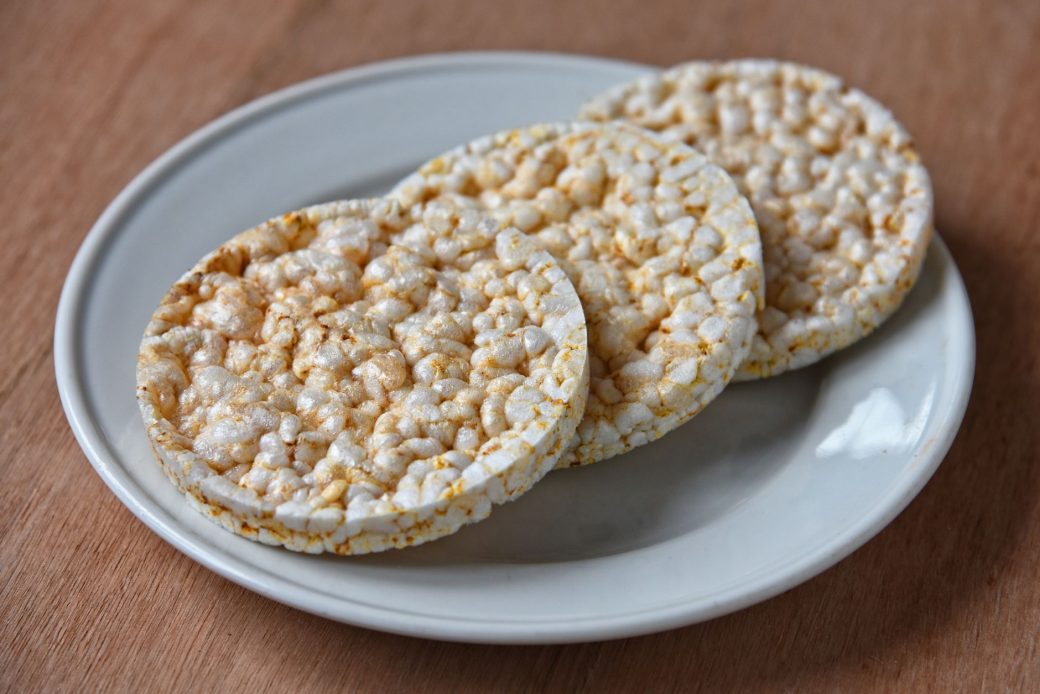
The low-calorie snacks list with portions
Here are dependable snacks with the approximate calories in a sensible serving. Values are rounded and vary by brand and preparation, so use them as a working guide.
| Snack | Typical serving | Approx. calories |
|---|---|---|
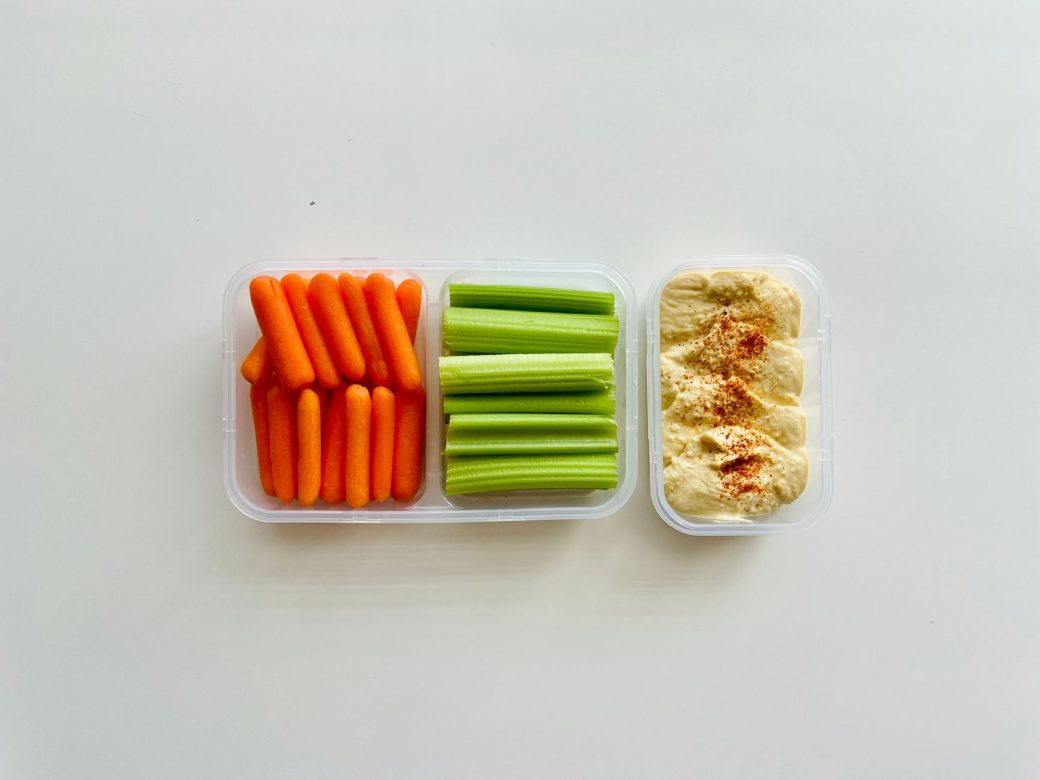
| Carrot and cucumber sticks | 1 cup | 40 kcal |
| Apple | 1 medium | 80 kcal |
| Plain popcorn, air-popped | 3 cups | 90 kcal |
| Low-fat Greek yoghurt | 1 small pot (about 120 g) | 75 kcal |
| Rice cake with a scrape of peanut butter | 1 cake plus 1 tsp | 75 kcal |
| Boiled egg | 1 large | 70 kcal |
| Cherry tomatoes | 1 cup | 30 kcal |
| Berries | 1 cup | 60 kcal |
| Edamame in pods | 1/2 cup | 90 kcal |
| Small handful of almonds | 15 g (about 12 nuts) | 90 kcal |
Tip: Pair a watery, high-volume food with a small hit of protein, such as veg sticks with a spoon of hummus, or berries with yoghurt. You get bulk, staying power and flavour for very few calories.
Best savoury snacks
Savoury cravings are easy to satisfy without reaching for crisps. These options deliver crunch, salt or umami with a fraction of the calories, and most take only a minute or two to prepare. A little seasoning goes a long way here, since a sprinkle of paprika, a squeeze of lemon or a light dusting of nutritional yeast can make a simple snack feel far more indulgent than its calorie count suggests.
- Vegetable sticks with dip: carrot, cucumber, pepper and celery with a spoon of hummus or salsa.
- Air-popped popcorn: a large, satisfying volume for very few calories when made without oil or butter.
- Boiled eggs: portable, protein-rich and genuinely filling.
- Edamame or roasted chickpeas: a warm, savoury snack with protein and fibre.
For more protein-forward ideas, our high protein snacks list and healthy snacks guide are worth a look.
Best sweet snacks
A sweet tooth does not have to mean high calories. Naturally sweet, high-volume foods scratch the itch while keeping the number modest, and because they come with fibre and water they satisfy in a way that a small, concentrated sweet rarely does.
- Fresh fruit: apples, berries, oranges and melon are sweet, filling and full of fibre and water.
- Greek yoghurt with berries: creamy, protein-rich and naturally sweet without added sugar.
- Frozen grapes or banana slices: a chilled, dessert-like treat for the calories of the fruit alone.
- A square of dark chocolate: intense flavour that satisfies in a small portion.
These fit neatly into a wider plan for managing intake, which our low calorie foods list and calorie deficit guide explore in detail.
Handy snack tools and staples
You do not need special products to snack well, but a few staples and tools make lower-calorie choices the easy default.
Some links are affiliate links and we may earn a small commission at no extra cost to you. We only suggest product types we would genuinely consider.
- Popcorn kernels: a bag of plain popcorn kernels lets you air-pop a big, low-calorie snack for pennies.
- Portion containers: a set of small snack containers makes pre-portioning quick and removes the temptation to eat from the packet.
- Rice cakes: a pack of plain rice cakes gives a light, crunchy base for savoury or sweet toppings.
Choose plain, unsalted or lightly seasoned versions where possible, and keep prepared snacks visible and ready so the convenient choice is also the sensible one.
Snacking with a plan
The most effective habit is deciding your snacks in advance rather than grazing on whatever is nearest when hunger strikes. Keep a couple of go-to options prepped, drink water when you feel peckish since thirst can masquerade as hunger, and treat snacks as small, purposeful bridges between meals rather than mindless refuelling. The British Dietetic Association offers practical, evidence-based food facts to support these everyday choices.
Done this way, snacking becomes a helpful tool for steady energy and appetite control rather than a hidden source of extra calories, and you never have to feel like you are going without.
Snacks that hide more calories than you think
Some snacks wear a healthy halo while quietly carrying a lot of calories. They are not foods to fear, but they are easy to overeat, so portion awareness matters even more with these than with the options above.
The common thread is calorie density combined with low fullness: foods that are easy to eat quickly and do not fill you up in proportion to their energy. Being aware of them means you can still enjoy them, just in a measured portion rather than straight from the bag.
- Dried fruit: nutritious but concentrated, so a small handful carries far more calories and sugar than the fresh version.
- Granola and cereal bars: often marketed as healthy yet frequently high in sugar and calorie-dense.
- Nuts by the bowlful: genuinely good for you, but very easy to eat several hundred calories without noticing.
- Smoothies and juices: drinkable calories that bypass the fullness you would get from eating the whole fruit.
None of these are off-limits. Pre-portion them, pair them with something filling, and treat them as an occasional choice rather than an all-day grazing habit. This mindset keeps snacking aligned with your goals while still leaving room for the foods you enjoy. Our healthy snacks guide offers more balanced everyday options.
Note: This article is general information, not medical or personalised dietary advice. For guidance tailored to you, speak with a registered dietitian or your doctor.
Have a question or a topic to suggest?
We read every message. Tell us what you would like to see next on the blog.
Get in touchYou may also like
Low Calorie Foods: Dietitian-Approved List With Portions
A practical, categorised list of low calorie foods with portions and approximate calories. Learn the energy density principle, the best lean proteins and vegetables, smart swaps and mistakes to avoid.
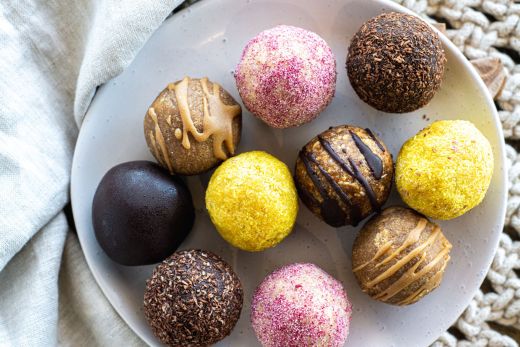
High Protein Snacks: Dietitian-Approved List With Portions
The best high-protein snacks keep you fuller and help you hit your daily target. Here is a categorised list with realistic portions, protein amounts and easy prep ideas.
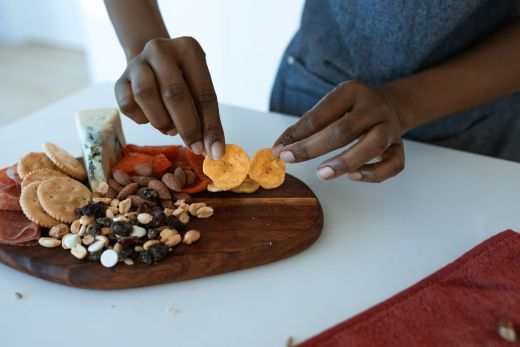
Healthy Snacks: Dietitian-Approved List With Portions
The problem with snacking is rarely the snack, it is the type and portion. This dietitian-approved list groups healthy snacks by what they offer, with realistic portions and easy swaps for the usual suspects.