Snacks & Portions
High Protein Snacks: Dietitian-Approved List With Portions
Dairy, portable, egg and plant options with portions and protein amounts, plus the common mistakes that quietly undo a good choice.
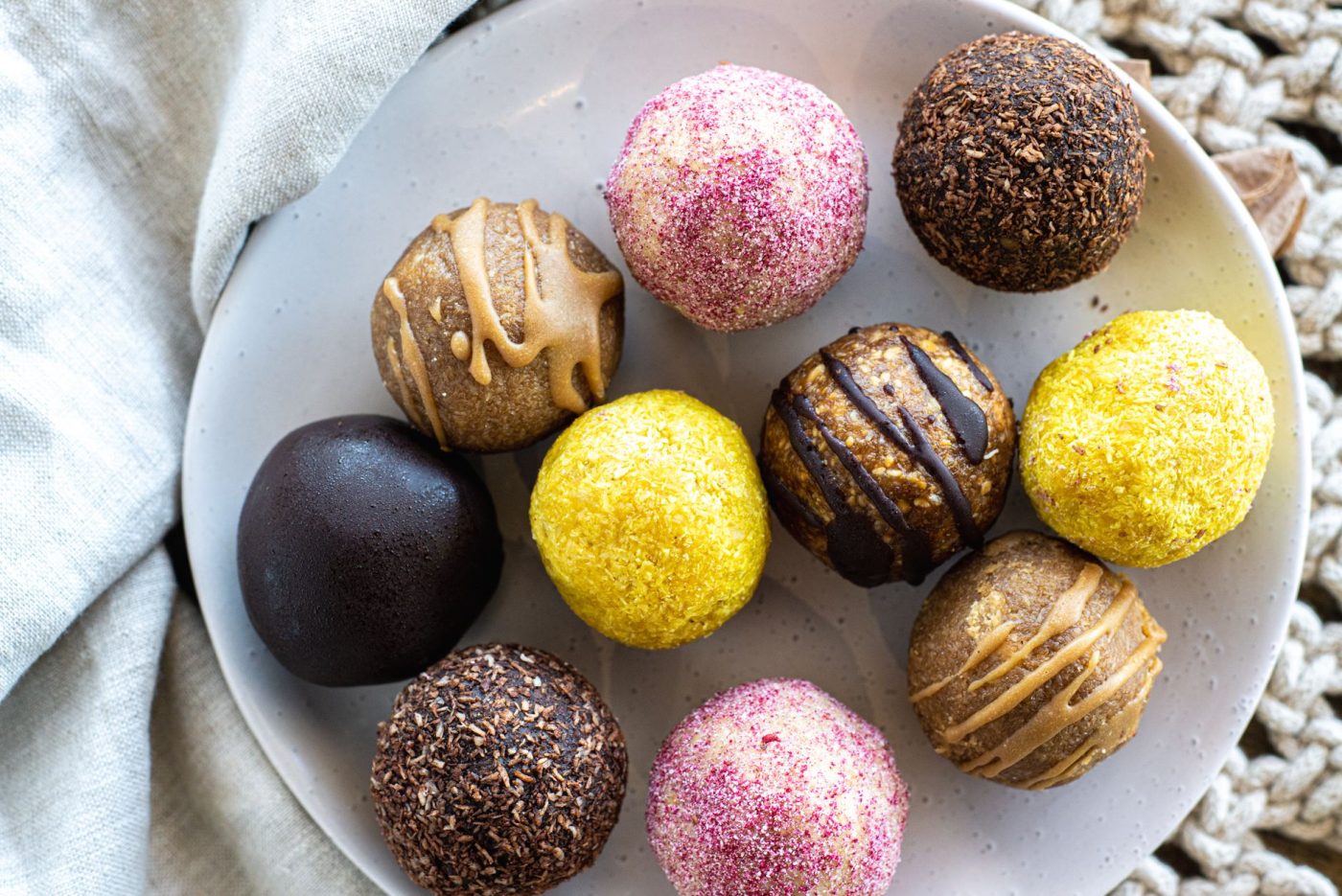
A good high-protein snack does more than fill a gap: it keeps you fuller between meals, steadies your energy and helps you reach your daily protein target without much effort. This dietitian-approved list groups practical options by type, with realistic portions and approximate protein amounts, so you can pick snacks that fit your routine, your budget and your taste.
Why protein snacks help
Protein is the most filling of the three main nutrients, so snacks built around it tend to hold off hunger better than a biscuit or a bag of crisps. That extra fullness can make it easier to avoid mindless grazing and to keep portions sensible at your next meal. Protein also supports muscle maintenance, which matters for everyone but especially as we get older or when training regularly.
Most adults do well spreading protein across the day rather than piling it into one meal. A snack containing roughly 10 to 20 grams of protein is a useful target between meals. For the full picture of how much you need and why, see our protein guide, and for meal-sized ideas our list of high protein foods.
There is a practical reason this spread matters. Your body can only use so much protein for muscle repair at once, and appetite is steadier when protein appears regularly rather than in one big evening hit. Placing a protein snack in the mid-afternoon slump, when many people reach for sugary options, is one of the simplest upgrades you can make to a day of eating. It softens hunger before your evening meal, which in turn makes it easier to eat a sensible portion at dinner rather than arriving ravenous.
Dairy-based snacks
Dairy is one of the easiest and most affordable ways to add protein to a snack, and it needs no cooking. It also brings calcium and, in the case of yoghurt, live cultures that support gut health, so you get more than protein alone from the same portion.
- Greek yoghurt (150g pot): around 15g protein; top with berries or a few nuts for texture.
- Cottage cheese (100g): around 11g protein; spread on oatcakes or eat with tomato and pepper.
- Cheese (30g portion): around 7g protein; pair with an apple or wholegrain crackers.
- A glass of milk (250ml): around 8g protein; a simple option that also adds calcium.
Plain Greek yoghurt is the standout here: high in protein, low in added sugar and endlessly versatile. If you buy flavoured versions, check the label, as added sugar can climb quickly.
Portable snacks for out and about
When you are away from a fridge, these travel well and need no preparation.
- Beef or turkey jerky (30g): around 10 to 15g protein; choose lower-salt versions where possible.
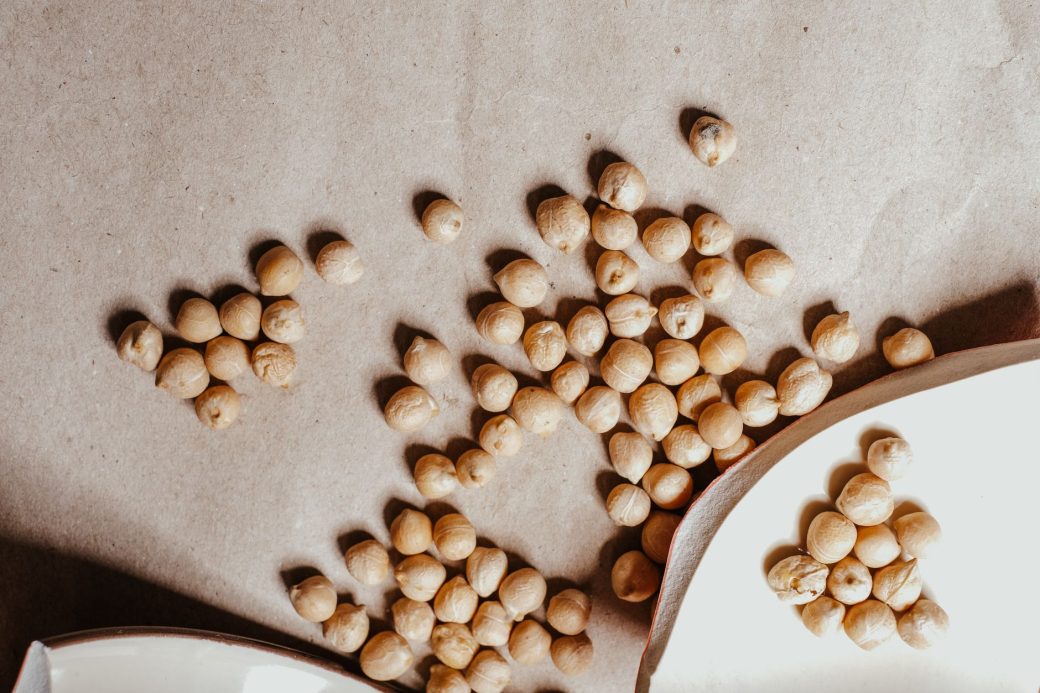
- Roasted edamame or chickpeas (30g): around 6 to 8g protein plus fibre.
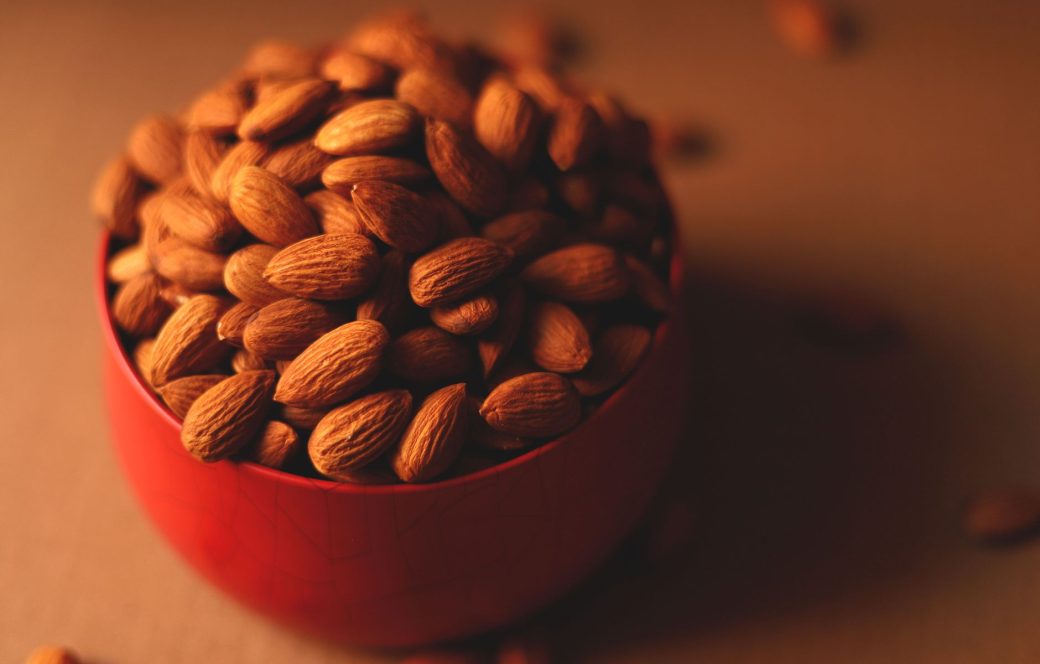
- A small handful of nuts (30g): around 5 to 7g protein; almonds and pistachios are handy choices.
- UHT milk or a ready-to-drink shake: convenient when nothing else is available.
Protein bars fit here too, but quality varies enormously; our guide to protein bars explains how to read the label and avoid glorified sweets.
Egg and plant-based snacks
Eggs and legumes give you excellent protein for little cost, and both suit batch preparation. They also keep well, travel reasonably and pair with almost anything, which makes them a dependable base to build a week of snacks around when the budget is tight.
- Two boiled eggs: around 12g protein; boil a batch at the start of the week.
- Hummus (60g) with vegetable sticks: around 5g protein plus fibre from the chickpeas.
- Edamame (100g, podded): around 11g protein; a complete plant protein.
- Peanut butter (30g) on wholegrain toast: around 7g protein; watch the portion as it is calorie dense.
Plant options are ideal for anyone following a vegetarian diet, and combining sources across the day helps cover all the amino acids you need.
Smart shop-bought choices
Not every high-protein snack has to be homemade. Plenty of convenient buys do the job well, as long as you read the label rather than trusting the front-of-pack claim.
- High-protein yoghurt or skyr pots: around 12 to 20g protein; a reliable grab-and-go option with little added sugar in the plain versions.
- Ready-to-drink protein shakes: around 15 to 30g protein; useful in a hurry, though our protein shakes guide explains when they earn their place.
- Tinned fish (small can): around 15 to 20g protein; tuna, mackerel or sardines on an oatcake take seconds.
- Roasted soya or chickpea snacks: around 8 to 12g protein per pack with a satisfying crunch.
The main trap with packaged protein snacks is treating a high protein figure as a health halo. A bar can be high in protein and still loaded with sugar and calories, so the label is worth a glance. When in doubt, whole foods win on cost and quality, but a well-chosen packaged option beats a chocolate bar every time.
Portion and protein reference
Use this quick reference to mix and match. Figures are approximate and vary by brand and recipe.
| Snack | Portion | Approx. protein |
|---|---|---|
| Greek yoghurt | 150g pot | 15g |
| Boiled eggs | 2 eggs | 12g |
| Cottage cheese | 100g | 11g |
| Edamame | 100g podded | 11g |
| Jerky | 30g | 10 to 15g |
| Mixed nuts | 30g | 5 to 7g |
| Hummus with veg | 60g hummus | 5g |
Tip: Pair a protein with fibre for the most staying power. Greek yoghurt with berries, or hummus with vegetable sticks, keeps you fuller for longer than either one alone.
Snacks for different goals
The best snack depends on what you are trying to do. For weight management, lean toward high-protein, lower-calorie options such as Greek yoghurt, boiled eggs or edamame, which our low calorie snacks list expands on. If you are trying to gain weight or fuel heavy training, calorie-dense choices like nut butters, cheese and trail mix add protein alongside useful energy.
Whatever the goal, a snack is there to bridge genuine hunger, not to replace real meals. If you find yourself snacking constantly, it often points to meals that are too small or too low in protein and fibre in the first place. Our healthy snacks guide covers balanced everyday choices.
Common mistakes and simple prep
A few habits quietly undo the benefit of choosing a protein snack in the first place. Being aware of them makes the good choices easier to stick with.
- Confusing protein with a free pass: a snack can be high in protein and still very high in calories; portion still matters if weight is a goal.
- Grazing instead of eating meals: constant snacking often masks meals that were too small; fixing the meal usually fixes the hunger.
- Relying only on bars and shakes: convenient, but whole foods bring fibre, vitamins and better value that processed options miss.
- Sweetened "protein" treats: protein cookies and puddings can be closer to dessert than snack; the label tells the real story.
Getting the balance right is less about willpower and more about what is within easy reach. If the default option in your bag or fridge is already a sound one, the decision makes itself. That is why a little preparation pays off more than any single "best" snack.
A little preparation makes protein snacking almost automatic. Boil a batch of eggs, portion nuts into small containers, and keep single pots of yoghurt to hand. Reusable reusable snack containers make grab-and-go portions easy and cut down on packaged buys.
Some links are affiliate links and we may earn a small commission at no extra cost to you. We only suggest product types we would genuinely consider.
Keeping the fridge and cupboard stocked with a few reliable options means you reach for protein by default rather than whatever is nearest. The NHS and the Harvard Nutrition Source both encourage snacks built from whole foods over ultra-processed alternatives.
Note: This article is general information, not medical or personalised dietary advice. For guidance tailored to you, speak with a registered dietitian or your doctor.
Sources and further reading:
- NHS on protein, snacks and balanced eating.
- Harvard Nutrition Source on protein sources and snacking.
- Academy of Nutrition and Dietetics on smart snacking.
Have a question or a topic to suggest?
We read every message. Tell us what you would like to see next on the blog.
Get in touchYou may also like
High Protein Foods: Dietitian-Approved List With Portions
Beyond chicken and eggs, protein hides across every food group. This dietitian-approved list gives the best high-protein foods with realistic portions and approximate grams.
Healthy Snacks: Dietitian-Approved List With Portions
The problem with snacking is rarely the snack, it is the type and portion. This dietitian-approved list groups healthy snacks by what they offer, with realistic portions and easy swaps for the usual suspects.
Protein: The Complete Evidence-Based Guide
How much protein do you actually need, and where should it come from? This evidence-based guide covers protein sources, timing, weight management and cutting through powder marketing.