Food List
Low Calorie Foods: Dietitian-Approved List With Portions
Eat generous, filling meals while keeping calories in check, using the energy density principle and a categorised list with real portions.
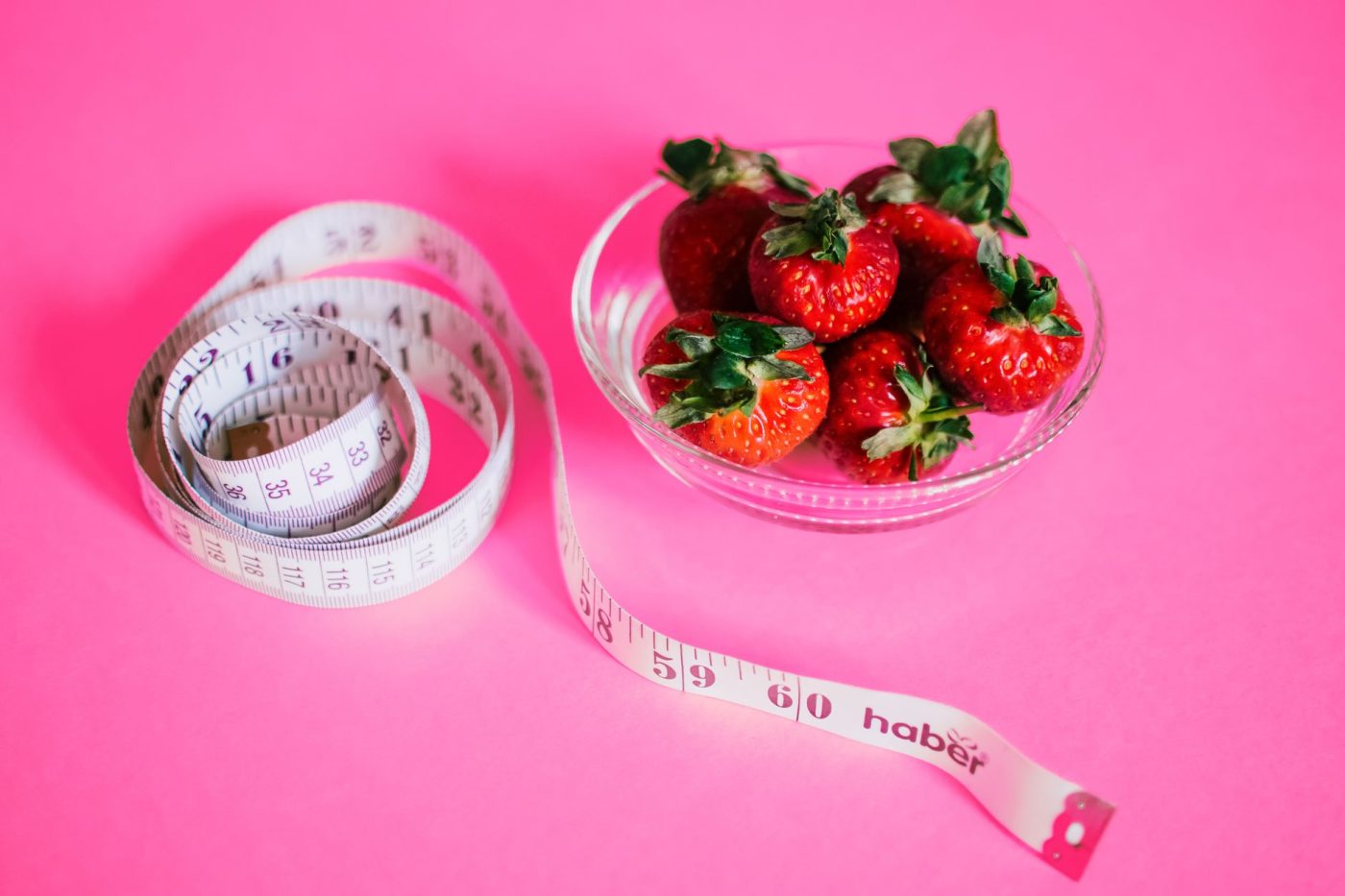
Low calorie foods are the quiet workhorses of any healthy, satisfying diet. Used well, they let you eat generous, filling meals while keeping energy intake in check, which is exactly what most people want when managing weight. This is a practical, dietitian-approved list organised by category, with realistic portions and approximate calories, plus the concept that matters most: energy density, or how many calories a food packs into each mouthful.
What actually makes a food low calorie
The single most useful idea for eating well without hunger is energy density. This is simply how many calories a food contains per gram. Foods high in water and fibre, such as vegetables, fruit and broth-based soups, have a low energy density: they fill your stomach and your plate for very few calories. Foods high in fat and sugar and low in water, such as oils, biscuits and crisps, have a high energy density and add up fast.
The practical upshot is that you can eat a large, satisfying volume of food and still keep calories moderate, as long as low energy density foods form the base of your meals. This is far more sustainable than tiny portions of rich food, because volume is a major driver of feeling full. The NHS healthy weight guidance reflects this by building its advice around plenty of vegetables, fruit and fibre-rich staples.
- High water content: vegetables, fruit and broths add volume and weight with almost no calories.
- High fibre: slows digestion and boosts fullness, so you eat less overall without trying.
- Adequate protein: the most satiating nutrient, which is why lean protein belongs on a low calorie list.
Low calorie vegetables
Non-starchy vegetables are the champions of low calorie eating. They are so light in calories that, for practical purposes, you can eat them freely, and they bring fibre, vitamins, minerals and volume to every meal. Building half your plate from these is the simplest weight-friendly habit there is.
- Leafy greens: spinach, lettuce, rocket and kale are almost negligible in calories per handful.
- Cruciferous vegetables: broccoli, cauliflower and cabbage are filling and fibre-rich for very little energy.
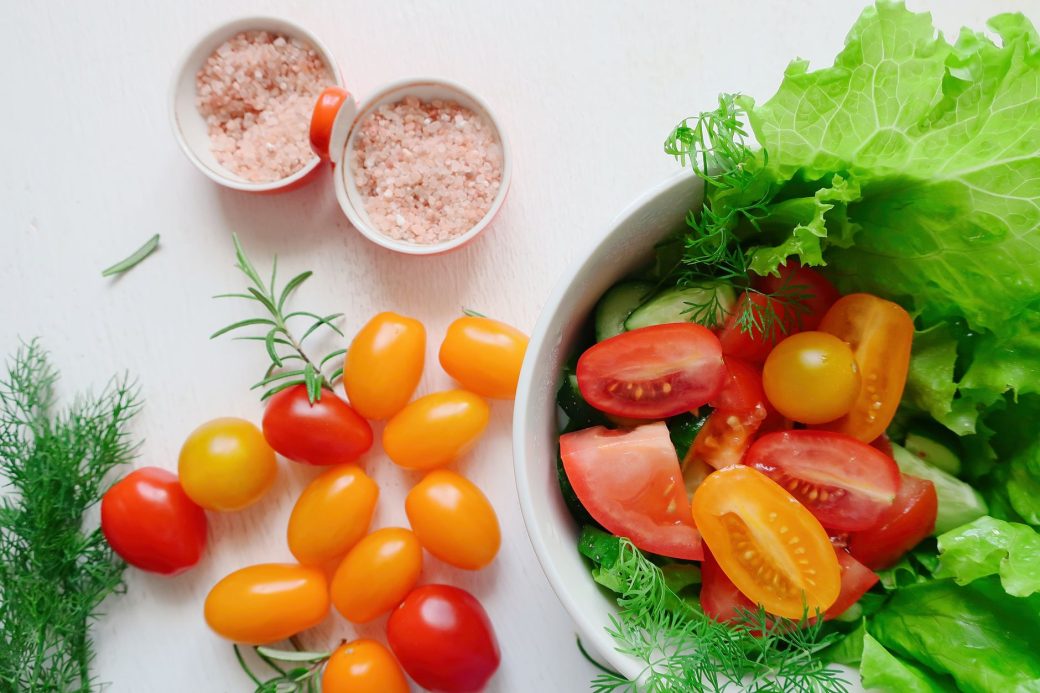
- Watery vegetables: cucumber, courgette, celery, tomatoes and peppers add bulk and crunch.
- Roots in moderation: carrots and beetroot are slightly higher but still low and very satisfying.
A helpful way to think about it is the "free vegetables" principle. Because leafy greens and watery vegetables are so light in calories, you can pile them onto any meal without meaningfully changing its energy total, while dramatically increasing its volume and nutrient content. A plate that looks and feels generous is far easier to stick with than one that looks sparse, and non-starchy vegetables are how you achieve that generosity cheaply. For snack ideas built around these, our low calorie snacks list turns them into grab-and-go options, and our fibre rich foods list overlaps heavily with this group.
Low calorie fruit
Fruit sometimes gets an unfair reputation on calorie-controlled diets, but most whole fruit is low in energy density thanks to its water and fibre. It satisfies a sweet craving for a fraction of the calories of a processed dessert, and it brings vitamins and antioxidants along for the ride. The trick is to favour whole fruit over juice, since juicing strips the fibre and concentrates the sugar.
- Berries: strawberries, raspberries and blackberries are among the lowest-calorie, highest-fibre fruits.
- Melon: watermelon, cantaloupe and honeydew are mostly water and very light.
- Citrus and stone fruit: oranges, grapefruit, peaches and plums satisfy for modest calories.
- Apples and pears: filling, portable and fibre-rich, especially eaten with the skin.
The low calorie foods list with portions
Here is the practical core: a categorised table of dependable low calorie foods, with a realistic portion and its approximate calorie content, so you can plan meals that feel generous while staying light.
| Food | Typical portion | Approx. calories |
|---|---|---|
| Spinach, raw | 50 g (large handful) | 10 to 15 kcal |
| Cucumber | 100 g | 15 kcal |
| Broccoli, cooked | 100 g | 30 to 35 kcal |
| Cherry tomatoes | 100 g | 18 to 20 kcal |
| Strawberries | 100 g | 30 to 35 kcal |
| Watermelon | 150 g | 45 kcal |
| Vegetable broth soup | 250 ml bowl | 40 to 70 kcal |
| Plain white fish (cod) | 100 g | 80 to 90 kcal |
| Skinless chicken breast | 100 g | 110 to 120 kcal |
| Fat-free plain yoghurt | 150 g | 85 to 95 kcal |
| Egg white | 2 whites | 30 to 35 kcal |
| Popcorn, air-popped | 15 g | 55 to 60 kcal |
Notice the pattern: vegetables and fruit deliver bulk for almost nothing, while lean protein foods sit a little higher but earn their place by keeping you full. Treat the numbers as approximate, since cooking method and exact variety shift them, but the ranking is reliable. To turn these into structured weight management, our calorie deficit guide explains how the maths works.
Lean protein for fullness
Cutting calories without cutting protein is the difference between a diet that works and one that leaves you ravenous. Protein is the most satiating nutrient, and keeping it high while lowering overall calories protects muscle and controls appetite. Lean sources give you that protein for relatively few calories.
- White fish and seafood: cod, haddock, prawns and white fish are very lean and high in protein.
- Poultry: skinless chicken and turkey breast are classic lean, filling staples.
- Low-fat dairy: fat-free Greek yoghurt, cottage cheese and skimmed milk pack protein with fewer calories.
- Eggs and egg whites: whole eggs are nutritious and filling; whites cut the calories further when needed.
- Pulses: beans and lentils bring protein plus fibre, a doubly satisfying combination.
For a full breakdown of high-protein options, see our high protein foods list. Keeping protein high is one of the most evidence-backed strategies for eating fewer calories comfortably.
Tip: Start meals with a large serving of vegetables or a broth-based soup. Filling up on low energy density food first naturally reduces how much of the richer dishes you go on to eat.
Smart low calorie swaps
As with fibre, the easiest wins come from upgrading foods you already eat rather than adding new rules. Swapping a high energy density choice for a lower one cuts calories without cutting satisfaction.
- Bulk out with vegetables: replace half the pasta or rice on your plate with courgette, cauliflower or extra veg.
- Choose the leaner cut: swap fatty cuts and processed meats for chicken breast, white fish or lean mince.
- Rethink drinks: liquid calories from sugary drinks and alcohol add up invisibly; water, tea and low-calorie options save hundreds.
- Cook lighter: grill, bake, steam or air-fry instead of deep-frying to slash added oil.
- Snack on volume: fruit, vegetable sticks and air-popped popcorn satisfy for a fraction of the calories of crisps.
Some links are affiliate links and we may earn a small commission at no extra cost to you. We only suggest product types we would genuinely consider.
A couple of inexpensive tools make lighter cooking easier. An air fryer crisps food with little or no oil, and a set of digital kitchen scales takes the guesswork out of portions when you are learning what a serving looks like. Neither is essential, but both can help you stay consistent.
Common low calorie mistakes
Eating low calorie foods is powerful, but a few traps can quietly undermine the effort. Awareness of them keeps your plan on track.
- Drowning healthy food in calories: a salad is low calorie until it is loaded with oily dressing, cheese and croutons. Watch the extras.
- Cutting too hard: extreme restriction backfires with hunger, low energy and rebound eating. Aim for a moderate, sustainable deficit.
- Forgetting protein and fibre: a low calorie diet without them leaves you hungry and risks muscle loss.
- Trusting "low calorie" labels blindly: some processed diet products are low in calories but leave you unsatisfied and reaching for more.
Sustainable weight management is about the overall pattern, not any single food. Building meals around low energy density foods, keeping protein and fibre high, and staying moderate rather than extreme is the approach that lasts. Our weight loss diet guide pulls these threads together, and Harvard's Nutrition Source on healthy weight reinforces the same balanced philosophy.
The bottom line
Low calorie foods let you eat well and feel full while keeping energy intake in check, and the secret is energy density. Fill your plate with water-rich, fibre-rich vegetables and fruit, keep protein high with lean sources, use simple swaps to lighten familiar meals, and avoid the traps of over-restriction and calorie-laden extras. Done this way, eating fewer calories stops feeling like deprivation and starts feeling like generous, satisfying meals. For the calorie-tracking side of the equation, our calorie count guide shows how to keep score without obsessing.
Note: This article is general information, not medical or personalised dietary advice. For guidance tailored to you, speak with a registered dietitian or your doctor.
Have a question or a topic to suggest?
We read every message. Tell us what you would like to see next on the blog.
Get in touchYou may also like
Low Calorie Snacks: Dietitian-Approved List With Portions
The snack is rarely the problem, the portion is. This dietitian-approved list gathers filling low-calorie snacks with realistic portions and approximate calories.
Calorie Deficit: The Complete Evidence-Based Guide
A calorie deficit sits underneath every method of fat loss. Learn what it really is, how to set a modest, sustainable one, what the evidence supports, and the traps that stall progress.
Weight Loss Diet: The Complete Evidence-Based Guide
A weight loss diet is any pattern that holds a modest energy deficit while keeping you nourished. Here is what the evidence shows and how to build a plan you can actually keep going.