Meal Prep & Healthy Eating
Healthy Snacks: Dietitian-Approved List With Portions
Healthy snacks grouped by protein, fibre and produce, with a portion table and smart swaps to keep energy steady without overeating.
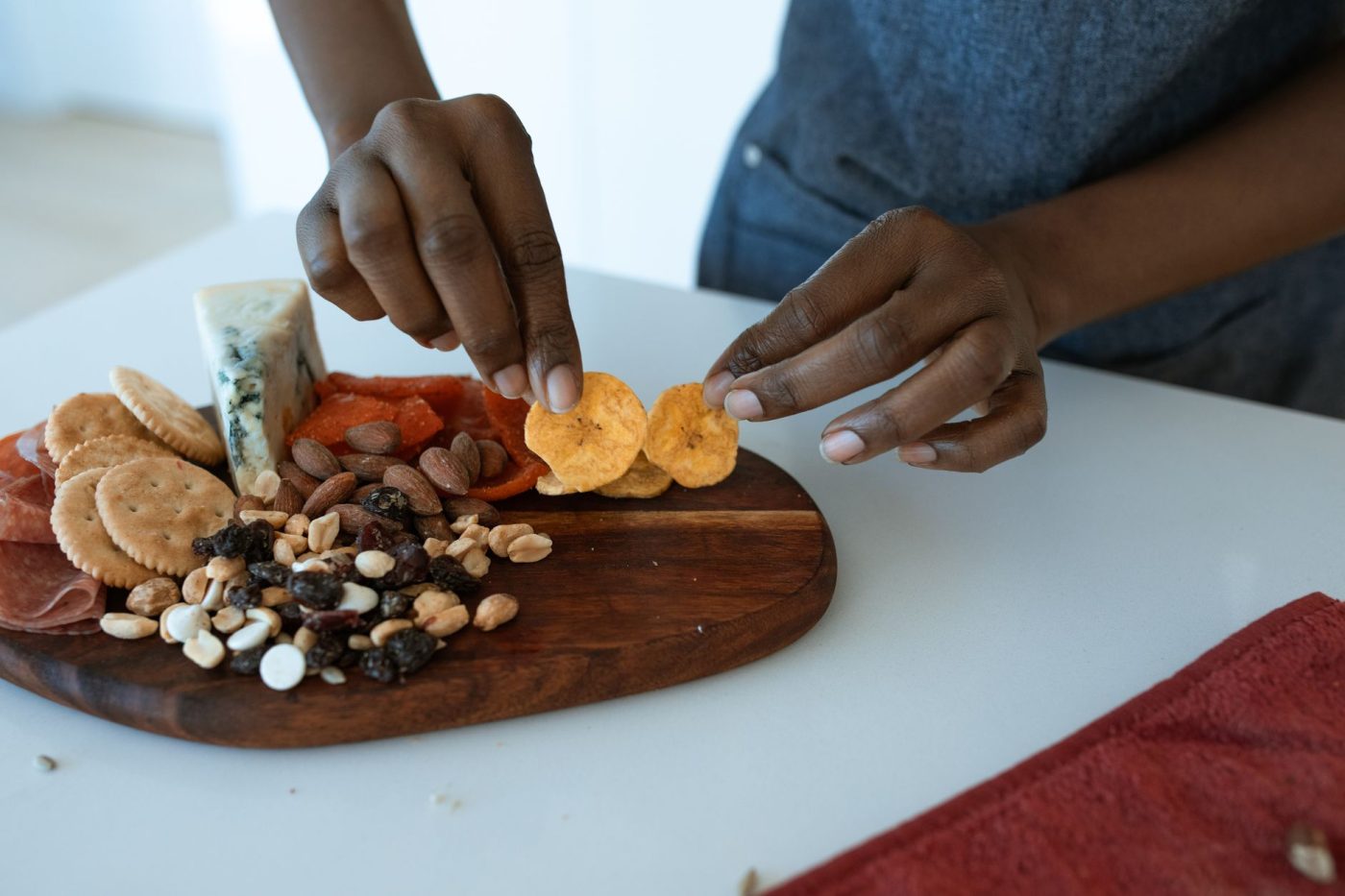
Snacking has a bad reputation, but the problem is rarely the snack itself. It is the type and the portion. A well-chosen snack can steady your energy, curb overeating at meals and top up nutrients you might otherwise miss. This dietitian-approved list groups healthy snacks by what they offer, gives realistic portions, and shows easy swaps for the usual vending-machine suspects.
What makes a snack healthy
A healthy snack is not defined by being low in calories or marketed as diet food. It is defined by what it brings to your day. The most satisfying snacks combine protein, fibre or healthy fat, because these slow digestion and keep you fuller for longer than sugar or refined starch alone.
Ultra-processed snacks tend to be easy to overeat and light on nutrition, spiking energy then leaving you hungry again soon after. Whole-food snacks do the opposite. The aim is not to ban treats but to make the everyday default something that genuinely nourishes you. This mirrors the food-first thinking behind our guide to healthy food.
It also helps to be honest about why you are reaching for a snack. Genuine hunger between meals is a good reason to eat, and a nourishing snack can prevent the ravenous overeating that often follows a long gap. Boredom, stress and habit are different signals, and no food fixes those for long. Noticing the difference is not about willpower, it is simply about matching the snack to the need. When you are truly hungry, choose something with substance; when you are not, a glass of water or a short break often does the job.
High protein snacks
Protein is the most filling nutrient, which makes it the backbone of a genuinely satisfying snack. These options help bridge the gap between meals without leaving you rummaging for more.
- Greek yoghurt: a 150g pot delivers plenty of protein and pairs well with fruit.
- Boiled eggs: two eggs are portable, cheap and rich in protein and nutrients.
- Cottage cheese: half a cup on wholegrain crackers or with tomato is quick and filling.
- Edamame: a cup of steamed pods offers protein and fibre together.
Protein-rich snacks are especially useful in the afternoon slump, when tiredness and low blood sugar make sugary options tempting. Because protein blunts hunger more than carbohydrate alone, a small protein snack often prevents the mid-afternoon raid on the biscuit tin. For more ideas built around protein, see our lists of high protein snacks and healthy protein snacks.
Fruit and vegetable snacks
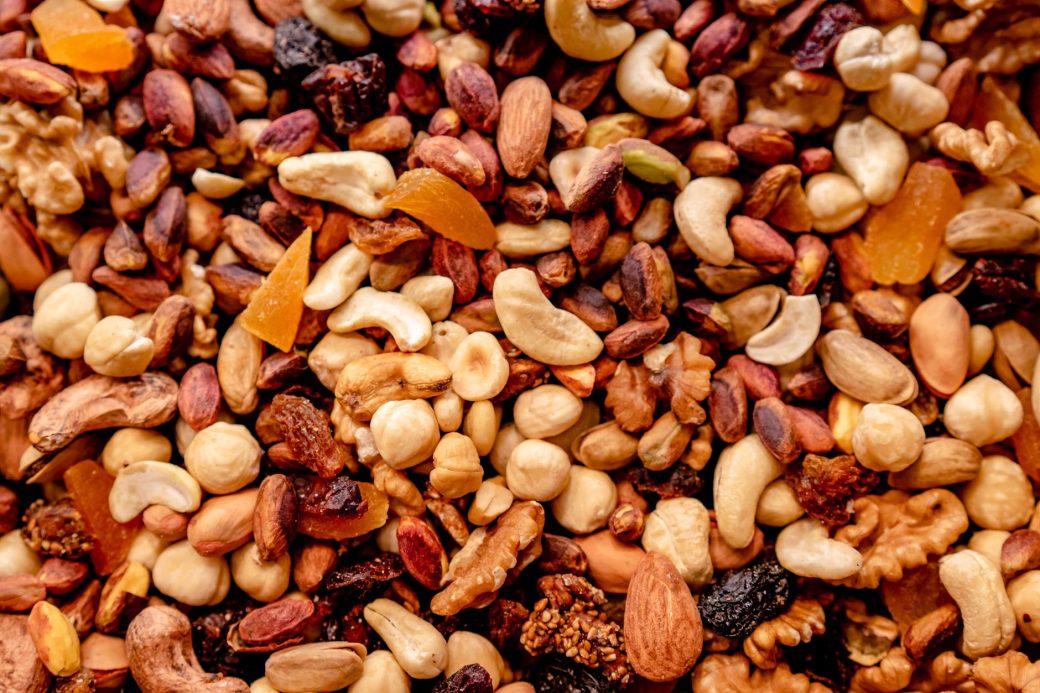
Produce is the easiest healthy snack because it needs little or no preparation. Fresh, frozen and tinned all count, and pairing produce with a protein or fat source turns a light nibble into something more sustaining.
- Apple with nut butter: fibre and healthy fat combined for lasting energy.
- Vegetable sticks with hummus: carrots, peppers and cucumber with a couple of tablespoons of hummus.
- Berries with yoghurt: a low-sugar, high-fibre pairing that feels like a treat.
- Banana: nature's grab-and-go snack, ideal before or after activity.
Convenience is the deciding factor for most people, so keep quick options visible and ready. A bowl of washed fruit on the counter, pre-portioned yoghurt in the fridge and vegetable sticks prepped on a Sunday all make the nourishing choice the effortless one. When healthy snacks take more work than reaching for a packet, the packet usually wins, so a little preparation tips the odds in your favour.
Wholegrain and fibre snacks
Fibre-rich snacks add bulk and support digestion while helping you feel satisfied. Wholegrain choices beat refined ones for both nutrition and staying power.
- Air-popped popcorn: a wholegrain and a surprisingly filling low-energy snack.
- Oatcakes or wholegrain crackers: topped with cheese, avocado or nut butter.
- Overnight oats: prepped ahead for a fibre-rich, portable option.
Snacks are a great place to close the fibre gap most people have. Our list of high fibre foods covers more ways to do it comfortably.
Combining a fibre source with a protein or fat source is where snacks become genuinely satisfying rather than a stopgap. Wholegrain crackers with cheese, an oatcake with nut butter, or apple slices with a small handful of nuts each pair slow-release carbohydrate with something that slows digestion further. This simple pairing habit turns a snack that would leave you hungry within the hour into one that comfortably carries you to the next meal.
Portion guide for common snacks
Portion is where good snacks quietly go wrong. Even nutritious foods like nuts and cheese are energy-dense, so a sense of scale keeps things balanced.
| Snack | Sensible portion | Mainly provides |
|---|---|---|
| Mixed nuts | 30g handful | healthy fat, protein |
| Greek yoghurt | 150g pot | protein, calcium |
| Hummus with veg | 2 tbsp hummus | fibre, protein |
| Cheese | matchbox size (30g) | protein, calcium |
| Dark chocolate | 2 to 3 squares | occasional treat |
| Fresh fruit | 1 piece or a cup | fibre, vitamins |
| Air-popped popcorn | 3 cups popped | wholegrain fibre |
Values are approximate and vary by brand. Portioning nuts and other dense snacks into small containers or bags in advance makes it far easier to stop at a sensible amount.
Tip: Pre-portion snacks when you get home from shopping rather than eating from the big bag. It is the single most effective way to enjoy energy-dense favourites like nuts without overshooting.
Smart snack swaps
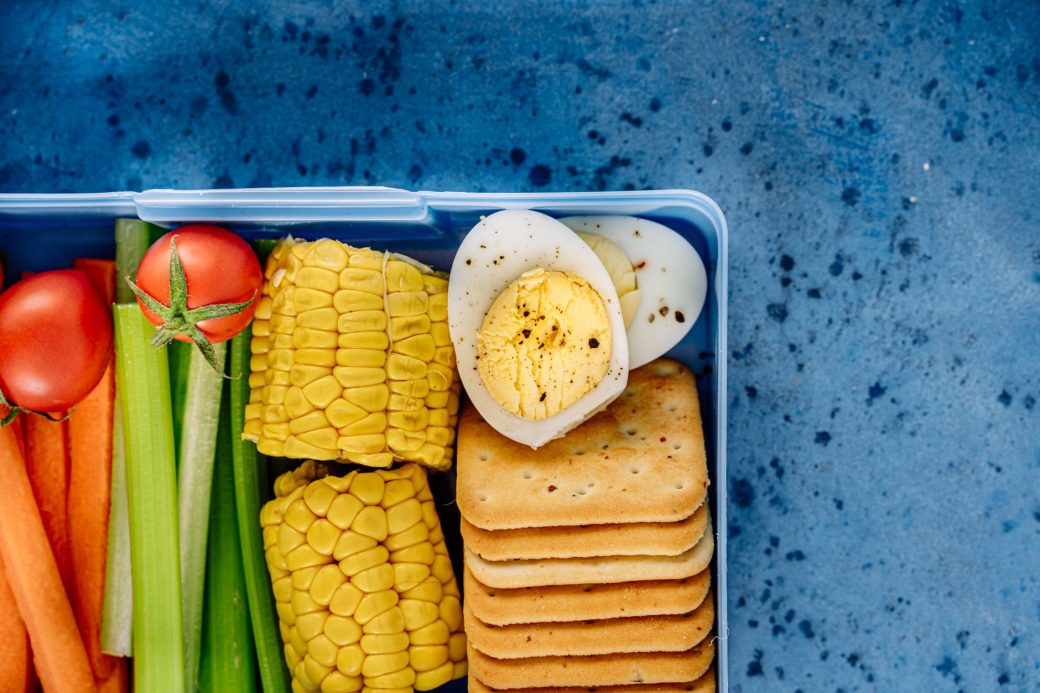
You do not need to give up the ritual of snacking, just upgrade the ingredients. These swaps keep the satisfaction while improving the nutrition.
- Crisps to popcorn or nuts: more fibre or protein and better staying power.
- Sweets to fruit and dark chocolate: keeps the sweetness with added nutrients.
- Sugary yoghurt to plain Greek yoghurt with fruit: more protein, less added sugar.
- Cereal bars to oatcakes with nut butter: steadier energy and fewer additives.
One swap worth making routine is moving away from sugary drinks as a between-meal habit. Fizzy drinks, sweetened coffees and energy drinks add a surprising amount of sugar with little to keep you full, so replacing them with water, sparkling water, tea or milk quietly removes a lot of hidden sugar from your week. A convenient insulated snack bag makes it easy to carry fresh options like yoghurt, fruit and vegetable sticks so the healthier choice is always the available one.
Some links are affiliate links and we may earn a small commission at no extra cost to you. We only suggest product types we would genuinely consider.
Snacking and your goals
Whether snacks help or hinder depends on your goals and how they fit your overall intake. If you are managing weight, snacks that are high in protein and fibre help control hunger, which supports a calorie deficit without feeling deprived. For lower-energy choices specifically, our low calorie snacks list is a useful companion.
Timing can also work in your favour. A protein-rich snack an hour or two before a meal takes the edge off hunger and helps you eat more calmly, while a balanced snack after exercise supports recovery. If you find yourself snacking constantly, it is often a sign that your main meals are too small or too low in protein and fibre, so building those up usually settles the urge more effectively than trying to resist it.
There is no rule that you must snack. Some people feel best with three meals, others prefer smaller, more frequent eating. General guidance from the NHS and the Harvard Nutrition Source emphasises overall pattern and quality over rigid rules. Listen to your hunger, choose whole foods most of the time, and let snacks work for you rather than against you.
Note: This article is general information, not medical or personalised dietary advice. For guidance tailored to you, speak with a registered dietitian or your doctor.
Sources and further reading:
- NHS for healthy eating and snacking guidance.
- Harvard Nutrition Source for snack quality and satiety.
- British Dietetic Association for food-first, evidence-based advice.
Have a question or a topic to suggest?
We read every message. Tell us what you would like to see next on the blog.
Get in touchYou may also like
High Protein Snacks: Dietitian-Approved List With Portions
The best high-protein snacks keep you fuller and help you hit your daily target. Here is a categorised list with realistic portions, protein amounts and easy prep ideas.
Low Calorie Snacks: Dietitian-Approved List With Portions
The snack is rarely the problem, the portion is. This dietitian-approved list gathers filling low-calorie snacks with realistic portions and approximate calories.
Healthy Food: Dietitian-Approved List With Portions
Healthy eating comes down to a handful of everyday foods in sensible amounts, most of the time. This dietitian-approved list groups healthy foods by category, with realistic portions and simple swaps.