Supplements
Whey Protein Isolate: What the Evidence Actually Says
What isolate is, how it compares to concentrate, who benefits from the leaner form, and what the evidence does and does not support.
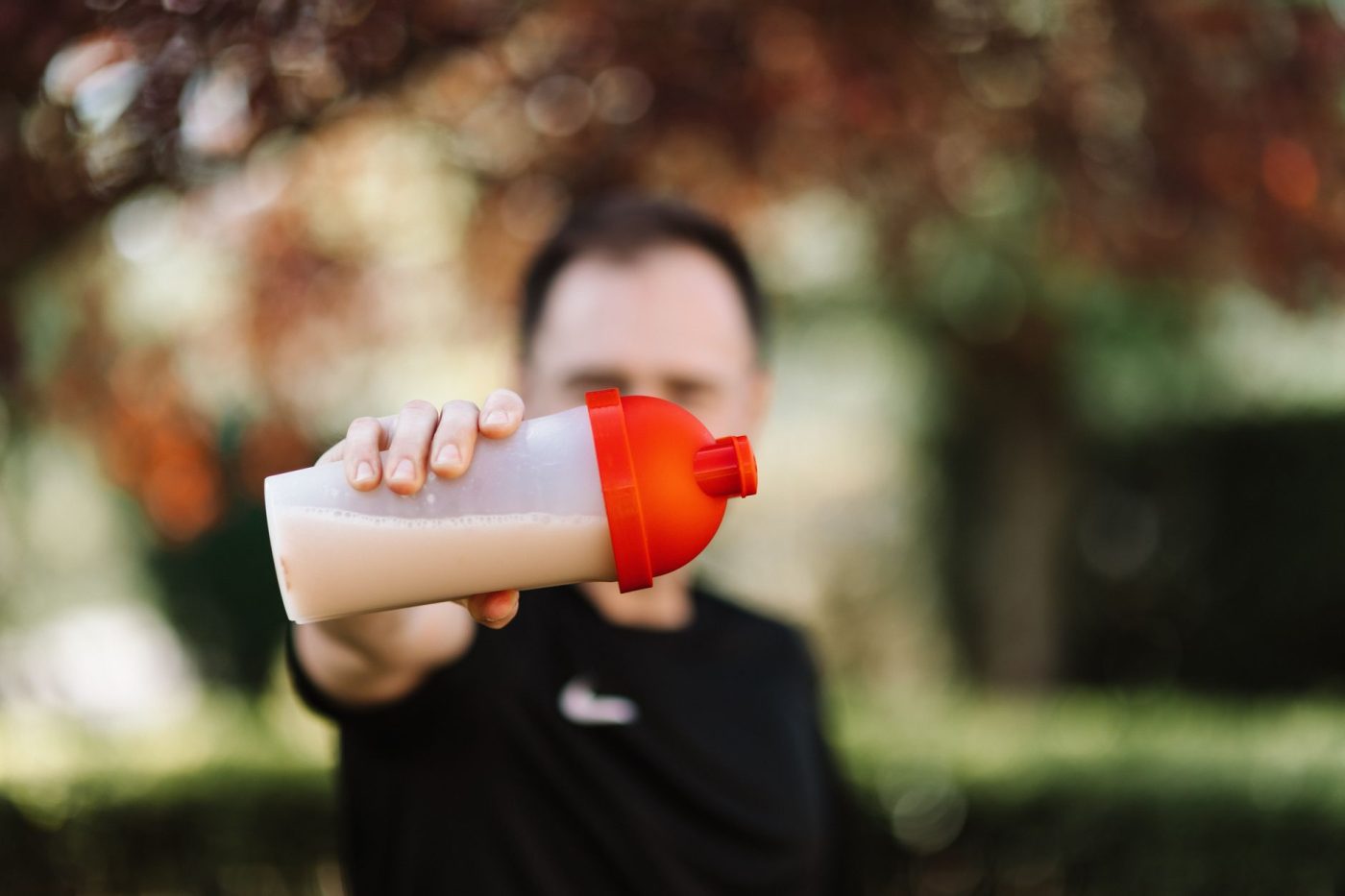
Whey protein isolate is the most processed and purified form of whey, offering a high protein content per scoop with very little lactose, fat, or carbohydrate. It is popular, effective, and often oversold. This guide explains what isolate actually is, how it compares to concentrate, who genuinely benefits from paying more for it, and what the evidence does and does not support.
What is whey protein isolate
Whey is one of two proteins in milk, separated during cheese making. That whey is then filtered to different degrees. Concentrate is filtered less, so it retains more lactose and fat, while isolate is filtered further to strip most of that away, leaving a powder that is typically around 90 percent protein by weight.
The practical result is a leaner, lower-lactose powder with a slightly higher protein hit per scoop. It is the same underlying protein as concentrate, just more refined. For the wider category context, our guide to the best protein powder puts isolate alongside its alternatives, and our whey protein powder guide covers whey as a whole.
You may also see a third form, whey hydrolysate, which is partially broken down or "pre-digested" for faster absorption. It sits at the premium end of the market and offers little practical advantage for everyday users over a good isolate. The core message is that all three forms deliver the same complete milk protein, and the differences come down to filtering, texture, lactose content, and price rather than any fundamental change in nutritional value. Knowing this makes it far easier to judge whether an isolate is worth its higher shelf price for your particular situation, or whether you are simply paying for a label.
Isolate versus concentrate
This is the comparison that decides most purchases. Neither is universally better, and for many people concentrate is the smarter buy.
| Feature | Whey isolate | Whey concentrate |
|---|---|---|
| Protein per 100g | Higher (around 90%) | Lower (around 70 to 80%) |
| Lactose | Very low | Higher |
| Fat and carbs | Minimal | Slightly more |
| Price tier | Mid to premium | Budget to mid |
| Best for | Lactose sensitivity, leaner macros, cutting | Value, general use, most people |
The honest takeaway is that isolate offers marginal nutritional advantages for a higher price. If you tolerate dairy and are not counting every gram, concentrate delivers nearly the same benefit for less money.
Tip: If dairy leaves you bloated, whey isolate is often much easier to tolerate than concentrate because most of the lactose has been removed. That, more than muscle building, is its clearest real-world advantage.

What the evidence actually shows
Whey isolate is a high-quality, complete protein rich in leucine, the amino acid most linked to stimulating muscle protein synthesis. But the research is clear that the benefit comes from meeting your total daily protein, not from the isolate label itself.
- Muscle support: whey supports muscle maintenance and growth alongside resistance training, and isolate does this no better than concentrate when protein totals match.
- Digestibility: whey is fast absorbed and highly digestible, and isolate is gentler for lactose-sensitive users.
- No unique fat-loss effect: isolate does not burn fat, and any weight benefit comes from protein helping fullness and preserving muscle in a calorie deficit.
It is also worth being realistic about the size of these differences. In head-to-head studies where total daily protein is equal, isolate and concentrate produce broadly similar outcomes for muscle and strength. The extra protein per scoop in isolate is genuine, but it is a small advantage that is easily matched by simply having a little more concentrate or an extra bite of food elsewhere in the day. That is why dietitians rarely tell a healthy, dairy-tolerant person that they must buy isolate: for most, the money is better spent on a varied diet and consistent training.
Where the picture shifts is at the margins. If your calorie budget is tight, for example during a fat-loss phase, every gram of fat and carbohydrate you can trade for lean protein counts, and isolate makes that easier. Similarly, if you are older and battling a smaller appetite, a concentrated, low-volume protein source can help you reach a target you would otherwise miss. In these cases isolate is not a gimmick but a sensible practical tool.
The Harvard Nutrition Source emphasises that protein quality matters most when overall intake is low, which is exactly when a clean isolate can help fill a gap. The NHS reminds us that most people in developed countries already eat enough protein, so a supplement is a convenience rather than a necessity for the average person.
Who benefits most from isolate
Isolate is a premium product, so it makes most sense for specific situations rather than as a default.
- Lactose-sensitive users: the low lactose content is a genuine, practical benefit.
- People tracking macros tightly: athletes cutting weight who want maximum protein with minimal fat and carbs.
- Those who dislike heavier textures: isolate tends to mix thinner and lighter than concentrate.
If none of these apply, you may be paying for purity you do not need. For dairy-free eaters, vegan protein powder is the better route, and closely related isolate products are covered in our iso whey protein guide. Bodybuilders and physique competitors often favour isolate in the final weeks before a show precisely because it lets them keep protein high while trimming stray calories, but that is a specialised scenario rather than a template for everyday eating.
One group that should think twice is people who simply want cheaper, everyday protein. If your gut is happy with dairy and you are not chasing a rigid macro split, choosing concentrate over isolate can meaningfully lower your monthly cost while delivering nearly identical results. Spending the difference on more vegetables, fish, or a gym membership is likely to do more for your health than the incremental purity of an isolate.
How much and how to use it
Isolate is used the same way as any protein powder: as a top-up toward your daily target, not a replacement for meals.
- Serving size: one scoop of roughly 25 to 30 grams typically delivers 25 or more grams of protein.
- Daily target: most active adults aim for 1.2 to 2.0 grams of protein per kilogram of body weight, spread across the day.
- Whole food first: use isolate to fill the gap after meals built on high protein foods, not instead of them.
A common question is whether isolate is better before or after training. In truth, the timing debate has been overtaken by evidence showing that your total daily protein and its rough spread across meals matter far more than hitting a precise post-workout minute. If a shake after the gym is convenient and helps you eat enough, use it, but do not feel you have failed if you drink it an hour later. Consistency over weeks and months is what drives results, not stopwatch precision on any single day.
When shopping, a whey protein isolate that carries independent certification is the sensible pick, ideally mixed in a decent shaker bottle . Look past bold front-of-pack claims and read the nutrition panel: a genuine isolate should list a high protein figure per 100 grams with very little sugar or fat, and a short ingredient list without a long tail of fillers.
Some links are affiliate links and we may earn a small commission at no extra cost to you. We only suggest product types we would genuinely consider.

Quality, testing, and safety
As with any supplement, quality varies and regulation is lighter than for medicines, so independent testing is your best guide.
- NSF Certified for Sport: screens for banned substances and confirms label accuracy, important for tested athletes.
- Informed Sport: a respected alternative certification programme with a similar purpose.
- Watch the label maths: compare protein per 100 grams so a large scoop does not disguise a weaker product.
- Generally well tolerated: whey is safe for most healthy adults, but anyone with kidney disease or a milk allergy should seek medical advice first.
Digestive comfort is another practical consideration. Because most of the lactose is removed, many people who feel bloated or gassy after concentrate find isolate much easier to tolerate. If dairy protein of any kind upsets you, however, the issue may be a milk protein sensitivity rather than lactose, in which case a plant-based option is the sensible switch. Listening to your own gut over several servings tells you more than any label claim.
The NIH Office of Dietary Supplements and the Academy of Nutrition and Dietetics are reliable references for checking supplement claims. When a product's marketing outruns what these bodies actually say about protein, that gap is usually a sign to keep your expectations, and your spending, in check.
Note: This article is general information, not medical or personalised dietary advice. For guidance tailored to you, speak with a registered dietitian or your doctor.
Have a question or a topic to suggest?
We read every message. Tell us what you would like to see next on the blog.
Get in touchYou may also like

Whey Protein Powder: What the Evidence Actually Says
Whey protein powder is convenient, effective, and heavily hyped. Learn its three forms, what the evidence supports, how much you need, and how to choose a good one without overpaying.

Iso Whey Protein: What the Evidence Actually Says
Iso whey protein is useful but oversold. Here is what whey isolate actually is, how it compares with concentrate, what the evidence supports, and the claims worth ignoring.
Best Protein Powder: What the Evidence Actually Says
There is no single best protein powder for everyone. Compare whey, casein, and plant types, learn what the evidence supports, how much you need, and which marketing claims to ignore.