Supplements Explained
Vegan Protein Powder: What the Evidence Actually Says
Plant protein has come a long way. Here is what the research supports, how to hit a complete amino acid profile, and the marketing to skip.
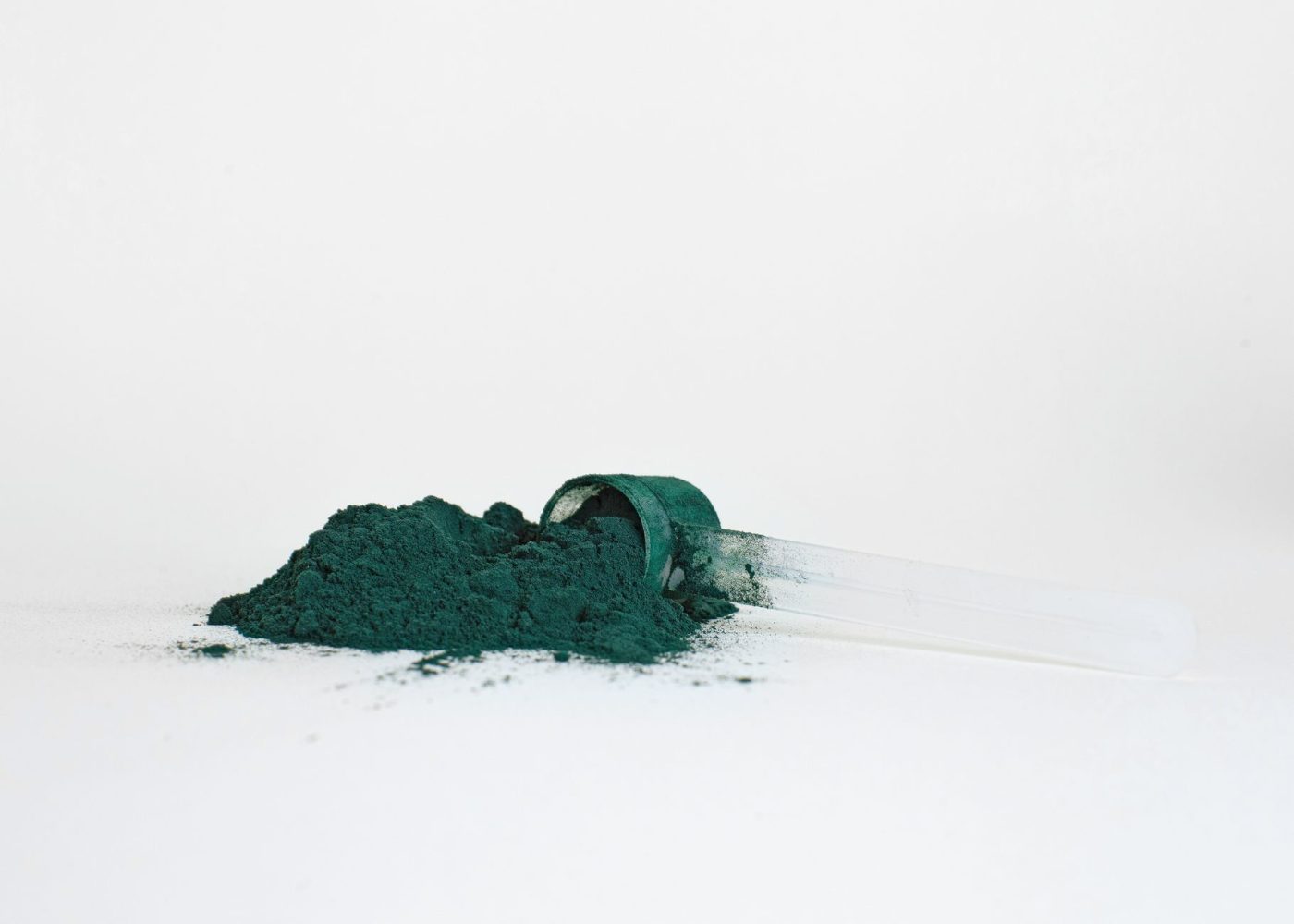
Vegan protein powder has moved from a chalky afterthought to a genuinely useful, well-formulated category. But the marketing still swings between two extremes: either plant protein is nutritionally inferior, or it is a miracle superfood. The evidence sits calmly in the middle. This guide explains what plant protein powders can and cannot do, how to dose them, which claims to ignore, and how to choose one that actually works for your goals.
What vegan protein powder is
Vegan protein powder is concentrated protein extracted from plant sources, most commonly pea, rice, soy, hemp, and sometimes pumpkin or fava bean. A single scoop typically delivers 20 to 25 grams of protein, slightly less than a comparable whey scoop, alongside small amounts of fibre and fat depending on the source.
The key thing to understand is that these are food-derived powders, subject to the same digestion and total-intake rules as any protein. What they offer over animal proteins is simply a dairy-free, plant-based route to a measured dose. For anyone following a vegan diet or vegetarian diet, or simply avoiding lactose, they are a convenient way to reach a protein target.
- Pea protein: high in the amino acid lysine, mixes reasonably well, widely available.
- Rice protein: gentle on digestion but lower in lysine, so often blended with pea.
- Soy protein: the most complete single plant protein, well studied and inexpensive.
- Hemp protein: contains fibre and healthy fats but is lower in protein per scoop.
The complete protein question
The most common worry about plant protein is amino acids. Animal proteins are complete, meaning they contain all nine essential amino acids in generous amounts, while many single plant proteins are lower in one or two, often lysine or methionine. This is the kernel of truth behind the inferior label, but it is easily solved.
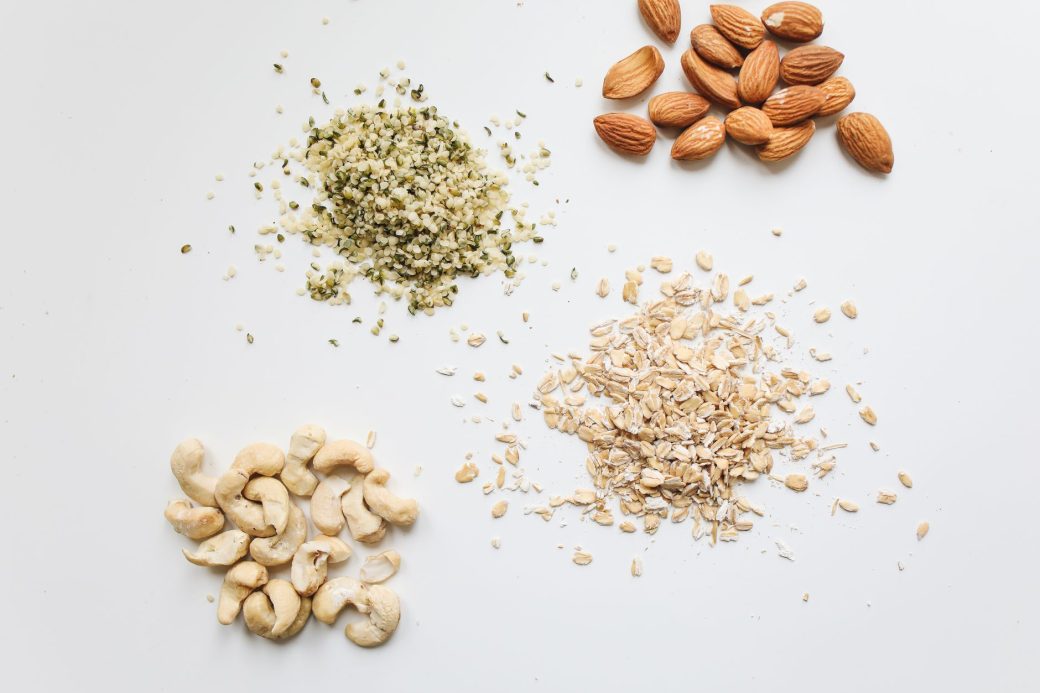
Blended vegan powders combine two or more sources, typically pea and rice, so the profile becomes complete. Soy is complete on its own. Across a varied day of eating, plant proteins complement each other naturally, and you do not need to combine them at a single meal. The practical upshot is that a well-formulated blend or a soy powder delivers all the essential amino acids your body needs to build and repair tissue. Harvard's Nutrition Source confirms that a mix of plant proteins can meet all amino acid requirements.
Tip: If a label just says "pea protein" and nothing else, check for a second source like rice. A single-source powder is fine as part of a varied diet but a blend gives a more complete profile in one scoop.
What the evidence actually supports
The research on plant protein has matured, and the headline is reassuring. When total daily protein is matched, plant protein powders support muscle growth and strength gains comparably to whey, provided the dose and leucine content are adequate. In practice this often means taking a slightly larger scoop of plant protein to match the leucine in whey, but the end result is similar.
Beyond muscle, plant protein carries some incidental benefits. Diets richer in plant foods are associated with better cardiovascular and metabolic markers, and swapping some animal protein for plant sources fits that pattern. The powder itself is not medicine, but it slots neatly into an eating pattern the evidence tends to favour. Our complete protein guide and protein shakes review put these findings in wider context.
Digestion is another area where plant powders quietly win for some people. Those who react to lactose in cheaper whey concentrates with bloating or discomfort often tolerate pea, rice or soy far better. On the flip side, some plant powders contain more fibre and can feel heavier in the gut, so it is worth trying a small amount first. There is no single best answer; the right powder is the one that fits your goals, your digestion and your taste, and delivers enough protein to matter across the day.
How much to take
Dosing depends on your goal and how much protein your meals already provide. A powder is a top-up, not a foundation, so the sensible approach is to work out your daily target first and use the scoop to fill the gap. The table below offers an approximate framework; individual needs vary with body size, activity and age.
| Goal | Daily protein target | Typical powder role |
|---|---|---|
| General health | 0.8 to 1.0 g per kg | Occasional top-up |
| Active adult | 1.2 to 1.6 g per kg | One scoop most days |
| Building muscle | 1.6 to 2.2 g per kg | One to two scoops as needed |
| Plant-based, low appetite | Meet target consistently | Reliable gap-filler |
| Weight loss | 1.2 to 2.0 g per kg | High satiety per calorie |
For most people a single 25 gram scoop covers a quarter to a third of a day's needs. Spreading protein across meals is more useful than loading it all into one shake. If weight is your focus, our guides on the calorie deficit and high protein foods show how the powder fits alongside whole food.
Marketing claims to ignore
Plant protein marketing borrows the same overreaching language as the rest of the supplement world, sometimes with an added halo of wellness buzzwords. A few claims deserve a raised eyebrow.
- "Superfood blend": a sprinkle of exotic greens or berries adds negligible nutrition to a protein scoop. The protein is the product.
- "Detoxifying" or "alkalising": your liver and kidneys handle detoxification; no powder does it, and blood pH is tightly regulated regardless of diet.
- "Better absorbed than whey": absorption differences between quality proteins are small and rarely matter outside elite sport.
- "Complete raw enzymes": enzymes in a powder are largely denatured by stomach acid; this is a marketing flourish, not a benefit.
The British Dietetic Association stresses that well-planned plant-based diets are perfectly adequate, and that supplements should support a good diet rather than promise transformation.
A quieter concern worth mentioning is heavy metal content. Because plant proteins are grown in soil, some batches can carry trace amounts of contaminants like lead or cadmium. The amounts in reputable products are generally low and within safety limits, but it is a fair reason to choose established brands that publish third-party testing rather than the cheapest unknown option. This is not a reason to avoid plant protein, simply a reason to buy sensibly, as you would with any food or supplement.
How to choose a vegan protein powder
Once you have decided a powder earns a place in your routine, the choice comes down to protein source, additives, texture and taste. Plant powders have historically been grittier than whey, so texture matters more here.
Some links are affiliate links and we may earn a small commission at no extra cost to you. We only suggest product types we would genuinely consider.
- Blended powders: a pea-and-rice or multi-source vegan protein powder blend gives a complete profile in one scoop.
- Soy protein: for a complete single-source option at a lower cost tier, browse soy protein powder .
- Pea protein isolate: a clean, higher-protein pea protein isolate for those who tolerate it well.
- Shaker bottle: plant powders mix better with a shaker bottle or a quick blend with fruit.
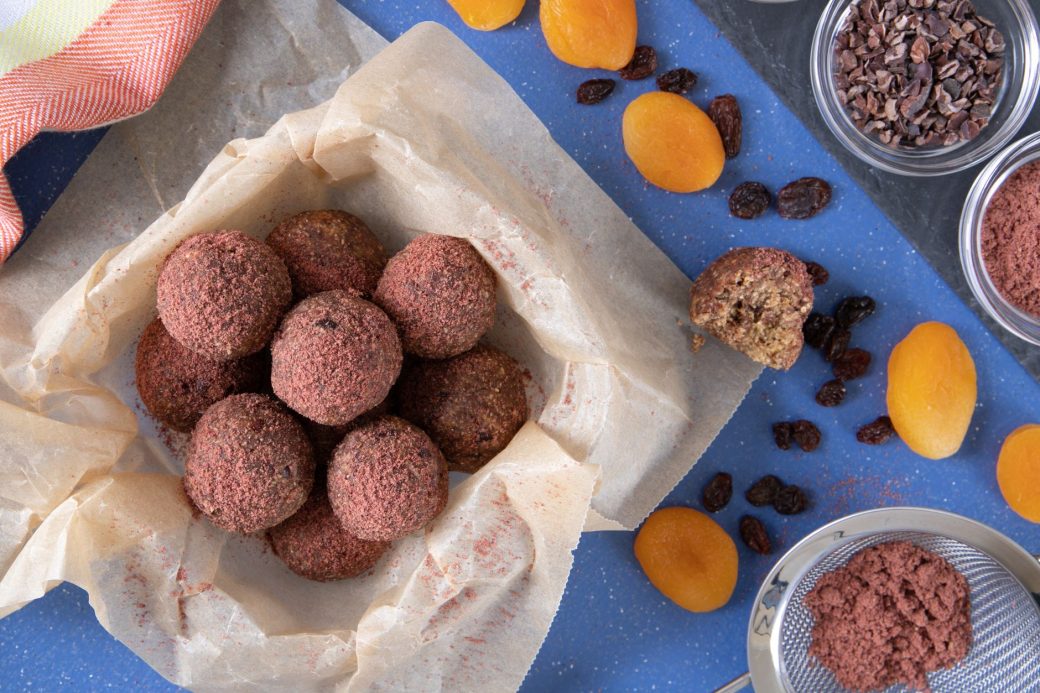
Read the label for protein per 100 grams, check for a complete amino acid profile or a blend, and avoid powders drowning in gums and sweeteners if texture troubles you. Blending with a banana, oats or nut butter transforms a gritty shake into a genuine mini-meal. For dairy-based comparisons, our best protein powder review covers the wider category.
Who benefits most
Vegan protein powder earns its place for specific people, and like any tool it is excellent when matched to the right job.
- Vegans and vegetarians: a convenient way to hit protein targets that can be harder to reach on plant foods.
- People with lactose intolerance: all the convenience of a shake without the dairy discomfort.
- Those reducing animal protein: a practical swap for people shifting towards more plant-based eating.
- Strength trainers on plant diets: a reliable route to the higher protein targets that support muscle.
If you already meet your protein needs through beans, lentils, tofu, soya and wholegrains, a powder is a convenience rather than a necessity. Our high protein snacks list offers whole-food, plant-friendly alternatives.
Note: This article is general information, not medical or personalised dietary advice. For guidance tailored to you, speak with a registered dietitian or your doctor.
Sources and further reading
Have a question or a topic to suggest?
We read every message. Tell us what you would like to see next on the blog.
Get in touchYou may also like
Best Protein Powder: What the Evidence Actually Says
There is no single best protein powder for everyone. Compare whey, casein, and plant types, learn what the evidence supports, how much you need, and which marketing claims to ignore.
Protein Shakes: What the Evidence Actually Says
Strip away the marketing and a protein shake is just a convenient, measured dose of protein. Here is what the evidence actually supports, how to dose it, and who genuinely benefits.
Protein: The Complete Evidence-Based Guide
How much protein do you actually need, and where should it come from? This evidence-based guide covers protein sources, timing, weight management and cutting through powder marketing.