Supplements
Best Protein Powder: What the Evidence Actually Says
The main types of protein powder compared, what the evidence supports, how much you need, and the quality signals worth looking for.
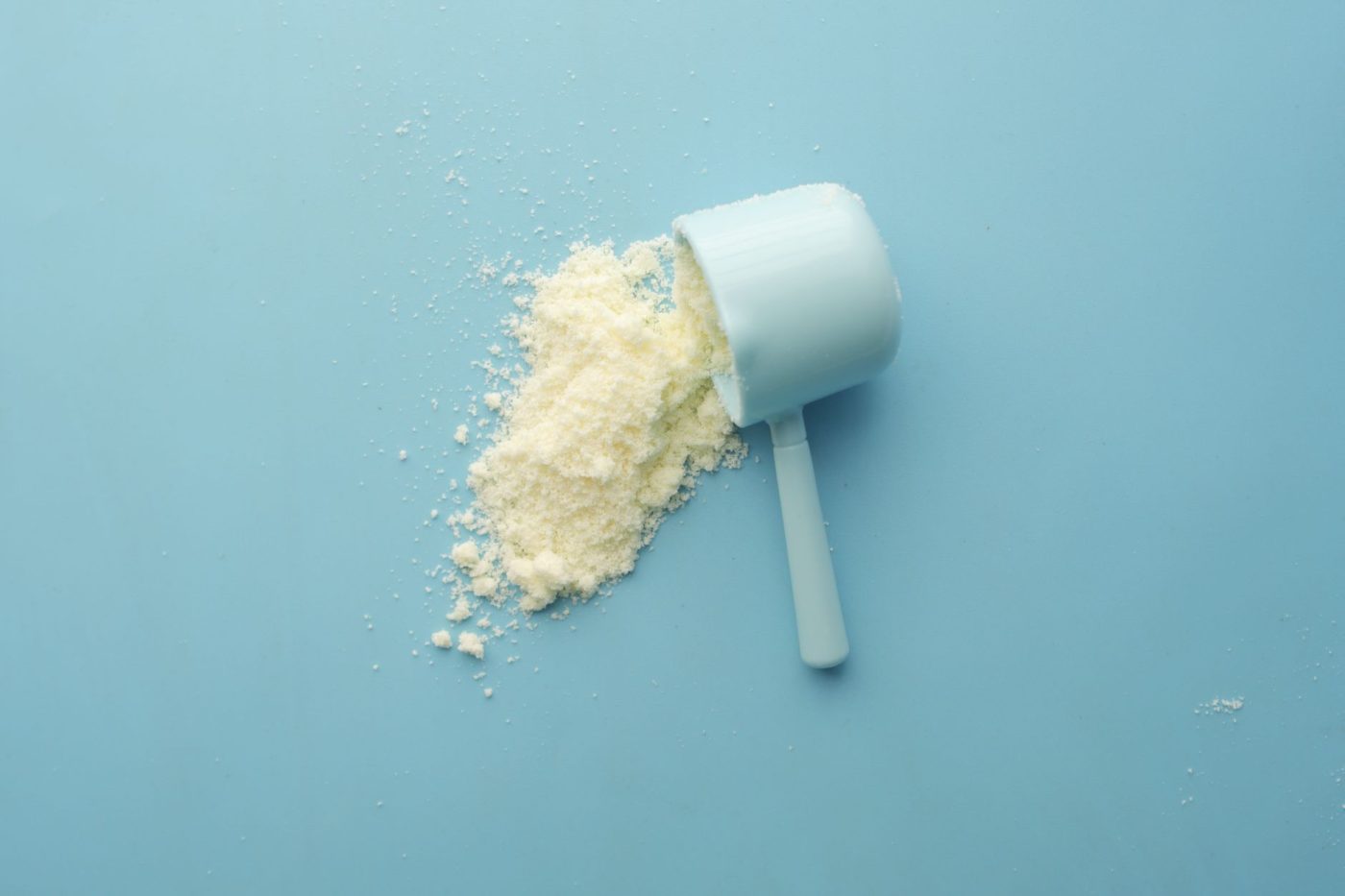
There is no single best protein powder for everyone. The right choice depends on your goals, your budget, whether you avoid dairy, and how your gut tolerates it. This guide cuts through the marketing to explain the main types of protein powder, what the evidence supports, how much you actually need, and the quality signals worth looking for, including third-party testing.
Do you even need protein powder
Protein powder is a convenient food, not a magic supplement. Most people can meet their protein needs from whole foods such as meat, fish, eggs, dairy, beans, and lentils. Powder simply makes it easier to hit a target when appetite, time, or travel gets in the way. If you already eat plenty of high protein foods, you may not need it at all.
Where powder genuinely helps is convenience and portability: a quick post-exercise shake, a higher-protein breakfast on a rushed morning, or extra protein for older adults and vegetarians who struggle to reach their goal. For the bigger picture on requirements, see our complete guide to protein.
The phrase "best protein powder" is really asking several different questions at once. Best for building muscle, best value, best for a dairy-free diet, and best tasting are not the same thing, and the honest answer changes depending on which you mean. Rather than crown a single winner, this guide gives you the framework to match a powder to your own goal, so that the "best" one becomes the one that fits your body, your budget, and your kitchen. That approach is far more useful than any ranking, because a powder that is perfect for a competitive athlete may be an expensive mismatch for a busy parent who just wants a convenient breakfast.
The main types of protein powder
Most confusion in this market comes from not knowing the categories. Here are the common types and their general attributes. Prices are given as broad tiers rather than exact figures, since they vary by brand, size, and retailer.
| Type | Source | General attributes | Typical price tier |
|---|---|---|---|
| Whey concentrate | Dairy | Fast digesting, some lactose and fat, most affordable whey | Budget to mid |
| Whey isolate | Dairy | Higher protein per scoop, very low lactose and fat | Mid to premium |
| Casein | Dairy | Slow digesting, thicker texture, often used before sleep | Mid |
| Plant blend (pea, rice, soy) | Plant | Dairy-free and vegan, texture varies, blends improve amino profile | Mid to premium |
| Egg white | Egg | Dairy-free, complete protein, less common and pricier | Premium |
For dairy-free eaters, a well-formulated vegan protein powder that blends pea and rice can match dairy options closely. If you tolerate dairy and want the leanest choice, our guide to whey protein isolate goes deeper.
What the evidence actually shows
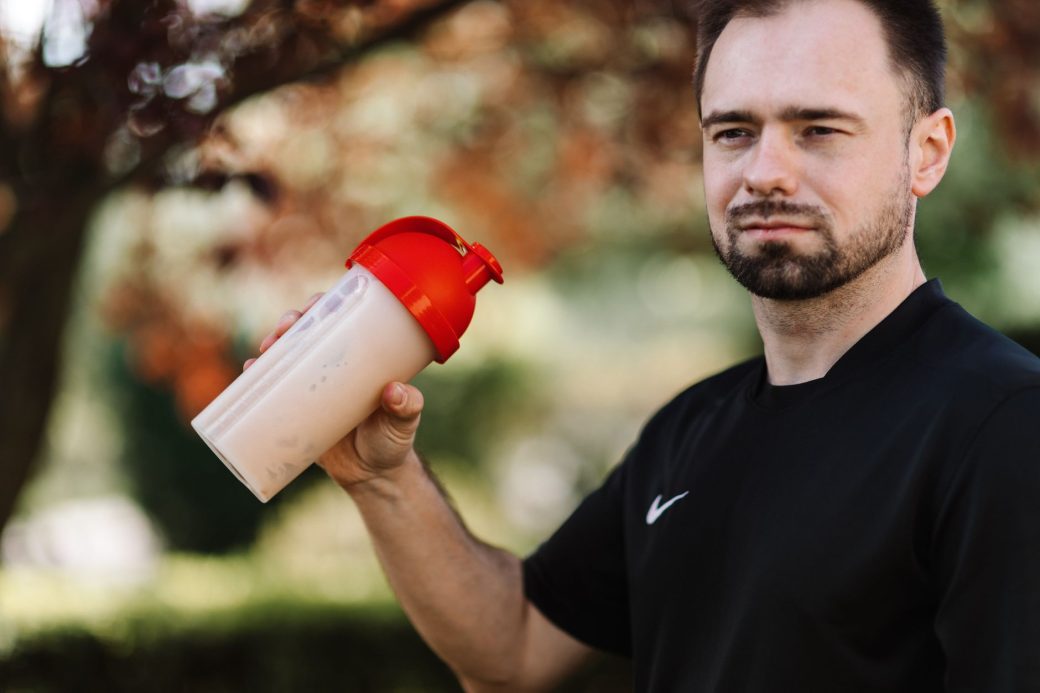
The research here is reassuringly boring: protein supplements help you reach your daily protein target, and hitting that target supports muscle maintenance and growth when combined with resistance training. They do not build muscle on their own.
- Total daily protein is what counts: reviews consistently show that overall intake matters far more than the exact source or timing of a shake.
- Whey has a slight edge for muscle protein synthesis: it is high in leucine and fast absorbed, though the practical difference versus other complete proteins is small when daily totals match.
- Plant proteins work well: especially as blends, they support the same goals, so the choice can come down to diet and preference.
A useful way to think about protein quality is that it matters most when your total intake is low or your food sources are limited. If you already eat a varied diet with meat, fish, eggs, dairy, or a thoughtful mix of plant proteins, the exact powder you choose makes very little difference to your results. It is when you are stretching to hit a higher target, eating fewer animal foods, or working with a small appetite that a higher-quality, complete protein starts to earn its place. This is why blanket claims that one powder is universally superior tend to fall apart on closer inspection.
The Harvard Nutrition Source and the Academy of Nutrition and Dietetics both stress that supplements are an addition to a good diet, not a replacement for one. That framing is worth keeping in mind every time a label promises more than food and training realistically can.
How much and when to use it
General protein guidance for active adults sits around 1.2 to 2.0 grams per kilogram of body weight per day, spread across meals. Most people need only one or two scoops of powder to top up, if any.
- Per serving: most powders provide roughly 20 to 30 grams of protein per scoop, a practical amount for a meal or post-workout top-up.
- Timing is flexible: the old idea of a narrow anabolic window has been overstated, so spreading protein across the day matters more than rushing a shake.
- More is not better: beyond your daily target, extra protein powder simply adds calories and cost.
Casein deserves a brief mention here because it is often marketed as a "night-time" protein. It digests slowly, releasing amino acids over several hours, which is why some people take it before bed. The evidence for a meaningful real-world advantage over simply meeting your daily target is modest, so it is a reasonable option if you enjoy the thicker texture, but not something to worry about if you do not. For most people, a single everyday whey or plant powder covers all needs without buying multiple products.
If you are using shakes as a meal replacement rather than a top-up, read our guide to protein shakes for the trade-offs. Whole-food protein should still form the backbone of your intake, both because it brings fibre, vitamins, and minerals that powders lack, and because chewing real food is more satisfying and filling than drinking your protein.
Tip: Check the label for grams of protein per 100 grams, not just per scoop. A cheap powder with a huge scoop can deliver less protein per pound than it first appears.
Quality, safety, and third-party testing
Supplements are less tightly regulated than medicines, so quality varies. Because powders are not always screened for contaminants or banned substances, independent certification is the single most useful signal for a discerning buyer.
- NSF Certified for Sport: confirms the product has been tested for banned substances and label accuracy, valuable for competing athletes.
- Informed Sport or Informed Choice: another respected third-party testing programme with similar aims.
- Short ingredient lists: a straightforward protein source with minimal fillers and sweeteners is usually a good sign.
- Added extras rarely justify the price: proprietary blends, exotic add-ins, and bold claims often add cost without evidence.
When comparing options, a certified third-party tested whey protein or a quality plant protein blend covers most needs. A simple shaker bottle makes mixing easier.
Some links are affiliate links and we may earn a small commission at no extra cost to you. We only suggest product types we would genuinely consider.
Marketing claims to ignore
The protein aisle is full of promises that the evidence does not support. Being able to spot them saves money.
- "Fat burning" or "toning" protein: no powder burns fat, and results come from your overall diet and training.
- "Anabolic" proprietary blends: undisclosed mixes are a marketing device, not a performance advantage.
- Muscle guarantees: no supplement can promise muscle gain without the training and total nutrition to support it.
Pairing protein with a well-studied basic such as creatine monohydrate is far more evidence-based than chasing flashy blends. The NIH Office of Dietary Supplements is a reliable place to check claims.
So what is the honest bottom line on the best protein powder? For most people who tolerate dairy and want value, a third-party tested whey concentrate is hard to beat. If you are lactose sensitive or want the leanest macros, an isolate is worth the premium. If you avoid dairy, a pea and rice blend does the same job. Beyond that, the differences between reputable products are small, and your money is better spent on a varied diet and consistent training than on the newest premium tub. The best powder, in the end, is a well-made basic that you enjoy, can afford to use consistently, and that helps you hit a protein target you would otherwise miss.
Note: This article is general information, not medical or personalised dietary advice. For guidance tailored to you, speak with a registered dietitian or your doctor.
Have a question or a topic to suggest?
We read every message. Tell us what you would like to see next on the blog.
Get in touchYou may also like
Whey Protein Powder: What the Evidence Actually Says
Whey protein powder is convenient, effective, and heavily hyped. Learn its three forms, what the evidence supports, how much you need, and how to choose a good one without overpaying.
Vegan Protein Powder: What the Evidence Actually Says
Is plant protein really inferior to whey? We review the evidence on vegan protein powder: the complete protein question, what it actually does, how to dose it, and which claims to ignore.
Protein: The Complete Evidence-Based Guide
How much protein do you actually need, and where should it come from? This evidence-based guide covers protein sources, timing, weight management and cutting through powder marketing.