Food Lists With Portions
High Protein Foods: Dietitian-Approved List With Portions
The most reliable high-protein foods across animal and plant sources, with the approximate protein in a realistic serving so you can build meals you enjoy.
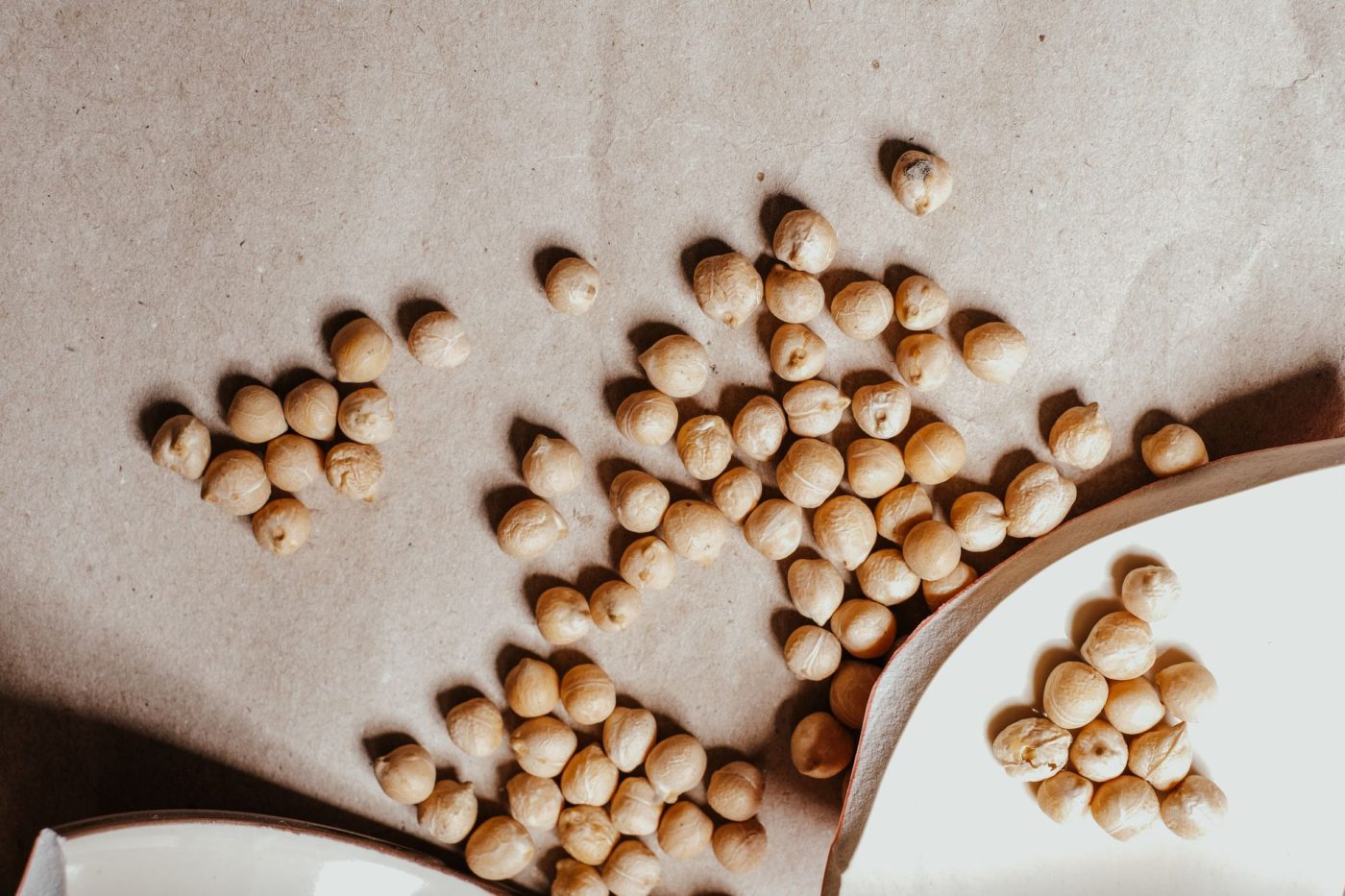
Protein supports muscle, keeps you full, and helps your body repair and function every day. Yet when people try to eat more of it, they often reach for the same two or three foods and quickly get bored. This dietitian-approved list solves that. It gathers the most reliable high-protein foods across every food group, with the approximate protein in a realistic serving, so you can build meals you actually enjoy while comfortably hitting your target.
Why protein matters
Protein is made of amino acids, the building blocks your body uses to construct muscle, enzymes, hormones and immune cells. Unlike fat, the body has no large store of protein to draw on, so a steady daily supply matters, and a shortfall over time can chip away at muscle and slow recovery. Because protein is constantly being broken down and rebuilt, meeting your needs is an everyday job rather than an occasional one. Harvard's Nutrition Source describes protein as an essential macronutrient that should come from a variety of quality sources, with plants and lean options featuring prominently.
- Muscle maintenance: protein provides the raw material to build and repair muscle, especially alongside strength training.
- Satiety: protein is the most filling macronutrient, which helps control appetite and supports weight goals.
- Everyday function: from wound healing to immune defence, protein underpins countless body processes.
Our complete protein guide explains the science in depth, while this article focuses on the practical question of what to put on your plate.
How much protein you need
A general baseline is around 0.8 grams of protein per kilogram of body weight per day, but active people, older adults and anyone building muscle benefit from more, often 1.2 to 2.0 grams per kilogram. Spreading intake across meals, roughly 20 to 40 grams each, works better than loading it all into one sitting.
The practical takeaway is that you do not need to obsess over grams. If you include a solid protein source at each meal and a protein-rich snack or two, most people reach a healthy intake naturally. As a rough guide, a palm-sized portion of meat or fish, three eggs, a large pot of Greek yoghurt, or a generous cupful of cooked pulses each land in the useful 20 to 40 gram range. Stack three or four of those across the day and even a fairly high target falls into place without any weighing or tracking. The NHS Eat Well guidance stresses variety across meat, fish, eggs, dairy, beans and pulses, and that variety is what keeps a high-protein diet nutritious rather than narrow.
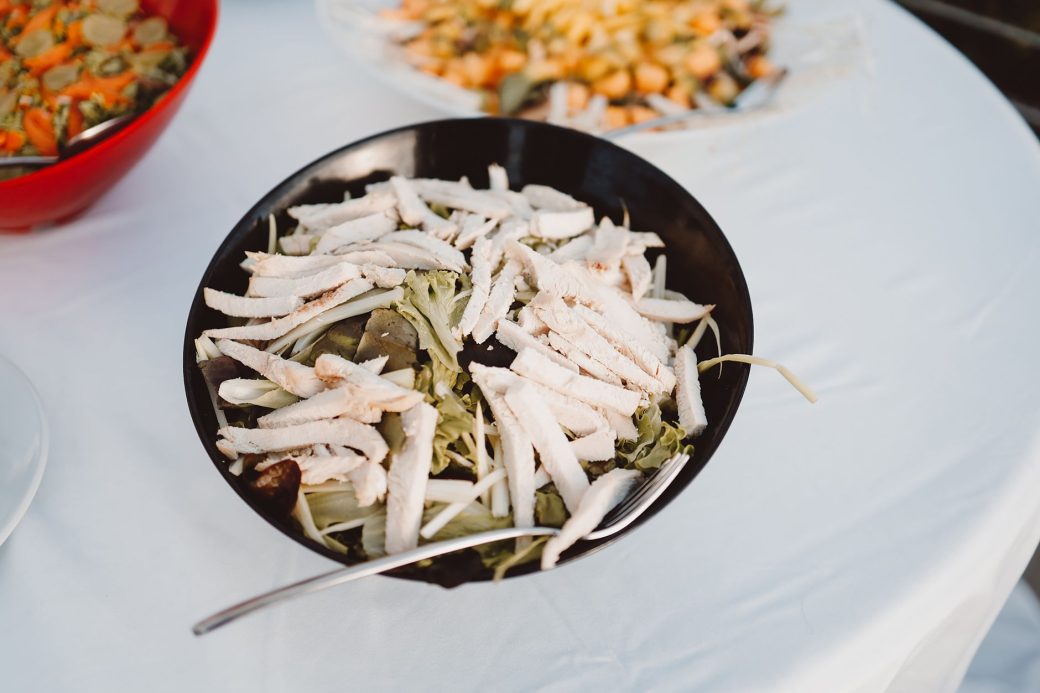
The high-protein foods list with portions
Here are dependable high-protein foods with the approximate protein in a normal serving. Values are rounded and vary by cut, brand and cooking method, so treat them as a working guide.
| Food | Typical serving | Approx. protein |
|---|---|---|
| Chicken breast, cooked | 1 fillet (about 120 g) | 36 g |
| Salmon, cooked | 1 fillet (about 120 g) | 30 g |
| Lean beef mince, cooked | 100 g | 26 g |
| Greek yoghurt | 1 cup (about 170 g) | 17 g |
| Cottage cheese | 1/2 cup (about 110 g) | 13 g |
| Lentils, cooked | 1 cup (about 200 g) | 18 g |
| Tofu, firm | 100 g | 12 g |
| Eggs | 2 large | 13 g |
| Tinned tuna | 1 small tin (about 100 g) | 25 g |
| Edamame | 1 cup (about 155 g) | 18 g |
Tip: Anchor each meal with a protein source first, then build carbs and vegetables around it. This one habit does more for your daily total than any single food.
Animal protein sources
Animal foods are complete proteins, meaning they contain all nine essential amino acids in useful amounts. They are the most protein-dense options and easy to portion, which makes them a dependable anchor for a meal when you want to be sure of hitting a target. Choosing leaner cuts and simple cooking methods keeps the calories in check while the protein stays high.
- Poultry: chicken and turkey breast are lean, versatile and very high in protein per calorie.
- Fish and seafood: salmon, tuna, prawns and white fish offer protein plus, in oily fish, beneficial omega-3 fats.
- Eggs and dairy: eggs, Greek yoghurt, cottage cheese and milk deliver quality protein and pair well with other foods.
- Lean red meat: beef and pork trimmed of fat provide protein plus iron and zinc; enjoy in moderation.
For quick options between meals, our high protein snacks list and high protein breakfast guide turn these staples into grab-and-go choices.
Plant protein sources
Plant proteins bring fibre, vitamins and minerals alongside their protein, and combining a few sources across the day easily covers all the amino acids you need. They are also budget-friendly and store well.
- Pulses: lentils, chickpeas, black beans and kidney beans are protein and fibre powerhouses.
- Soya foods: tofu, tempeh and edamame are complete plant proteins that suit countless dishes.
- Nuts and seeds: almonds, peanuts, pumpkin seeds and hemp seeds add protein to snacks and meals.
- Wholegrains: quinoa, oats and wholewheat contribute meaningful protein across the day.
Our protein rich foods list and protein foods guide expand on these with more variety.
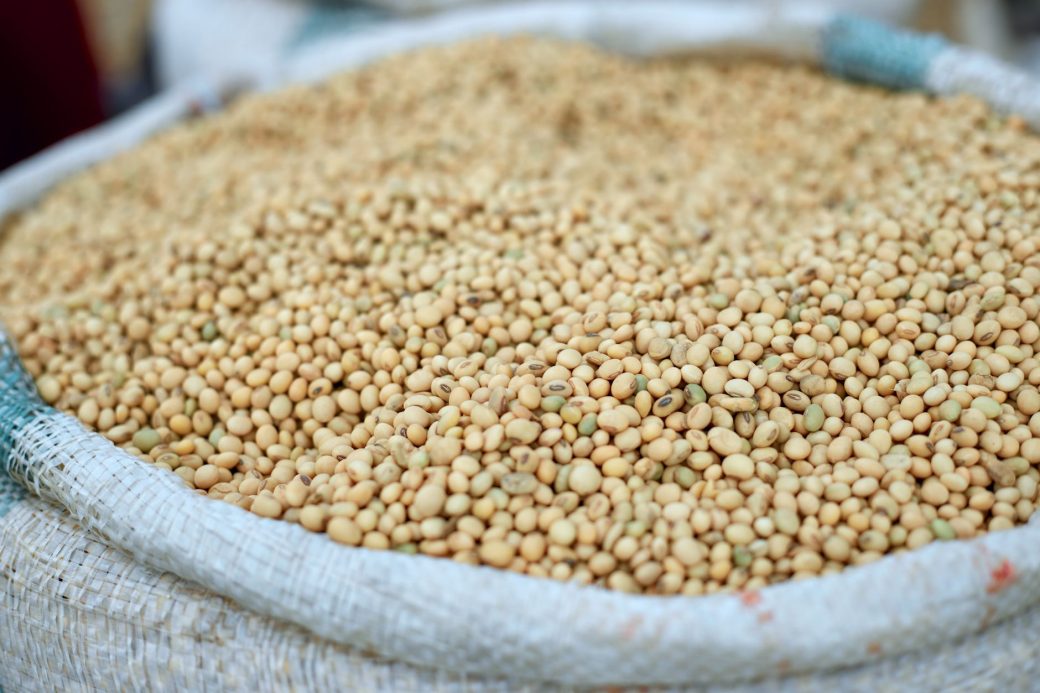
Convenient protein boosters
Whole foods should form the base of your protein intake, but a few convenient additions help on busy days or when appetite is low.
Some links are affiliate links and we may earn a small commission at no extra cost to you. We only suggest product types we would genuinely consider.
- Protein powder: a tub of whey protein powder or plant protein powder tops up meals and smoothies with a measured dose.
- Nut butter: a jar of natural peanut butter adds protein and healthy fat to toast, porridge and snacks.
- Roasted edamame or chickpeas: shelf-stable roasted chickpea snacks make a crunchy, protein-rich alternative to crisps.
Choose minimally processed versions and check labels for added sugar and salt. For a fuller comparison of powders, see our best protein powder review.
Putting it together
Building a high-protein diet is less about any single superfood and more about consistency across the day. A protein-rich breakfast, a solid lunch and dinner, and a protein snack or two will comfortably meet most people's needs. The Academy of Nutrition and Dietetics recommends spreading protein evenly across meals for the best use by the body.
Rotate your sources so you get variety and a broad nutrient profile, lean on pulses and plants for fibre and value, and reserve powders for genuine gaps rather than as a foundation. It also helps to plan protein into the meals you find hardest, which for most people is breakfast, since a protein-light start tends to leave the whole day playing catch-up. Keep a few reliable defaults on hand, such as eggs, yoghurt, tinned fish and a bag of frozen edamame, so a protein-rich option is always within reach. Do that, and hitting your protein target becomes effortless and enjoyable rather than a daily calculation.
Protein through the day
Where people most often fall short is not dinner, which is usually protein-rich, but breakfast and snacks, which tend to lean on carbohydrate. Front-loading some protein earlier in the day steadies appetite and makes the daily target far easier to reach. A useful mental model is to aim for a meaningful protein source at every eating occasion rather than saving it all for the evening.
Distribution matters because the body uses protein most effectively when it arrives in moderate amounts across the day. Rather than one very large protein hit, several servings of 20 to 40 grams support muscle maintenance more reliably. This is why a protein-rich breakfast and a protein snack can move the needle more than simply piling extra chicken onto dinner.
- Breakfast: eggs, Greek yoghurt, cottage cheese or a protein-topped porridge lift the morning total.
- Lunch and dinner: anchor each with a palm-sized portion of dense protein or a generous cupful of pulses.
- Snacks: yoghurt, a boiled egg, edamame or a small handful of nuts bridge the gaps.
- Around training: a protein-containing meal or snack within a few hours of exercise supports recovery.
Common pitfalls are easy to fix once you spot them: a carb-only breakfast, snacks with little protein, and relying on a single huge evening meal to carry the whole day. Smoothing protein across meals solves all three. For meal-by-meal ideas, our high protein meals guide is a practical next step.
Note: This article is general information, not medical or personalised dietary advice. For guidance tailored to you, speak with a registered dietitian or your doctor.
Sources and further reading
Have a question or a topic to suggest?
We read every message. Tell us what you would like to see next on the blog.
Get in touchYou may also like
Protein: The Complete Evidence-Based Guide
How much protein do you actually need, and where should it come from? This evidence-based guide covers protein sources, timing, weight management and cutting through powder marketing.
Protein Rich Foods: Dietitian-Approved List With Portions
A dietitian-approved list of protein rich foods grouped by type, with realistic portions, protein amounts and simple swaps to hit your daily target.

High Protein Snacks: Dietitian-Approved List With Portions
The best high-protein snacks keep you fuller and help you hit your daily target. Here is a categorised list with realistic portions, protein amounts and easy prep ideas.