Nutrition Basics · Nutrition Basics
Calorie Count: The Complete Evidence-Based Guide
What a calorie is, how counting works, where it goes wrong, and how to use it as a helpful tool rather than a stress.
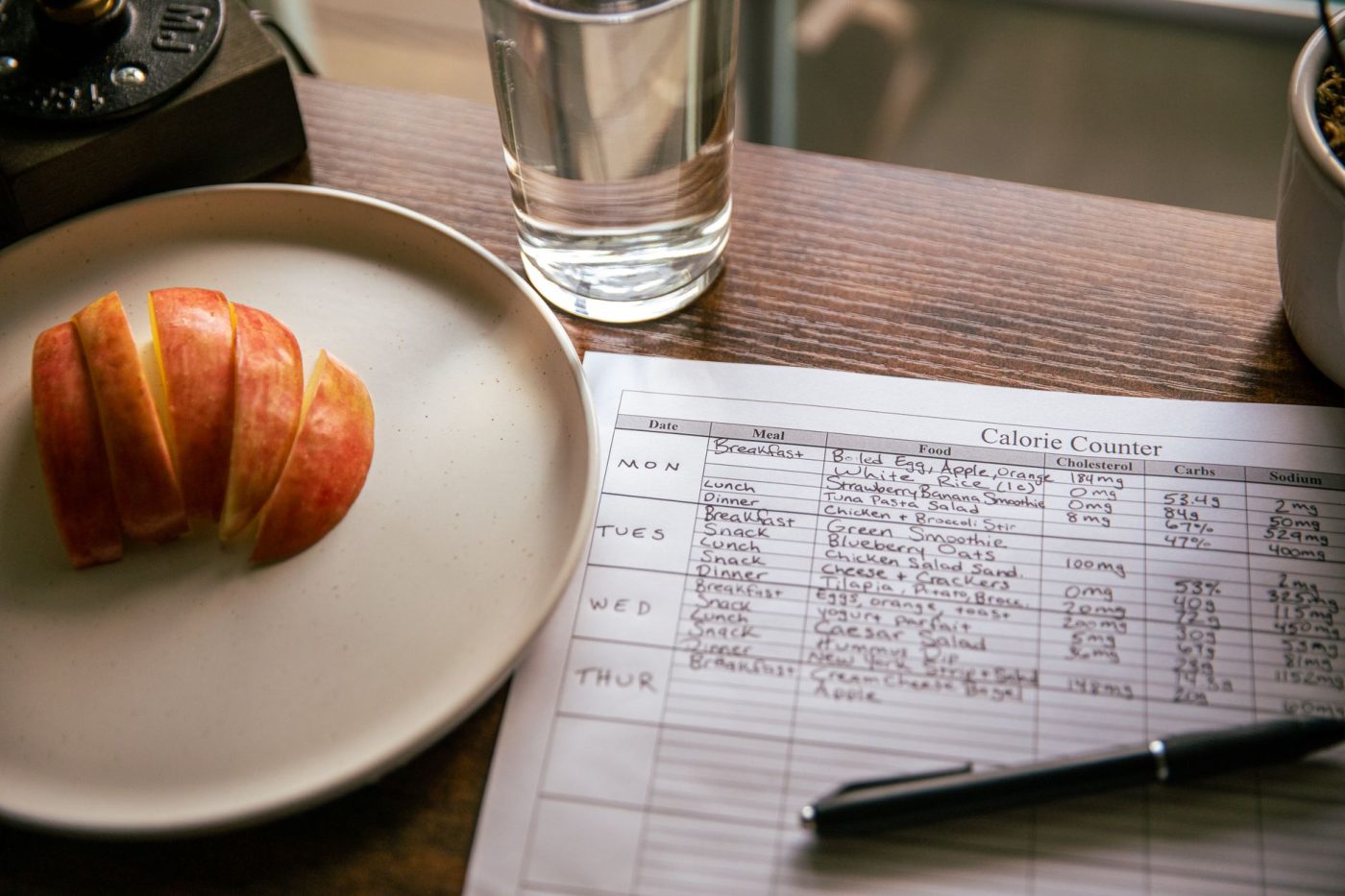
Calorie counting is one of the oldest and most talked-about tools in nutrition, praised by some and dismissed by others. Done well, keeping a calorie count can build awareness and support a health goal. Done badly, it can become stressful and inaccurate. This evidence-based guide explains what a calorie actually is, how counting works, where it goes wrong, and how to use it as a helpful tool rather than a source of anxiety.
What a calorie really is
A calorie is simply a unit of energy. When you see calories on a food label, they describe how much energy that food provides when your body breaks it down. Your body uses that energy for everything from breathing and thinking to walking and exercising. The technical unit on labels is the kilocalorie, often written as kcal, though in everyday language people just say calories.
The three energy-providing macronutrients contribute different amounts: carbohydrate and protein each provide roughly four calories per gram, fat provides about nine, and alcohol about seven. Understanding this is the foundation of any sensible calorie count, and it connects to the broader picture of nutrition and how food fuels the body.
This is also why fat-rich foods carry more calories in a small package. A spoonful of oil, a handful of nuts or a slice of cheese all pack a lot of energy into a little volume, while foods high in water and fibre, like vegetables and fruit, carry far fewer calories for the same weight. Grasping this idea, sometimes called energy density, often does more for everyday choices than memorising individual numbers, because it explains at a glance why some foods fill you up cheaply and others do not.
How calorie counting works
Calorie counting means tracking the energy you take in from food and drink, usually against an estimate of the energy you burn. The idea rests on energy balance: over time, taking in more energy than you use tends to lead to weight gain, taking in less tends to lead to weight loss, and matching the two tends to keep weight stable.
- Read the label: most packaged foods list calories per 100g and per portion, so you scale to what you actually eat.
- Weigh or estimate portions: a set of kitchen scales makes counting far more accurate than guessing by eye.
- Log the day: a notebook or app adds up your intake so you can compare it with your target.
- Review and adjust: use a week or two of data to see whether your estimate matches reality, then tweak your target based on what actually happens.
The adjusting step is the one people skip, yet it is where counting becomes genuinely useful. Calculators only estimate your needs, so real-world results over a couple of weeks are a better guide than any formula.
For weight loss specifically, this is the mechanism behind a calorie deficit, and it applies within any structured weight loss diet regardless of the food style it uses.

How many calories do you need
There is no single correct number, because calorie needs depend on your size, age, sex, muscle mass and activity level. General reference intakes are often quoted as around 2000 calories a day for women and 2500 for men, but these are population averages, not personal prescriptions. An active, larger person may need considerably more, while a smaller, less active person may need less.
| Factor | Effect on needs |
|---|---|
| Body size and muscle mass | More tissue generally means higher needs |
| Activity level | More movement and exercise raises needs |
| Age | Needs often decline gradually with age |
| Sex | Averages differ, largely due to body composition |
| Health and life stage | Pregnancy, illness and recovery can change needs |
The NHS uses these average figures as a starting reference while stressing that individual needs vary. Treat any calculator result as an estimate to test and adjust, not a fixed truth.
Where calorie counting goes wrong
Calorie counting is more of an estimate than an exact science, and knowing its limits helps you use it wisely rather than trusting it blindly.
- Label tolerance: calorie figures on packages are allowed a margin of error, so they are close rather than exact.
- Portion guesswork: eyeballing servings, especially of calorie-dense foods like oils, nuts and cheese, easily introduces large errors.
- Burn estimates: fitness trackers and machines often overstate calories burned, so relying on them can mislead you.
Because of these gaps, chasing perfect precision is a losing game. The value of counting is the awareness and consistency it builds, not decimal-point accuracy.
Tip: Weigh calorie-dense foods rather than measuring by spoon or eye. A single tablespoon of oil is around 120 calories, and casual pouring can add hundreds of unlogged calories over a day.
Quality matters, not just the number
A calorie count tells you about energy, but it says nothing about nutrition. Two hundred calories of soft drink and two hundred calories of lentils affect your fullness, blood sugar and nutrient intake very differently. Focusing only on the number risks pushing you toward low-calorie but nutrient-poor choices.
This is why many dietitians frame calories as one lens among several. Protein and fibre, for example, increase fullness for relatively few calories, which is why high protein foods and low calorie foods feature so heavily in sustainable plans. The Harvard Nutrition Source emphasises overall diet quality alongside energy balance.
A useful way to hold both ideas at once is to picture calories as the budget and nutrients as what you buy with it. You could spend a day's budget on sugary drinks and biscuits and stay within your calorie target, but you would arrive at the end hungry and short on vitamins, minerals, protein and fibre. Spend the same budget on vegetables, wholegrains, lean protein and fruit and you get more food, more fullness and far more nourishment. The number on the label sets the limit, but quality decides how well that limit serves you.

Tools that make counting easier
You do not need much to count calories, but a couple of tools improve accuracy and reduce the mental load. The two that make the biggest difference are a way to measure portions and a way to log them.
A simple set of kitchen scales transforms accuracy, turning vague portions into real numbers, and many people find a reusable food diary helpful for spotting patterns over a week. These range from inexpensive basic models to sturdier premium versions, and a free tracking app on your phone works just as well as paid options for most people.
Some links are affiliate links and we may earn a small commission at no extra cost to you. We only suggest product types we would genuinely consider.
Should you count calories at all
Calorie counting suits some people and not others. For those who like data and structure, it can be a powerful, temporary learning tool that builds lasting awareness of portions and food energy. For others, especially anyone with a history of disordered eating, tracking numbers can become unhealthy, and gentler approaches like portion guides, balanced plates and hunger cues work better.
It also helps to zoom out from single days to weeks. One higher day does not undo progress, and one very low day is not a triumph. Bodies do not settle debts every twenty-four hours, so what matters is the average over time. Fixating on hitting an exact number each day tends to create stress and all-or-nothing thinking, whereas aiming for a sensible weekly pattern is both more accurate and far easier to live with.
A common and sensible approach is to count for a while to learn what balanced portions look like, then step back and rely on that knowledge without logging every bite. Whatever you choose, calories are a guide, not a verdict on the day. If counting causes stress or you are unsure how to set a target safely, a professional can help. The Academy of Nutrition and Dietetics offers balanced guidance on tracking intake without obsession.
Note: This article is general information, not medical or personalised dietary advice. For guidance tailored to you, speak with a registered dietitian or your doctor.
Sources and further reading:
- NHS on calories and reference intakes.
- Harvard Nutrition Source on calories and diet quality.
- Academy of Nutrition and Dietetics on tracking intake sensibly.
Have a question or a topic to suggest?
We read every message. Tell us what you would like to see next on the blog.
Get in touchYou may also like

Calorie Deficit: The Complete Evidence-Based Guide
A calorie deficit sits underneath every method of fat loss. Learn what it really is, how to set a modest, sustainable one, what the evidence supports, and the traps that stall progress.
Low Calorie Foods: Dietitian-Approved List With Portions
A practical, categorised list of low calorie foods with portions and approximate calories. Learn the energy density principle, the best lean proteins and vegetables, smart swaps and mistakes to avoid.
Weight Loss Diet: The Complete Evidence-Based Guide
A weight loss diet is any pattern that holds a modest energy deficit while keeping you nourished. Here is what the evidence shows and how to build a plan you can actually keep going.