Popular Diets · Popular Diets
DASH Diet: The Complete Evidence-Based Guide
How the DASH diet lowers blood pressure, what the research supports, the foods it emphasises and limits, and a practical way to get started.

The DASH diet stands for Dietary Approaches to Stop Hypertension, and it is one of the best studied eating patterns for blood pressure and heart health. Unlike restrictive fad diets, it is a balanced, whole food approach that most people can follow for life. This guide explains what the DASH diet is, what the research supports, and how to start it in a practical, sustainable way.
What is the DASH diet
The DASH diet was developed by researchers to help lower blood pressure through food rather than medication alone. It emphasises vegetables, fruit, wholegrains, lean protein and low fat dairy, while limiting salt, added sugar and saturated fat. Rather than cutting out food groups, it rebalances the plate toward foods rich in potassium, calcium, magnesium and fibre, which together support healthy blood pressure.
Because it is a flexible pattern rather than a strict rulebook, DASH is easy to adapt to different tastes and budgets. It overlaps closely with other heart friendly patterns, and many of its principles mirror the Mediterranean diet. The main distinguishing feature of DASH is its specific focus on reducing sodium and increasing the minerals that help counter its effects.
How DASH works
DASH lowers blood pressure through a combination of changes rather than any single food. Cutting sodium reduces fluid retention and eases pressure on blood vessels, while boosting potassium helps the body balance sodium. Wholegrains, fruit and vegetables add fibre and support a healthy weight, and low fat dairy contributes calcium. These effects work together, which is why the whole pattern matters more than any one ingredient.
Two versions exist, a standard plan aiming for around 2,300 milligrams of sodium a day and a lower sodium version targeting about 1,500 milligrams. The lower sodium version tends to produce a larger drop in blood pressure. To increase the helpful minerals, our lists of potassium rich foods and foods high in magnesium pair naturally with the DASH approach.
What the research shows
DASH is unusually well supported. It was designed and tested in clinical trials specifically for blood pressure, and it consistently produces measurable reductions, particularly in people with raised blood pressure. It is regularly recommended by health authorities as a first line dietary approach for hypertension and is frequently ranked among the healthiest overall eating patterns.
The benefits reach beyond blood pressure. Because DASH is rich in fibre and low in saturated fat and added sugar, it also supports heart health and healthy weight more broadly. As with any diet, the results depend on actually following it, and it is a pattern for long term health rather than a quick fix. For a deeper look at its clinical use, see our guide to the DASH diet for hypertension.
- Strong evidence: lowering blood pressure, especially the lower sodium version.
- Good evidence: supporting heart health and healthy cholesterol patterns.
- Reasonable evidence: aiding weight management as part of a balanced diet.
- Not claimed: DASH is a supportive pattern, not a cure for any condition.
Foods to enjoy
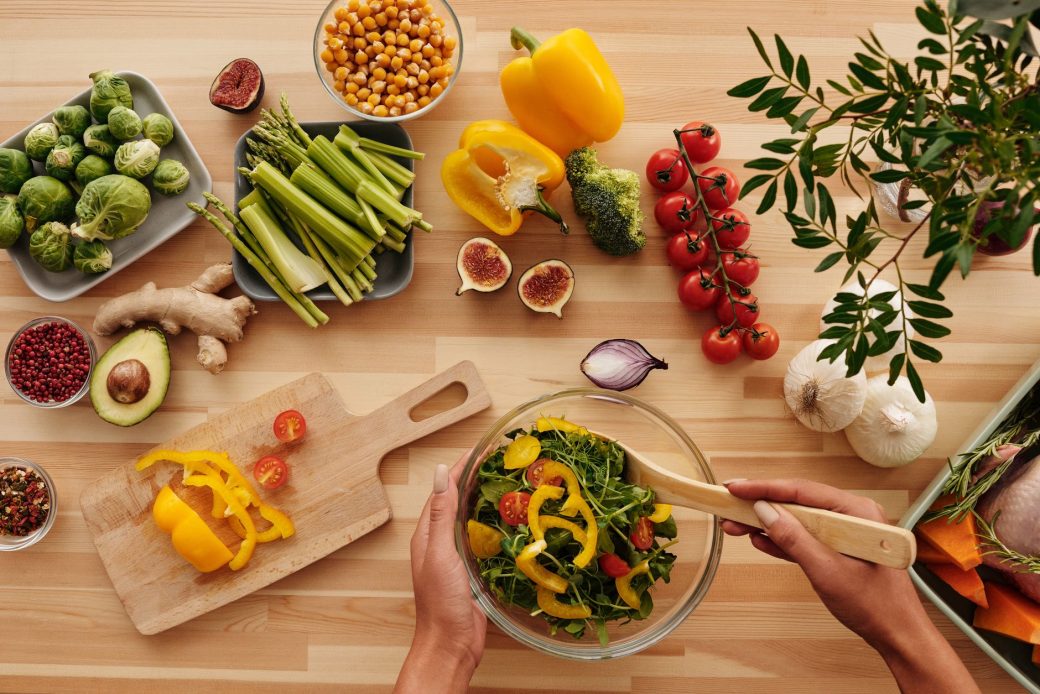
The DASH plate is built from affordable, everyday foods. Nothing exotic is required, and most changes are gradual swaps rather than dramatic cuts.
- Vegetables: aim for several portions a day across a range of colours.
- Fruit: two or more portions daily, fresh or frozen, for potassium and fibre.
- Wholegrains: oats, wholegrain bread, brown rice and other higher fibre carb foods.
- Lean protein: fish, skinless poultry, beans and lentils in place of fatty and processed meat.
- Low fat dairy: milk, yoghurt and modest cheese for calcium.
- Nuts and seeds: a small handful several times a week for healthy fats and minerals.
Many of these choices double as classic heart healthy foods, so following DASH tends to improve overall diet quality at the same time.
Foods to limit
DASH does not ban foods, but it does ask you to rein in a few that raise blood pressure or crowd out better options.
- Salt: the main target, so cut back on processed foods, ready meals and added table salt.
- Added sugar: sugary drinks and sweets kept as occasional treats rather than daily habits.
- Saturated fat: smaller amounts of fatty meat, butter and full fat dairy.
- Processed and cured meats: often very high in salt, so best kept infrequent.

A sample DASH day
This is an illustration to show the shape of a DASH day, not a prescription. Portions depend on your appetite, activity and goals.
| Meal | Example | Rough portion |
|---|---|---|
| Breakfast | Porridge with banana and a handful of berries | 1 bowl |
| Lunch | Wholegrain wrap with chicken, salad and low fat yoghurt | 1 wrap plus salad |
| Snack | An apple and a small handful of unsalted nuts | 1 fruit plus 20 g nuts |
| Dinner | Baked fish with roasted vegetables and brown rice | 1 plate |
| Drinks | Water, milk or unsweetened tea | To taste |
Tip: Rather than reaching for the salt, build flavour with herbs, spices, garlic, lemon and vinegar. Your palate adjusts within a couple of weeks, and food rarely tastes bland once you give it time.
Pros and cons
Like any eating pattern, DASH has strengths and trade offs worth weighing honestly.
- Well evidenced: one of the most studied diets for blood pressure and heart health.
- Balanced and flexible: no banned food groups, which makes it easy to sustain.
- Nutrient dense: naturally high in fibre, potassium, calcium and magnesium.
- Effort to lower salt: cutting sodium takes label reading and some cooking from scratch.
- Not a rapid diet: designed for long term health, so results build gradually.
Reducing salt is easier when you cook at home, and a simple salt free seasoning blend in the budget tier can help you keep meals flavourful without added sodium.
Some links are affiliate links and we may earn a small commission at no extra cost to you. We only suggest product types we would genuinely consider.
Who it suits and how to start
DASH suits almost anyone who wants a balanced, heart friendly way of eating, and it is especially useful for people with raised blood pressure or a family history of heart disease. It adapts well to vegetarian eating and to different cuisines. Because it centres whole foods and portion balance, it also supports a healthy weight, which ties into our broader weight loss diet guidance.
To begin, add an extra portion of vegetables to two meals a day, swap refined grains for wholegrains, and start trimming salt by cooking more from scratch. The NHS offers practical advice on cutting salt, while the WHO recommends limiting sodium for population heart health. Anyone on blood pressure medication should make dietary changes in discussion with their doctor.
Note: This article is general information, not medical or personalised dietary advice. For guidance tailored to you, speak with a registered dietitian or your doctor.
Sources and further reading:
- NHS on salt, blood pressure and healthy eating.
- Harvard Nutrition Source for an overview of the DASH diet.
- World Health Organization on sodium reduction for heart health.
Have a question or a topic to suggest?
We read every message. Tell us what you would like to see next on the blog.
Get in touchYou may also like
DASH Diet for Hypertension: Evidence-Based Guide From a Dietitian
A dietitian-written guide to the DASH diet for blood pressure: how it works, what the evidence shows, foods to choose, cutting salt and staying safe with your care team.
Mediterranean Diet: The Complete Evidence-Based Guide
One of the most studied eating patterns in the world. Learn what the Mediterranean diet is, what the evidence supports, foods to enjoy and limit, and how to start with simple swaps.
Heart Healthy Foods: Dietitian-Approved List With Portions
No single food protects your heart, but the right everyday pattern does. This dietitian-approved list groups heart healthy foods by type, with realistic portions and swaps that add up to protective eating.