Diet & Nutrition (General) · Diet & Nutrition (General)
Diet: The Complete Evidence-Based Guide
What a healthy diet looks like, how the popular plans compare and how to choose a pattern you can actually keep.
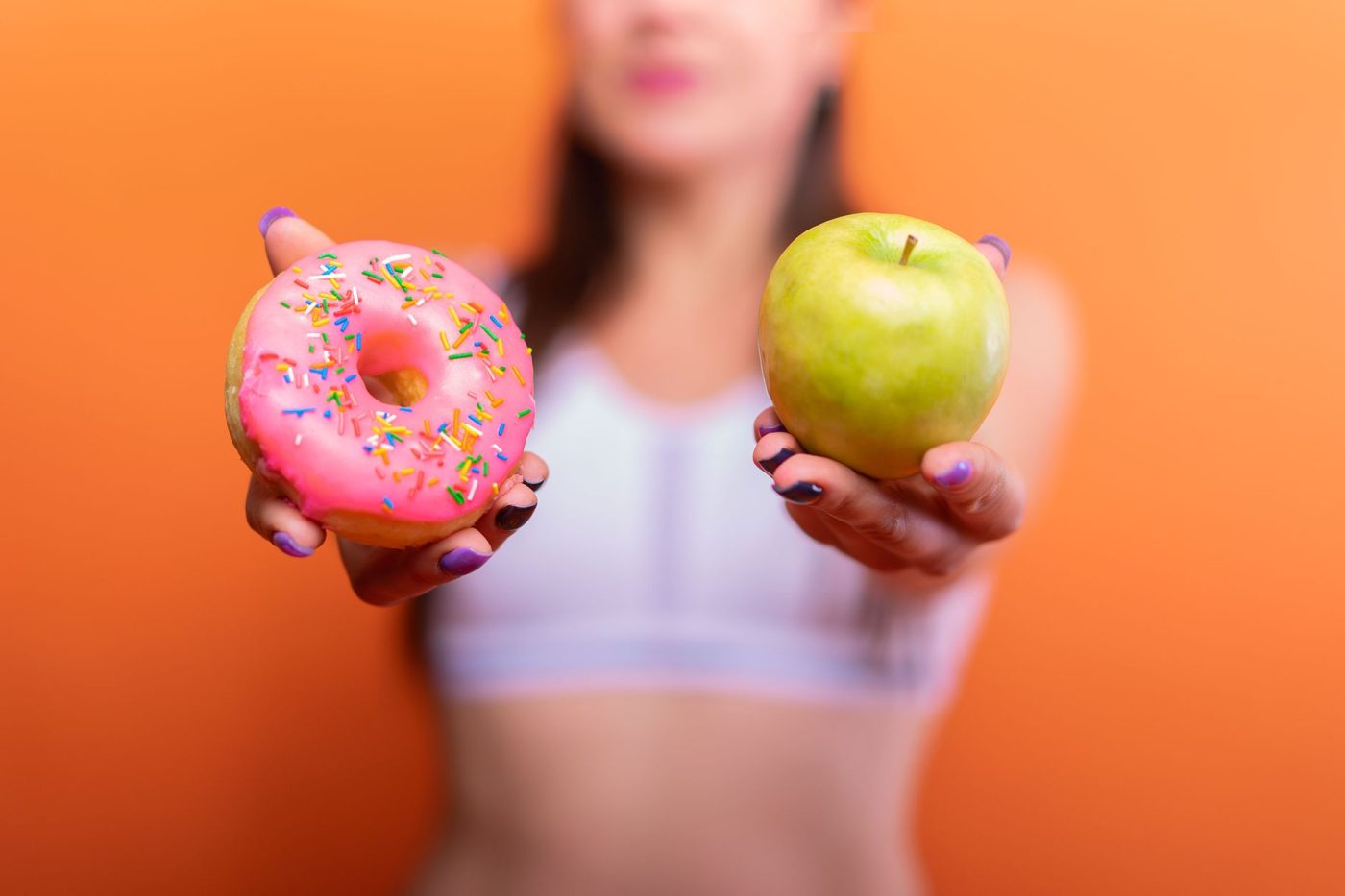
The word diet means two different things: the pattern of food you eat every day, and a short-term plan to lose weight. This guide focuses on the first, because that is what the evidence says matters most for health and, ironically, for weight too. We will cover what a healthy diet looks like, how the popular named diets compare, what actually drives results, and how to choose an approach you can stick with.
What a diet really is
Your diet is simply the sum of what you eat and drink. That means everyone is always on a diet, whether they think about it or not. The useful question is not whether to diet, but whether your usual pattern supports the health and goals you care about.
Decades of research point to a consistent conclusion: no single "best diet" beats all others for everyone. Several very different patterns produce good health outcomes, and the one that works is the one you can maintain. That is why our overview of nutrition and this guide both start with principles rather than a rulebook.
What a healthy diet looks like
Across cultures and cuisines, healthy eating patterns share the same core features. The World Health Organization and the NHS describe broadly the same picture.
- Plenty of vegetables and fruit: aim for at least five portions a day, in a range of colours.
- Whole grains over refined: wholemeal bread, oats, brown rice, and wholewheat pasta for fibre and steadier energy.
- Quality protein: fish, poultry, eggs, beans, lentils, and dairy or alternatives.
- Healthy fats: olive oil, nuts, seeds, and oily fish rather than an emphasis on fried and processed foods.
- Less of the extras: limit added sugar, salt, and ultra-processed foods rather than banning them entirely.
This is essentially the shape of the well-studied Mediterranean diet, one of the most consistently health-promoting patterns in the research.
How the popular diets compare
Named diets tend to differ in what they restrict, but they share more than their marketing suggests. Most that work do so by helping you eat fewer calories, more protein, or more whole foods, often without saying so.
| Diet | Main idea | May suit | Watch-outs |
|---|---|---|---|
| Mediterranean | Plants, olive oil, fish, whole grains | General health, heart health | Few; widely recommended |
| Low carb or keto | Cut carbohydrates sharply | Some appetite control, short-term loss | Restrictive, harder to sustain |
| Intermittent fasting | Limit eating to set windows | People who prefer fewer meals | Not for everyone; can trigger overeating |
| Plant-based | Mostly or entirely plants | Health and environmental goals | Plan for B12, iron, and protein |
| Calorie counting | Track energy intake | People who like structure and data | Can feel tedious; not for all |
For deeper dives, see our guides to the keto diet and to intermittent fasting. The Harvard Nutrition Source reviews these patterns without hype.
What actually drives results
Strip away the branding and a few principles do most of the work, whatever the plan is called.
- Energy balance: weight change comes down to calories in versus out, which named diets influence indirectly.
- Protein and fibre: both improve fullness, making a healthier intake easier to sustain.
- Food quality: whole, minimally processed foods are easier to eat sensibly and support health beyond weight.
- Consistency over perfection: a good-enough pattern you keep beats a perfect one you abandon.
Tip: Before starting any restrictive diet, ask one question: could I still eat this way in a year? If the honest answer is no, tweak your current pattern instead. Sustainable beats dramatic almost every time.
Using diet for weight loss
If weight loss is the goal, the mechanism is a sustained energy deficit, however you reach it. The plan is just the packaging around that idea. Our guide to the calorie deficit explains the science, and the best diet for healthy weight loss guide helps you choose an approach.
- Aim for a modest deficit: slow, steady loss is easier to keep off than crash dieting.
- Keep protein high: it protects muscle and curbs hunger while you lose fat.
- Do not cut whole food groups needlessly: restriction that feels punishing rarely lasts.

Diets for specific health needs
Some people need a tailored pattern for a medical reason, and this is where a registered dietitian earns their keep. Self-directed restriction for a health condition can do harm if it is not done properly.
- Diabetes: managing carbohydrate quality and portions, covered in our diabetic diet guide.
- High blood pressure: the DASH pattern is well evidenced for lowering blood pressure.
- Digestive conditions: approaches such as low FODMAP should be guided by a professional.
- Allergies and intolerances: avoid cutting foods unnecessarily; get a proper diagnosis first.
How to choose a diet you can keep
The best diet for you fits your life, your tastes, your budget, and your health needs. Use a simple checklist rather than the latest trend.
- Is it flexible enough to live with? Rigid rules tend to break.
- Does it include foods you enjoy? Pleasure supports adherence.
- Is it nutritionally complete? If it cuts whole groups, plan the replacements.
- Would a dietitian recognise it as balanced? If a plan promises miracles, be sceptical.
For personalised guidance, the British Dietetic Association can help you find a registered dietitian, and our guide to the dietitian role explains what to expect.
Note: This article is general information, not medical or personalised dietary advice. For guidance tailored to you, speak with a registered dietitian or your doctor.
Have a question or a topic to suggest?
We read every message. Tell us what you would like to see next on the blog.
Get in touchYou may also like
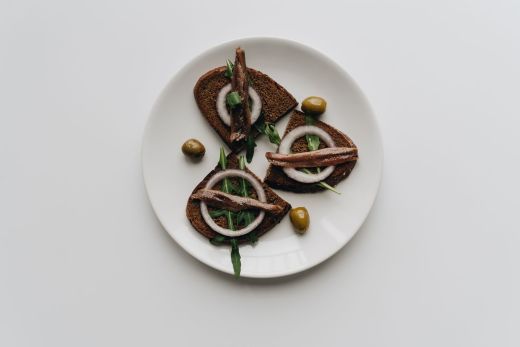
Mediterranean Diet: The Complete Evidence-Based Guide
One of the most studied eating patterns in the world. Learn what the Mediterranean diet is, what the evidence supports, foods to enjoy and limit, and how to start with simple swaps.
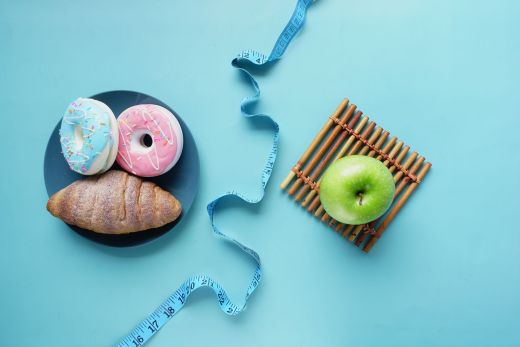
Calorie Deficit: The Complete Evidence-Based Guide
A calorie deficit sits underneath every method of fat loss. Learn what it really is, how to set a modest, sustainable one, what the evidence supports, and the traps that stall progress.
Best Diet for Healthy Weight Loss: The Complete Evidence-Based Guide
There is no single best diet, but the evidence points to clear traits that healthy weight loss diets share. Compare the popular options and learn how to choose one you can keep.