Keto & Low Carb · Keto & Low Carb
Keto Diet: The Complete Evidence-Based Guide
How the ketogenic diet works, what science supports, the foods it uses, and the honest pros and cons of very low carbohydrate eating.

The keto diet is a very low carbohydrate, high fat way of eating designed to shift your body into a metabolic state called ketosis. It has a loyal following and a genuine evidence base for certain uses, but it is also widely oversold. This guide explains what the ketogenic diet actually is, what the research supports, who tends to benefit, and the practical trade offs to weigh before you try it.
What is the keto diet
The ketogenic diet drastically restricts carbohydrate, usually to around 20 to 50 grams a day, and replaces those calories mostly with fat. When carbohydrate is scarce, the body has less glucose to burn, so the liver starts converting fat into molecules called ketones that muscles and the brain can use for fuel. Reaching that state is known as ketosis, which you can read more about in our guide to ketosis.
A typical keto split is roughly 70 to 75 percent of calories from fat, 15 to 20 percent from protein and only 5 to 10 percent from carbohydrate. That is a big departure from most everyday diets, and it means bread, pasta, rice, most fruit, and many starchy vegetables are largely off the table. It is a stricter cousin of general low carb eating rather than the same thing.
How ketosis works
Under normal eating, carbohydrate is the body's default energy source. Cut carbohydrate low enough for long enough and glycogen stores run down, insulin falls, and fat becomes the main fuel. The liver produces ketones as a by product of burning that fat, which is why the diet is named after them. To understand the fuel this diet removes, it helps to review how carbohydrates are used in the body.
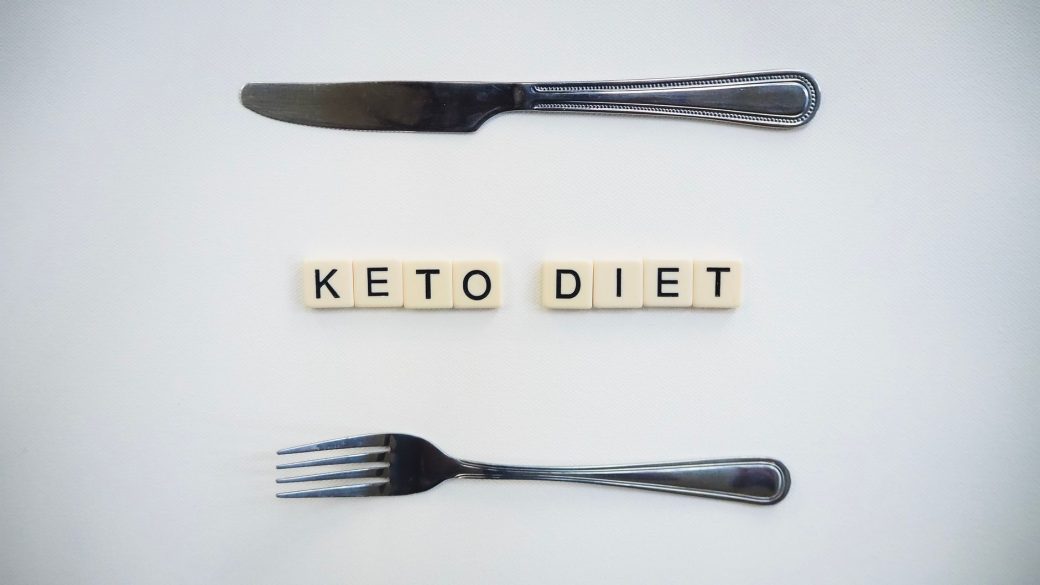
Getting into ketosis usually takes a few days of consistent restriction, and staying there requires keeping carbohydrate very low most of the time. Some people track ketones using urine strips or a blood meter, though this is optional. The state itself is a normal part of human metabolism, not something exotic, and it also occurs during prolonged fasting.
What the research shows
Keto has the strongest evidence in two areas. It was originally developed as a medical therapy for drug resistant epilepsy in children, where it is still used under clinical supervision. It can also produce meaningful short term weight loss and improvements in blood sugar for some people with type 2 diabetes, which is why it appears in discussions of a diabetic diet.
Beyond those uses the picture is more measured. Much of the early weight loss is water, because carbohydrate holds water in the body. Over the longer term, studies tend to show keto performs similarly to other calorie matched diets, and adherence is often the deciding factor. It is a tool that works well for some people, not a uniquely superior diet for everyone.
- Strong evidence: as a supervised medical therapy for certain seizure disorders.
- Moderate evidence: short term weight loss and blood glucose improvement in some people.
- Weaker evidence: claims of superior long term fat loss compared with other sensible diets.
- Unsupported: promises of curing disease, detoxing the body or working for absolutely everyone.
Foods to eat and avoid
Because the carbohydrate ceiling is so low, food choices narrow considerably. The emphasis falls on fat and protein sources plus low carbohydrate vegetables.
- Enjoy freely: eggs, fish, meat, poultry, cheese, olive oil, avocado, nuts and seeds.
- Low carb vegetables: leafy greens, courgette, cauliflower, broccoli, peppers and mushrooms.
- Limit sharply: bread, pasta, rice, potatoes, most fruit, beans and sugary foods.
- Watch hidden carbs: sauces, dressings, flavoured yoghurts and many processed snacks.
For a fuller breakdown of what fits within a keto carbohydrate budget, our keto food plan lists foods with portions, and our general carb foods guide shows where carbohydrate hides.
A sample keto day
This is an illustration to show the shape of a day, not a prescription. Portions depend on your calorie needs and goals.
| Meal | Example | Rough net carbs |
|---|---|---|
| Breakfast | Eggs scrambled in butter with spinach and avocado | 4 to 6 g |
| Lunch | Grilled salmon with a large leafy salad and olive oil | 5 to 8 g |
| Snack | A small handful of walnuts and some cheese | 3 to 5 g |
| Dinner | Chicken thighs with roasted cauliflower and broccoli | 8 to 10 g |
| Drinks | Water, black coffee or unsweetened tea | 0 g |
Tip: Focus on net carbs from whole foods and prioritise non starchy vegetables. Filling your plate with leafy greens keeps fibre up and helps with the digestive changes many people notice in the first weeks.

Benefits and drawbacks
Keto has real strengths and real downsides, and honest planning means holding both in view.
- Appetite control: higher fat and protein can feel filling, which helps some people eat less without counting.
- Blood sugar steadiness: cutting carbohydrate can smooth glucose swings for some individuals.
- Keto flu: early tiredness, headaches and irritability are common as the body adapts and loses water and salts.
- Restrictive and social: the tight carbohydrate limit can make eating out and family meals harder to manage.
- Nutrient gaps: cutting fruit, wholegrains and legumes can lower fibre and some vitamins unless you plan carefully.
Some people use electrolyte supplements to ease the early adjustment, since sodium, potassium and magnesium losses drive many keto flu symptoms. A simple sugar free electrolyte powder in the budget to mid price tier is the sort of product people reach for, though plain water and salted food often do the job.
Some links are affiliate links and we may earn a small commission at no extra cost to you. We only suggest product types we would genuinely consider.
Who it suits and who should be cautious
Keto can suit people who prefer clear rules, tolerate a limited food list, and want to test whether very low carbohydrate eating helps their appetite or blood sugar. It tends not to suit endurance athletes who rely on carbohydrate, people who love variety, or anyone who finds strict diets trigger an unhealthy relationship with food. If your main goal is weight loss, remember that a sustainable calorie deficit is what drives fat loss, whichever pattern you choose.
Certain groups should only try keto with medical guidance, including people who are pregnant, those with type 1 diabetes, and anyone with liver, kidney or pancreatic conditions. The NHS advises caution with very low carbohydrate diets, and the British Dietetic Association notes that they are not necessary for most people.
How to start safely
If you decide to try it, ease in rather than crashing your carbohydrate overnight. Plan your meals, keep hydration and salt up, and lean on whole foods rather than processed keto products. A structured approach helps, so many people follow a set framework like our keto diet plan or a broader ketogenic eating plan to keep things balanced.
Give it a few weeks before judging results, and pay attention to how you feel, not just the scale. For a balanced view of how eating patterns fit into overall health, the Harvard Nutrition Source is a useful reference, and any medical use of keto should be supervised.
Note: This article is general information, not medical or personalised dietary advice. For guidance tailored to you, speak with a registered dietitian or your doctor.
Sources and further reading:
- NHS on low carbohydrate diets and healthy eating.
- Harvard Nutrition Source for an overview of the ketogenic diet.
- British Dietetic Association for evidence based guidance on popular diets.
Have a question or a topic to suggest?
We read every message. Tell us what you would like to see next on the blog.
Get in touchYou may also like
Ketosis: The Complete Evidence-Based Guide
Ketosis is a normal metabolic state where your body runs largely on fat and ketones. Here is what it actually is, how you enter it, what research supports, and who should be cautious.
Keto Food Plan: Dietitian-Approved List With Portions
A categorised, dietitian-approved list of keto foods with realistic portions, plus a sample day and the swaps that make the plan easier to sustain.
Keto Diet Plan: Dietitian-Designed Plan With Shopping List
A dietitian-designed keto diet plan with a clear macro framework, a sample day, a shopping list, and honest guidance on the transition and who should avoid it.