Nutrition Basics · Nutrition Basics
Egg Calorie: The Complete Evidence-Based Guide
How many calories are really in an egg, how cooking changes the number, and how eggs fit a balanced, calorie-aware diet.
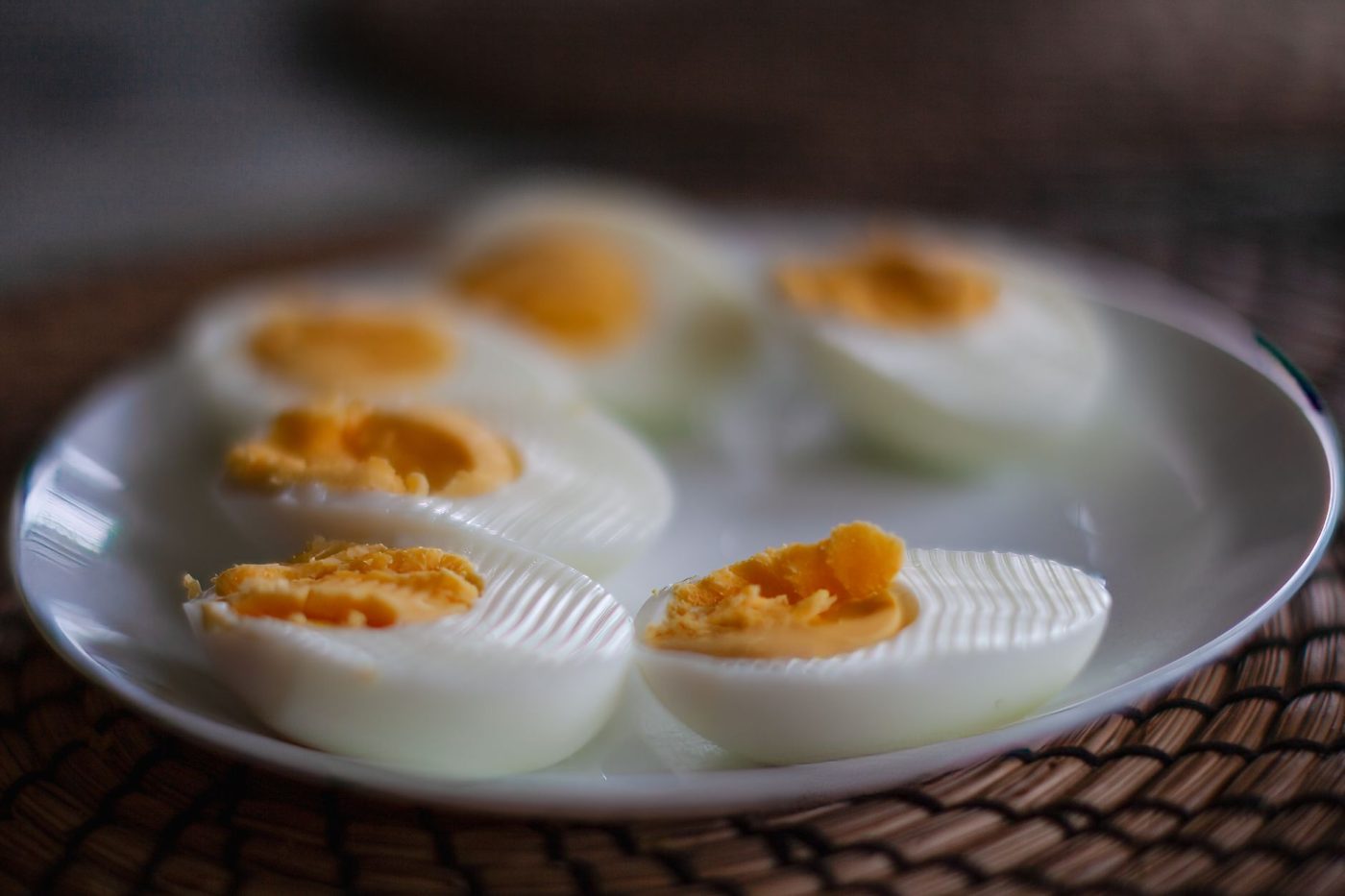
Eggs are one of the most affordable, versatile and nutrient-dense foods you can eat, which is exactly why so many people want a clear answer on egg calories. This evidence-based guide breaks down how many calories are in an egg, how cooking changes that number, what else an egg brings to the table, and how eggs fit into weight management and a balanced diet.
How many calories are in an egg
A single large egg contains roughly 70 to 78 calories when boiled or poached with nothing added. Medium eggs come in a little lower, at around 63 to 66 calories, and small eggs lower still. Most of an egg's calories come from the yolk, which also carries the bulk of the vitamins, minerals and healthy fats, while the white is almost entirely protein and water.
Because an egg is a whole food with a fixed composition, the base calorie count is fairly predictable. What changes the number most is not the egg itself but how you cook it and what you cook it with. Understanding this is far more useful than memorising a single figure, and it ties into the wider skill of reading a calorie count.
It also helps to know where the calories sit within the egg. The white of a large egg is only around 17 calories and is almost pure protein, while the yolk holds roughly 55 calories along with the fat, fat-soluble vitamins and most of the minerals. That is why egg-white omelettes are popular with people watching calories, though skipping the yolk also means skipping much of the nutrition. For most people, eating the whole egg is the more sensible choice.
Egg calories by cooking method
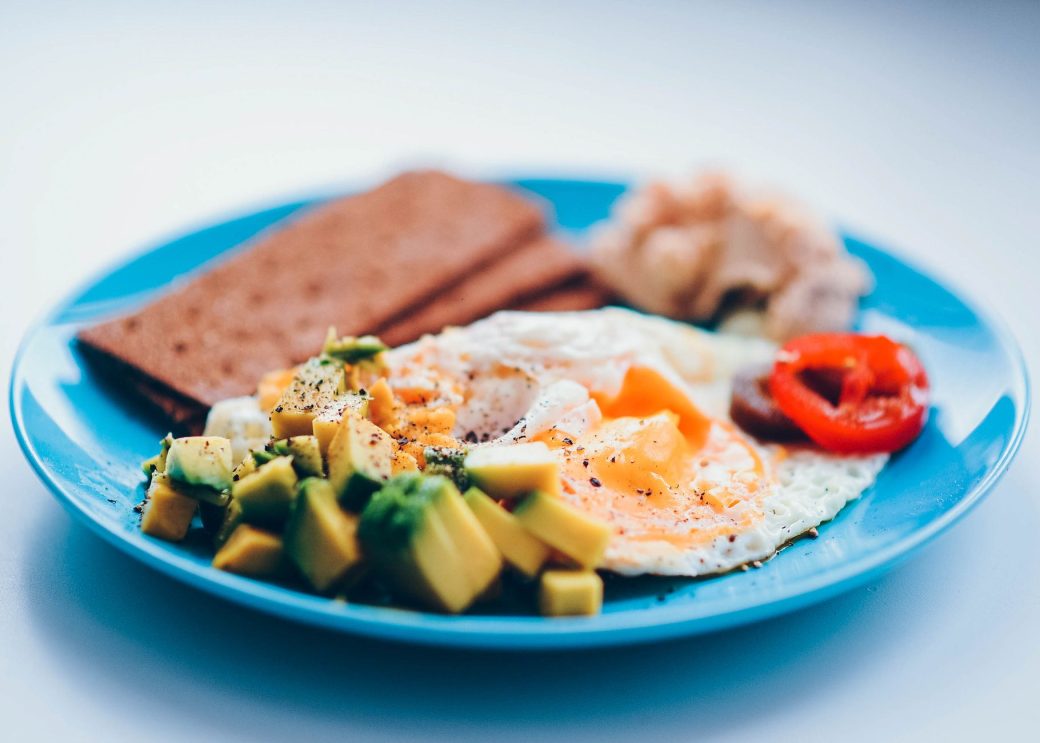
The cooking method can double the calories in an egg or leave them almost unchanged. Boiling and poaching add nothing, while frying and scrambling with butter or oil add fat calories on top of the egg.
| Preparation | Rough calories | Why |
|---|---|---|
| Boiled or poached | About 70 to 78 | No added fat |
| Scrambled with a little milk | About 90 to 110 | Milk plus any butter or oil |
| Fried in oil or butter | About 90 to 120 | Absorbed cooking fat |
| Omelette with cheese and butter | 150 or more | Added dairy and fat |
These are general estimates that vary with the amount of fat used and the size of the egg. The pattern is the clear takeaway: the egg is modest, and the extras determine the total.
Tip: If you are watching calories, poaching or boiling gives you all the nutrition of an egg with the lowest total. A non-stick pan lets you scramble or fry with only a light spray of oil rather than a knob of butter.
What an egg gives you beyond calories
Counting calories alone undersells the egg. For its modest energy content, an egg is remarkably nutrient dense, delivering high-quality protein plus a range of vitamins and minerals that are hard to get elsewhere.
- Protein: around 6 to 7g of complete protein per large egg, containing all nine essential amino acids.
- Vitamins and minerals: useful amounts of vitamin B12, vitamin D, riboflavin, selenium and choline.
- Healthy fats: the yolk provides mostly unsaturated fat along with a smaller amount of saturated fat.
That protein is why eggs feature so often in our list of high protein foods, and the mix of nutrients makes them a genuine building block of good nutrition rather than just a calorie source.
Eggs, cholesterol and heart health
For years eggs were treated with suspicion because the yolk contains dietary cholesterol, and older advice suggested strict weekly limits. The current view among many authorities is more relaxed: for most healthy people, the cholesterol in eggs has only a small effect on blood cholesterol, and saturated fat in the overall diet matters more. The NHS states there is no recommended limit on how many eggs most people can eat as part of a balanced diet.
The Harvard Nutrition Source notes that for most people eggs can be part of a healthy pattern, though those with diabetes or existing heart disease may be advised to be more mindful. As always, the company an egg keeps, whether that is buttered toast and bacon or wholegrain bread and vegetables, shapes the health picture as much as the egg itself.
Eggs for weight management
Eggs are a useful food when you are managing your weight, largely because of their protein and satiety. A protein-rich breakfast that includes eggs tends to keep people fuller for longer, which can make it easier to avoid mid-morning snacking and stick to an overall calorie deficit.
- High satiety per calorie: the protein and fat combination is filling relative to the modest energy content.
- Flexible portions: one or two eggs make a light meal, and you scale the extras to your goal.
- Naturally low in carbs: which suits many weight-management and lower-carb approaches.
- Cheap and convenient: eggs are one of the most affordable protein sources, so eating well on a budget becomes far easier.
Because they are quick to prepare and store for weeks, eggs also remove one of the biggest barriers to healthy eating, which is having something nourishing ready when you are hungry and short on time.
None of this makes eggs a weight-loss food on their own. As with everything, total daily calories decide the outcome, and eggs simply make a satisfying, nutrient-rich choice within that budget. They feature often in a high protein breakfast.
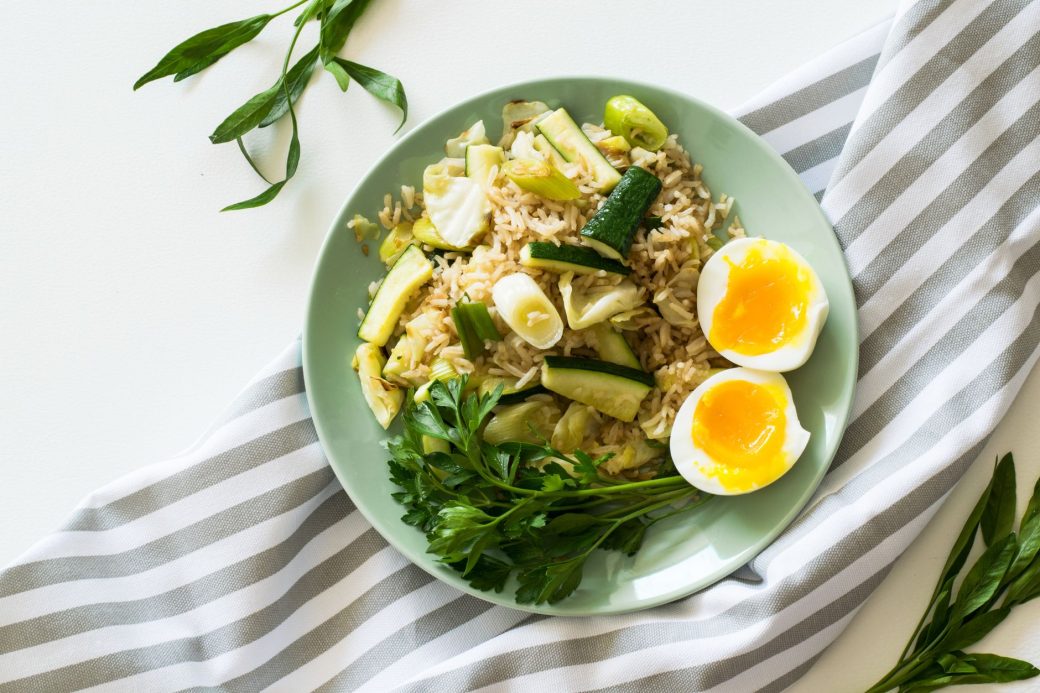
Research comparing egg-based breakfasts with carbohydrate-heavy ones has generally found that the higher-protein option keeps people fuller and can reduce how much they eat later in the day. That does not mean eggs melt away fat, but it does mean they can make a calorie-controlled plan easier to stick to. Pairing eggs with vegetables and a wholegrain adds fibre and volume, turning a modest number of calories into a genuinely filling meal that supports both fullness and nutrition.
How many eggs is reasonable
There is no fixed universal limit for healthy people, and eating an egg a day, or several a week, fits comfortably within most balanced diets. The sensible framing is variety: eggs are one good protein among many, so rotating them with fish, beans, lentils, poultry and dairy gives you a broader spread of nutrients.
Portion and context matter more than the raw egg count. Two eggs on wholegrain toast with tomatoes and spinach is a balanced meal in the region of three hundred to four hundred calories, whereas the same two eggs fried in butter alongside sausages, hash browns and buttered toast becomes a very different proposition. The egg is rarely the part of a fry-up worth worrying about. If you are keeping an eye on calories, focus your attention on the oils, cheeses and processed sides rather than the eggs themselves.
To make eggs even easier to cook well, simple kit helps. A reliable egg poacher or a good non-stick pan lets you prepare eggs with little or no added fat, keeping the calorie count low. These range from budget basics to premium ceramic-coated options.
Some links are affiliate links and we may earn a small commission at no extra cost to you. We only suggest product types we would genuinely consider.
The bottom line on egg calories
A large egg is roughly 70 to 78 calories, the yolk holds most of the energy and nutrition, and your cooking method matters more than the egg for the final total. Nutritionally, eggs punch well above their calorie count thanks to complete protein and a useful spread of vitamins and minerals. For most people they are a genuinely healthy, flexible choice.
If you are managing a health condition such as high cholesterol or diabetes, it is worth discussing your personal intake with a professional. Otherwise, enjoy eggs as part of varied eating, and use the cooking tips above to keep the calories where you want them. The Academy of Nutrition and Dietetics offers further guidance on fitting eggs into a balanced plate.
Note: This article is general information, not medical or personalised dietary advice. For guidance tailored to you, speak with a registered dietitian or your doctor.
Sources and further reading:
- NHS on eggs and healthy eating.
- Harvard Nutrition Source on eggs, cholesterol and heart health.
- Academy of Nutrition and Dietetics on eggs in a balanced diet.
Have a question or a topic to suggest?
We read every message. Tell us what you would like to see next on the blog.
Get in touchYou may also like

High Protein Foods: Dietitian-Approved List With Portions
Beyond chicken and eggs, protein hides across every food group. This dietitian-approved list gives the best high-protein foods with realistic portions and approximate grams.

Calorie Count: The Complete Evidence-Based Guide
Done well, keeping a calorie count builds awareness and supports a goal. Done badly, it becomes stressful and inaccurate. A dietitian explains what a calorie is, how counting works, its limits, and how to use it as a helpful tool.

High Protein Breakfast: Dietitian-Approved List With Portions
Front-load your protein for steadier energy and fewer cravings. This dietitian-approved list gives real breakfast options by type, each with a portion guide and approximate protein content.