Food List
High Protein Breakfast: Dietitian-Approved List With Portions
How to hit 20 to 30 grams of protein at breakfast, with egg, dairy, plant-based and grab-and-go options and the portions that get you there.
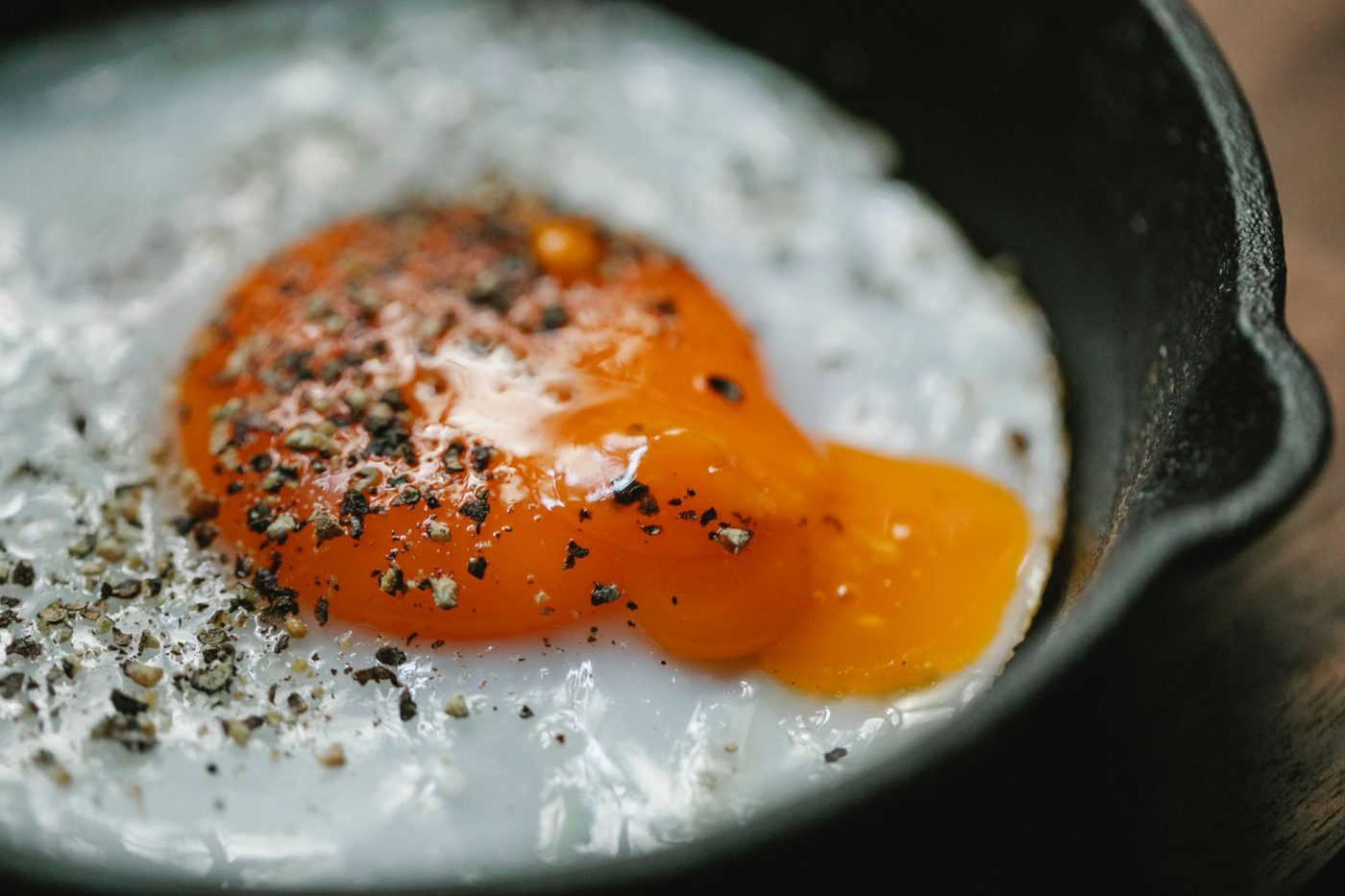
A high protein breakfast is one of the simplest upgrades you can make to your day. It steadies energy, blunts mid-morning hunger and helps you reach a daily protein target that most people fall short of by lunchtime. This dietitian-approved list gives real breakfast options grouped by type, each with a portion guide and approximate protein content, so you can build a morning meal that actually keeps you full.
Why protein at breakfast matters
Most people back-load their protein, eating little at breakfast, a moderate amount at lunch and most of it at dinner. The trouble is that your body uses protein best when it is spread across the day, and a protein-light breakfast leaves you reaching for sugary snacks by mid-morning. Front-loading some protein changes that pattern.
Protein is the most satiating of the three macronutrients, meaning it keeps you fuller for longer per calorie. A breakfast with 20 to 30 grams of protein reliably reduces mid-morning hunger and cravings, which is why it is a cornerstone of both weight management and steady energy. Our complete protein guide explains the daily targets, and this list shows how to hit a chunk of them before you leave the house.
- Satiety: protein reduces appetite hormones more than carbs or fat.
- Steady energy: pairing protein with fibre slows the rise and fall of blood sugar.
- Muscle support: spreading protein across meals supports maintenance and growth.
- Fewer cravings: a solid breakfast makes mindless snacking less likely.
How much protein to aim for
A useful target for most adults is 20 to 30 grams of protein at breakfast, which covers roughly a quarter to a third of a typical daily need. You do not need to weigh everything; a couple of protein anchors on the plate usually gets you there. The table below shows the approximate protein in common breakfast foods so you can mix and match to your target.
| Food | Typical portion | Approx. protein |
|---|---|---|
| Eggs | 2 large | ~12 g |
| Greek yoghurt | 170 g pot | ~15 to 17 g |
| Cottage cheese | 100 g | ~11 g |
| Milk | 250 ml | ~8 g |
| Rolled oats | 50 g dry | ~6 g |
| Smoked salmon | 50 g | ~12 g |
| Tofu (firm) | 100 g | ~12 to 15 g |
| Peanut butter | 2 tbsp | ~7 g |
Combining two or three of these usually lands you in the 20 to 30 gram zone. For example, two eggs plus a small yoghurt, or oats made with milk plus a spoon of peanut butter and a scoop of protein. Our high protein foods list covers portions across the whole day.
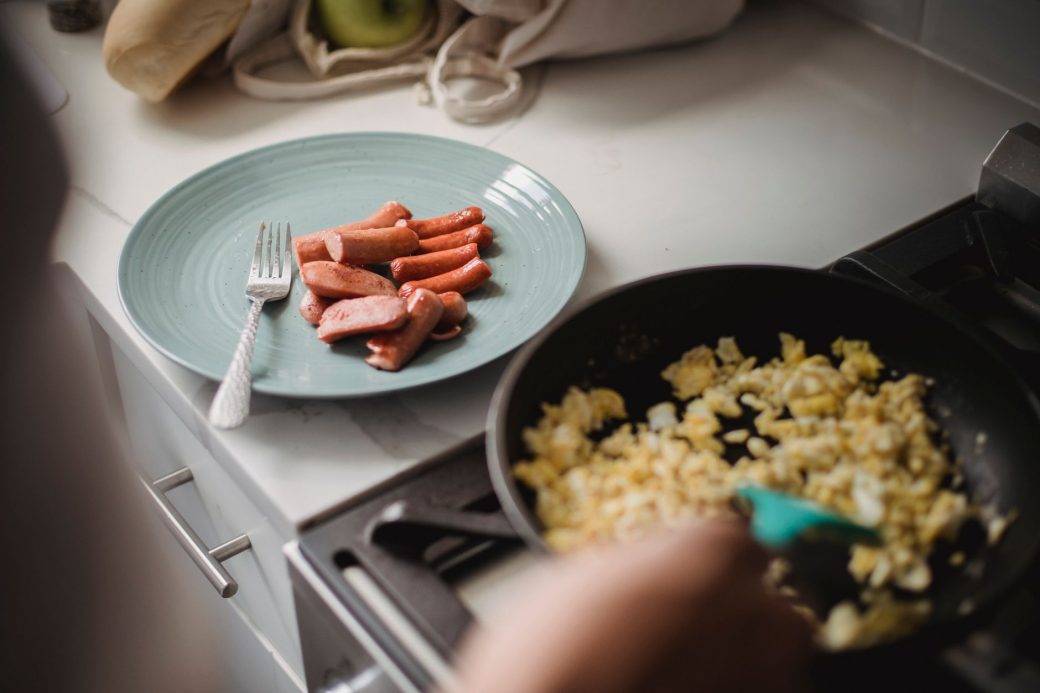
Egg-based breakfasts
Eggs are the classic high protein breakfast anchor: complete protein, versatile and inexpensive. Two large eggs deliver around 12 grams, and pairing them with extras easily pushes the meal past 20.
- Vegetable omelette: 2 to 3 eggs with spinach, tomato and a little cheese, around 18 to 22 grams.
- Scrambled eggs on wholegrain toast: 2 eggs plus a slice of wholemeal, around 15 grams with more fibre.
- Shakshuka: eggs poached in a tomato and pepper sauce with chickpeas, around 20 grams.
- Boiled eggs and avocado: 2 eggs with avocado on rye, a portable 14 to 16 grams.
Tip: Batch-boil a half dozen eggs at the start of the week. A couple of boiled eggs with fruit is one of the fastest 12 gram protein hits you can grab on a rushed morning.
Dairy and yoghurt breakfasts
Dairy is a protein powerhouse for people short on time. Greek yoghurt and cottage cheese are especially concentrated, and they need no cooking at all.
- Greek yoghurt bowl: a 170 gram pot with berries, nuts and seeds, around 18 to 22 grams.
- Cottage cheese toast: 100 grams on wholegrain with tomato, around 15 grams.
- Overnight oats with milk and yoghurt: oats soaked in milk with a yoghurt swirl, around 18 grams.
- High protein smoothie: milk, yoghurt, banana and a scoop of powder, easily 25 to 30 grams.
For the smoothie route, a measured scoop of powder is the easiest way to top up. Our reviews of the best protein powder and vegan protein powder help you pick one that mixes well.
Dairy also brings calcium and, in fortified products, some vitamin D, so it does more than just supply protein. If you find plain Greek yoghurt too tart, mixing in a little fruit or a small drizzle of honey keeps it enjoyable without turning it into a dessert. Watch out for heavily sweetened flavoured yoghurts marketed as high protein; some carry as much added sugar as a pudding, which undoes much of the benefit. Checking the label for protein per pot and added sugars takes seconds and steers you to the genuinely useful options.
Plant-based high protein breakfasts
Plant-based mornings can hit protein targets with a little planning, leaning on tofu, legumes, soya products and nuts. The trick is to include a concentrated protein source rather than relying on toast and fruit alone.
- Tofu scramble: 100 to 150 grams of firm tofu with turmeric and vegetables, around 15 to 20 grams.
- Soya yoghurt bowl: a high-protein soya yoghurt with seeds and nut butter, around 15 grams.
- Baked beans on wholegrain toast: a half tin on two slices, around 15 to 18 grams.
- Peanut butter oats with soya milk: oats, soya milk and peanut butter, around 15 grams.
A plant protein powder blended into a smoothie is the simplest way to close any gap. See our guides on the vegan diet and vegetarian diet for wider planning. The Harvard Nutrition Source confirms that mixed plant proteins meet all amino acid needs.
One thing to watch on plant-based mornings is falling back on carbohydrate-heavy breakfasts that look healthy but deliver little protein. Toast with jam, fruit alone, or plain porridge made with water are all fine foods but light on protein, and they tend to leave you hungry within a couple of hours. The fix is simply to add a concentrated protein anchor: a spoon of nut butter, a scoop of soya yoghurt, a handful of seeds or a portion of tofu. That small addition is often the difference between a breakfast that carries you to lunch and one that has you snacking by ten.
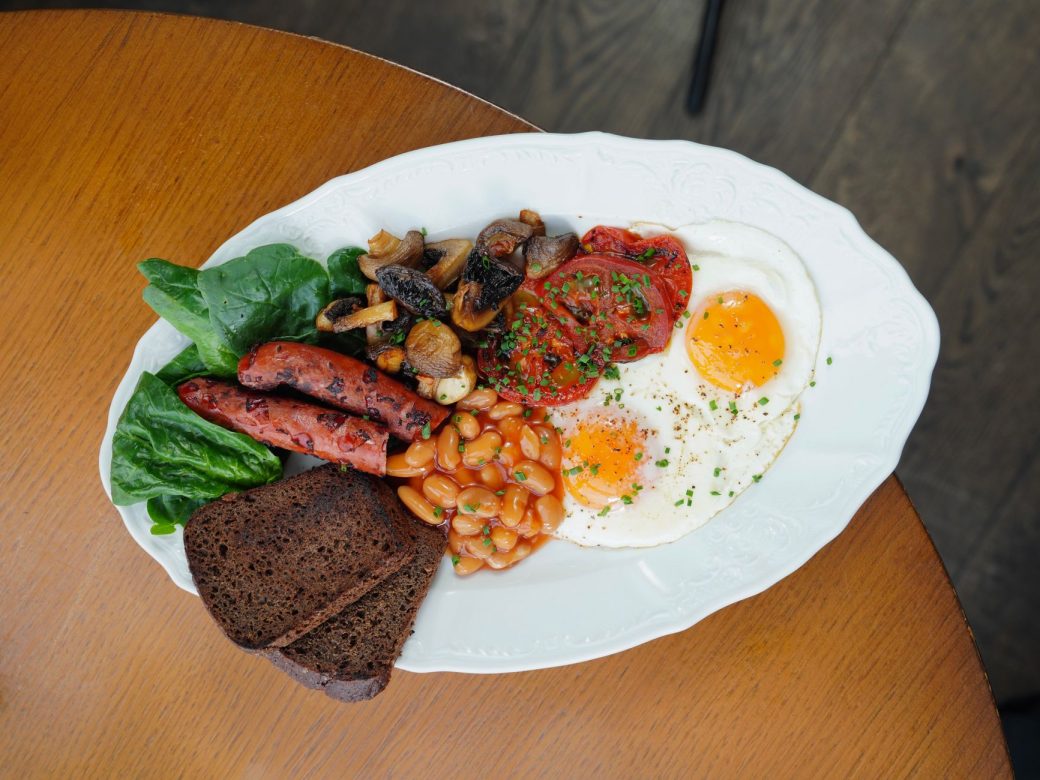
Quick and portable options
Busy mornings are where protein usually slips, so having a few grab-and-go options matters. These need little or no preparation.
Some links are affiliate links and we may earn a small commission at no extra cost to you. We only suggest product types we would genuinely consider.
- Ready-to-drink shake: a bottled ready-to-drink protein shake delivers around 30 grams with zero effort.
- Protein powder and shaker: a scoop of whey protein powder in a shaker bottle with milk.
- Overnight oats jars: prep a few in meal-prep jars on Sunday for the week.
- High protein bars: a sensible high protein bar for genuinely rushed days.
Whole food beats bars and shakes on most days, but a well-chosen convenience option is far better than skipping protein entirely. For more grab-and-go ideas, see our high protein snacks list.
Tip: Aim to pair protein with fibre at breakfast. Adding fruit, oats or vegetables slows digestion and keeps you fuller than protein alone, and it nudges you towards your daily fibre target too.
Putting it together
A high protein breakfast does not need to be complicated or expensive. Pick one or two protein anchors, add some fibre from fruit, oats or vegetables, and you have a meal that keeps you full and steady until lunch. Rotate a handful of options so it never feels like a chore.
- Five-minute classic: Greek yoghurt, berries and nuts.
- Savoury staple: two eggs, wholegrain toast and tomato.
- Blend and go: milk, banana, oats and a scoop of protein.
- Plant-based: tofu scramble with vegetables.
If you are eating this way to manage weight, a protein-rich breakfast pairs naturally with a gentle calorie deficit. The NHS Eat Well guidance supports a balanced plate built around whole foods, and a strong breakfast is one of the easiest wins in that direction.
Finally, do not overthink it. Consistency beats perfection, and a repeatable breakfast you actually eat is worth far more than an elaborate one you skip on busy days. Find two or three options that hit your protein target and fit your morning, then let them become automatic. That is how a high protein breakfast stops being a resolution and starts being a habit.
Note: This article is general information, not medical or personalised dietary advice. For guidance tailored to you, speak with a registered dietitian or your doctor.
Sources and further reading
Have a question or a topic to suggest?
We read every message. Tell us what you would like to see next on the blog.
Get in touchYou may also like
High Protein Foods: Dietitian-Approved List With Portions
Beyond chicken and eggs, protein hides across every food group. This dietitian-approved list gives the best high-protein foods with realistic portions and approximate grams.
High Protein Snacks: Dietitian-Approved List With Portions
The best high-protein snacks keep you fuller and help you hit your daily target. Here is a categorised list with realistic portions, protein amounts and easy prep ideas.
Protein: The Complete Evidence-Based Guide
How much protein do you actually need, and where should it come from? This evidence-based guide covers protein sources, timing, weight management and cutting through powder marketing.