Meal Prep & Healthy Eating
Healthy Food: Dietitian-Approved List With Portions
Genuinely healthy foods grouped by category, with a simple plate-based portion guide and everyday swaps to make balanced eating effortless.
Healthy eating does not require perfect meals or an expensive shopping list. It comes down to a handful of everyday foods, eaten in sensible amounts, most of the time. This dietitian-approved list groups genuinely healthy foods by category, gives realistic portions, and shows simple swaps so you can build balanced meals without overthinking every choice.
What counts as healthy food
Healthy food is not a fixed list of virtuous items and forbidden ones. It is any whole or minimally processed food that brings useful nutrition to your day, eaten as part of a varied, balanced pattern. Vegetables, fruit, wholegrains, legumes, lean proteins, dairy or alternatives, nuts and healthy oils form the core.
The most reliable sign of a healthy diet is variety and balance rather than any single food. No food is off limits, and treating whole categories as good or bad tends to backfire. The aim is to make nourishing foods the everyday default, leaving room for treats without guilt. This is the same balanced thinking behind our guide to good foods.
It is also worth letting go of the idea that healthy food has to be expensive or complicated. Some of the most nutritious staples are among the cheapest: oats, tinned beans and fish, frozen vegetables, eggs and seasonal produce. Cooking simple meals from these builds a genuinely healthy diet on any budget, and it usually beats pricey supplements or specialist health foods for value. Variety over the week matters more than perfection at any single meal.
Vegetables and fruit
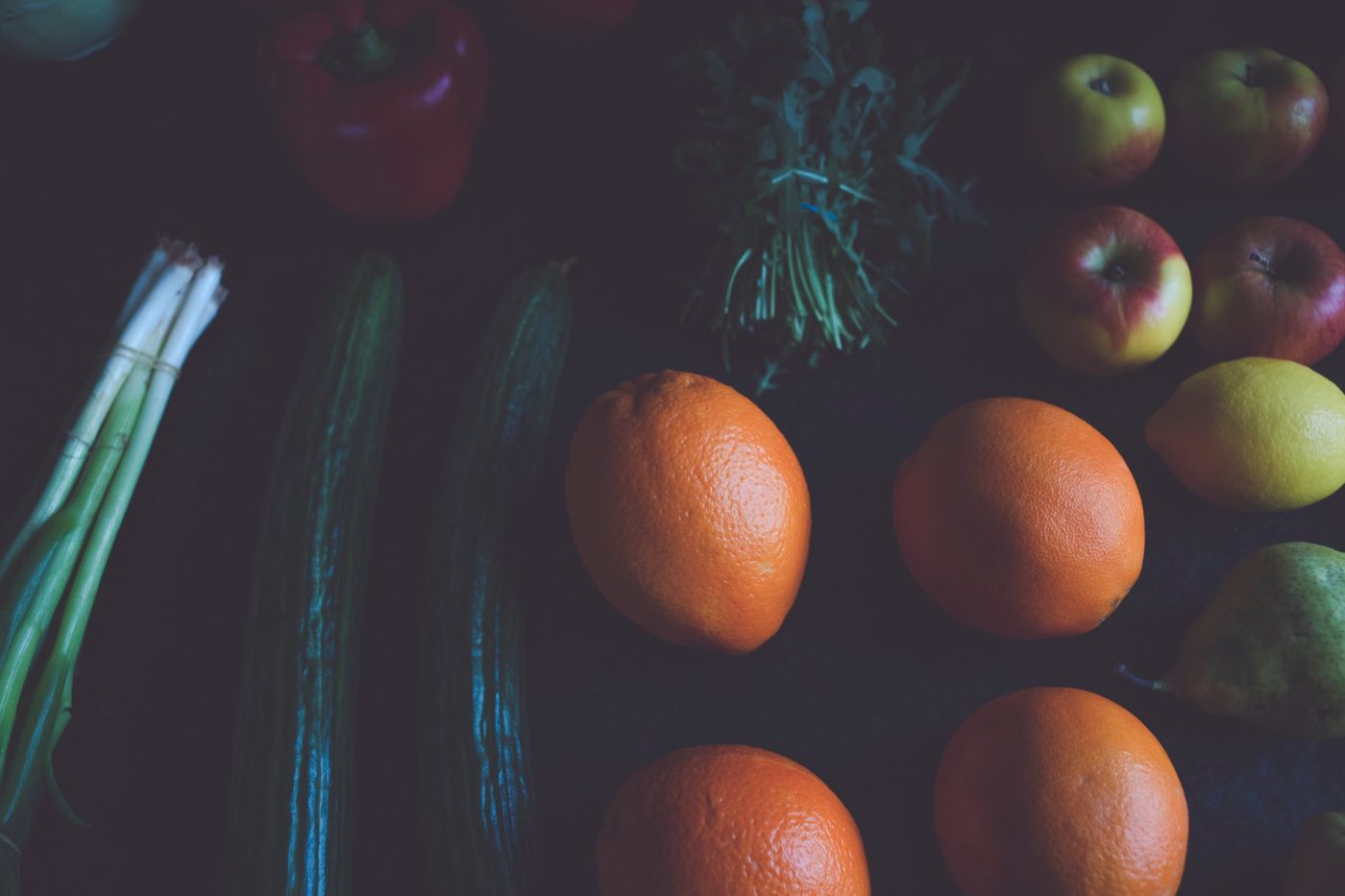
Vegetables and fruit are the foundation of almost every healthy eating pattern. They deliver fibre, vitamins, minerals and plant compounds for very few calories, and variety of colour means variety of nutrients.
- Leafy greens: spinach, kale and rocket for folate, potassium and antioxidants.
- Colourful vegetables: peppers, carrots, tomatoes and broccoli for a broad nutrient range.
- Whole fruit: berries, apples, citrus and bananas, preferably whole rather than juiced.
Aim for at least five portions a day, and remember that frozen and tinned versions count and are often cheaper. Building meals around plants also supports heart health, as our list of heart healthy foods explains.
A practical way to eat more produce is to make it the first thing you plan rather than an afterthought. Deciding on the vegetables before the protein, adding a handful of frozen peas or spinach to whatever you are cooking, and keeping a bowl of fruit within reach all nudge your intake up without much thought. Eating a range of colours through the week, from leafy greens to orange squash and red berries, naturally covers a broad spread of vitamins, minerals and plant compounds.
Quality proteins
Protein supports muscle, satiety and countless functions in the body. A healthy diet includes a mix of animal and plant sources, with an emphasis on lean and minimally processed options.
- Fish and seafood: including oily fish such as salmon and sardines for omega-3 fats.
- Poultry and eggs: versatile, affordable and rich in protein.
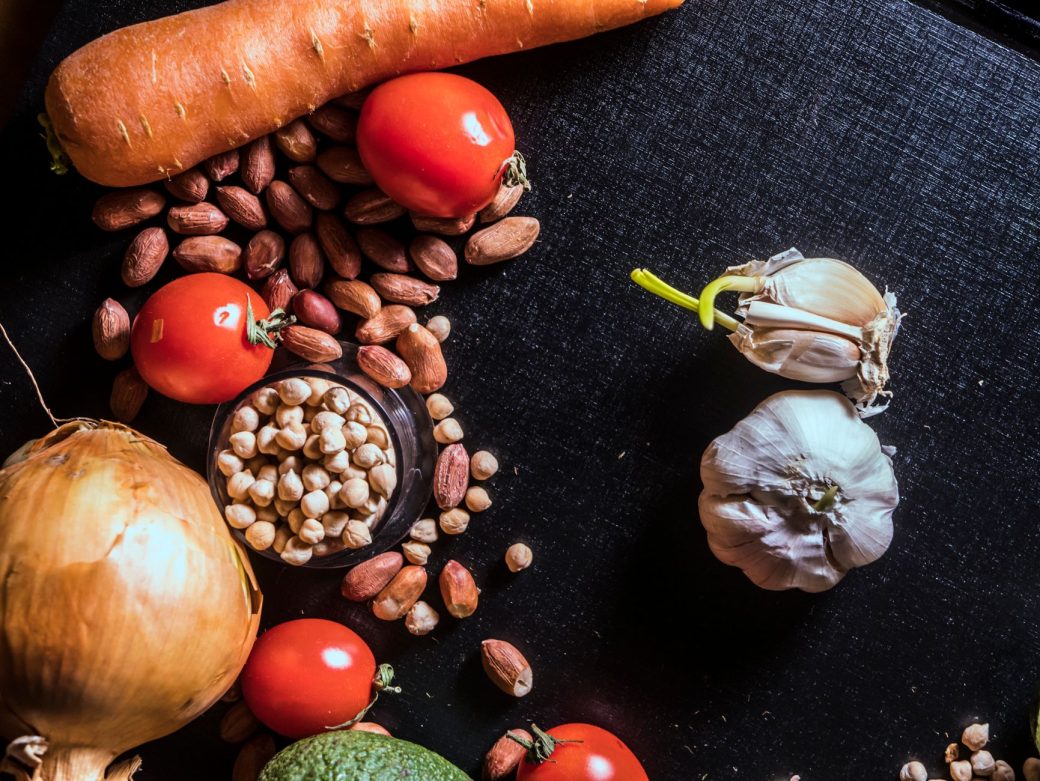
- Legumes and tofu: plant proteins that also add fibre and cost little.
- Dairy or fortified alternatives: for protein and calcium.
Plant proteins are worth leaning into for both health and budget. For a full breakdown, see our list of high protein foods.
Spreading protein across the day tends to work better than loading it all into one meal. Many people eat little at breakfast and a large amount at dinner, yet including a protein source at each meal supports fullness and muscle maintenance more evenly. Simple additions such as eggs or yoghurt at breakfast, beans in a lunchtime salad and fish or tofu at dinner make this easy without any need to weigh or track.
Wholegrains and healthy starches
Carbohydrates are a valuable part of a healthy diet when you choose whole, fibre-rich versions. They provide steady energy and, in wholegrain form, plenty of fibre and B vitamins.
- Oats: a slow-release breakfast that supports fullness and heart health.
- Wholegrain bread, pasta and brown rice: simple swaps for refined versions.
- Potatoes and sweet potatoes: nutritious with the skins left on.
The key with starchy foods is quality and preparation rather than avoidance. A baked potato with its skin is a nourishing food, while the same potato deep-fried and heavily salted is a very different proposition. Choosing wholegrain versions, keeping skins on and watching how much added fat and salt goes in during cooking makes starchy staples a genuine part of healthy eating rather than something to ration. For more on choosing quality carbohydrates and their portions, see our carbohydrate foods guide.
Portion guide for everyday foods
Even the healthiest foods are best in appropriate amounts. A simple hand-based guide removes the need for constant weighing while keeping portions sensible.
| Food group | Sensible portion | Handy measure |
|---|---|---|
| Vegetables | 80g or more | fill half the plate |
| Protein | lean protein serving | palm of your hand |
| Wholegrains and starch | cooked serving | your closed fist |
| Healthy fats and oils | 1 tbsp oil or 30g nuts | thumb-sized to a handful |
| Fruit | 1 piece or a cup | tennis ball size |
| Dairy | 200ml milk or 30g cheese | small glass, matchbox |
These are general starting points, not strict rules. Active people and those with higher needs may eat more, while others may prefer smaller portions. A basic kitchen scale is handy for learning what a portion looks like, after which eyeballing works fine.
Some links are affiliate links and we may earn a small commission at no extra cost to you. We only suggest product types we would genuinely consider.
Healthy fats and extras
Fat is an essential nutrient, and the right kinds support heart and brain health. Focus on unsaturated sources and keep saturated fats more occasional.
- Olive oil: a heart-friendly staple for cooking and dressings.
- Nuts and seeds: a daily handful adds healthy fat, fibre and protein.
- Avocado and oily fish: further sources of beneficial unsaturated fats.
Tip: Build every meal around the plate model: half vegetables, a palm of protein, a fist of quality carbohydrate and a little healthy fat. It keeps balance effortless without any counting.
Foods to enjoy less often
Healthy eating is about proportion, not perfection. Some foods are best kept occasional rather than everyday, but they need not be cut out entirely.
- Ultra-processed foods: often high in salt, sugar and unhelpful fats at once.
- Sugary drinks: a leading source of added sugar with little to offer nutritionally.
- Processed meats and salty snacks: fine occasionally, best not daily.
Compared with genuinely healthy staples, these sit at the opposite end of the spectrum from our junk food list. Enjoy them mindfully and let whole foods lead the way.
Making healthy eating stick
The healthiest diet is the one you can maintain, so aim for gradual, realistic changes over dramatic overhauls. Cook more from scratch, keep easy staples on hand, and prep ahead when you can, as our guide to meal prep dishes describes. Small, consistent habits beat short bursts of perfection every time.
For trustworthy, evidence-based guidance, the NHS Eatwell approach, the Harvard Nutrition Source and the British Dietetic Association all point in the same sensible direction: mostly plants, plenty of variety, sensible portions and room for the foods you love.
Note: This article is general information, not medical or personalised dietary advice. For guidance tailored to you, speak with a registered dietitian or your doctor.
Sources and further reading:
- NHS for the Eatwell Guide and balanced eating advice.
- Harvard Nutrition Source for the Healthy Eating Plate and food quality.
- British Dietetic Association for food-first, evidence-based advice.
Have a question or a topic to suggest?
We read every message. Tell us what you would like to see next on the blog.
Get in touchYou may also like
Good Foods: Dietitian-Approved List With Portions
Good foods are whole, nutrient-dense staples you can eat most days. A dietitian groups the best by type, with portions and practical meal ideas.
Heart Healthy Foods: Dietitian-Approved List With Portions
No single food protects your heart, but the right everyday pattern does. This dietitian-approved list groups heart healthy foods by type, with realistic portions and swaps that add up to protective eating.
Carbohydrates Foods: Dietitian-Approved List With Portions
Carbs are the body's preferred fuel, not the enemy. This dietitian-approved list groups carbohydrate foods by type, gives realistic portions and shows swaps that upgrade quality without cutting carbs out.