Meal Prep & Healthy Eating · Meal Prep & Healthy Eating
Meal Prep Dishes: The Complete Evidence-Based Guide
What meal prep dishes are, what the research suggests, how to build balanced meals and store them safely, and who benefits most from the habit.
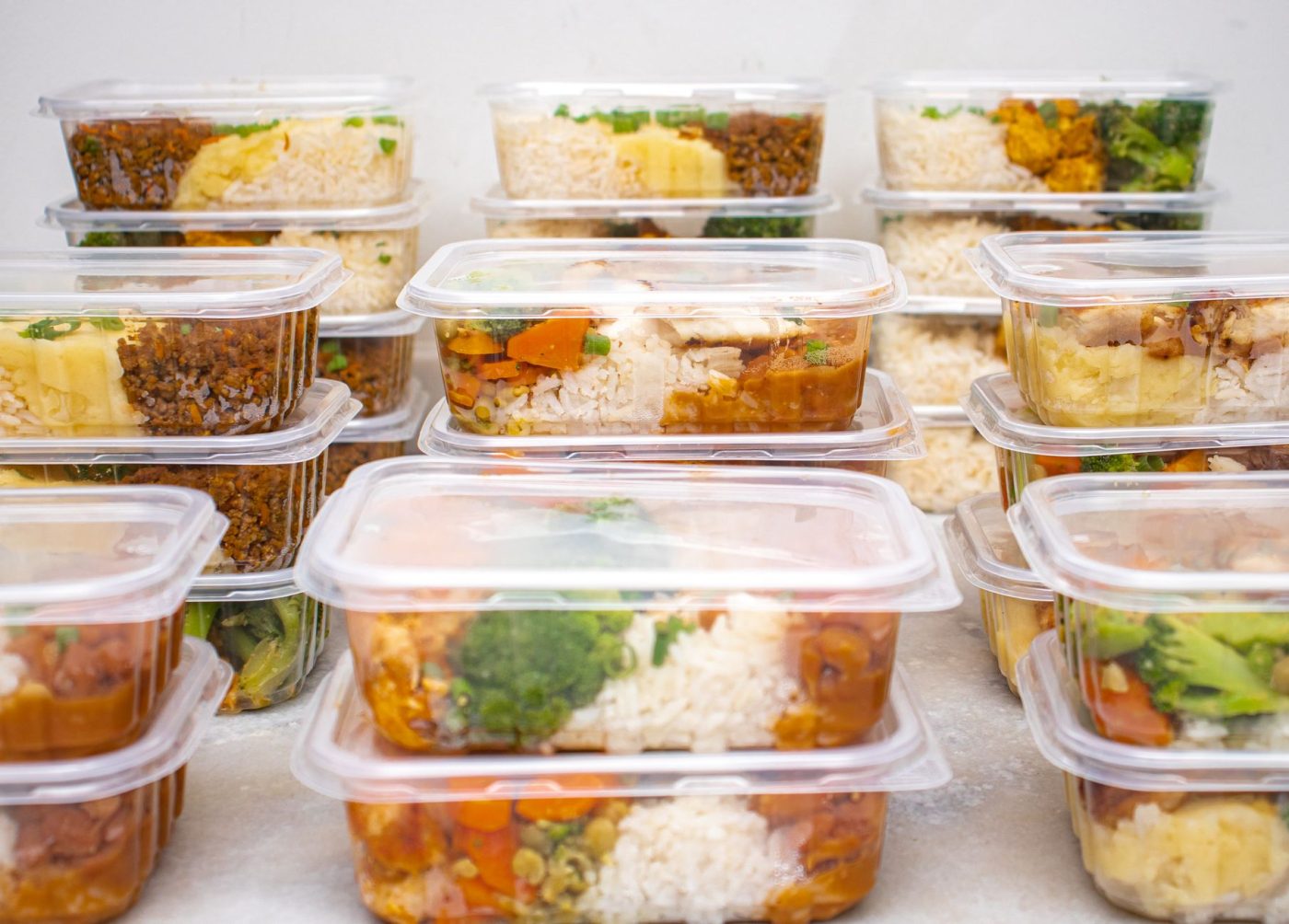
Meal prep is one of the most reliable habits for eating well when life is busy. Done thoughtfully, cooking dishes in advance saves time and money, reduces reliance on takeaways, and makes balanced choices the easy default. This evidence-based guide explains what meal prep dishes are, what the research suggests, how to build them for real nutrition, and who benefits most.
What meal prep dishes are
Meal prep dishes are meals or meal components you cook ahead of time and store for later in the week. The idea ranges from prepping a few base ingredients to cooking full portioned meals that only need reheating. There is no single correct method, only the one you will actually keep up.
Most people fall into one of a few styles: batch cooking large quantities of one dish, portioning meals into containers for grab-and-go convenience, or prepping ingredients like cooked grains and roasted vegetables to mix and match. The best approach depends on your schedule, storage space and how much variety you enjoy across a week.
What the evidence suggests
Research on meal planning and preparation is broadly encouraging. Studies associate planning meals in advance with greater dietary variety, better adherence to healthy eating patterns and, in some cases, a lower likelihood of obesity. The mechanism is intuitive: when a balanced meal is already waiting, you are less likely to reach for a convenient but less nutritious option.
It is worth being honest about the limits of the evidence. Much of it is observational, meaning it shows an association rather than proving cause and effect. People who meal prep may differ in other ways too. Even so, the practical logic is strong, and organisations focused on public health broadly encourage planning and home cooking as sensible habits.
There is also a psychological angle that research increasingly recognises. Every food decision uses a little mental energy, and by the end of a busy day that energy is often depleted, which is exactly when convenient but less nutritious choices win. Prepping in advance moves the decision to a calmer moment, so your tired evening self simply reheats a good meal rather than choosing one from scratch. In practice, removing that friction is often what makes healthy eating stick, more than any single nutrient in the meal itself.
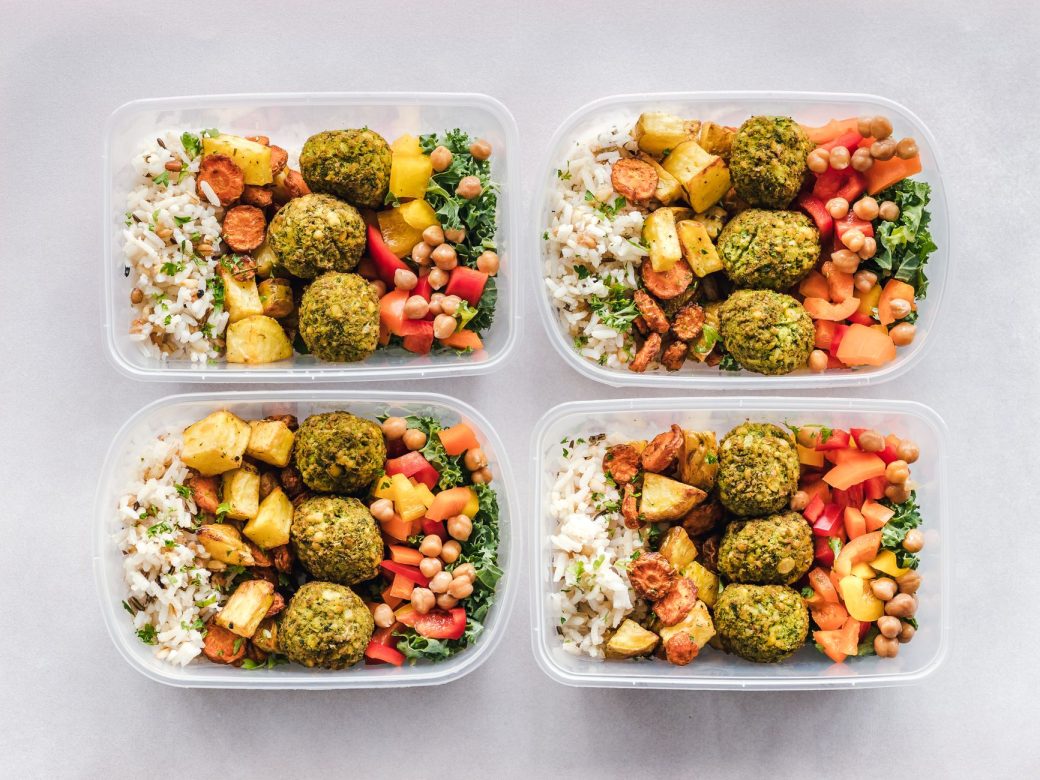
Benefits of prepping meals
The advantages go beyond nutrition. Prepping tends to ripple into time, money and stress in ways many people find genuinely life-changing.
- Better nutrition: home-cooked meals are typically lower in salt, sugar and unhelpful fats than takeaways and ready meals.
- Time saved: cooking once for several meals frees up weeknights and cuts daily decision fatigue.
- Money saved: buying and cooking in bulk is usually cheaper per portion, and less food goes to waste.
- Portion control: pre-portioned meals make it easier to manage intake without constant tracking.
These benefits compound over time. A single prep session can quietly shape a whole week of eating, which is why the habit suits people working towards goals like a weight loss program or simply trying to eat more consistently.
Building a balanced meal prep dish
A good meal prep dish follows a simple template rather than a recipe you have to memorise. Aim to include a protein, a quality carbohydrate, plenty of vegetables and a source of healthy fat.
- Protein: chicken, fish, eggs, tofu, beans or lentils form the anchor. See our list of high protein foods for ideas.
- Carbohydrate: wholegrains, potatoes or legumes for steady energy, covered in our carbohydrate foods guide.
- Vegetables: aim for half the container, using a mix of colours for a range of nutrients.
- Fats and flavour: olive oil, nuts, seeds or a yoghurt-based sauce to keep meals satisfying.
This structure echoes the balanced plate model and pairs naturally with wider patterns like the Mediterranean diet. Reliable, well-sealed glass meal prep containers make storing and reheating far easier and reduce plastic waste over time.
Some links are affiliate links and we may earn a small commission at no extra cost to you. We only suggest product types we would genuinely consider.
Storage and food safety
Meal prep only works if the food stays safe to eat. A few simple rules cover most situations and prevent the most common mistakes.
| Dish type | Fridge | Freezer |
|---|---|---|
| Cooked meat and poultry dishes | up to 3 to 4 days | 2 to 3 months |
| Cooked fish dishes | up to 3 days | 2 to 3 months |
| Cooked grains and legumes | up to 3 to 4 days | up to 3 months |
| Soups and stews | up to 3 to 4 days | up to 3 months |
| Prepped raw salad components | up to 3 to 5 days | not recommended |
These are general guides only. Cool food quickly, refrigerate within two hours of cooking, and reheat until piping hot throughout. When in doubt, follow the specific food safety advice from the NHS.
Tip: Label containers with the dish and the date you cooked it. It takes seconds, removes the guesswork later in the week, and means nothing lingers past its safe window.
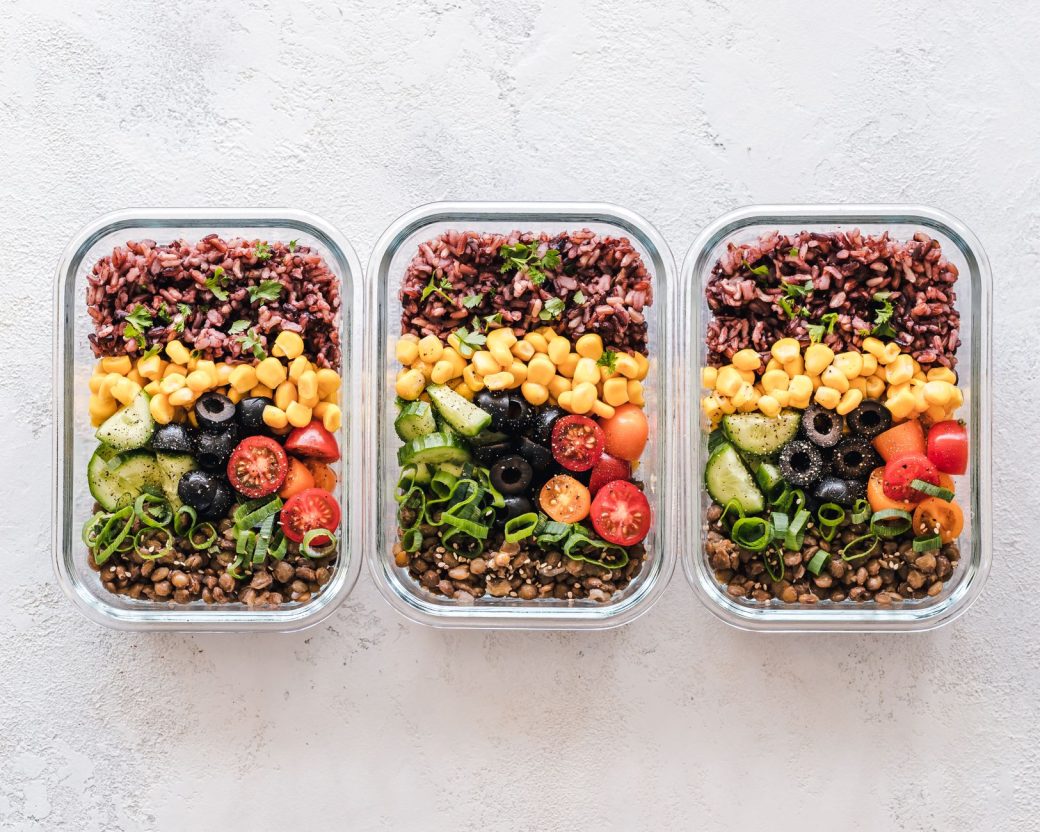
Pros, cons and common pitfalls
Meal prep is powerful but not perfect, and knowing the downsides helps you avoid them.
- Variety fatigue: eating the same dish for days can get dull. Prep two or three dishes, or freeze portions to rotate later.
- Upfront time: a prep session takes a couple of hours. Many find the weekday time saved more than repays it.
- Overambition: trying to prep every meal at once often leads to burnout. Start with lunches or dinners only.
The most common pitfall is going too big too soon. A sustainable habit beats a heroic week that you abandon. Begin small, refine your favourite dishes, and expand only once the routine feels easy.
A few practical tricks help meals stay appealing across the week. Cook versatile bases such as grains, roasted vegetables and a protein separately, then combine them into different meals with varied sauces and seasonings, so Monday's chicken and rice becomes Wednesday's grain bowl. Undercook vegetables slightly if you plan to reheat them, keep dressings and crunchy toppings separate until serving, and use the freezer as a pause button for portions you will not eat within a few days. These small habits prevent the sameness and sogginess that put many people off prepping after a keen first attempt.
Who benefits most
Almost anyone can benefit, but some groups gain the most. Busy professionals, students, parents and shift workers often find that prepping removes the daily friction that leads to less healthy choices. People with specific goals, whether managing weight, building muscle or following a diabetic diet, benefit from the consistency and portion control that prepping provides.
If you are new to it, a gentle starting plan works best. Pick two or three dishes you already enjoy, write a short shopping list, set aside ninety minutes at the weekend, and prep just your weekday lunches to begin with. Once that feels routine, add dinners or a couple of breakfasts. Batch-friendly dishes such as chilli, curries, traybakes, soups and grain bowls scale up easily and reheat well, which makes them ideal first projects. Building the habit slowly like this is far more likely to last than attempting a full week of every meal at once.
Meal prep is a tool, not a rulebook. Use the version that fits your life, keep the dishes balanced and safe, and let the habit quietly do its work. For food-first, evidence-based guidance, the British Dietetic Association and the Academy of Nutrition and Dietetics are dependable references.
Note: This article is general information, not medical or personalised dietary advice. For guidance tailored to you, speak with a registered dietitian or your doctor.
Sources and further reading:
- NHS for food safety, storage and healthy eating advice.
- British Dietetic Association for meal planning and food-first guidance.
- Academy of Nutrition and Dietetics for practical meal preparation tips.
Have a question or a topic to suggest?
We read every message. Tell us what you would like to see next on the blog.
Get in touchYou may also like
Healthy Food: Dietitian-Approved List With Portions
Healthy eating comes down to a handful of everyday foods in sensible amounts, most of the time. This dietitian-approved list groups healthy foods by category, with realistic portions and simple swaps.
High Protein Foods: Dietitian-Approved List With Portions
Beyond chicken and eggs, protein hides across every food group. This dietitian-approved list gives the best high-protein foods with realistic portions and approximate grams.
Carbohydrates Foods: Dietitian-Approved List With Portions
Carbs are the body's preferred fuel, not the enemy. This dietitian-approved list groups carbohydrate foods by type, gives realistic portions and shows swaps that upgrade quality without cutting carbs out.