Nutrition Basics · Diet & Nutrition (General)
Good Foods: Dietitian-Approved List With Portions
What makes a food genuinely good, the best everyday staples grouped by type with realistic portions, and how to build them into practical meals.
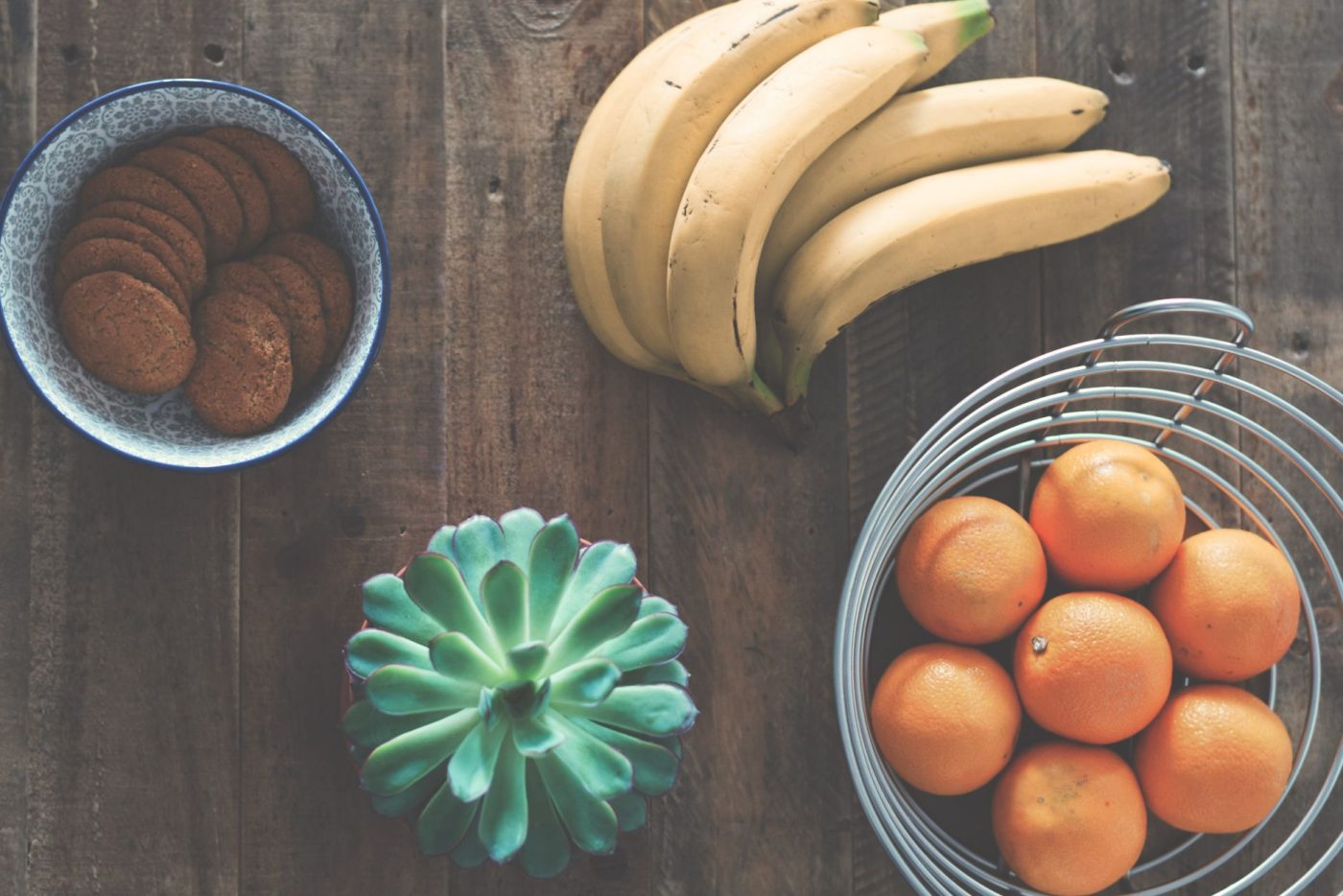
Ask ten people to name a good food and you will get ten different answers, often shaped by whatever diet is trendy that year. A dietitian's definition is refreshingly boring: good foods are whole or minimally processed foods that deliver useful nutrition for the calories they carry, and that you can realistically eat most days. This guide groups the best everyday staples by type, gives sensible portions, and shows how to build them into meals that are as practical as they are nourishing.
What makes a food good
There is no official list of good foods, and context always matters. A food that suits one person's needs may not suit another's. Still, some broad qualities show up again and again in the foods dietitians recommend most.
- Nutrient density: plenty of vitamins, minerals, fibre or quality protein relative to calories.
- Minimal processing: close to how the food appears in nature, with few added sugars, refined fats or additives.
- Satiety: foods that help you feel full and steady, thanks to fibre, protein or water content.
- Everyday practicality: affordable, storable and easy to cook, because the best diet is one you can keep up.
No single food is magic, and variety beats obsession over any one superfood. For the wider theory of how these qualities fit together, see our guides to nutrition and essential nutrients.
Vegetables and fruit
If any group deserves the good food label, it is vegetables and fruit. They are low in calories, high in fibre and packed with vitamins, minerals and protective plant compounds. The NHS recommends at least five portions a day, and most of us fall short.
- Leafy greens: spinach, kale and rocket at about 80g cooked or a generous handful raw.
- Colourful veg: peppers, carrots, tomatoes and broccoli; a portion is roughly three heaped tablespoons.
- Berries: a handful of blueberries, raspberries or strawberries adds sweetness with plenty of fibre.
These same foods anchor our lists of anti inflammatory foods and heart healthy foods, which is no coincidence.
Wholegrains and legumes
Wholegrains and legumes are affordable, filling and rich in fibre, which supports digestion, steady energy and heart health. They form the sturdy middle of most healthy diets around the world.
- Oats: about 40g dry for a bowl of porridge that keeps you full through the morning.
- Brown rice and quinoa: a cooked fist-sized portion as the base of a meal.
- Beans and lentils: three heaped tablespoons cooked, doubling as protein and fibre.
For more on choosing quality carbs, our carbohydrates guide and the high fiber foods list break it down further.
Quality proteins
Protein foods support muscle, repair, immunity and fullness. Good choices span animal and plant sources, so there is something for every way of eating.
- Fish: oily fish like salmon and sardines add protein plus omega-3 fats; aim for a palm-sized portion.
- Eggs: a versatile, affordable protein; one to two eggs make a solid portion.
- Poultry and lean meat: palm-sized, around 100g to 150g cooked.
- Plant proteins: tofu, tempeh, beans and lentils for those eating less meat.
To get the amounts right, our complete protein guide and high protein foods list show how much you actually need.
| Food | Portion | Why it earns its place |
|---|---|---|
| Spinach | 80g cooked | Fibre, folate, iron, very low calorie |
| Blueberries | Handful (about 80g) | Fibre and antioxidant plant compounds |
| Rolled oats | 40g dry | Slow-release energy and soluble fibre |
| Lentils | 3 tbsp cooked | Plant protein, fibre and iron |
| Salmon | Palm-sized (about 120g) | Protein and omega-3 fats |
| Plain yoghurt | Small pot (about 150g) | Protein, calcium and probiotics |
| Extra virgin olive oil | 1 tbsp | Heart-friendly unsaturated fat |
Healthy fats and dairy
Fat is not the enemy the diet culture of the past made it out to be. Unsaturated fats support your heart, brain and the absorption of certain vitamins, while dairy and fortified alternatives supply protein and calcium for bones.
- Nuts and seeds: a small handful, around 30g, as a snack or salad topper.
- Olive oil and avocado: a tablespoon of oil or half an avocado adds richness and satiety.
- Dairy or alternatives: a glass of milk, a pot of yoghurt or a matchbox of cheese; choose fortified plant versions if needed.
The Harvard Nutrition Source highlights swapping saturated fats for unsaturated ones as one of the more evidence-backed moves you can make.
Tip: Do not chase a single superfood. A colourful plate with a vegetable, a wholegrain, a protein and a healthy fat will out-nourish any trendy powder, and it tastes far better too.

Building good foods into meals
Good foods only matter once they are on your plate. A reliable template is half the plate vegetables, a quarter wholegrains, a quarter protein, with a little healthy fat and some fruit or dairy alongside. That single habit quietly upgrades most meals without any counting.
Keeping the good stuff visible and ready helps enormously. Prepping ingredients in advance means the healthy choice is also the easy one, and a set of glass meal prep containers makes it simple to batch salads, grains and cooked veg for the week. For a plan you can copy, our healthy food list and meal prep dishes guide turn these foods into an actual routine.
Some links are affiliate links and we may earn a small commission at no extra cost to you. We only suggest product types we would genuinely consider.
Note: This article is general information, not medical or personalised dietary advice. For guidance tailored to you, speak with a registered dietitian or your doctor.
Sources and further reading:
- NHS for the Eatwell Guide and five-a-day advice.
- Harvard Nutrition Source for evidence on whole foods and healthy fats.
- Academy of Nutrition and Dietetics for balanced, all-foods-fit eating guidance.
Have a question or a topic to suggest?
We read every message. Tell us what you would like to see next on the blog.
Get in touchYou may also like
Healthy Food: Dietitian-Approved List With Portions
Healthy eating comes down to a handful of everyday foods in sensible amounts, most of the time. This dietitian-approved list groups healthy foods by category, with realistic portions and simple swaps.
Heart Healthy Foods: Dietitian-Approved List With Portions
No single food protects your heart, but the right everyday pattern does. This dietitian-approved list groups heart healthy foods by type, with realistic portions and swaps that add up to protective eating.

Food Pyramid: Dietitian-Approved List With Portions
The food pyramid, tier by tier: a wide base of vegetables, fruit and wholegrains up to a small tip of treats. Realistic portions and simple meals to match.