Nutrition Basics
Junk Food: Dietitian-Approved List With Portions
What counts as junk food, realistic portions for common treats, why these foods are so easy to overeat, and swaps that scratch the same itch.
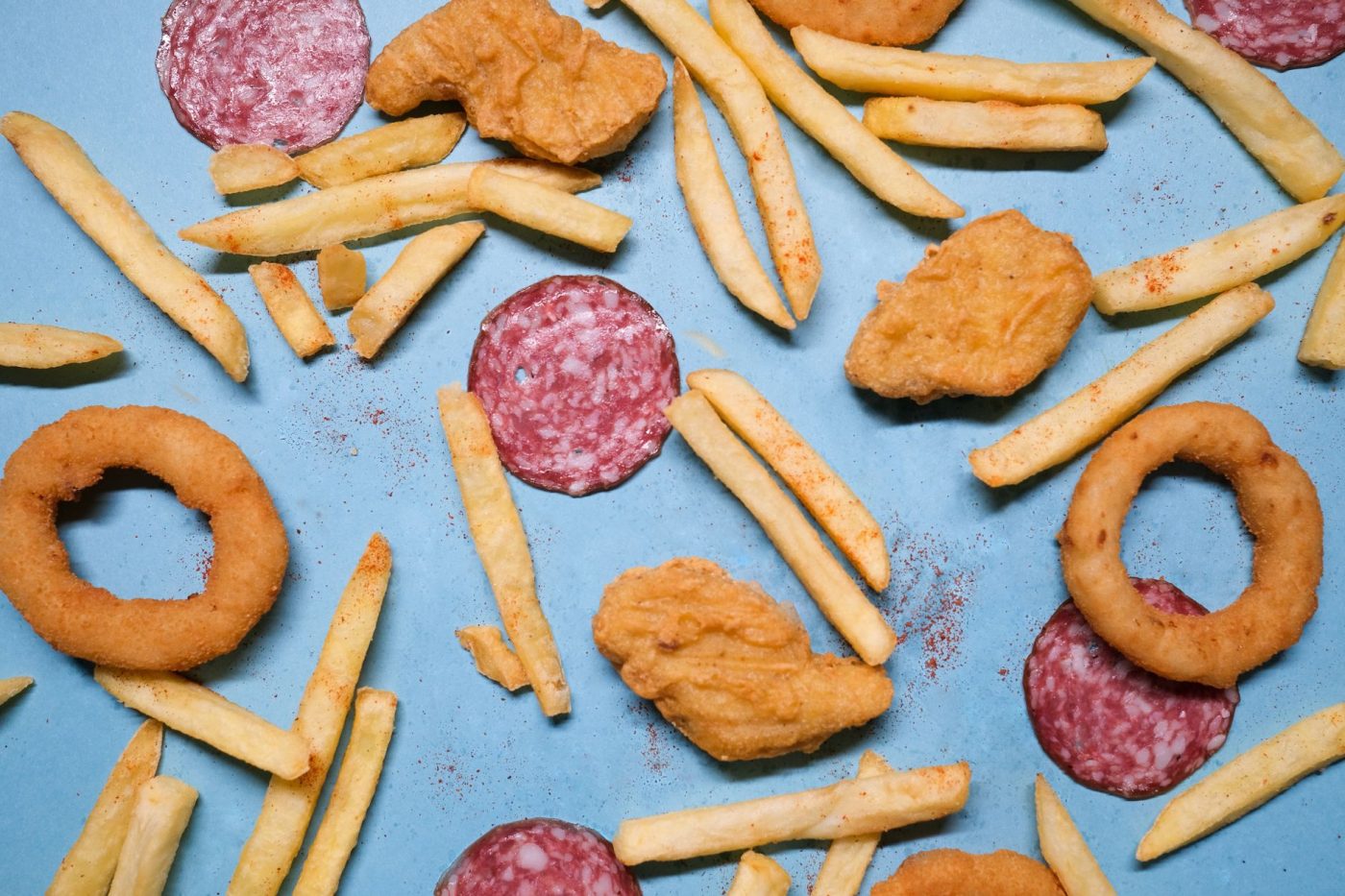
Junk food is one of those phrases everyone uses and no one quite defines. It usually means energy-dense, heavily processed foods that are high in sugar, salt or refined fat and low in fibre, protein and micronutrients. The honest truth from a dietitian's chair is that no single food is poison, and no single food is virtuous. What matters is how often, how much, and what the rest of your week looks like. This guide names the usual suspects, gives realistic portions, and offers swaps that satisfy without the guilt.
What counts as junk food
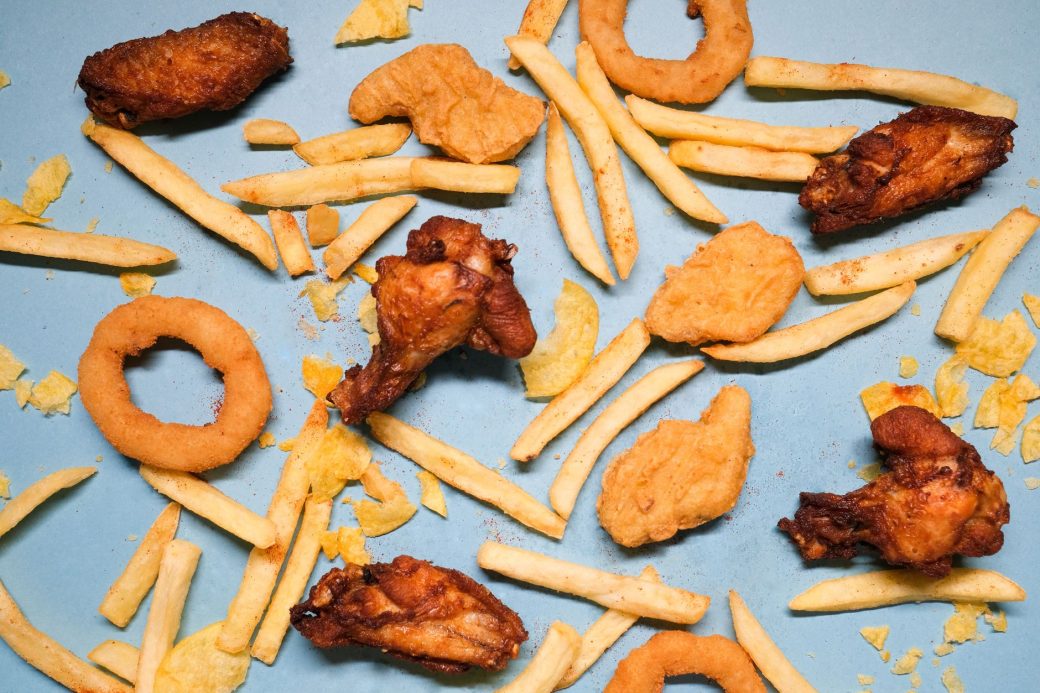
Junk food is a loose category rather than a scientific one. In practice it describes ultra-processed products engineered to be extremely tasty and easy to overeat: sweets, sugary drinks, crisps, biscuits, fast-food burgers, deep-fried snacks and many packaged desserts. These foods tend to deliver a lot of calories for very little nutrition or fullness.
That does not make them forbidden. A balanced diet has room for foods you enjoy purely for pleasure. The problem is proportion: when energy-dense extras crowd out vegetables, wholegrains and protein, the overall diet suffers. If you want to see where these foods sit in a balanced day, our food pyramid guide places them right at the narrow tip.
The usual suspects and their portions
Knowing a realistic portion is more useful than pretending you will never eat these foods. The trouble is rarely one biscuit; it is the open packet. Below are common items with a sensible single serving.
| Food | Realistic portion | Rough calories | Main concern |
|---|---|---|---|
| Crisps | 25g small bag | about 130 | Salt and refined fat |
| Milk chocolate | 4 small squares (about 25g) | about 130 | Sugar and fat |
| Sugary cola | 330ml can | about 140 | Free sugars |
| Biscuits | 2 biscuits | about 100 to 150 | Sugar and refined flour |
| Fast-food fries | Small portion | about 220 | Salt and fat |
| Ice cream | 2 scoops (about 100g) | about 200 | Sugar and fat |
Notice how a single serving is modest. The calories climb when a portion becomes a sharing bag eaten alone, so the size of the container often matters more than the food itself.
Why these foods are easy to overeat
Ultra-processed foods are designed to be moreish. The combination of sugar, fat, salt and soft textures hits pleasure signals hard while doing little to make you feel full. That is not a personal failing; it is the product working as intended.
- Low satiety: they contain little fibre or protein, so hunger returns quickly after eating them.
- Fast eating: soft, easy-to-chew textures mean you can eat a lot before fullness catches up.
- Liquid calories: sugary drinks add significant energy without registering as food, which is why the World Health Organization highlights free sugars in drinks specifically.
Understanding this removes the shame and makes practical strategies easier. You are not weak for finishing the packet; the packet was built to be finished.
Smart swaps that still satisfy
The goal is not to swap every treat for celery. It is to find substitutes that scratch the same itch with a bit more nutrition, so treats become genuine occasions rather than daily autopilot.
- For crisps: try lightly salted popcorn, roasted chickpeas or a handful of nuts for crunch with fibre or protein.
- For sugary drinks: sparkling water with fruit, or diluted juice, cuts the sugar while keeping the fizz and flavour.
- For chocolate cravings: a few squares of dark chocolate with strawberries feels indulgent and slows you down.
- For ice cream: frozen banana blended with cocoa, or Greek yoghurt with berries, delivers creaminess with more staying power.
For more ideas, our healthy snacks list and low calorie snacks are full of swaps that hold up to a real craving.
Fitting treats without guilt
Restriction tends to backfire. Labelling foods as bad often makes them more desirable and sets up a cycle of guilt and overeating. A calmer approach is to plan for treats rather than banning them.
The Academy of Nutrition and Dietetics and the Harvard Nutrition Source both promote an all-foods-fit mindset built on overall patterns, not single meals. Enjoy the birthday cake, sit down and actually taste the crisps, and let the rest of your week carry the nutrition. If treats show up as part of a mostly whole-food diet, they are simply part of a normal, sustainable way of eating.
Tip: Portion treats onto a plate or into a small bowl instead of eating from the bag or tub. Serving yourself a defined amount lets you enjoy it fully without the packet deciding the portion for you.
Junk food, weight and the bigger picture
Because these foods are energy-dense and easy to overeat, they can quietly push daily calories higher than intended, which matters for anyone managing their weight. But blaming a single food group misses the point. Weight and health respond to the whole pattern over months, not to one bag of crisps.
If your wider goal is fat loss or better balance, our guides to a calorie deficit and the best diet for healthy weight loss show how occasional treats fit within a sustainable approach. For keeping healthier snacks handy at home, an airtight snack container set makes it easier to prep popcorn, nuts and cut fruit so the convenient option is also the better one.
Some links are affiliate links and we may earn a small commission at no extra cost to you. We only suggest product types we would genuinely consider.
Note: This article is general information, not medical or personalised dietary advice. For guidance tailored to you, speak with a registered dietitian or your doctor.
Sources and further reading:
- NHS for guidance on sugar, salt and processed foods.
- World Health Organization for recommendations on free sugars.
- Harvard Nutrition Source for a balanced view of processed foods and healthy patterns.
Have a question or a topic to suggest?
We read every message. Tell us what you would like to see next on the blog.
Get in touchYou may also like
Healthy Snacks: Dietitian-Approved List With Portions
The problem with snacking is rarely the snack, it is the type and portion. This dietitian-approved list groups healthy snacks by what they offer, with realistic portions and easy swaps for the usual suspects.
Low Calorie Snacks: Dietitian-Approved List With Portions
The snack is rarely the problem, the portion is. This dietitian-approved list gathers filling low-calorie snacks with realistic portions and approximate calories.
Good Foods: Dietitian-Approved List With Portions
Good foods are whole, nutrient-dense staples you can eat most days. A dietitian groups the best by type, with portions and practical meal ideas.