Meal Prep & Healthy Eating
Healthy Meals for Dinner: Dietitian-Approved List With Portions
Ready-to-cook dinner ideas grouped by style, with realistic portions and swaps for busy weeknights.
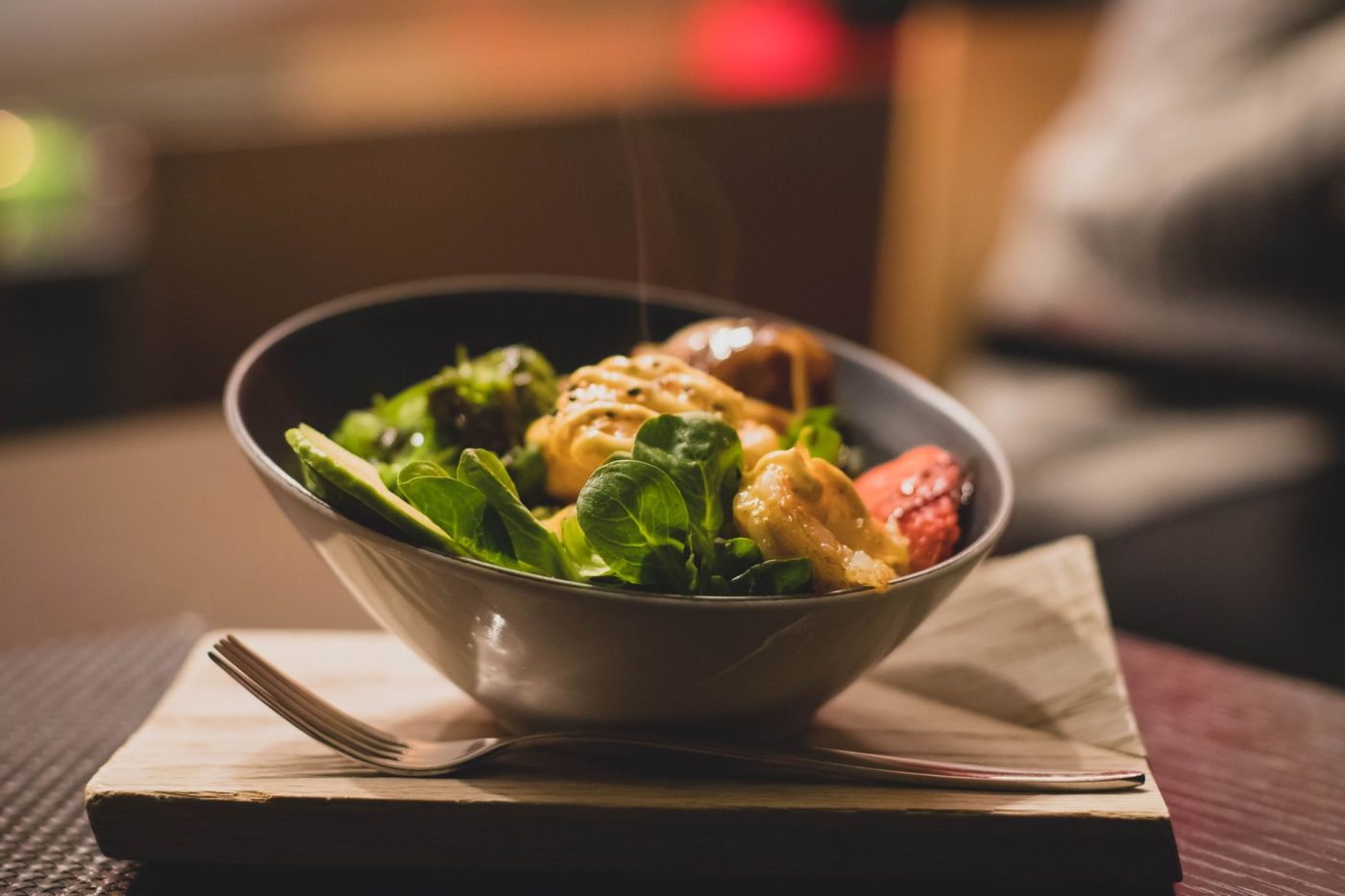
A healthy dinner does not have to mean bland, complicated, or expensive. The most reliable formula is simple: build the plate around vegetables, a protein source, and a smart carbohydrate, then add a little healthy fat for flavour and satisfaction. This dietitian-approved list gives you ready-to-cook dinner ideas grouped by style, with realistic portions, nutrition pointers, and swaps you can lean on when time is short.
What makes a dinner healthy
Rather than memorising recipes, learn the plate model. It flexes across cuisines and budgets and takes the guesswork out of a balanced meal. The idea sits at the heart of the NHS Eatwell Guide and is echoed by dietitians worldwide.
- Half the plate vegetables or salad: fibre, vitamins, and volume that fills you up for few calories.
- A quarter protein: fish, poultry, eggs, tofu, beans, or lean meat to support muscle and satiety.
- A quarter smart carbohydrate: wholegrains, potatoes, or pulses for steady energy.
- A little healthy fat: olive oil, nuts, seeds, or avocado for flavour and fat-soluble vitamins.
If you want the reasoning behind protein portions, our guide to protein foods breaks it down, and our healthy food list covers the wider store cupboard.
Quick weeknight dinners
These come together in around 20 to 30 minutes and lean on ingredients you can keep on hand. Each follows the plate model without needing a recipe card.
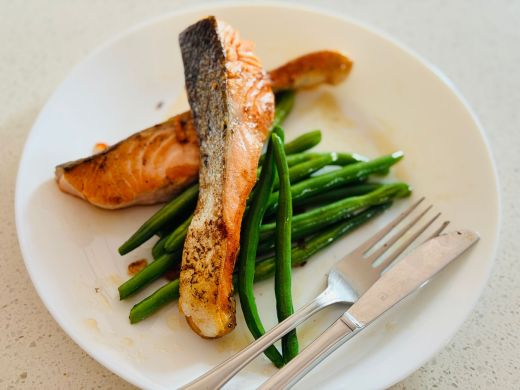
- Salmon traybake: a 140g salmon fillet with a tray of broccoli, peppers, and 150g new potatoes roasted in olive oil.
- Stir-fry: 100 to 150g chicken, prawns, or tofu with a large handful of mixed veg and 180g cooked brown rice or noodles.
- Omelette and salad: a two to three egg omelette with a big side salad and a slice of wholegrain bread.
- Bean chilli: mixed beans, tinned tomatoes, and spices over rice for a fibre-rich, low-cost dinner.
Higher protein dinners
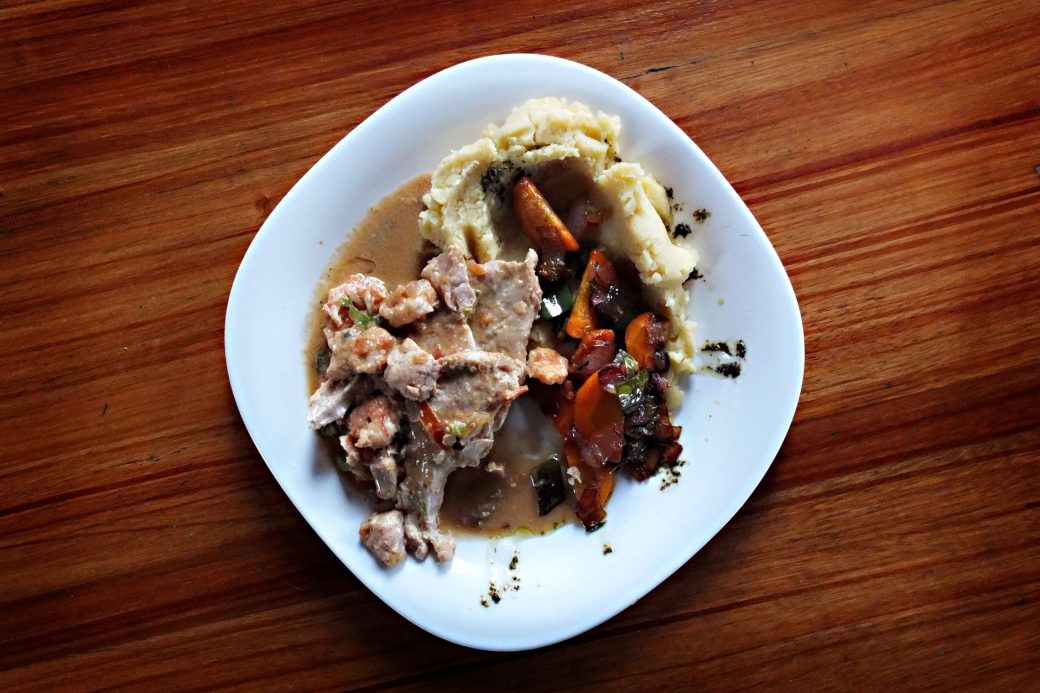
Protein at dinner helps with fullness and, for active people, muscle maintenance. Most adults do well with roughly 25 to 40g of protein at an evening meal. For more ideas, see our list of high protein meals.
- Grilled chicken with quinoa: a palm-sized chicken breast (about 130g) delivers roughly 35g protein.
- Lentil and vegetable curry: 150g cooked lentils provide about 12g protein plus plenty of fibre.
- Tofu and edamame bowl: a plant-based combination that reaches a solid protein total.
- White fish with beans: a light but protein-rich plate that suits a lower-calorie day.
Tip: Cook once, eat twice. Roast a double tray of chicken or a big pot of chilli, and half becomes tomorrow's lunch. Our guide to meal prep dishes has more batch-friendly ideas.
Budget-friendly dinners
Healthy eating and low cost go together more often than people expect. Pulses, eggs, frozen veg, and tinned fish are among the cheapest sources of good nutrition on the shelf.
- Jacket potato with beans and cheese: filling, high in fibre, and pennies per portion.
- Egg fried rice with frozen veg: a fast way to use leftover rice safely when cooled and reheated properly.
- Tinned mackerel pasta: wholewheat pasta, tinned mackerel, and spinach for an omega 3 boost.
- Vegetable and chickpea stew: stretch one batch across several dinners.
Dinner portion guide
Portions are typical adult guides, not strict rules, and nutrition figures are approximate.
| Component | Example | Typical portion | Approx calories |
|---|---|---|---|
| Lean protein | Chicken breast | 130g cooked | Around 215 |
| Oily fish | Salmon fillet | 140g cooked | Around 290 |
| Plant protein | Cooked lentils | 150g | Around 175 |
| Smart carb | Brown rice | 180g cooked | Around 215 |
| Smart carb | New potatoes | 175g | Around 130 |
| Vegetables | Mixed veg or salad | 150 to 200g | Around 40 to 70 |
| Healthy fat | Olive oil | 1 tablespoon | Around 120 |
Smart swaps that upgrade any dinner
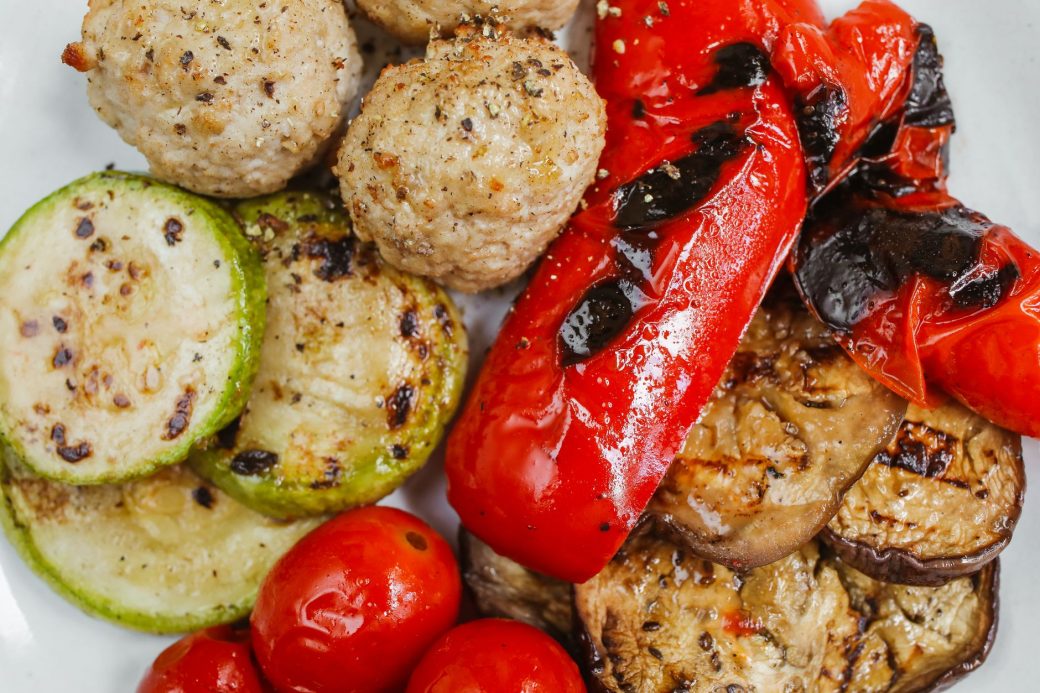
Small changes add up across a week of meals. None of these require new skills, just a different default choice.
- Swap white rice or pasta for wholegrain: more fibre and a steadier blood sugar response.
- Swap frying for roasting or grilling: less added fat while keeping flavour.
- Bulk out mince with lentils or beans: more fibre, lower cost, and fewer calories per serving.
- Load up on vegetables first: fill half the plate before you plate the rest.
A quality non-stick roasting tray and a set of glass meal prep containers make weeknight cooking and leftovers far easier.
Some links are affiliate links and we may earn a small commission at no extra cost to you. We only suggest product types we would genuinely consider.
Balance over the week, not every plate
No single dinner makes or breaks your health. What matters is the pattern across days and weeks, so aim for mostly balanced plates and leave room for meals you simply enjoy. The NHS Eatwell Guide and the British Dietetic Association both frame healthy eating as a flexible pattern rather than a list of forbidden foods.
If weight management is your goal, pairing these dinners with the principles in our best diet for healthy weight loss guide gives you the bigger picture.
Note: This article is general information, not medical or personalised dietary advice. For guidance tailored to you, speak with a registered dietitian or your doctor.
Have a question or a topic to suggest?
We read every message. Tell us what you would like to see next on the blog.
Get in touchYou may also like
High Protein Meals: The Complete Evidence-Based Guide
High protein meals steady appetite and support muscle. Here is what counts as high protein, how much per meal, the best sources and easy ideas across the day.
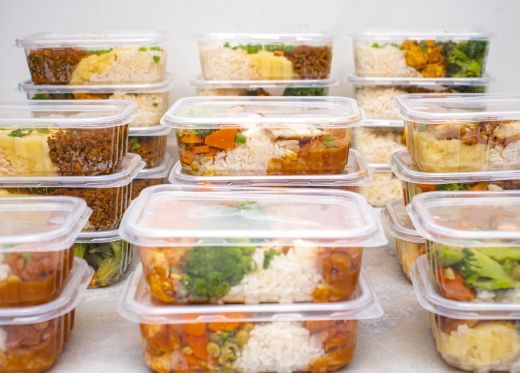
Meal Prep Dishes: The Complete Evidence-Based Guide
Cooking dishes ahead saves time and money and makes balanced eating the easy default. This evidence-based guide covers what meal prep dishes are, what research shows, how to build them and who benefits most.
Healthy Food: Dietitian-Approved List With Portions
Healthy eating comes down to a handful of everyday foods in sensible amounts, most of the time. This dietitian-approved list groups healthy foods by category, with realistic portions and simple swaps.