Food Lists With Portions
Protein Foods: Dietitian-Approved List With Portions
The best protein foods across every food group, with the approximate protein in a normal portion so you can mix and match to suit your taste and budget.
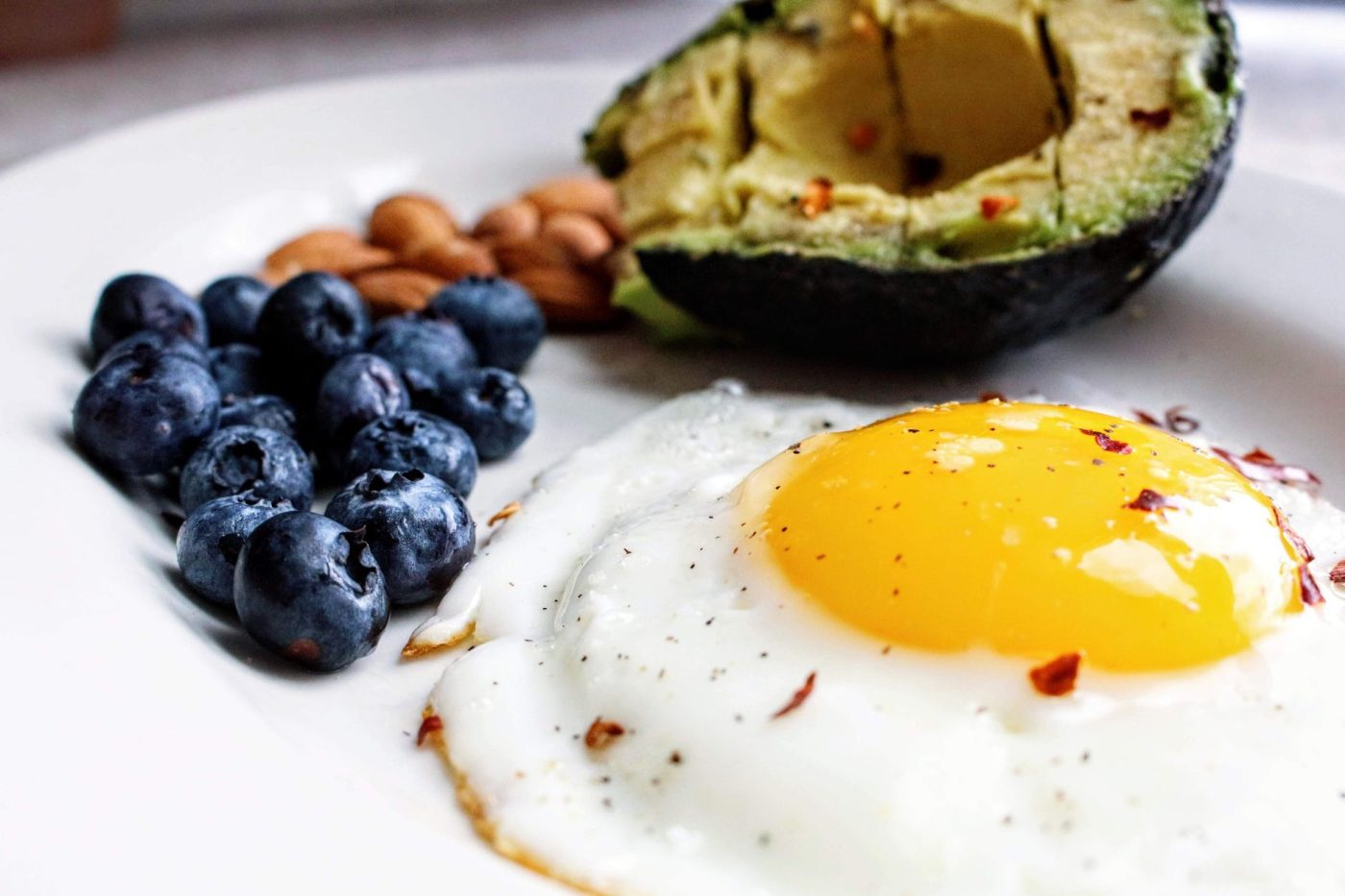
Ask ten people to name a protein food and most will say chicken, and stop there. Yet protein hides in dozens of everyday foods across every food group, from dairy and pulses to grains and seeds. Knowing which foods carry protein, and roughly how much a normal portion provides, makes building balanced meals far easier. This dietitian-approved list lays out the best protein foods with portions, so you can mix and match to suit your taste, budget and way of eating.
What counts as a protein food
A protein food is simply one that delivers a meaningful amount of protein per serving. Some are almost pure protein, like chicken or fish, while others combine protein with carbohydrate or fat, like beans, yoghurt or nuts. Both kinds are valuable, and a mix across the day gives you the widest range of nutrients. It is worth remembering that quantity and quality both matter: a food can be labelled high in protein yet provide only a few grams per realistic serving, which is why the portions in this guide are more useful than the marketing on the front of a pack. Judging foods by what a normal serving actually delivers keeps expectations grounded.
- Complete proteins: contain all nine essential amino acids in useful amounts, typical of animal foods and soya.
- Complementary proteins: plant foods that combine across the day to cover all amino acids, such as beans with grains.
- Everyday sources: meat, fish, eggs, dairy, pulses, tofu, nuts, seeds and wholegrains all contribute.
Harvard's Nutrition Source encourages choosing protein from a variety of foods, with an emphasis on plants and lean options.
Why variety matters
Relying on a single protein food narrows your nutrient intake and quickly becomes monotonous. Different sources bring different extras: oily fish adds omega-3 fats, pulses add fibre, dairy adds calcium, and red meat adds iron and zinc. Rotating your sources covers more bases and keeps eating interesting.
Variety also helps with sustainability and cost. Pulses and eggs are inexpensive, fish and lean meat can be reserved for certain meals, and plant proteins reduce the environmental footprint of your diet. There is a digestive angle too: mixing sources spreads out different fats, fibres and cooking styles, which tends to sit more comfortably than eating the same heavy protein at every meal. Variety even supports appetite, because a plate that changes from day to day is one you are more likely to stick with over the long run. The NHS Eat Well guidance recommends beans, pulses and fish as regular alternatives to red and processed meat, which is a sensible framework for most people.
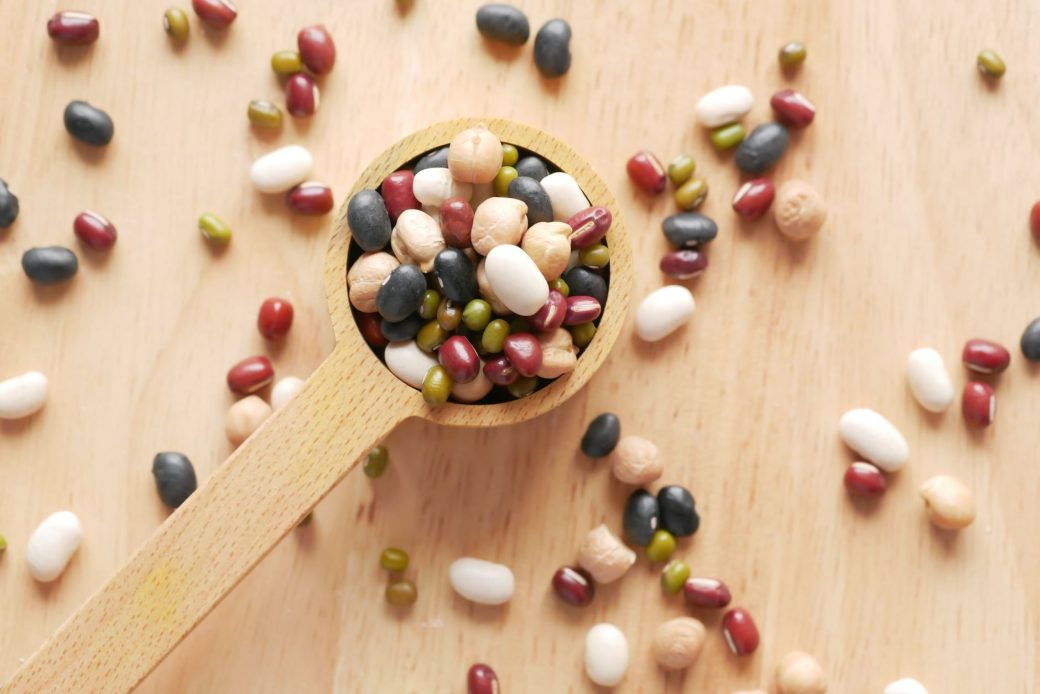
The protein foods list with portions
Here are reliable protein foods with the approximate protein in a normal serving. Figures are rounded and vary by cut, brand and preparation, so use them as a practical guide rather than precise measurements.
| Food | Typical serving | Approx. protein |
|---|---|---|
| Chicken breast, cooked | 1 fillet (about 120 g) | 36 g |
| Prawns, cooked | 100 g | 24 g |
| Eggs | 2 large | 13 g |
| Milk | 1 cup (250 ml) | 8 g |
| Cheddar cheese | 30 g | 7 g |
| Greek yoghurt | 1 cup (about 170 g) | 17 g |
| Chickpeas, cooked | 1 cup (about 160 g) | 15 g |
| Tempeh | 100 g | 19 g |
| Peanut butter | 2 tbsp (about 32 g) | 7 g |
| Quinoa, cooked | 1 cup (about 185 g) | 8 g |
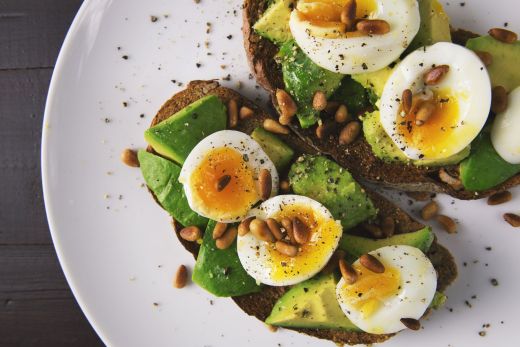
Tip: Pair a smaller portion of a protein-dense food with a plant protein, such as eggs on wholegrain toast or chicken with lentils, to boost the protein and fibre of a single meal.
Animal-based options
Animal foods are the most protein-dense and easiest to portion for a target. They are complete proteins and pair well with almost any dish.
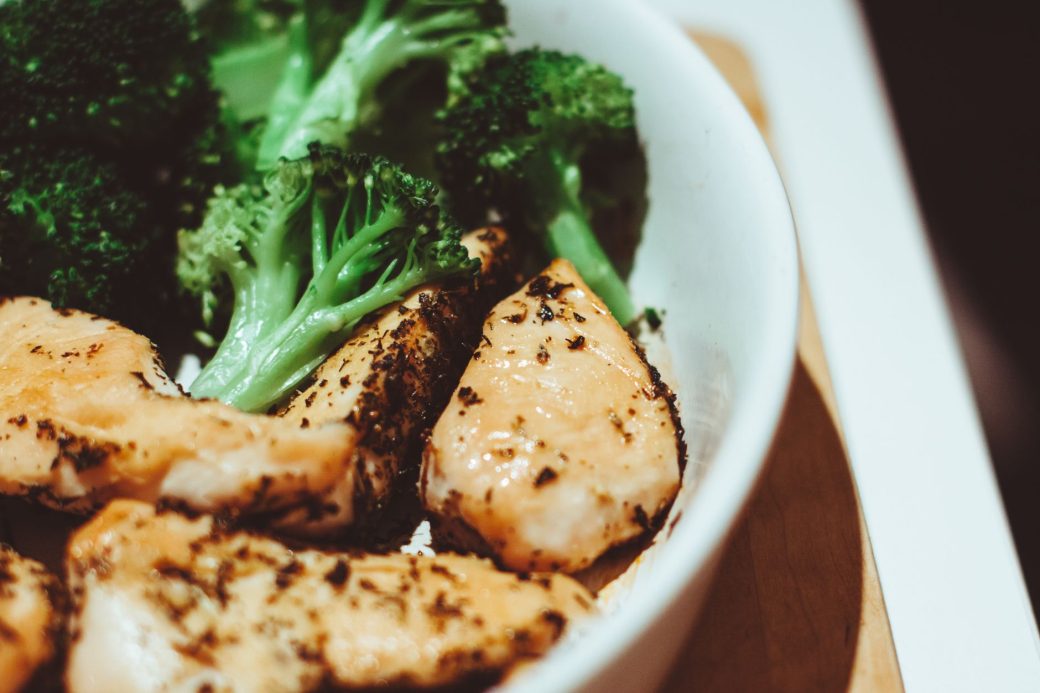
- Poultry and lean meat: chicken, turkey and trimmed beef or pork are high in protein per calorie.
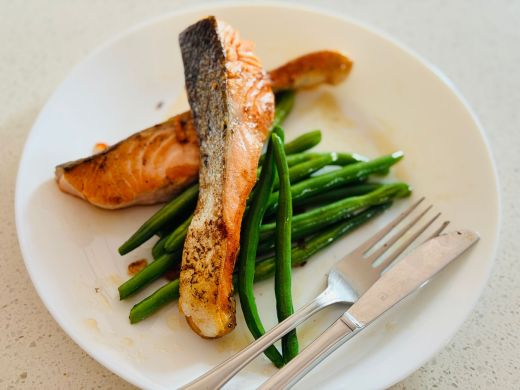
- Fish and seafood: salmon, mackerel, tuna, prawns and white fish add protein and, in oily fish, omega-3.
- Eggs: affordable, versatile and a benchmark for protein quality.
- Dairy: milk, cheese, Greek yoghurt and cottage cheese provide protein plus calcium.
For meals built around these, see our high protein meals guide and high protein breakfast list.
Plant-based options
Plant proteins deliver protein alongside fibre and a broad mix of micronutrients, and they are gentle on the budget. The old worry about needing to combine specific plant foods at every single meal has been set aside: eating a range of plant proteins across the day comfortably covers all the amino acids you need. A little planning is all it takes.
- Pulses: lentils, chickpeas and beans are the backbone of plant-based protein.
- Soya foods: tofu, tempeh, edamame and soya milk are complete proteins.
- Nuts and seeds: almonds, peanuts, hemp and pumpkin seeds boost snacks and meals.
- Wholegrains: quinoa, oats and wholewheat contribute steady protein.
Our protein rich foods list and high protein foods guide give you even more choices to rotate through.
Convenient protein add-ons
Whole foods should lead, but a few shelf-stable products make it easier to hit your protein target when time or appetite runs short.
Some links are affiliate links and we may earn a small commission at no extra cost to you. We only suggest product types we would genuinely consider.
- Protein powder: a scoop of whey protein powder or plant protein tops up smoothies and porridge with a measured dose.
- Tinned pulses and fish: stock tinned tuna and tinned beans for fast, cheap protein with almost no prep.
- Nuts and seeds: a bag of mixed nuts keeps protein on hand for snacking.
Look for options low in added salt and sugar, and treat powders as a top-up rather than a replacement for meals. Our protein shakes evidence review explains when they earn their place.
Building balanced meals
The simplest approach is to include a protein food at every meal and one or two protein-rich snacks. That structure lands most people at a healthy intake without counting grams. Aim for roughly a palm-sized portion of a dense protein, or a generous cupful of pulses, at main meals, and treat snacks as small opportunities to top up rather than an afterthought. If a meal looks light on protein, the quickest fixes are usually the easiest: an egg, a spoon of Greek yoghurt, a scattering of seeds, or a handful of beans stirred through. Over a week these small habits add up to a diet that is both varied and consistently well supplied with protein.
Rotate animal and plant sources through the week for variety, nutrients and value, and lean on pulses to add fibre alongside protein. The Academy of Nutrition and Dietetics recommends spreading protein across the day rather than concentrating it in one meal, which makes this balanced approach both practical and effective.
Protein on a budget
One of the biggest myths about eating more protein is that it has to be expensive. Lean cuts of meat and fish can add up, but some of the most protein-dense foods are also among the cheapest in the shop. Building meals around these keeps both your intake and your grocery bill comfortable.
Cost per gram of protein, rather than cost per pack, is the number that matters. By that measure, eggs, tinned fish, dried and tinned pulses, milk and own-brand yoghurt consistently come out ahead of trendy protein products, many of which charge a premium for convenience or packaging rather than for extra protein. Batch cooking pulses and freezing portions stretches value even further and makes the cheap option the convenient one, so in practice the budget choice never has to feel like the harder or less appealing choice.
- Eggs: among the best value complete proteins, endlessly versatile and quick to cook.
- Dried and tinned pulses: lentils, chickpeas and beans deliver protein and fibre for very little.
- Tinned fish: tuna, sardines and mackerel offer protein and, in oily fish, omega-3 with a long shelf life.
- Milk and own-brand yoghurt: dependable, affordable protein with calcium alongside.
Reserving pricier cuts for a couple of meals a week while leaning on these staples the rest of the time keeps a high-protein diet genuinely affordable. For weight-focused eating that stays economical, our high protein snacks list is a handy companion.
Note: This article is general information, not medical or personalised dietary advice. For guidance tailored to you, speak with a registered dietitian or your doctor.
Sources and further reading
Have a question or a topic to suggest?
We read every message. Tell us what you would like to see next on the blog.
Get in touchYou may also like
High Protein Foods: Dietitian-Approved List With Portions
Beyond chicken and eggs, protein hides across every food group. This dietitian-approved list gives the best high-protein foods with realistic portions and approximate grams.
Protein Rich Foods: Dietitian-Approved List With Portions
A dietitian-approved list of protein rich foods grouped by type, with realistic portions, protein amounts and simple swaps to hit your daily target.
High Protein Meals: The Complete Evidence-Based Guide
High protein meals steady appetite and support muscle. Here is what counts as high protein, how much per meal, the best sources and easy ideas across the day.