Nutrition Basics · Nutrition Basics
High Protein Meals: The Complete Evidence-Based Guide
A practical, evidence-based guide to building high protein meals: portions, whole-food sources, plant-based options and common mistakes.
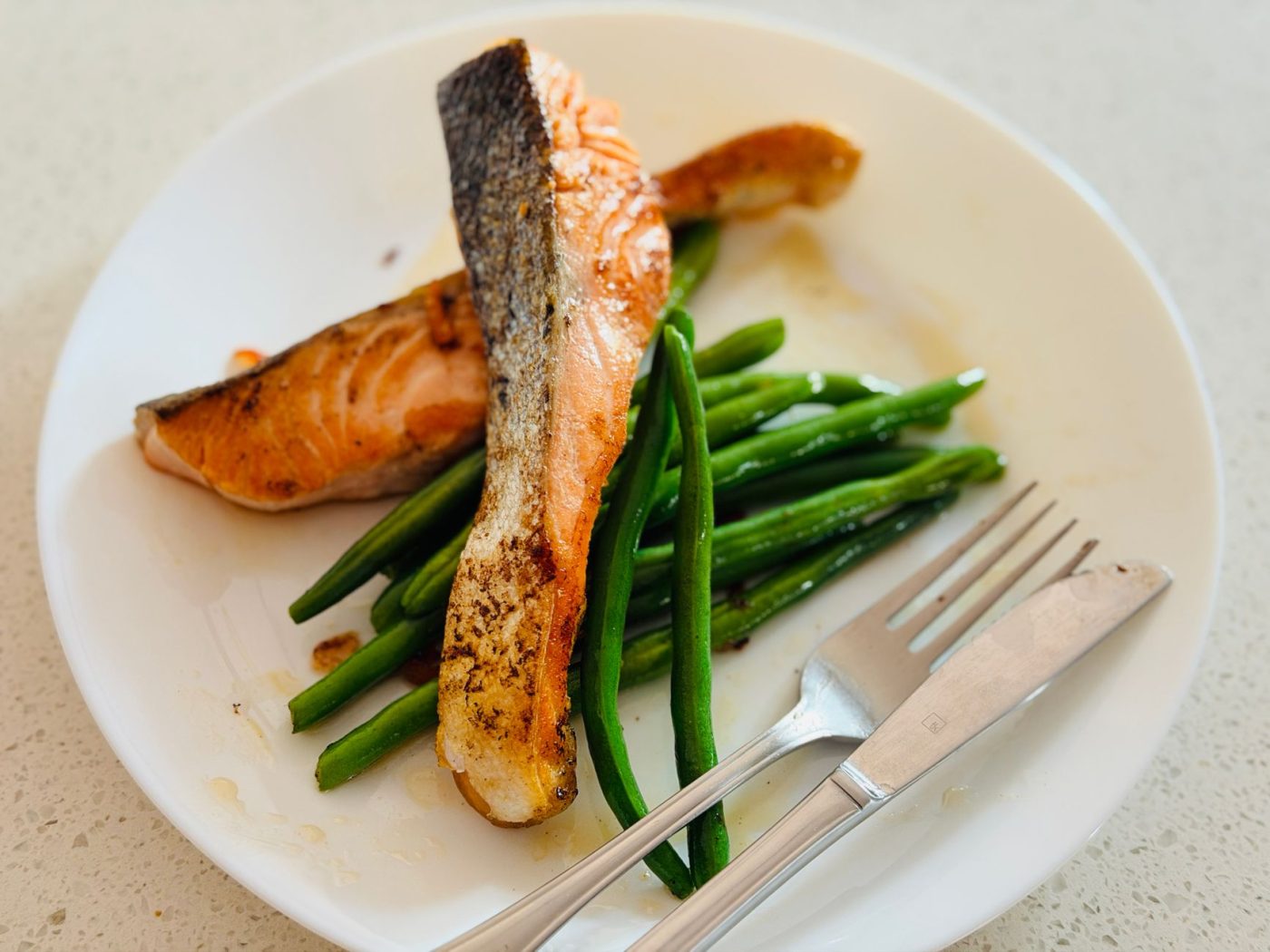
High protein meals are one of the simplest, most reliable ways to eat well, whether your goal is managing weight, building or keeping muscle, or just feeling satisfied between meals. This evidence-based guide explains what actually counts as a high protein meal, how much you need, how to build balanced plates across the day, and how to do it without relying on supplements.
What counts as a high protein meal
There is no single legal definition, but a useful working guide is a meal delivering somewhere around twenty-five to forty grams of protein, adjusted to your size and goals. A palm-sized portion of chicken, fish or tofu, a couple of eggs plus dairy, or a generous serving of beans and lentils will typically get you there. The aim is to make protein a deliberate feature of the plate rather than an afterthought.
Protein is one of the three main macronutrients, providing roughly four calories per gram and supplying the amino acids your body uses to build and repair tissue. For the full background on the nutrient itself, see our main protein guide. Here we focus on turning that theory into meals.
The appeal of a high protein meal is not just muscle. Because protein is slow to digest and strongly satisfying, meals built around it tend to leave you fuller for longer, which makes it easier to go from lunch to dinner without grazing. It also has a slightly higher thermic effect than carbohydrate or fat, meaning your body uses a little more energy digesting it, though this is a minor bonus rather than a weight-loss shortcut. The real value is behavioural: meals that keep you satisfied are meals you can sustain.
How much protein per meal
Total daily intake matters most, and spreading it across meals helps you use it well. Most adults do well on roughly 0.8 grams of protein per kilogram of body weight as a baseline, with active people, older adults and those losing weight often benefiting from more. Rather than loading it all into dinner, aim for a solid protein source at each meal.
| Goal | Protein per meal | Everyday example |
|---|---|---|
| General health | 20 to 30g | 2 eggs plus Greek yoghurt |
| Active or strength training | 30 to 40g | 150g chicken breast with beans |
| Fat loss with muscle retention | 30 to 40g | Salmon fillet with lentils |
| Plant-based | 20 to 35g | Tofu and edamame stir-fry |
These are general ranges, not personalised prescriptions. Distributing protein fairly evenly, at roughly twenty to forty grams a sitting, supports both fullness and muscle maintenance better than a single large serving. For the appetite and body composition angle, our high protein diet for weight loss guide covers the evidence.
Best protein sources for meals
Whole foods should do most of the work, because they bring other nutrients along with the protein. Variety across animal and plant sources is ideal.
- Animal: chicken and turkey around 30g per 100g cooked, eggs about 6g each, Greek yoghurt roughly 10g per 100g.
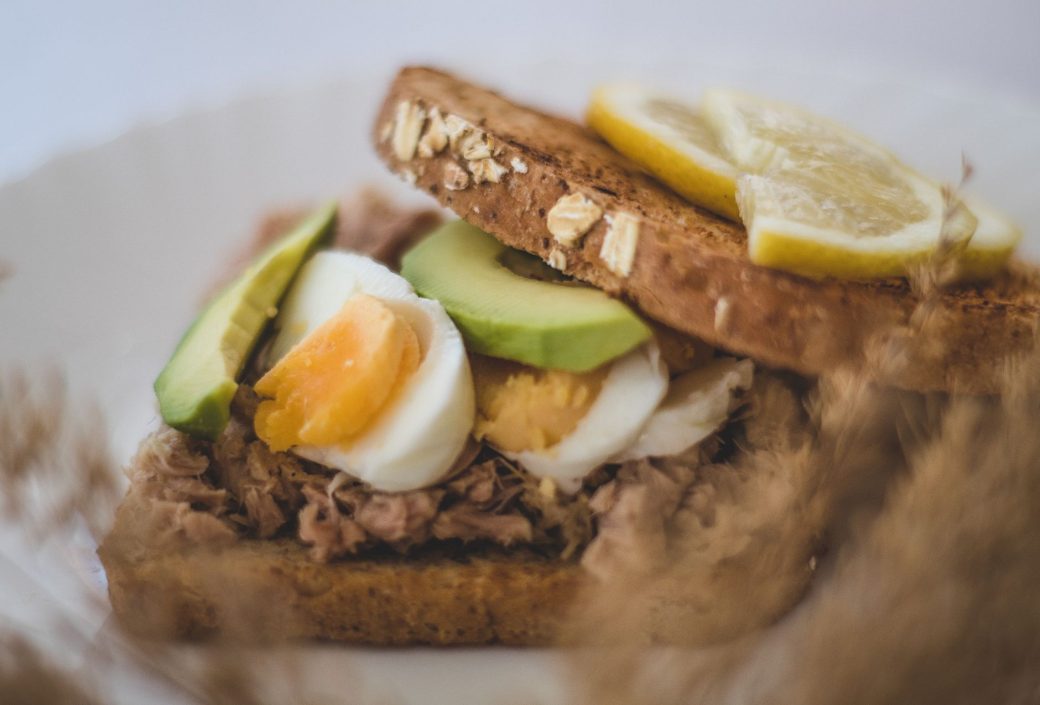
- Fish and seafood: salmon, tuna and prawns offer strong protein plus, in oily fish, useful omega-3 fats.
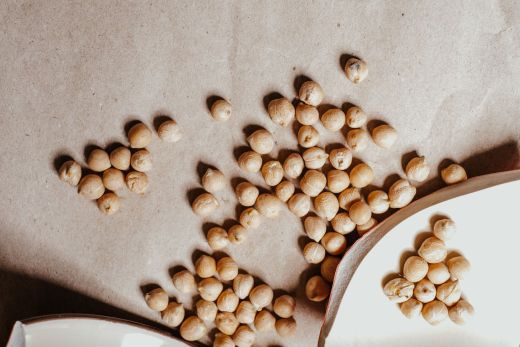
- Plant: lentils and chickpeas around 8g per half cup cooked, tofu and tempeh, edamame, and wholegrains such as quinoa.
Building a meal is easier when you keep a mental checklist: a protein, plenty of vegetables, a smart carbohydrate and a little healthy fat. Our lists of high protein foods and everyday protein foods give portion sizes to make this concrete.
Not all protein sources are equal in what else they bring to the plate. Oily fish adds omega-3 fats, dairy adds calcium, and beans and lentils add fibre that most people are short on. Leaning on a variety of sources rather than the same chicken breast at every meal means you pick up a wider range of nutrients almost by accident. It also keeps meals interesting, which matters more for long-term success than any single food choice.
High protein meals across the day
The easiest way to hit your target is to make each meal pull its weight rather than relying on one big protein hit.
- Breakfast: eggs on wholegrain toast, Greek yoghurt with fruit and nuts, or a smoothie with milk and oats.
- Lunch: a chicken or chickpea salad, a tuna wholegrain wrap, or leftover cooked protein with grains and vegetables.
- Dinner: baked salmon, a lentil and vegetable curry, or a tofu stir-fry with brown rice.
Breakfast is where many people fall short, so it is worth a deliberate plan. Our high protein breakfast list has ready-to-use ideas with portions.
Tip: Cook once and eat twice. Roasting an extra tray of chicken, tofu or a batch of lentils gives you a ready protein to drop into tomorrow's lunch, which is the single most reliable habit for eating enough protein without stress.
Plant-based high protein meals
You do not need meat to eat well for protein. A varied plant-based diet meets protein needs comfortably, and the old idea that you must combine specific proteins at every meal is outdated. Eating a range of legumes, wholegrains, soya foods, nuts and seeds across the day covers all essential amino acids.
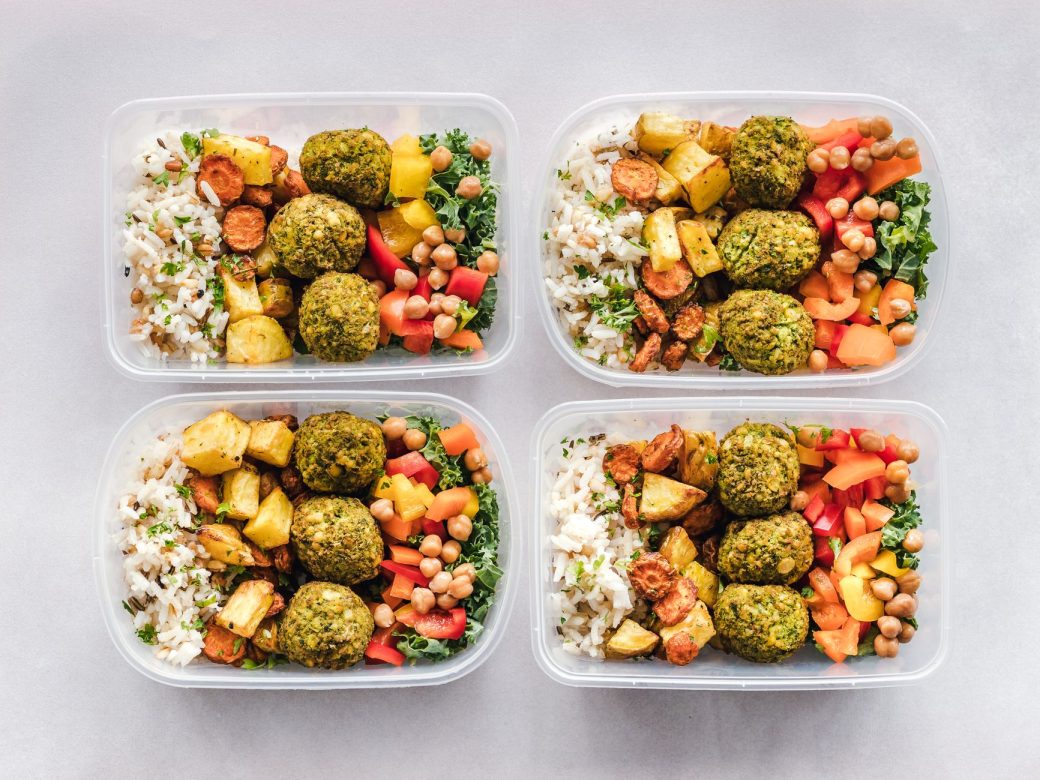
Practical high protein plant meals include lentil dahl with brown rice, a tofu and edamame stir-fry, chickpea and quinoa bowls, or bean chilli. Soya foods such as tofu, tempeh and edamame are complete proteins, making them especially handy. The Harvard Nutrition Source notes that plant proteins also bring fibre and beneficial fats, a bonus animal sources often lack. For a fuller framework, see our vegetarian diet guide.
Do you need protein powder
Protein powder is convenient, not essential. It is simply concentrated food that can help when whole meals are impractical, such as a busy morning or straight after training. If your meals already deliver enough protein, a supplement adds little beyond cost.
When a shake genuinely helps, a basic protein powder and a simple shaker bottle cover most needs, with prices ranging from budget tubs to premium isolates. Look for independent third-party testing such as Informed Sport if it matters to you. Our review of the best protein powder goes into detail.
Some links are affiliate links and we may earn a small commission at no extra cost to you. We only suggest product types we would genuinely consider.
Common mistakes to avoid
A few habits quietly undermine an otherwise good approach.
- Backloading protein: skipping it at breakfast and lunch, then trying to catch up at dinner, works less well for fullness and muscle.
- Chasing extreme amounts: beyond your needs, extra protein is used for energy, not turned into more muscle.
- Forgetting the rest of the plate: a high protein meal still needs vegetables, fibre and healthy fats to be balanced.
Authorities including the Academy of Nutrition and Dietetics and the British Dietetic Association stress variety and overall diet quality over chasing a single number. Protein is a powerful tool, but it works best as part of a balanced, sustainable pattern of eating.
Making it work in real life
The gap between knowing you should eat more protein and actually doing it usually comes down to logistics, not knowledge. A handful of simple systems remove almost all the friction.
- Keep fast proteins on hand: eggs, tinned fish, Greek yoghurt, pre-cooked lentils and frozen edamame need little or no preparation.
- Anchor each plate first: decide the protein before anything else, then build vegetables and carbohydrate around it.
- Batch cook a base: a tray of roast chicken thighs, a pot of chilli or a slab of baked tofu covers several meals.
Budget need not be a barrier either. Eggs, tinned fish, dairy, and dried or tinned beans and lentils are among the cheapest protein sources available, and they store well. Building meals around these keeps costs down while still hitting your target. Buying larger cuts of meat or fish and portioning them into the freezer, or cooking dried pulses in bulk rather than buying tins, stretches a food budget further while keeping protein high. For anyone eating out often, most menus offer a grilled protein and vegetables option, and asking for an extra portion of the protein is an easy upgrade. The habit that ties it all together is planning even loosely for the week ahead, so a good protein source is always the path of least resistance.
Note: This article is general information, not medical or personalised dietary advice. For guidance tailored to you, speak with a registered dietitian or your doctor.
Sources and further reading:
- Harvard Nutrition Source for protein quality and plant sources.
- Academy of Nutrition and Dietetics for protein needs across the lifespan.
- British Dietetic Association for balanced eating fact sheets.
Have a question or a topic to suggest?
We read every message. Tell us what you would like to see next on the blog.
Get in touchYou may also like
High Protein Foods: Dietitian-Approved List With Portions
Beyond chicken and eggs, protein hides across every food group. This dietitian-approved list gives the best high-protein foods with realistic portions and approximate grams.
High Protein Breakfast: Dietitian-Approved List With Portions
Front-load your protein for steadier energy and fewer cravings. This dietitian-approved list gives real breakfast options by type, each with a portion guide and approximate protein content.

High Protein Diet for Weight Loss: The Complete Evidence-Based Guide
Protein is one of the best-supported tools for losing fat while keeping muscle. Learn why it works, how much you need, the best foods, and how to build a high protein day.