Weight Loss & Management
High Calorie Foods for Weight Gain: Dietitian-Approved List With Portions
The best nutrient-dense foods for healthy weight gain, with realistic portions, a calorie table, and practical ways to raise your intake steadily.
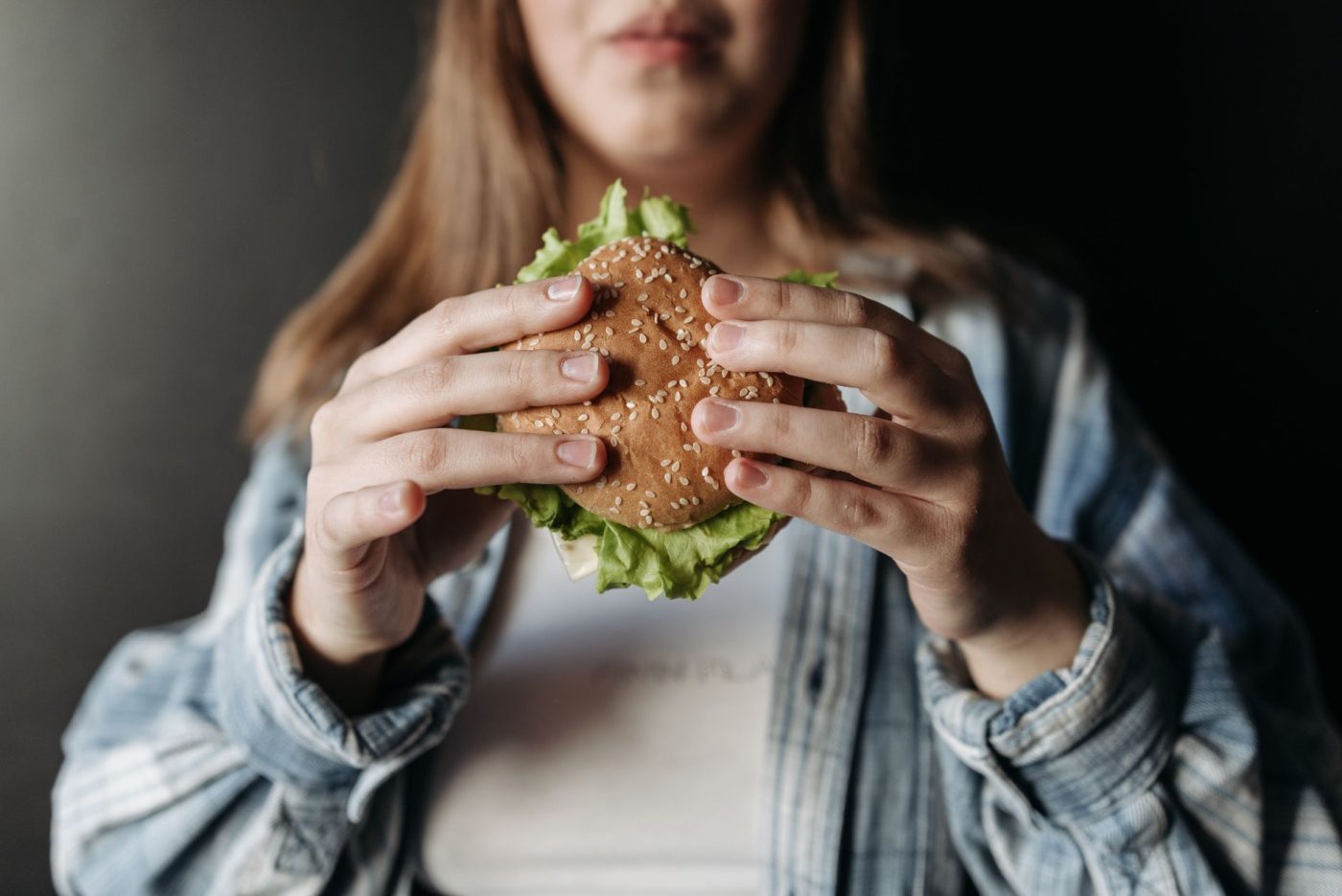
Gaining weight in a healthy way can be just as tricky as losing it, and the answer is rarely junk food. The goal is a calorie surplus built from nutrient-dense foods that add energy without leaving you stuffed or unwell. This dietitian-approved list groups the most useful high calorie foods, gives realistic portions, and shows how to raise your intake steadily. Whether you are recovering, building muscle or simply underweight, the aim is quality calories rather than empty ones.
How healthy weight gain works
Weight gain follows the same energy logic as weight loss, only reversed. To gain, you need to take in more calories than you burn over time, creating a surplus your body can use to build tissue. For most people a modest surplus, roughly a few hundred calories above maintenance, supports steady gain without excessive fat.
The word healthy matters here. It is easy to add calories with sweets and fried food, but that route often means poor nutrition and unwanted fat gain. A better approach leans on energy-dense whole foods that also deliver protein, fibre, vitamins and healthy fats. If you find eating enough difficult, the trick is choosing foods that pack calories into smaller volumes so you are not overwhelmed at every meal. For the underlying maths, our calorie counting guide explains how to estimate your needs.
It also helps to reset your expectations on pace. Just as crash weight loss tends to rebound, forcing very fast weight gain usually means adding more fat than you want and can leave you feeling sluggish and uncomfortable. A steadier rate, in the region of a modest amount per week, gives your body time to build lean tissue when you are also training, and it is far easier to keep down when appetite is a struggle. If the scale is not moving after a couple of weeks, the fix is the same as for weight loss in reverse: nudge the surplus up a little rather than trying to double your intake overnight. Small, consistent additions win here just as they do on the losing side.
Energy-dense whole foods
These foods deliver a lot of calories in a modest serving, which is exactly what you want when appetite is limited. They form the backbone of a sensible weight-gain plan.
- Nuts and nut butters: around 180 to 200 calories per 30g of nuts or a heaped tablespoon of peanut butter.
- Olive oil and healthy fats: roughly 120 calories per tablespoon, easy to add to cooking and salads.
- Avocado: around 250 to 300 calories per whole fruit, rich in unsaturated fat.
- Dried fruit: about 120 calories per small 30g handful of raisins, dates or apricots.
- Full-fat dairy: whole milk, cheese and Greek yoghurt add calories plus protein and calcium.
Because these foods are calorie-dense, small additions add up fast. A drizzle of oil here and a handful of nuts there can lift a day's intake substantially without a bigger plate. For more on this food group, see our list of high calorie foods.
One point worth stressing is that fat is the most calorie-dense nutrient of all, providing more than twice the energy per gram of protein or carbohydrate. That makes healthy fats your most efficient lever when appetite is limited. Adding a spoon of olive oil to a soup, stirring nut butter into porridge, folding avocado through a salad, or scattering cheese over vegetables can each add a hundred calories or more without noticeably increasing how full you feel. Because these additions are small in volume, they slip in easily even on days when the thought of a larger meal feels off-putting, which is exactly when people trying to gain weight struggle most.
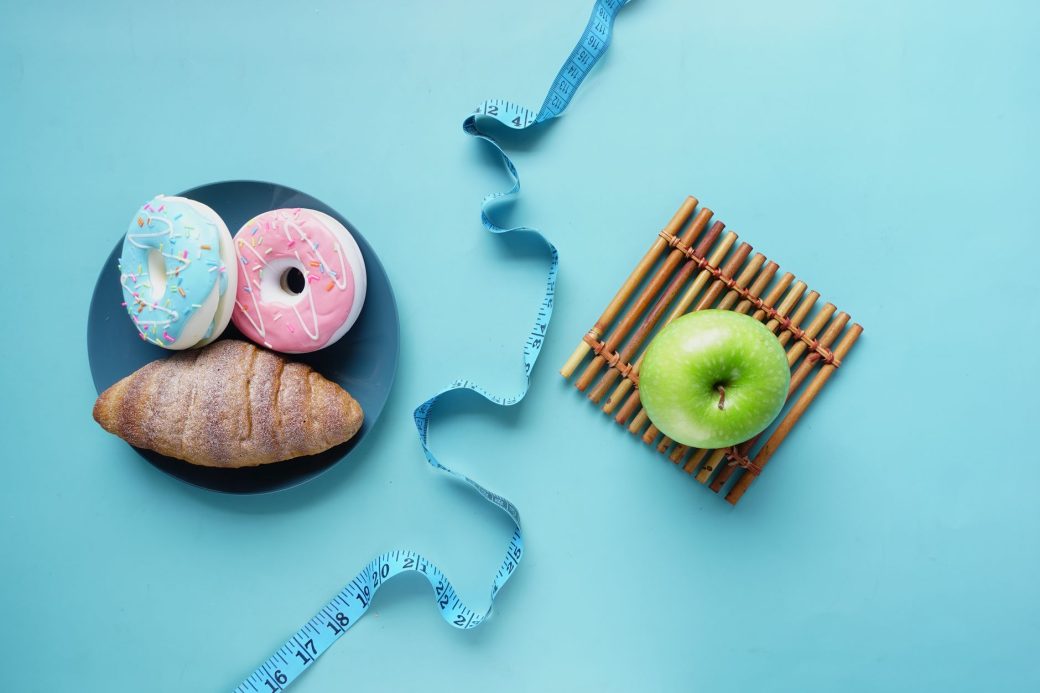
Protein-rich choices
Protein supports muscle growth, so if part of your goal is building strength rather than just adding weight, it deserves priority alongside the extra calories.
- Eggs: around 70 to 80 calories each, versatile and easy to add to any meal.
- Oily fish: salmon and mackerel offer roughly 200 to 250 calories per fillet plus healthy fats.
- Chicken thighs: a little higher in calories than breast, useful when gaining.
- Legumes: lentils, chickpeas and beans add calories, protein and fibre together.
To see how much protein different foods provide, our high protein foods list breaks it down by portion, and our protein guide covers how much you need.
If your specific aim is to build muscle rather than simply add weight, the combination that matters is a modest calorie surplus, enough protein spread across the day, and progressive resistance training. Without the training stimulus, extra calories tend to be stored more as fat than muscle, so lifting or bodyweight work is what tells your body to put the surplus to good use. This is why serious gain plans pair the kitchen with the gym rather than treating food as the whole answer. Patience matters here too, since meaningful muscle is built over months, not weeks, and chasing faster results usually just adds fat you will later want to lose.
Tip: Drink your calories when eating is hard. Smoothies with whole milk, yoghurt, banana, oats and peanut butter can pack several hundred calories into one glass, and liquids are often easier to get down than another full plate.
Smart carbohydrates
Carbohydrates are an efficient, affordable calorie source, and wholegrain versions bring fibre and steady energy along with the calories.
- Oats: around 150 calories per 40g dry, and easy to enrich with milk, nuts and fruit.
- Rice and pasta: generous cooked portions add calories quickly and pair with almost anything.
- Wholegrain bread: a filling base for calorie-dense toppings like nut butter or eggs.
- Potatoes: versatile and energy-dense, especially when roasted in olive oil.
Portion guide at a glance
This table gathers common weight-gain foods with rough calorie figures per serving. Values are approximate and vary by brand and preparation, so use them as a planning guide rather than exact numbers.
| Food | Portion | Approx. calories |
|---|---|---|
| Peanut butter | 1 heaped tablespoon | Around 100 |
| Mixed nuts | 30g handful | Around 190 |
| Avocado | 1 whole | Around 280 |
| Olive oil | 1 tablespoon | Around 120 |
| Whole milk | 250ml glass | Around 160 |
| Oats | 40g dry | Around 150 |
| Cheddar cheese | 30g | Around 120 |

Practical ways to add calories
Small, repeatable habits usually beat trying to force down enormous meals. The idea is to raise the calorie density of what you already eat.
- Add extras to meals: stir cheese, oil, seeds or nut butter into dishes you already make.
- Eat more often: three meals plus two or three snacks spreads the load and eases appetite pressure.
- Choose calorie-dense snacks: keep high protein snacks and trail mix within reach.
- Do not fill up on low-calorie volume: go easy on large salads and broths that fill you before the calories arrive.
A convenient way to top up on tough days is a mass or meal-replacement shake. A weight gainer powder blends easily into milk, and a jar of natural peanut butter is one of the cheapest calorie boosters going. Budget options work as well as premium ones for adding energy.
Some links are affiliate links and we may earn a small commission at no extra cost to you. We only suggest product types we would genuinely consider.
For a fuller look at products aimed at gaining, our weight gainer guide covers what to expect.
Who should be careful
Deliberate weight gain suits people who are underweight, recovering from illness or building muscle through training. But unexplained weight loss or a poor appetite can signal an underlying medical issue, so it is worth getting checked rather than simply eating more. Older adults and people managing conditions should get tailored advice.
It is also easy to overlook that appetite itself can be trained gently over time: eating little and often, keeping calorie-dense snacks within reach, and not filling up on drinks right before meals all help the amount you can comfortably eat creep upward week by week. The NHS offers guidance on gaining weight safely, and the Academy of Nutrition and Dietetics can help you find support if appetite or a health condition is making eating difficult. If your aim is instead to manage weight down, see our best diet for healthy weight loss guide.
Note: This article is general information, not medical or personalised dietary advice. For guidance tailored to you, speak with a registered dietitian or your doctor.
Sources and further reading:
- NHS for advice on gaining weight safely.
- Academy of Nutrition and Dietetics for support with appetite and nutrition.
- Harvard Nutrition Source for information on healthy fats and whole foods.
Have a question or a topic to suggest?
We read every message. Tell us what you would like to see next on the blog.
Get in touchYou may also like
High Calorie Foods: Dietitian-Approved List With Portions
Energy-dense food is an ally when you need to gain weight or fuel training. This dietitian-approved list separates nourishing high calorie foods from empty ones, with real portions and smart strategies.

Weight Gainer: The Complete Evidence-Based Guide
A weight gainer is a high calorie powder for people who struggle to eat enough. Here is who genuinely benefits, what is inside, and why whole food should still come first.
High Protein Foods: Dietitian-Approved List With Portions
Beyond chicken and eggs, protein hides across every food group. This dietitian-approved list gives the best high-protein foods with realistic portions and approximate grams.