Nutrition Basics · Nutrition Basics
Protein: The Complete Evidence-Based Guide
How much protein you really need, where to get it, and how to see past the marketing around powders and shakes, explained by dietitians.
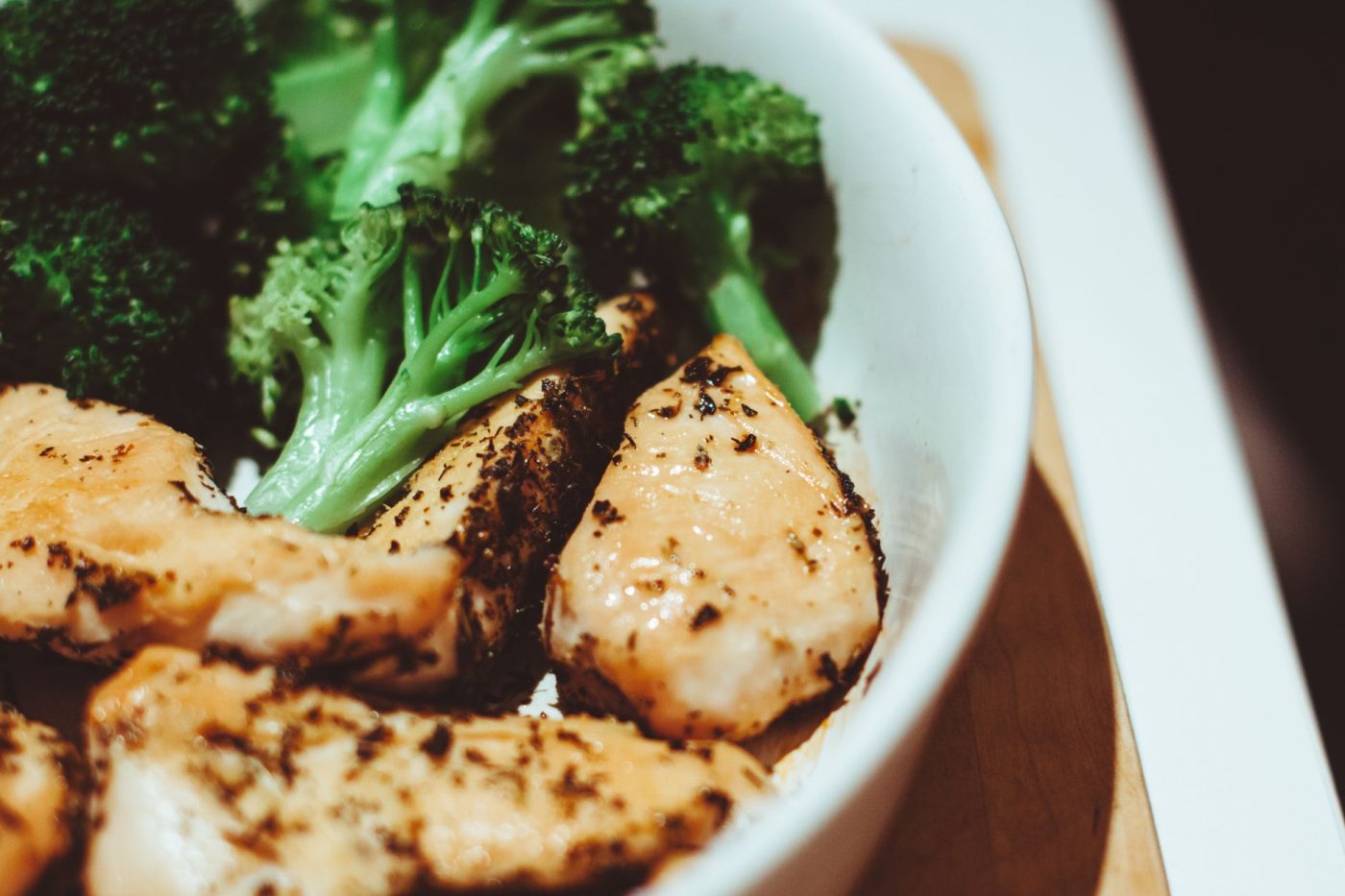
Protein is one of the three main macronutrients and the one people ask about most. It builds and repairs tissue, supports muscle and helps you feel full. This evidence-based guide covers how much you actually need, where to get it, and how to cut through the marketing around powders and shakes.
What is protein
Protein is made up of amino acids, often called the building blocks of the body. Your body uses them to build and repair muscle, make enzymes and hormones, support your immune system and much more. Of the twenty amino acids involved, nine are described as essential, meaning you have to get them from food because your body cannot make them.
Protein is found in both animal and plant foods, and it also provides energy at roughly four calories per gram. Unlike fat, the body has no large store of protein, which is why a regular intake spread through the day matters. Protein is one piece of the wider picture covered in our guide to nutrition.
It helps to think of protein as both a structural material and a functional one. On the structural side it forms muscle, skin, hair and connective tissue. On the functional side, amino acids are used to build antibodies, transport molecules and the enzymes that drive countless reactions. This is why chronically low protein intake shows up in so many ways, from poor recovery and muscle loss to slower wound healing. For most people eating a varied diet, though, outright deficiency is uncommon.
How much protein you need
General guidance sets a baseline of around 0.75g to 0.8g of protein per kilogram of body weight a day for most adults, which prevents deficiency but is a floor rather than an optimum. Many dietitians suggest that people who are active, older, or aiming to preserve muscle while losing weight benefit from more, often in the region of 1.2g to 2.0g per kilogram depending on circumstances.
| Situation | Rough range (per kg body weight) |
|---|---|
| General health, lightly active | 0.8 to 1.0g |
| Regular exercise or strength training | 1.2 to 1.6g |
| Building muscle or fat loss with muscle retention | 1.6 to 2.0g |
| Older adults preserving muscle | 1.0 to 1.2g |
These are general ranges, not personalised targets. Needs vary with health status, activity and age, so treat them as a starting point to discuss with a professional.
Complete vs incomplete protein
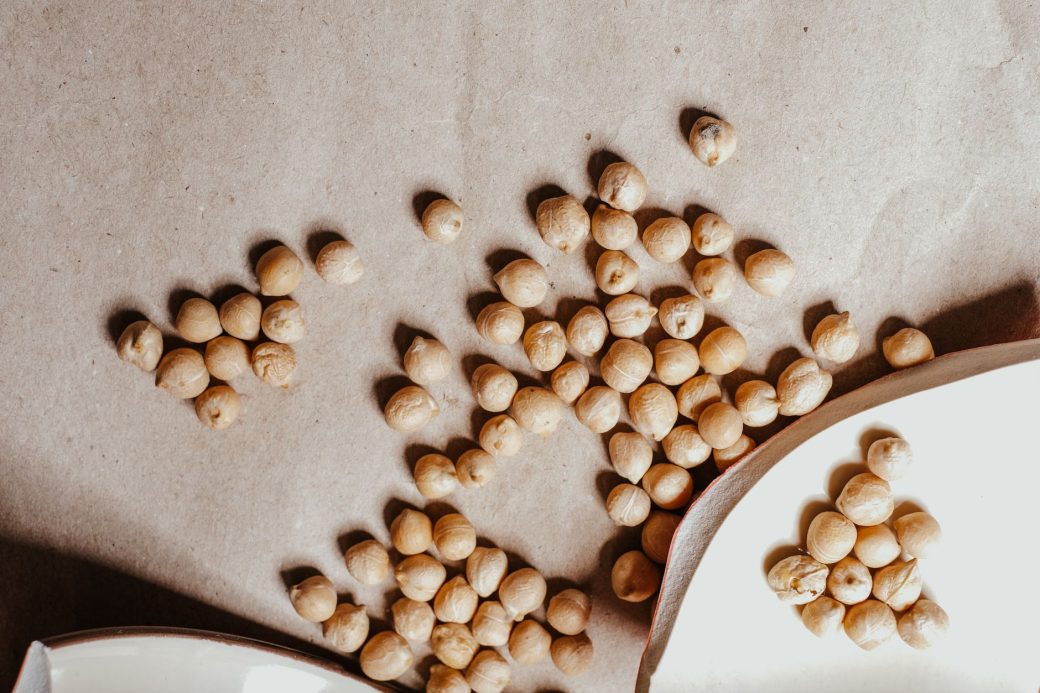
Animal proteins such as meat, fish, eggs and dairy contain all nine essential amino acids in useful amounts, so they are called complete. Most single plant foods are lower in one or more, so they are sometimes called incomplete.
- Complete sources: eggs, dairy, fish, poultry, meat, plus soya, quinoa and buckwheat among plants.
- Combining plants: eating a variety across the day, such as beans with rice or hummus with wholegrain bread, easily covers all essential amino acids.
The idea that plant eaters must combine proteins at every single meal is outdated. A varied diet across the day does the job, which is why well-planned vegetarian and vegan diets can comfortably meet protein needs.
Protein quality is about more than amino acids, though. It also depends on how well your body can digest and absorb a given source, which is generally high for animal foods and a little lower for some plants. In practice this rarely matters for people eating enough total protein from a varied diet. Plant eaters can simply aim for slightly more overall and lean on higher-quality options such as soya, tofu, tempeh, lentils and quinoa to cover their bases comfortably.
Best protein sources
Whole foods should provide most of your protein. They bring other nutrients along with the amino acids, which powders do not.
- Animal: chicken breast around 30g per 100g, eggs about 6g each, Greek yoghurt roughly 10g per 100g.
- Fish and seafood: salmon and tuna deliver strong protein plus omega-3 fats.
- Plant: lentils and chickpeas around 8g per half cup cooked, tofu about 8g per 100g, nuts and seeds in smaller amounts.
A practical way to picture a portion is to aim for a palm-sized serving of a protein-rich food at main meals, then add smaller sources such as yoghurt, eggs, nuts or seeds around them. Building meals around a protein source first, then filling the plate with vegetables and a wholegrain, is one of the simplest ways to eat enough without tracking every gram. For a fuller breakdown with portions, see our lists of high protein foods and everyday protein foods.
Protein and weight management
Protein is the most filling macronutrient, so higher-protein meals tend to reduce appetite and help people stick to a calorie target. It also has a slightly higher thermic effect, meaning your body uses a little more energy to digest it. During weight loss, adequate protein helps preserve muscle so that more of the weight lost comes from fat.
None of this makes protein magic. Weight change still comes down to overall energy balance, which we cover in the high protein diet for weight loss guide. Protein simply makes a sensible plan easier to follow. The same principle applies to people trying to gain muscle: adequate protein supports the muscle-building process, but only when paired with resistance training and enough total energy. Protein is a supporting actor in body-composition change, not the whole story.
Tip: Aim to include a protein source at every meal rather than loading it all into dinner. Spreading intake across the day supports fullness and muscle maintenance more effectively than one large serving.
Timing and distribution
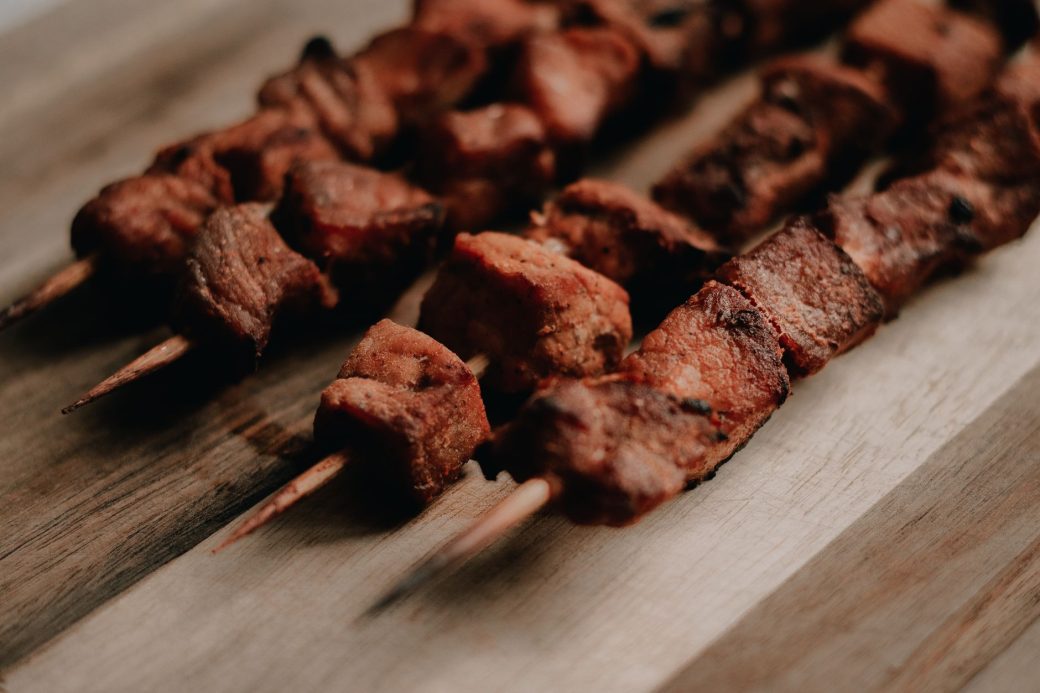
The so-called anabolic window, the idea that you must eat protein within minutes of training, has been overstated. What matters far more is your total daily intake and eating protein reasonably evenly across meals. A common practical approach is roughly 20g to 40g per meal, adjusted to your size and goals.
If you train, having some protein within a few hours either side of a workout is sensible, but there is no need to rush a shake the moment you finish. Consistency over the day and week beats precise timing. Older adults are a useful exception to keep in mind: because the body becomes less efficient at using protein with age, spreading intake evenly and hitting a decent amount at each meal helps protect muscle over time. For meal ideas, browse our high protein meals guide.
Supplements and powders
Protein powder is convenient, not essential. It is simply a concentrated food source that can help you hit a target when whole foods are inconvenient. Whey is popular and well absorbed, while soya, pea and other blends work well for plant-based eaters.
If you choose a powder, look for products that carry independent third-party testing such as NSF Certified for Sport or Informed Sport, which verify what is on the label. A basic protein powder and a simple shaker bottle cover most needs, and prices range from budget tubs to premium isolates. Our reviews of the best protein powder and protein shakes go deeper.
Some links are affiliate links and we may earn a small commission at no extra cost to you. We only suggest product types we would genuinely consider.
Common protein myths
A few persistent claims are worth correcting.
- More is always better: beyond your needs, extra protein is simply used for energy, not extra muscle.
- Protein harms healthy kidneys: in people with healthy kidneys, higher protein intakes have not been shown to cause harm, though those with kidney disease need medical guidance.
- You need supplements to build muscle: whole foods can supply plenty; powders are just convenient.
Authorities including the Harvard Nutrition Source and the Academy of Nutrition and Dietetics stress quality and variety of protein sources over sheer quantity. For supplement specifics, the NIH Office of Dietary Supplements is a reliable reference.
Note: This article is general information, not medical or personalised dietary advice. For guidance tailored to you, speak with a registered dietitian or your doctor.
Sources and further reading:
- Harvard Nutrition Source for protein quality and sources.
- Academy of Nutrition and Dietetics for protein needs across the lifespan.
- NIH Office of Dietary Supplements for evidence on protein supplements.
Have a question or a topic to suggest?
We read every message. Tell us what you would like to see next on the blog.
Get in touchYou may also like
High Protein Foods: Dietitian-Approved List With Portions
Beyond chicken and eggs, protein hides across every food group. This dietitian-approved list gives the best high-protein foods with realistic portions and approximate grams.
Best Protein Powder: What the Evidence Actually Says
There is no single best protein powder for everyone. Compare whey, casein, and plant types, learn what the evidence supports, how much you need, and which marketing claims to ignore.
High Protein Meals: The Complete Evidence-Based Guide
High protein meals steady appetite and support muscle. Here is what counts as high protein, how much per meal, the best sources and easy ideas across the day.