Weight Loss & Management · Weight Loss & Management
High Protein Meals to Lose Weight: The Complete Evidence-Based Guide
Why protein helps you lose fat, how much you really need, and how to build filling high protein meals, with simple ideas and where powders fit in.
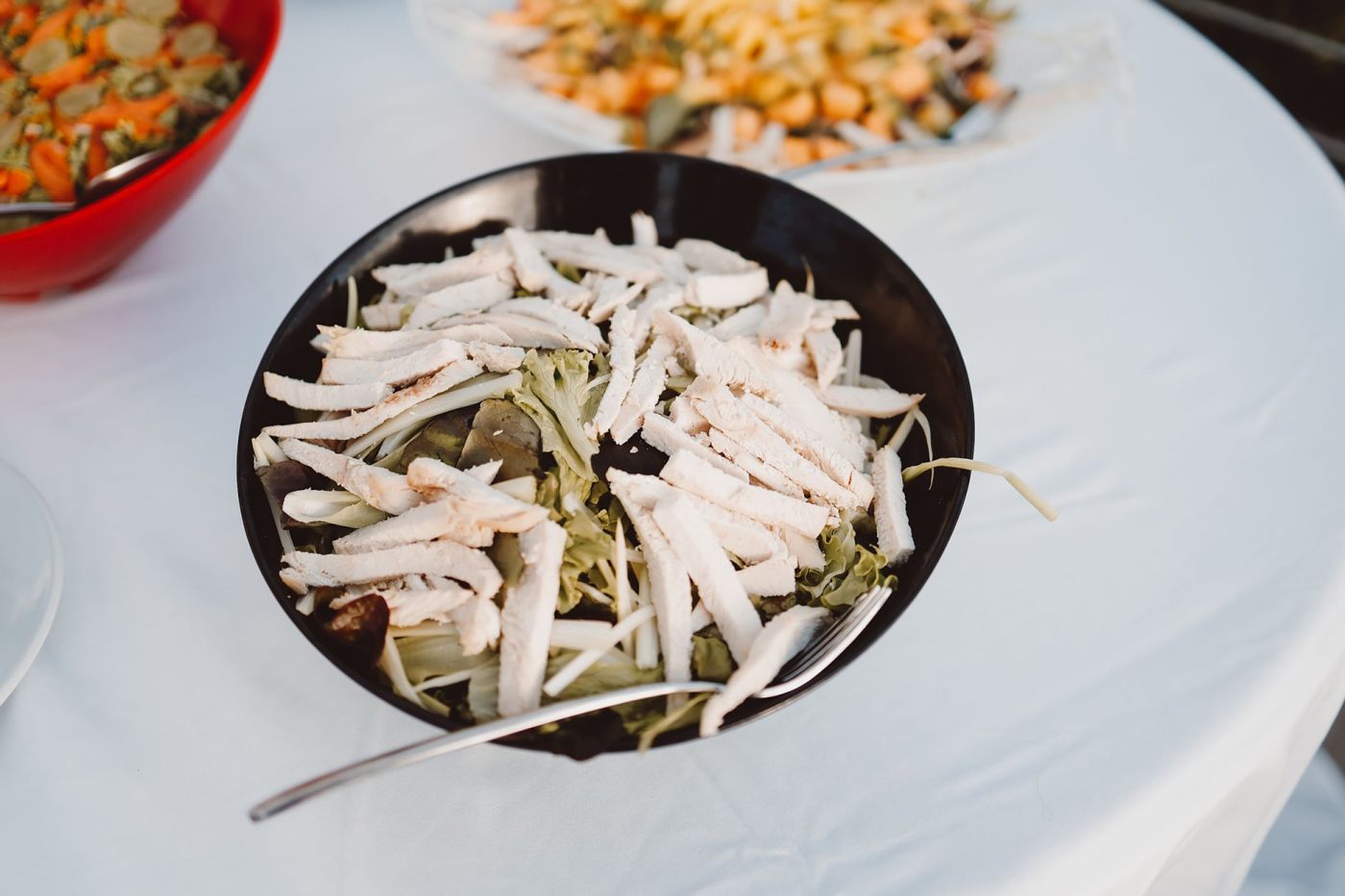
High protein meals are one of the most useful tools for losing weight, not because protein is magic, but because it keeps you full, protects your muscle and gently raises the energy you burn digesting food. Build your meals around a solid protein source and a deficit becomes far easier to sustain. This guide shows how much protein you need, why it works, and how to put filling high protein meals together.
Why protein helps with weight loss
Protein earns its reputation through three effects that all point in the same direction. First, it is the most satisfying macronutrient gram for gram, so protein rich meals blunt hunger and reduce later snacking. Second, it costs your body more energy to digest than carbohydrate or fat, a small but real bonus called the thermic effect. Third, and most importantly, adequate protein helps you hold on to muscle while you lose fat, which keeps your metabolism steadier and your body firmer.
None of this means protein causes weight loss on its own. You still need an overall calorie deficit. What protein does is make that deficit feel less like deprivation, which is exactly why so many people find higher protein eating easier to stick with. For the fundamentals, see our complete protein guide.
How much protein you actually need
General health guidelines suggest around 0.8 grams of protein per kilogram of body weight a day, but that is a minimum to prevent deficiency, not an optimum for someone dieting. When you are in a calorie deficit and want to protect muscle, the evidence supports a higher intake, commonly in the range of roughly 1.2 to 2.0 grams per kilogram of body weight, with active people and older adults toward the top end.
- Spread it out: Aim for a good protein source at each meal rather than one large hit at dinner.
- Roughly 20 to 40 grams per meal suits most people and supports muscle maintenance.
- Prioritise whole foods: Eggs, fish, poultry, dairy, tofu, beans and lentils should do most of the work.
The Harvard Nutrition Source notes that protein quality and the company it keeps matter too, so choosing lean and minimally processed sources brings benefits beyond the protein number itself.
| Food | Typical portion | Approx protein | Note |
|---|---|---|---|
| Chicken breast | 120 g cooked | Around 35 g | Lean, very filling |
| Greek yoghurt, plain | 150 g | Around 15 g | Great high protein snack |
| Eggs | 2 large | Around 12 g | Cheap and versatile |
| Tinned tuna | 1 small tin | Around 25 g | Low calorie protein hit |
| Lentils, cooked | 150 g | Around 13 g | Adds fibre too |
| Tofu, firm | 150 g | Around 18 g | Plant based option |
These are approximate figures for guidance. For fuller lists and portions, see our high protein foods list.
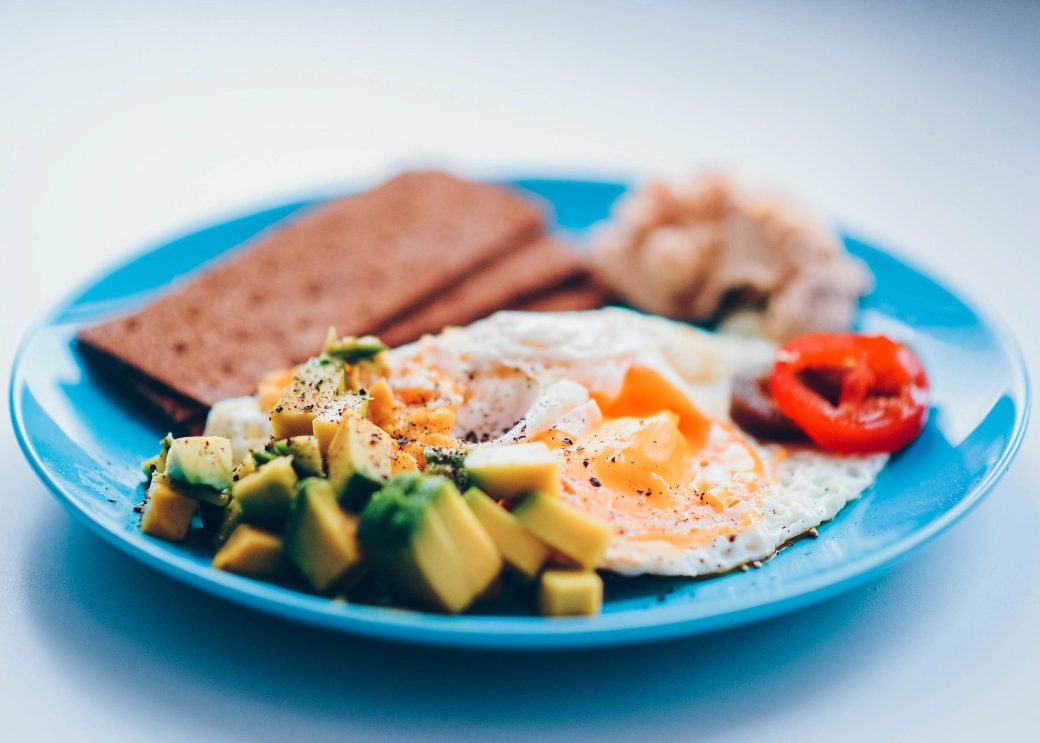
Building a high protein meal that fills you up
A satisfying weight loss meal is not just about protein. The winning combination is protein for fullness, fibre for bulk and staying power, and plenty of vegetables for volume, all with modest amounts of energy dense fats. Get those three working together and hunger stops being the enemy.
- Pick your protein: Chicken, fish, eggs, tofu, beans or lean mince as the centre of the plate.
- Add fibre rich carbs: Wholegrains, potatoes with skin, or legumes to keep energy steady.
- Pile on vegetables: Half the plate, raw or cooked, for volume and micronutrients.
- Finish with a little fat: A drizzle of olive oil or a few nuts for flavour and satisfaction.
Tip: Prep protein in batches. Grilling a tray of chicken, boiling a half dozen eggs or cooking a pot of lentils at the weekend means a high protein meal is always minutes away, which is when good intentions usually survive or collapse.
Simple high protein meal ideas
You do not need complicated recipes. A handful of reliable templates you can rotate keeps things easy and repeatable, which is what consistency depends on.
- Breakfast: Greek yoghurt with berries and oats, or eggs on wholegrain toast with spinach.
- Lunch: A big salad with tuna or chickpeas, or a chicken and bean wrap with plenty of veg.
- Dinner: Grilled fish or tofu with roasted vegetables and a small portion of rice or potatoes.
- Snacks: Cottage cheese, edamame, a boiled egg, or a small handful of nuts with fruit.
For lighter options between meals, our low calorie snacks list pairs well with a higher protein day.
The reason these templates work is that they are boring in the best sense. Weight loss is not won by the perfect recipe you cook once, it is won by the good enough meal you can put together on a tired Wednesday evening without thinking. Having four or five default breakfasts, lunches and dinners you genuinely enjoy removes decision fatigue and stops you reaching for whatever is quickest and least filling. You can still vary the vegetables, the seasoning and the sides to keep things interesting, while the protein anchor stays constant. Cooking once and eating twice, by making a little extra at dinner for the next day's lunch, is one of the simplest ways to keep a high protein day on track when time is short.
Where protein powders fit in
Whole foods should form the backbone of your intake, but a protein supplement can be a convenient way to close a gap, especially on busy days or after training. It is food in powder form, not a weight loss product in itself. A shake made with a quality whey protein powder or a plant based protein powder can add 20 to 25 grams of protein for relatively few calories.
Some links are affiliate links and we may earn a small commission at no extra cost to you. We only suggest product types we would genuinely consider.
When choosing one, look for a short ingredient list, a moderate price tier rather than the priciest tub, and a third party quality mark such as Informed Sport or NSF Certified for Sport, which indicate testing for contaminants rather than any weight loss guarantee. Our best protein powder guide goes into detail.
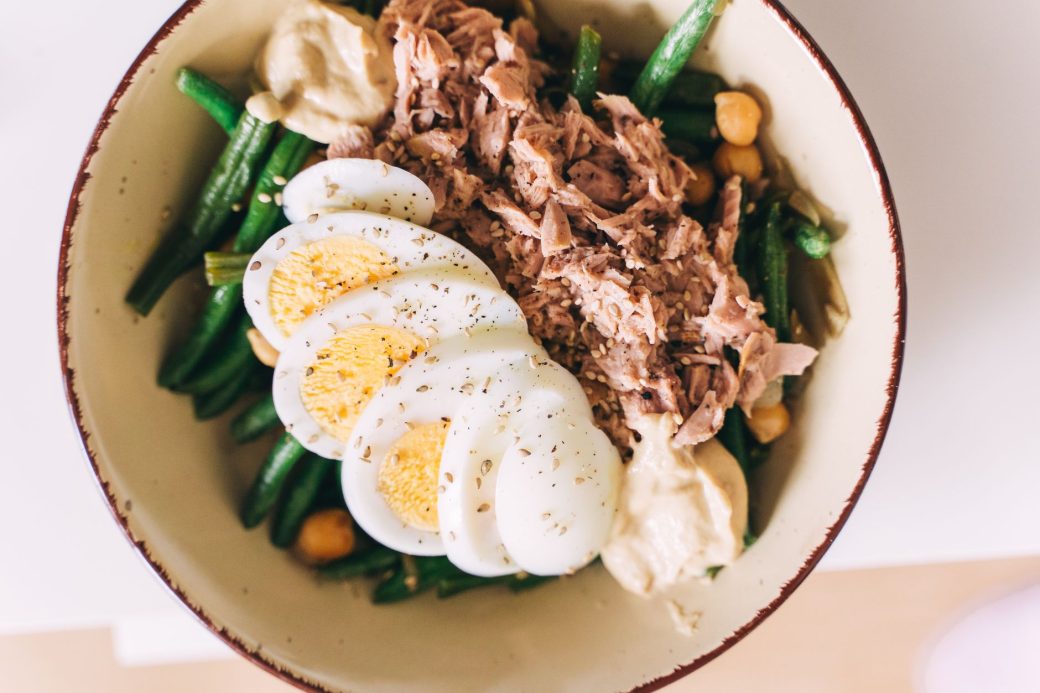
Mistakes to avoid
Higher protein eating is forgiving, but a few missteps can blunt its benefits or add calories you did not intend.
- Adding protein on top: Piling protein onto an already large meal adds calories rather than replacing them.
- Forgetting fibre: A meat heavy, low vegetable plate leaves you short on fibre and fullness.
- Relying on shakes: Liquid meals are less filling than solid food, so keep whole foods central.
- Choosing high fat cuts by default: Leaner cuts give more protein per calorie during a deficit.
A subtler mistake is treating protein as the only thing that matters and letting the rest of the meal slide. Protein is powerful for fullness, but a plate of nothing but chicken and a scoop of powder is dull, low in fibre and hard to sustain for long. The people who succeed with higher protein eating almost always pair it with generous vegetables and some wholegrain or legume based carbohydrate, which keeps meals colourful, keeps digestion comfortable and keeps you looking forward to eating. Weight loss that feels like punishment rarely lasts, so the aim is meals that happen to be high in protein and also genuinely enjoyable, not clinical protein delivery. Flavour, variety and a little planning do more for long term results than any single perfect macro split.
Who it suits and safety
A higher protein pattern suits most healthy adults trying to lose fat, and it is particularly helpful for active people and older adults working to preserve muscle. Very high intakes are usually unnecessary and offer little extra benefit for most people. Anyone with chronic kidney disease should not raise protein without medical advice, since their needs differ. If you are pregnant, managing a health condition or unsure of your targets, a registered dietitian can set safe numbers for you. See our dietitian guide for what to expect, and the British Dietetic Association for finding one.
Note: This article is general information, not medical or personalised dietary advice. For guidance tailored to you, speak with a registered dietitian or your doctor.
Sources
- Harvard T.H. Chan School of Public Health, The Nutrition Source, Protein, nutritionsource.hsph.harvard.edu
- NHS, Protein and a balanced diet, nhs.uk
- British Dietetic Association, bda.uk.com
Have a question or a topic to suggest?
We read every message. Tell us what you would like to see next on the blog.
Get in touchYou may also like
High Protein Foods: Dietitian-Approved List With Portions
Beyond chicken and eggs, protein hides across every food group. This dietitian-approved list gives the best high-protein foods with realistic portions and approximate grams.
Protein: The Complete Evidence-Based Guide
How much protein do you actually need, and where should it come from? This evidence-based guide covers protein sources, timing, weight management and cutting through powder marketing.
Weight Loss Diet: The Complete Evidence-Based Guide
A weight loss diet is any pattern that holds a modest energy deficit while keeping you nourished. Here is what the evidence shows and how to build a plan you can actually keep going.