Nutrition Basics · Diet & Nutrition (General)
Food Pyramid: Dietitian-Approved List With Portions
What each tier of the food pyramid means, sensible portions for every group, and how to build a balanced day of eating without counting grams.

The food pyramid is one of the simplest ways to picture a balanced day of eating: a wide base of foods you can enjoy freely, tapering up to foods best kept small and occasional. It is not a rigid rulebook, and modern versions have moved on from the 1990s original, but the core idea still holds. This dietitian-approved guide walks through each tier of the pyramid, gives realistic portions, and turns the shape into meals you can actually put on a plate.
What the food pyramid is
A food pyramid is a visual guide that ranks food groups by how much of your diet they should make up. The base holds the foods to eat most of, and each layer above holds progressively smaller amounts, with the tip reserved for foods to keep to a minimum. It was designed to make healthy eating memorable without asking anyone to count every gram.
Over the years the model has been refined. Many countries now use plate-based guides such as the UK Eatwell Guide, but the underlying message is the same: build meals mostly from plants and wholegrains, include quality protein and dairy or alternatives, and keep sugary, fatty and heavily processed foods small. If you want the wider theory behind these groups, our guide to nutrition and the deeper dive into essential nutrients put the pyramid in context.
The base: vegetables and fruit
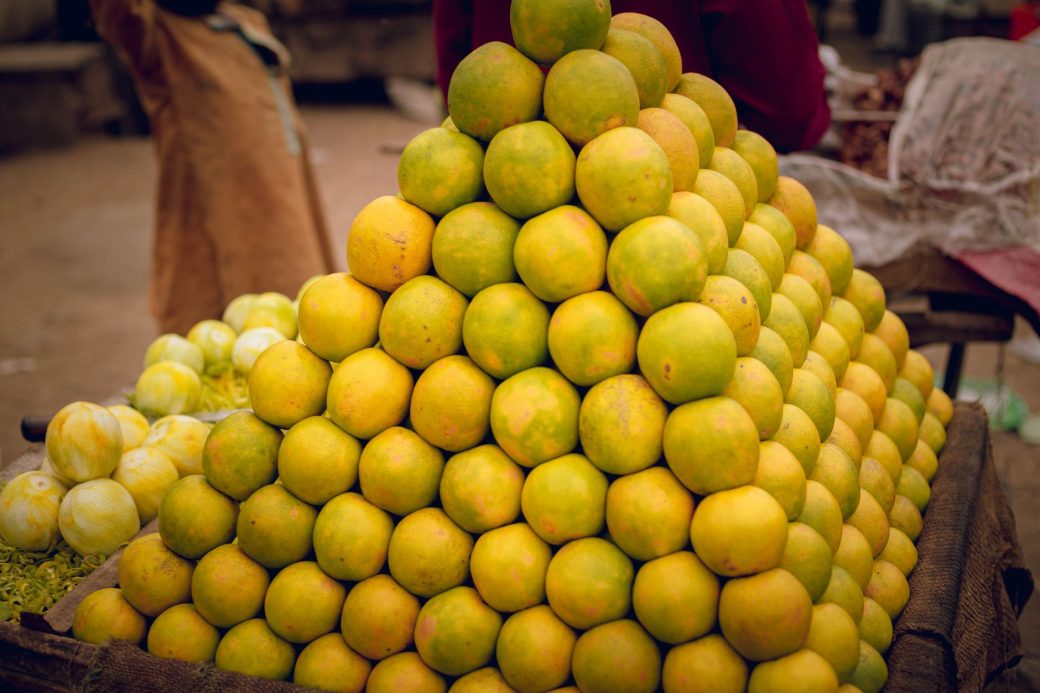
In most modern pyramids, vegetables and fruit sit at or near the base because they deliver fibre, vitamins, minerals and plant compounds for very few calories. Aiming for at least five portions a day is a sensible target, and more vegetables than fruit is a good rule of thumb.
- Vegetables: a portion is roughly 80g, about three heaped tablespoons of cooked veg or a handful of salad. Vary the colours across the week.
- Fruit: a portion is one medium apple or banana, two small fruits like plums, or a handful of berries. Whole fruit beats juice for fibre and fullness.
- Frozen and tinned count: these are often cheaper and just as nutritious, so they are a smart way to keep the base of your pyramid stocked.
Leaning on this tier is also the backbone of many anti inflammatory foods and heart healthy foods patterns.

Wholegrains and starchy carbs
Just above or alongside the base sit starchy carbohydrates, ideally wholegrain. These are your main energy source and, in wholegrain form, a valuable fibre contributor. The NHS suggests basing meals around starchy foods and choosing wholegrain or higher-fibre versions where you can.
- Oats: around 40g dry makes a filling porridge and adds slow-release energy to the morning.
- Wholegrain bread: one to two slices per portion, chosen for a short ingredient list and decent fibre.
- Brown rice, wholewheat pasta, quinoa: a cooked portion is roughly a loosely packed cupful, or the size of your closed fist.
If carbohydrates confuse you, our full breakdown of carbohydrates and the practical carb foods list explain quality versus quantity in plain terms.
Protein and dairy tiers
Higher up the pyramid, in moderate amounts, sit protein foods and dairy or fortified alternatives. These support muscle, bones, hormones and countless everyday functions, and they help meals feel satisfying.
- Lean protein: a portion of cooked chicken, fish, beans or tofu is roughly the size of your palm, around 100g to 150g.
- Beans and pulses: a cooked portion is about three heaped tablespoons, doubling as protein and fibre.
- Dairy or alternatives: a glass of milk, a small pot of yoghurt or a matchbox of cheese; choose fortified plant options if you avoid dairy.
For those focused on getting enough, our complete protein guide and the high protein foods list show how to hit sensible targets across the day.
Fats and foods to limit
The narrow tip of the pyramid holds oils, spreads and the foods best kept occasional: sugary drinks, sweets, crisps and heavily processed snacks. These are not banned, and treating them as forbidden often backfires. The point is proportion, not perfection.
- Healthy fats: a portion of nuts is a small handful, oil is about a tablespoon, and half an avocado counts too. These belong in a balanced diet, just in modest amounts.
- Sugary and fatty extras: the World Health Organization advises keeping free sugars low, ideally under 10 percent of daily energy, so keep these to the tip.
Understanding this tier is easier once you have read our honest take on junk food, which shows how to fit treats without derailing the rest.
| Tier | Food group | Everyday portion | Rough daily aim |
|---|---|---|---|
| Base | Vegetables and fruit | 80g per portion | 5 or more portions |
| Lower | Wholegrain starchy carbs | Fist-sized cooked | With most meals |
| Middle | Protein foods | Palm-sized, 100 to 150g | 2 to 3 portions |
| Middle | Dairy or alternatives | Glass, small pot or matchbox | 2 to 3 portions |
| Tip | Oils and healthy fats | 1 tbsp oil or small handful nuts | Small amounts |
| Tip | Sugary and processed extras | Small, occasional servings | Keep to a minimum |
Tip: You do not need a scale to eat by the pyramid. Use your hand as a portion guide: a fist of carbs, a palm of protein, a thumb of fats and two cupped hands of vegetables. It travels everywhere and needs no maths.
Building a day from the pyramid
The pyramid becomes useful when it turns into meals. A simple day might look like porridge with berries and seeds for breakfast, a large salad with beans and wholegrain bread at lunch, and grilled fish with brown rice and roasted vegetables for dinner, with fruit and yoghurt as snacks. Notice how vegetables and wholegrains carry the day while treats sit lightly on top.
The shape flexes to fit different patterns too. A vegetarian diet simply shifts the protein tier toward beans, tofu and eggs, while a Mediterranean diet leans the fats tier toward olive oil and fish. The Academy of Nutrition and Dietetics and the Harvard Nutrition Source both echo this flexible, food-first approach.
Note: This article is general information, not medical or personalised dietary advice. For guidance tailored to you, speak with a registered dietitian or your doctor.
Sources and further reading:
- NHS for the Eatwell Guide and portion advice.
- Harvard Nutrition Source for the Healthy Eating Plate model.
- World Health Organization for guidance on free sugars and balanced diets.
Have a question or a topic to suggest?
We read every message. Tell us what you would like to see next on the blog.
Get in touchYou may also like

Food Good for Heart: Dietitian-Approved List With Portions
Heart-friendly eating is a pattern, not one miracle food. A dietitian groups the best foods for your heart by type, with portions and practical swaps.
Good Foods: Dietitian-Approved List With Portions
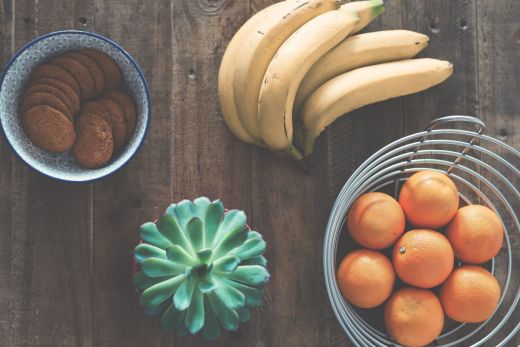
Good foods are whole, nutrient-dense staples you can eat most days. A dietitian groups the best by type, with portions and practical meal ideas.
Junk Food: Dietitian-Approved List With Portions
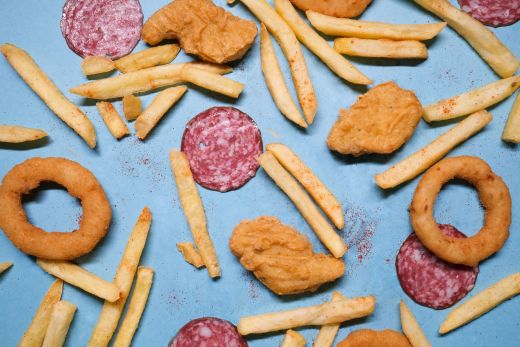
No food is poison and none is virtuous. A dietitian names the usual junk foods, gives realistic portions, and offers swaps that satisfy without the guilt.