Keto & Low Carb · Keto & Low Carb
Ketosis: The Complete Evidence-Based Guide
A clear, evidence-based look at nutritional ketosis: how it works, how to tell you are in it, the real benefits and trade-offs, and who should take care.
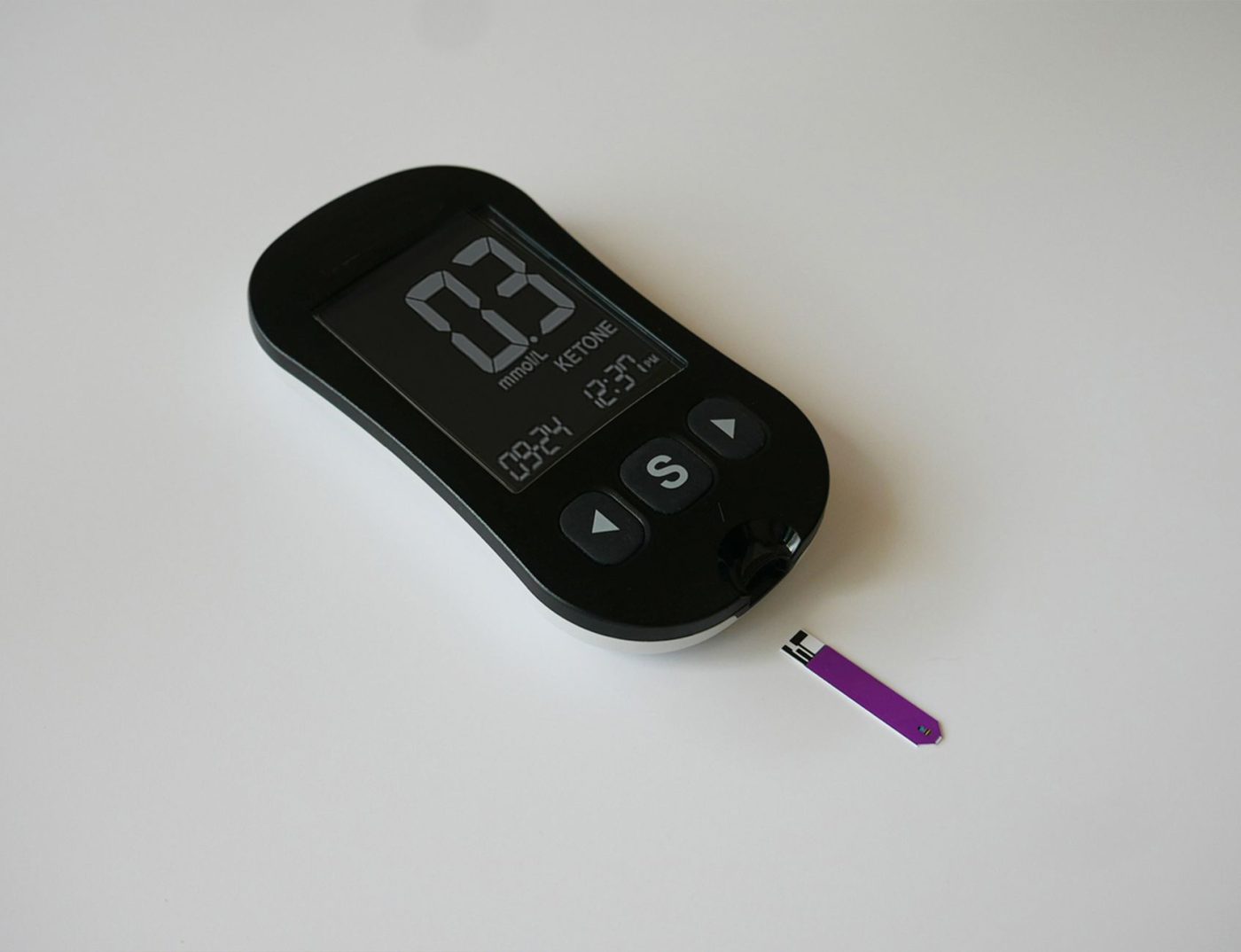
Ketosis is a normal metabolic state in which your body shifts from running mainly on carbohydrate to running largely on fat and the ketones made from it. It is the goal behind every ketogenic diet, but it is widely misunderstood. This evidence-based guide explains what ketosis actually is, how the body enters it, what the research shows, who it may suit and where the real trade-offs lie.
What is ketosis
Normally your body prefers glucose, which comes from carbohydrate, as its main fuel. When carbohydrate intake drops very low, or when you fast for an extended period, your glucose stores run down. In response, the liver begins converting fat into molecules called ketone bodies, chiefly beta-hydroxybutyrate and acetoacetate, which many tissues including the brain can use for energy. That state of raised ketones is what we call nutritional ketosis.
Ketosis is a natural process, not an unnatural hack. It happens during prolonged fasting, in the early morning before breakfast for many people, and during sustained low-carbohydrate eating. It sits at the heart of the wider approach covered in our keto guide and its companion piece on the keto diet.
It helps to distinguish ketosis, the state, from a ketogenic diet, the eating pattern used to reach it. You can enter mild ketosis simply by fasting overnight or skipping a meal, without following any particular diet at all. What a ketogenic diet does is deliberately keep you in that state for longer by restricting the carbohydrate that would otherwise pull you out of it. Understanding that difference stops a lot of confusion, because ketosis itself is not the goal for most people, it is a means to an end such as appetite control or weight loss.
How the body enters ketosis
To move into nutritional ketosis, most people need to reduce carbohydrate intake substantially, often to around twenty to fifty grams a day, though the exact threshold varies from person to person. As glucose from food falls, blood insulin drops, stored glycogen is used up over roughly a day or two, and the liver ramps up ketone production. This transition usually takes two to four days of consistent low-carbohydrate eating, and sometimes longer.
Several factors influence how quickly it happens:
- Carbohydrate level: the lower your intake, the faster glycogen depletes and ketones rise.
- Activity: exercise burns through glycogen, which can speed the shift.
- Individual metabolism: body size, insulin sensitivity and habitual diet all affect the timeline.
Carbohydrate is the lever that matters most here, which is why understanding carbohydrates is central to getting into ketosis at all.
How to tell you are in ketosis
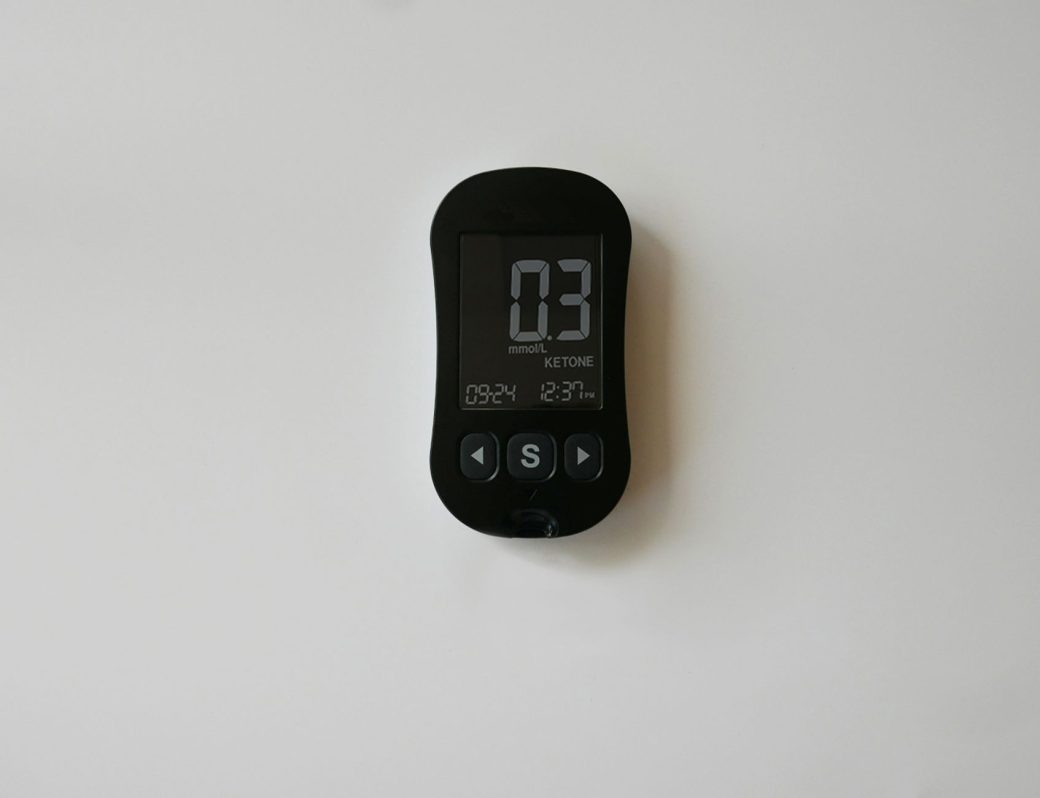
You cannot reliably feel ketosis with certainty, but there are ways to measure and signs to watch for. Testing methods differ in accuracy and cost.
| Method | What it measures | Notes |
|---|---|---|
| Urine strips | Acetoacetate in urine | Cheap, best in early weeks, less reliable once adapted |
| Blood ketone meter | Beta-hydroxybutyrate in blood | Most accurate, ongoing cost of test strips |
| Breath analyser | Acetone on the breath | Reusable, moderate accuracy |
| Symptoms | Subjective signs only | Suggestive, never conclusive |
Common early signs include a metallic or fruity taste in the mouth, reduced appetite, temporary tiredness and more frequent urination. A basic blood ketone meter gives the clearest reading if you want to track progress, though most people do not need to measure at all to follow the diet successfully.
Some links are affiliate links and we may earn a small commission at no extra cost to you. We only suggest product types we would genuinely consider.
What the evidence shows
Research on ketogenic diets and ketosis has grown considerably. The strongest and longest-standing evidence is in medicine: ketogenic diets are an established therapy for certain hard-to-treat epilepsy cases, used under specialist supervision. Beyond that, studies suggest some clear short-term patterns.
For weight loss, low-carbohydrate and ketogenic diets can be effective, largely because higher protein and fat intake and fewer food options tend to reduce appetite and total calories. Over the longer term, most research finds that ketogenic diets perform similarly to other calorie-matched approaches, so the deciding factor is usually how well a person can sustain the pattern. For blood sugar, cutting carbohydrate can lower post-meal glucose and may help some people with type 2 diabetes, which should always be managed alongside a clinician because medication may need adjusting.
It is important to be measured here. Ketosis is not a cure for any disease, and much of the long-term evidence is still developing. Reputable summaries from the British Dietetic Association and the Harvard Nutrition Source stress that quality of food choices and sustainability matter more than the label on the diet.
Benefits and drawbacks
Like any eating pattern, ketosis brings trade-offs that depend on your goals and health.
- Possible benefits: reduced appetite, useful short-term weight loss, steadier energy for some, and lower post-meal blood sugar.
- Possible drawbacks: an initial slump often called keto flu, constipation from low fibre, potential rise in some cholesterol markers, and social difficulty eating out.
The early tiredness, headaches and irritability known as keto flu usually pass within a week or two and often relate to fluid and electrolyte shifts. Staying hydrated and keeping salt, potassium and magnesium adequate helps. Because whole grains, many fruits and starchy vegetables are limited, fibre can fall, so low-carbohydrate high-fibre foods such as leafy greens, avocado, nuts and seeds become important. Anyone comparing approaches may also want to read our high protein diet for weight loss guide, which does not require ketosis.
Tip: If you feel flat in the first week, check your fluids and add a little more salt to food before assuming the diet is not for you. Mild dehydration and low sodium cause many of the early symptoms people blame on ketosis itself.

Who should be cautious
Ketosis is not appropriate for everyone. Some groups should avoid a ketogenic approach or only try it with medical supervision.
- People with type 1 diabetes or on certain diabetes medications: there is a risk of a dangerous condition called ketoacidosis, which is different from nutritional ketosis.
- Pregnant or breastfeeding people: nutrient needs are high and evidence for very low carbohydrate is limited.
- Those with a history of disordered eating: strict rules can be harmful.
- People with liver, kidney or pancreatic conditions: professional guidance is essential.
Nutritional ketosis and diabetic ketoacidosis are often confused but are not the same. Nutritional ketosis is a mild, controlled state, while ketoacidosis is a medical emergency involving very high ketones and blood acidity, mostly affecting people with type 1 diabetes. The NHS has clear information on the warning signs of ketoacidosis.
Making ketosis sustainable
If you decide a ketogenic pattern suits you, the aim is to make it liveable rather than extreme. Build meals around non-starchy vegetables, adequate protein and healthy fats from sources such as olive oil, nuts, seeds and oily fish, rather than relying on processed low-carb products. Planning helps enormously, and a structured keto menu plan or ketogenic eating plan takes the guesswork out of the first few weeks.
Some people combine low-carbohydrate eating with time-restricted eating, and you can read more in our intermittent fasting guide. Whatever you choose, the best diet is one you can follow consistently while getting the nutrients you need, which is exactly why personalised advice matters.
A few practical habits make the difference between a ketogenic approach that lasts and one that fizzles out within a fortnight:
- Mind your electrolytes: lower insulin makes the kidneys shed sodium and water, so a little extra salt and potassium- and magnesium-rich foods head off headaches and cramps.
- Prioritise fibre: non-starchy vegetables, avocado, chia and flax keep digestion moving when grains and fruit are limited.
- Watch the fat quality: favour olive oil, nuts, seeds and oily fish over large amounts of processed meats and saturated fat.
- Have an exit plan: decide in advance whether ketosis is a short experiment or a long-term pattern, and how you will reintroduce carbohydrate if you stop.
It is also worth being honest about what ketosis will and will not do. It can make a calorie deficit easier to hold by curbing appetite, but it does not override energy balance, and weight can return if old habits do. Many people get the benefits they were after, such as steadier energy and fewer cravings, from a moderate lower-carbohydrate diet without pushing all the way into ketosis. There is no prize for a higher ketone reading, and chasing one can tip a diet into being needlessly restrictive.
Note: This article is general information, not medical or personalised dietary advice. For guidance tailored to you, speak with a registered dietitian or your doctor.
Sources and further reading:
- NHS for information on ketones and ketoacidosis warning signs.
- Harvard Nutrition Source for a balanced overview of ketogenic diets.
- British Dietetic Association for dietitian-reviewed diet fact sheets.
Have a question or a topic to suggest?
We read every message. Tell us what you would like to see next on the blog.
Get in touchYou may also like

Keto: The Complete Evidence-Based Guide
Keto is more than a buzzword. A dietitian explains what ketosis really means, what science supports, the myths to ignore, and whether keto is worth your time.

Keto Diet: The Complete Evidence-Based Guide
The keto diet shifts your body onto fat for fuel through very low carbohydrate eating. Here is what the evidence actually supports, who benefits, and the real trade-offs to weigh before you try it.
Ketogenic Eating Plan: The Complete Evidence-Based Guide
What a ketogenic eating plan involves, what the research genuinely supports, the trade-offs and side effects, and who it does and does not suit.