Weight Loss & Management · Weight Loss & Management
High Protein Diet for Weight Loss: The Complete Evidence-Based Guide
Why protein helps weight loss, how much you actually need, the best foods to hit your target, and whether supplements are worth the money.
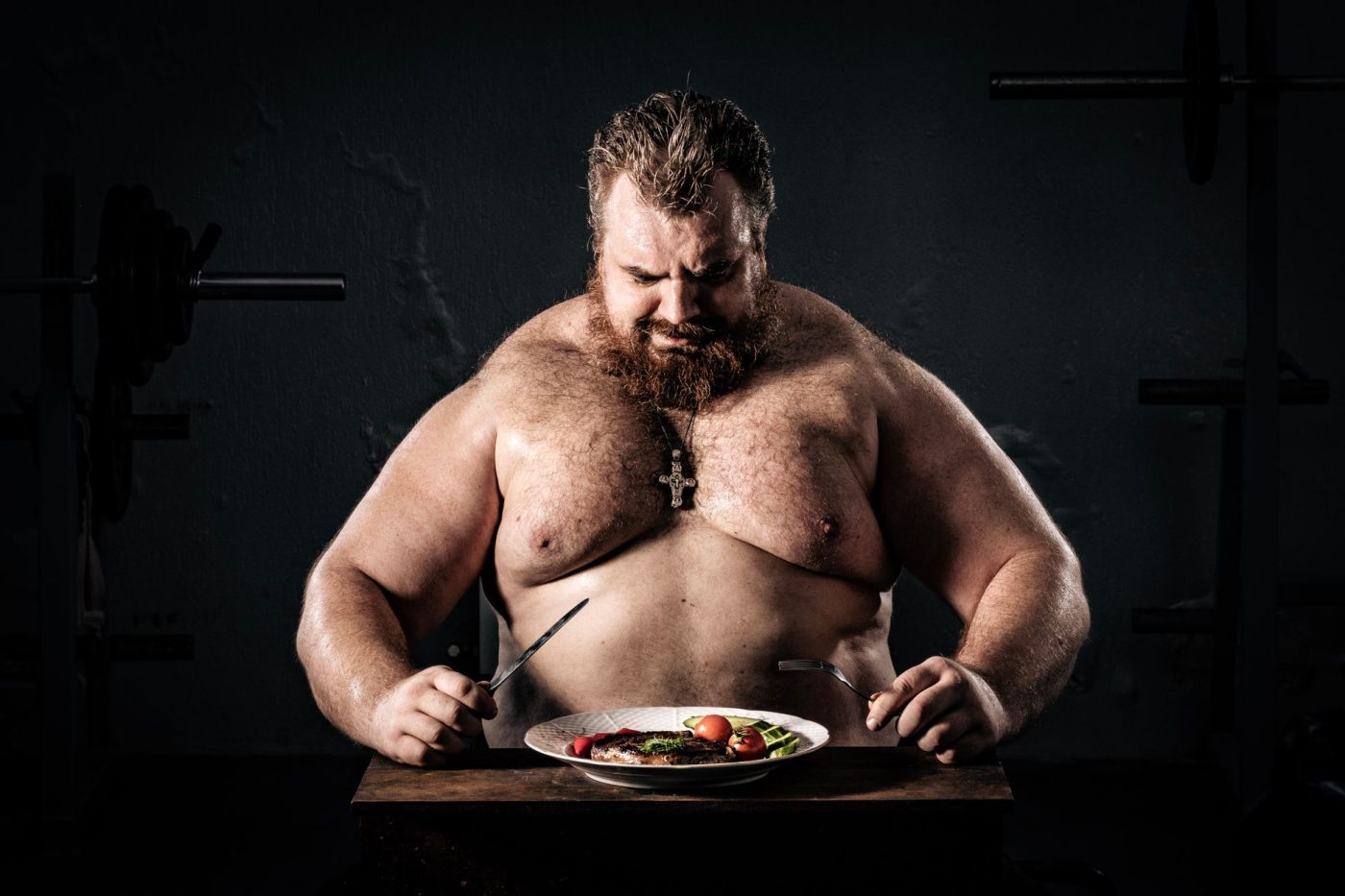
A high protein diet is one of the most useful and well-supported tools for losing fat while holding onto muscle. It is not a gimmick or a single branded plan, but a straightforward shift in how you build your meals. This guide explains why protein helps with weight loss, how much you actually need, which foods deliver it best, and how to structure a day without relying on shakes or expensive extras. The focus is on what the evidence supports and what is realistic to sustain.
Why protein helps weight loss
Protein earns its reputation for weight loss through three well-studied effects. It is the most filling of the three macronutrients, so protein-rich meals tend to keep hunger down for longer. It costs your body more energy to digest than fat or carbohydrate, a modest but real edge. And crucially, adequate protein helps protect lean muscle while you are in a calorie deficit, so more of the weight you lose comes from fat.
None of this overrides the basics. Weight loss still requires taking in fewer calories than you burn over time, a principle we cover fully in our calorie deficit guide. What a higher protein intake does is make that deficit easier to live with and kinder to your body composition. For the wider picture on the nutrient itself, our protein guide goes deeper.
The muscle-protection point deserves emphasis because it shapes how you look and feel at the end of a diet, not just the number on the scale. When you lose weight, some of the loss will always come from lean tissue as well as fat unless you actively defend it. Muscle is metabolically active, it supports strength and mobility, and it gives a leaner shape at any given weight. Adequate protein, paired with some resistance exercise, signals your body to hold on to that muscle and burn fat instead. This is why two people can lose the same amount of weight yet end up looking and performing very differently: the one who kept protein high and lifted weights tends to keep more muscle and a firmer shape.
What the research shows
Controlled trials consistently find that higher protein intakes support greater fat loss and better muscle retention during weight loss compared with lower protein diets at the same calories. Studies also report improved appetite control and, in some cases, better weight maintenance afterwards. Reviews from major nutrition bodies treat higher protein as a sensible, evidence-aligned strategy rather than a fad.
The honest caveats are worth stating. More protein is not endlessly better: benefits plateau once needs are met, and extremely high intakes offer no bonus for most people. Protein also works alongside training and total intake, not instead of them. The Harvard Nutrition Source and the Academy of Nutrition and Dietetics both frame protein as one important lever among several, not a standalone cure.
It is also worth clearing up a persistent myth. For healthy people with normal kidney function, higher protein intakes within the ranges discussed here have not been shown to harm the kidneys or bones, despite decades of headlines suggesting otherwise. The concern applies specifically to people who already have kidney disease, who should follow medical advice on protein. For everyone else, the practical limit tends to be appetite and variety rather than any hidden danger: it is simply hard, and unnecessary, to eat vast amounts of protein day after day. Aiming for a sensible target at each meal captures nearly all the benefit without pushing into extremes that add cost and crowd out other nourishing foods.
How much protein you need
General health guidelines set a baseline of roughly 0.8 grams of protein per kilogram of body weight, but that figure is a floor for avoiding deficiency, not an optimum for weight loss. When you are dieting and want to protect muscle, most evidence points to a noticeably higher target.
- A practical range: many people aim for around 1.2 to 2.0 grams per kilogram of body weight per day when losing weight.
- Spread it out: including protein at each meal supports appetite control and muscle maintenance better than one large serving.
- Anchor every meal: build plates around a protein source first, then add vegetables, wholegrains and fats.
- Adjust for you: older adults and very active people often sit at the higher end, while needs vary with health conditions.
To turn grams into real food, our list of high protein foods with portions shows what a serving actually looks like on the plate. As a rough mental model, a palm-sized portion of meat or fish delivers roughly 20 to 30 grams, a large egg around 6 grams, and a pot of Greek yoghurt somewhere between 10 and 20 grams depending on size. Once you know a handful of these anchors, hitting a daily target becomes a matter of arithmetic rather than guesswork, and you can stop weighing everything within a week or two.
Best high protein foods
You can hit a high protein target from ordinary, affordable foods. Variety matters, both for nutrition and for staying interested in your meals.
- Lean meat and poultry: chicken breast, turkey and lean cuts of beef or pork deliver a lot of protein per calorie.
- Fish and seafood: white fish is very lean, while oily fish like salmon adds beneficial fats.
- Eggs and dairy: eggs, Greek yoghurt, skyr and cottage cheese are filling, flexible and budget-friendly.
- Plant proteins: lentils, beans, chickpeas, tofu, tempeh and edamame suit vegetarian and vegan eating.
For meals built entirely around these foods, see our high protein meals to lose weight guide and ideas for a high protein breakfast to start the day strong.
Tip: Front-load protein at breakfast. Many people under-eat protein in the morning and overeat carbohydrate, then feel hungry by mid-morning. A 25 to 40 gram protein breakfast steadies appetite for hours and makes the rest of the day easier to manage.
A sample high protein day
This example shows how to reach a solid protein intake across a normal day of eating. Portions and totals depend on your size and goals, so read the figures as an illustration rather than a fixed plan.
| Meal | Example | Approx. protein |
|---|---|---|
| Breakfast | Greek yoghurt, oats and berries | Around 25g |
| Lunch | Chicken and bean salad with wholegrain bread | Around 40g |
| Snack | Cottage cheese with fruit | Around 20g |
| Dinner | Baked salmon, potatoes and vegetables | Around 35g |
| Optional | Protein shake if a target is missed | Around 25g |
Do you need protein supplements
Whole foods should do most of the work, but a supplement can be a convenient way to close a gap on busy or travel days. It is a tool for hitting a target, not a requirement for results.
If you choose one, a plain whey protein powder or, for plant-based eaters, a vegan protein powder both work well; budget tubs and premium blends deliver similar protein per scoop, so cheaper tiers are usually fine. Ready-made protein bars are handy for snacks on the go.
Some links are affiliate links and we may earn a small commission at no extra cost to you. We only suggest product types we would genuinely consider.
For a deeper comparison of options, our guide to the best protein powder looks at what the evidence actually supports.
Who it suits and cautions
A higher protein approach suits most people who want to lose fat while staying strong, and it pairs naturally with resistance training. It also fits well within broader patterns, from a Mediterranean diet to plant-based eating, since protein sources are flexible.
There are sensible cautions. People with kidney disease should not raise protein without medical advice, and anyone with a complex health condition should tailor intake with a professional. It is also worth remembering that protein is only one part of a good diet: leaning so hard on it that you crowd out vegetables, fruit and wholegrains would trade one imbalance for another, so treat a higher protein target as an addition to a varied plate rather than a replacement for it. As always, protein sits inside total intake, so it complements rather than replaces a well-planned weight loss diet. The NHS offers general guidance on protein as part of a balanced diet.
Note: This article is general information, not medical or personalised dietary advice. For guidance tailored to you, speak with a registered dietitian or your doctor.
Sources and further reading:
- Harvard Nutrition Source for protein and weight management research.
- Academy of Nutrition and Dietetics for protein needs and dietary strategy.
- NHS for protein within a balanced diet.
Have a question or a topic to suggest?
We read every message. Tell us what you would like to see next on the blog.
Get in touchYou may also like
Calorie Deficit: The Complete Evidence-Based Guide
A calorie deficit sits underneath every method of fat loss. Learn what it really is, how to set a modest, sustainable one, what the evidence supports, and the traps that stall progress.
High Protein Foods: Dietitian-Approved List With Portions
Beyond chicken and eggs, protein hides across every food group. This dietitian-approved list gives the best high-protein foods with realistic portions and approximate grams.

High Protein Meals to Lose Weight: The Complete Evidence-Based Guide
High protein meals keep you full, protect muscle and make a deficit easier to sustain. Here is how much you need and how to build meals that actually satisfy.