Keto & Low Carb · Keto & Low Carb
Ketogenic Eating Plan: The Complete Evidence-Based Guide
How the ketogenic plan is structured, what the evidence actually supports, its trade-offs and side effects, and who it suits.
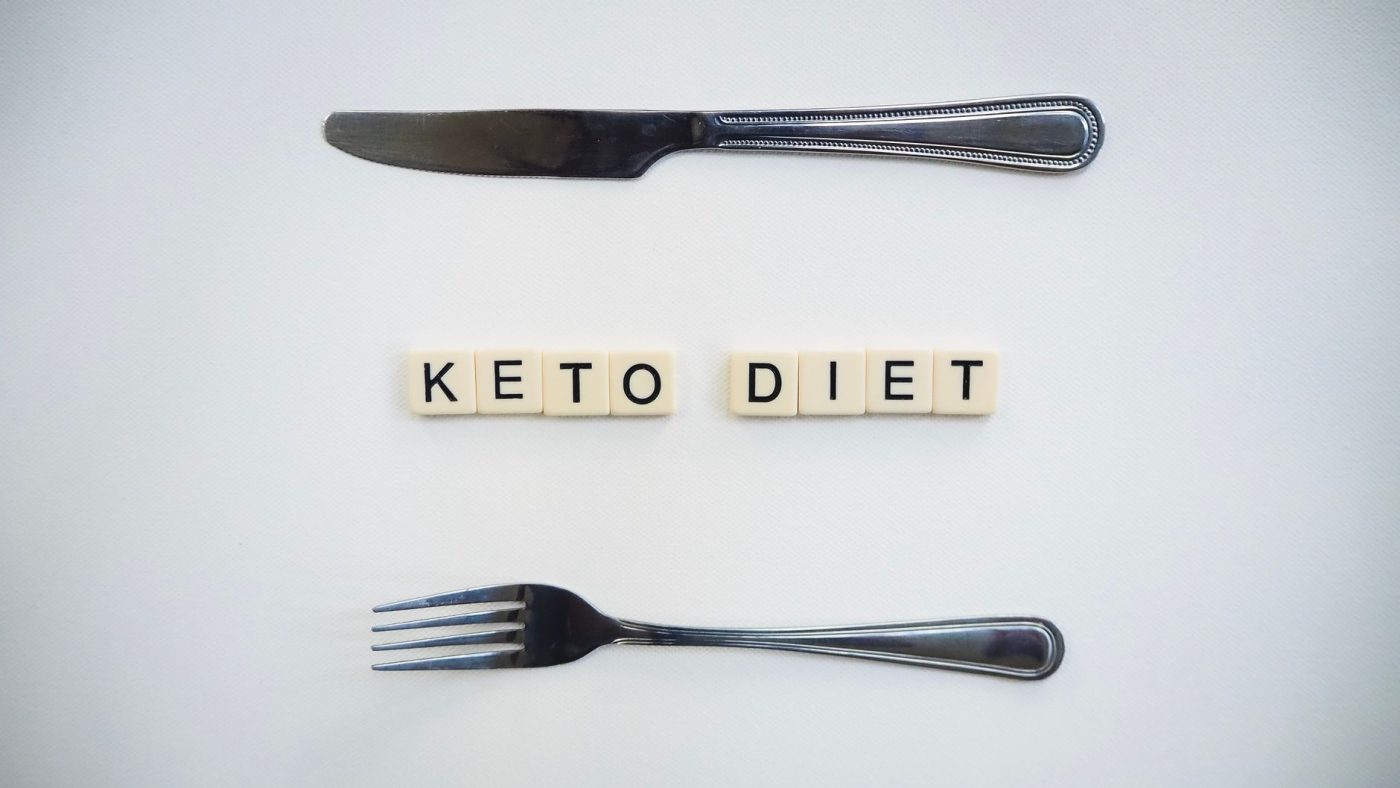
A ketogenic eating plan is a very low carbohydrate, higher fat way of eating designed to shift the body toward burning fat for fuel. It has a genuine evidence base for certain uses and a lot of hype around others. This complete guide explains what the plan involves, what the research actually supports, the trade-offs to weigh, and who it does and does not suit, so you can decide whether it is worth trying or worth skipping.
What a ketogenic eating plan is
The ketogenic plan restricts carbohydrate to a low daily level, keeps protein moderate, and derives most energy from fat. When carbohydrate is scarce, the liver produces ketones from fat, and the body increasingly uses these for fuel, a metabolic state called ketosis. Our dedicated guide to ketosis breaks down that process, but the practical version is that you swap starchy and sugary foods for vegetables, protein and fat.
Originally developed as a medical therapy for hard-to-treat epilepsy, the approach has since been adopted for weight loss and metabolic health. It is worth remembering that its clinical roots are quite specific, and using it as a general lifestyle diet is a more recent trend with a thinner evidence base. This is the hub of our keto content; for the shorter overview see keto.
How the plan is structured
Most versions follow a similar macronutrient balance, tilted heavily toward fat with carbohydrate kept very low. The exact numbers vary between sources, but the principle is consistent.
- Carbohydrate: kept very low, typically a small fraction of daily energy, mainly from non-starchy vegetables.
- Protein: moderate, enough to preserve muscle without being so high that it undercuts ketosis.
- Fat: the largest share of energy, from foods like olive oil, oily fish, nuts, avocado and dairy.
- Foods removed: bread, rice, pasta, most fruit, sugar and starchy vegetables.
If you want the day-to-day detail of which foods fit and in what quantity, our keto food plan lists them by category with portions, and the keto menu plan turns it into structured meals.

What the research shows
The evidence is genuinely mixed, and honesty matters here. For short-term weight loss, ketogenic diets can be effective, often partly because they reduce appetite and cut out many high-calorie processed foods. For certain medical uses, the strongest being drug-resistant epilepsy, the evidence is well established and the diet is used under clinical supervision.
Beyond that, the picture is less clear. Longer-term studies tend to show that ketogenic diets produce results similar to other calorie-controlled approaches once the initial phase passes, and adherence is often the deciding factor. Claims that keto is uniquely superior for fat loss, or that it dramatically boosts metabolism, are not well supported. For how it compares within a broader weight-management context, see our weight loss diet guide.
Benefits and trade-offs
Like any restrictive plan, keto comes with real advantages and real downsides. Weighing them honestly is more useful than picking a side.
- Appetite control: many people find the higher fat and protein keep them full, which can reduce overall intake.
- Blood sugar effects: cutting carbohydrate can steady blood glucose, of interest to some people managing it, ideally with medical support.
- Restrictive by nature: cutting whole food groups makes social eating and eating out harder and can feel isolating.
- Fibre and nutrient risk: removing fruit, wholegrains and legumes can lower fibre and certain nutrients unless carefully managed.
Tip: If you try keto, protect your fibre intake deliberately with low-carb vegetables, nuts and seeds. A drop in fibre is one of the most common and avoidable side effects.
Common side effects
Most side effects appear early and settle as the body adapts, but knowing about them prevents surprises.
| Effect | Why it happens | What tends to help |
|---|---|---|
| Fatigue and headaches | Early adaptation, fluid and salt shifts | Fluids, adequate salt, patience |
| Constipation | Lower fibre from removed foods | Low-carb vegetables, seeds, fluids |
| Bad breath | Ketone production | Usually settles with time |
| Muscle cramps | Mineral and fluid changes | Hydration, mineral-rich foods |
If constipation is the sticking point, our list of high fibre foods for constipation shows keto-compatible ways to add fibre back.

Who the plan suits
Keto suits some people well and others poorly, and it is not a diet everyone should attempt. It may appeal to those who prefer clear rules, feel better with steadier blood sugar, or have tried other approaches without success. It is used clinically for specific conditions under supervision.
It is generally not recommended for people who are pregnant or breastfeeding, those with certain kidney or liver conditions, people with a history of disordered eating, or anyone who simply enjoys a varied diet including fruit and wholegrains. For many, a less restrictive pattern such as the Mediterranean diet is easier to sustain and has broader long-term evidence. If your main goal is protein-forward eating rather than carb restriction specifically, our protein guide may be more relevant.
Getting started safely
If you decide keto is worth a try, ease in and prioritise food quality over simply hitting fat targets. Plan meals ahead, keep easy options on hand, and monitor how you feel over the first few weeks. Some people find a beginner-friendly keto cookbook helpful for meal ideas that keep the plan varied rather than repetitive.
Some links are affiliate links and we may earn a small commission at no extra cost to you. We only suggest product types we would genuinely consider.
Because the plan is restrictive and interacts with some medical conditions and medications, it is worth speaking to a professional before starting, especially if you manage diabetes or take blood pressure medication. The NHS advises caution with very low carbohydrate diets, and the British Dietetic Association notes they are not necessary for most people. The Harvard Nutrition Source offers a balanced review of the research.
Note: This article is general information, not medical or personalised dietary advice. For guidance tailored to you, speak with a registered dietitian or your doctor.
Sources and further reading:
- NHS for guidance on low carbohydrate diets and weight management.
- Harvard Nutrition Source for a research overview of ketogenic diets.
- British Dietetic Association for evidence-based diet fact sheets.
Have a question or a topic to suggest?
We read every message. Tell us what you would like to see next on the blog.
Get in touchYou may also like
Keto Food Plan: Dietitian-Approved List With Portions
A categorised, dietitian-approved list of keto foods with realistic portions, plus a sample day and the swaps that make the plan easier to sustain.
Ketosis: The Complete Evidence-Based Guide
Ketosis is a normal metabolic state where your body runs largely on fat and ketones. Here is what it actually is, how you enter it, what research supports, and who should be cautious.

Keto Menu Plan: Dietitian-Designed Plan With Shopping List
A dietitian-designed keto menu plan with a seven-day sample menu, macros, portions, and a printable shopping list you can adapt to your own tastes and needs.