Diet Guide · Popular Diets
Mediterranean Diet Meals: The Complete Evidence-Based Guide
Vegetables, olive oil, fish and wholegrains, arranged into meals you will actually cook. Here is the evidence and the everyday plate that goes with it.
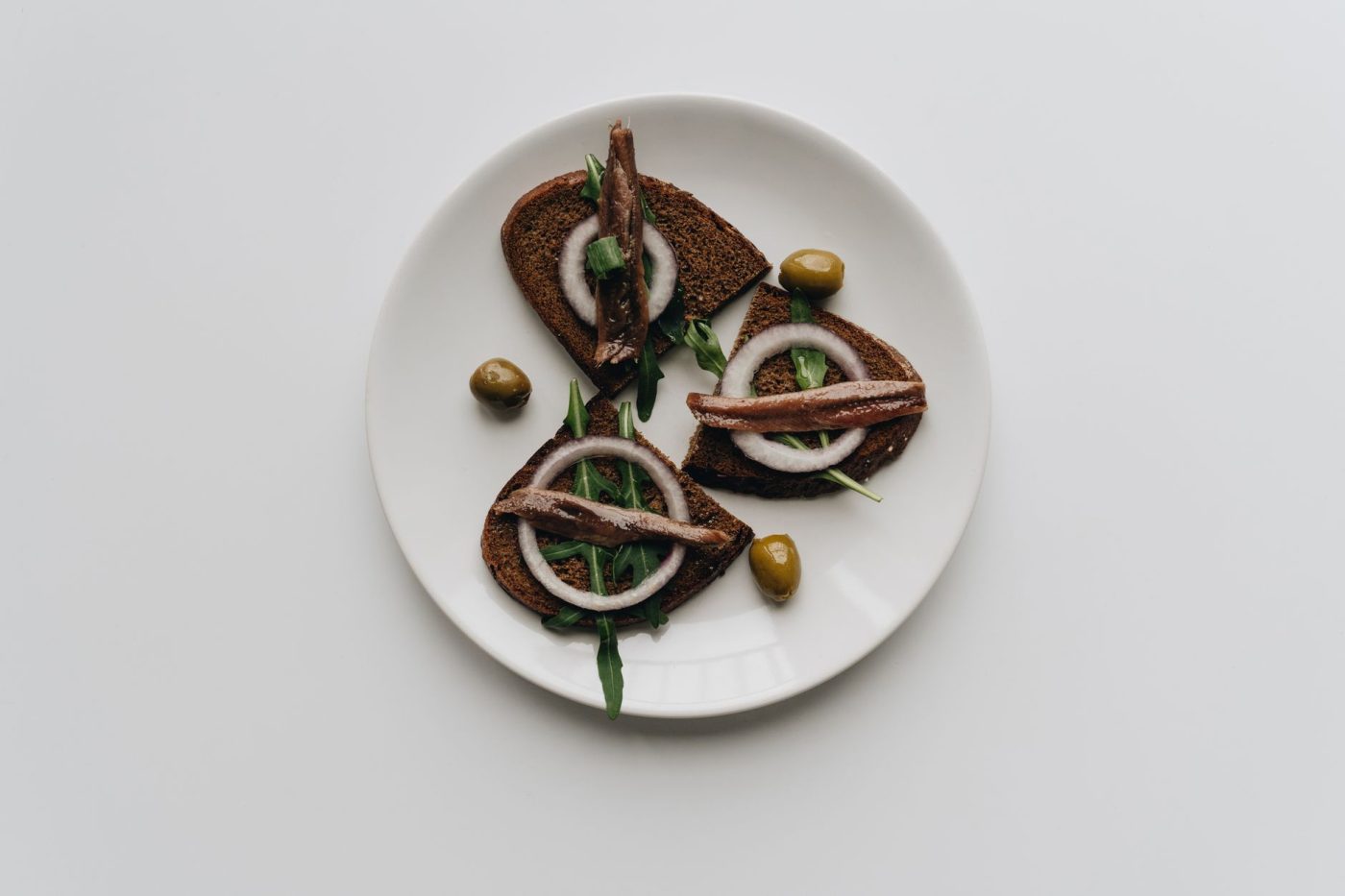
The Mediterranean diet is one of the most researched eating patterns in the world, and its reputation is earned rather than hyped. But most people search for meals, not theory: what does a Mediterranean plate actually look like at breakfast, lunch and dinner? This complete guide translates the evidence into real meals, explains why the pattern works, and shows how to build a week of eating you can genuinely sustain.
What the Mediterranean diet actually is
The Mediterranean diet is not a strict plan with rules and forbidden foods. It is a pattern of eating traditionally found in countries around the Mediterranean Sea, built on vegetables, fruit, wholegrains, legumes, nuts, olive oil and fish, with smaller amounts of poultry, eggs and dairy, and only occasional red meat and sweets. It is as much about how people eat, shared, unhurried and centred on whole foods, as what they eat.
What makes it powerful is that it is a template, not a prescription. You are not counting anything or eliminating whole food groups. Instead you shift the balance of your plate towards plants, healthy fats and fish. Our complete Mediterranean diet guide covers the principles in depth; this article focuses on turning them into meals.
- Daily foods: vegetables, fruit, wholegrains, olive oil, nuts, seeds, herbs.
- Weekly foods: fish and seafood, legumes, poultry, eggs, and moderate dairy.
- Occasional foods: red meat, processed meat and sugary treats.
Why the evidence supports it
The Mediterranean pattern has decades of research behind it, and the findings are consistent. It is associated with better heart health, healthier blood pressure and blood lipids, and a lower risk of type 2 diabetes. It has also been linked with healthier ageing and cognitive function. Crucially, these benefits come from the overall pattern, not any single hero ingredient.
The mechanisms make sense. The diet is naturally high in fibre, unsaturated fats and antioxidants, and low in refined carbohydrates and processed meat. It supports satiety and steady energy without demanding restriction, which is a big part of why people stick with it. The NHS and Harvard's Healthy Eating Plate both align closely with this pattern. It also overlaps heavily with the DASH diet, another evidence-backed approach to heart health.
Tip: You do not have to overhaul your diet overnight. Swapping butter for olive oil, adding one extra vegetable to each dinner, and eating fish twice a week already moves you a long way towards the pattern.
Building a Mediterranean plate
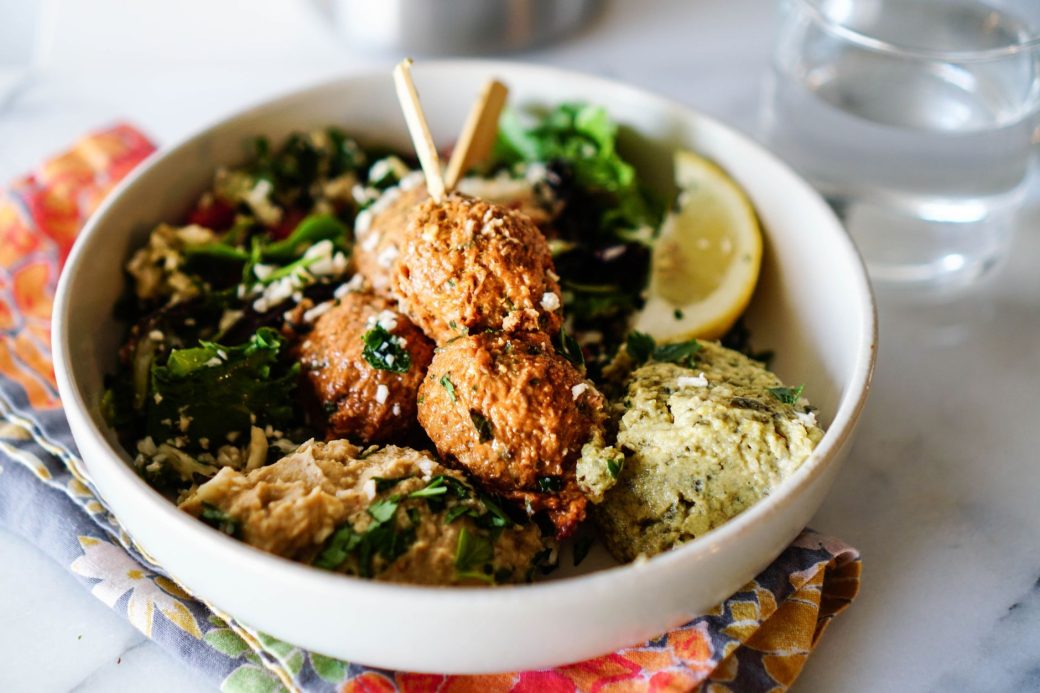
The simplest way to eat this way without measuring is to build every plate to a rough visual formula. Fill half with vegetables and fruit, a quarter with wholegrains or starchy plants, and a quarter with a protein source, then add a drizzle of olive oil and a handful of herbs. This applies whether you are cooking a quick lunch or a slow weekend dinner.
| Plate portion | Fill with | Example |
|---|---|---|
| Half the plate | Vegetables and fruit | Tomatoes, peppers, spinach, courgette |
| One quarter | Wholegrains or starchy plants | Wholemeal bread, bulgur, brown rice, potato |
| One quarter | Protein, fish and legumes first | Grilled fish, chickpeas, lentils, eggs |
| Healthy fat | Olive oil, nuts, seeds | A drizzle of extra virgin olive oil |
| Flavour | Herbs, garlic, lemon, spices | Basil, oregano, parsley, lemon juice |
This visual approach removes the need for calorie counting for most people. If you do want to manage portions for weight goals, our calorie deficit guide shows how to apply gentle control without abandoning the pattern.
Mediterranean breakfast meals
Mediterranean breakfasts are simple and savoury as often as sweet. The aim is fibre, healthy fat and some protein to steady your morning, rather than a sugar-heavy start.
- Greek yoghurt bowl: plain yoghurt with berries, a drizzle of honey, walnuts and a sprinkle of seeds.
- Tomato toast: wholegrain bread rubbed with tomato and olive oil, topped with a boiled egg.
- Vegetable omelette: eggs with spinach, tomato and feta, cooked in olive oil.
- Overnight oats: oats soaked in milk with figs, almonds and cinnamon.
For more morning options that fit this pattern, our high protein breakfast list has portion-by-portion ideas, many of which are naturally Mediterranean.
Lunch and dinner meals
The main meals are where the pattern really shines, and they are more flexible than people expect. Think of a base grain or legume, a generous pile of vegetables, a modest protein and a bold flavour finish.
- Grain salad: bulgur or quinoa with cucumber, tomato, olives, parsley, lemon and olive oil.
- Baked fish: white fish or salmon roasted with cherry tomatoes, peppers and herbs.
- Chickpea stew: chickpeas simmered with spinach, garlic and tomato, served with wholegrain bread.
- Lentil soup: red lentils with carrots, celery, cumin and a squeeze of lemon.
- Vegetable traybake: aubergine, courgette and onion roasted in olive oil over couscous.
Fish twice a week, legumes several times a week, and red meat kept occasional is the core rhythm. For more legume-forward and fibre-rich ideas, see our high fibre foods list and heart-healthy foods list.
A useful mental model is to make legumes and vegetables the star of most dinners and treat meat as a flavouring or a side rather than the centrepiece. A chickpea or lentil base costs little, keeps well and delivers protein and fibre together, which is a big part of why the pattern is so filling on relatively modest calories. When you do want meat, poultry and small amounts of lean red meat fit fine; it is the frequency and portion that shift, not an outright ban. This flexibility is exactly why the Mediterranean approach tends to survive real life better than stricter plans.
Tip: Cook once, eat twice. A big pot of lentil stew or a tray of roasted vegetables gives you lunches for the next two days with no extra effort, which is how the pattern becomes a habit.
Snacks, drinks and the olive oil question
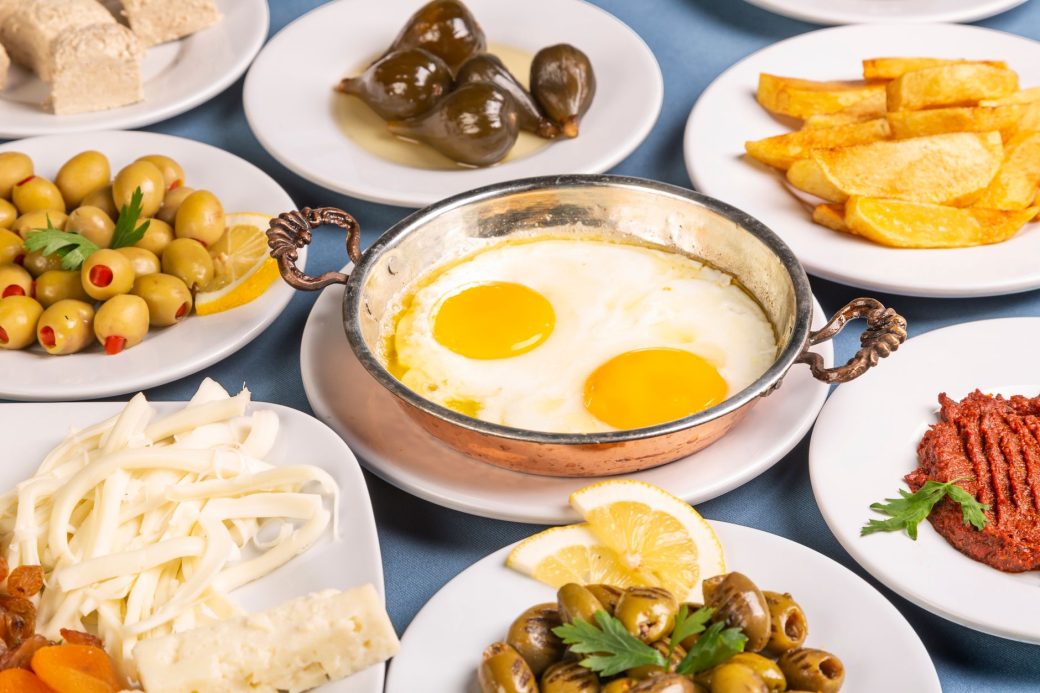
Snacks in this pattern are simple: fruit, a handful of nuts, olives, or vegetables with hummus. Water is the default drink, with coffee and tea in moderation. Extra virgin olive oil is the signature fat, used generously for cooking and dressing, and its unsaturated fats are a genuine part of why the diet supports heart health.
Some links are affiliate links and we may earn a small commission at no extra cost to you. We only suggest product types we would genuinely consider.
- Extra virgin olive oil: the core fat of the pattern; a good extra virgin olive oil is worth prioritising.
- Mixed nuts: a daily handful of unsalted mixed nuts for healthy fats and fibre.
- Tinned fish: sardines and tuna make quick meals; stock a few tins of sardines .
- Wholegrains: bulgur, farro and bulgur wheat form the base of many dishes.
You do not need expensive specialty products. Frozen vegetables, dried and tinned legumes, and supermarket olive oil all fit the pattern perfectly and keep costs down. In fact, a common misconception is that eating this way is costly. The staples, beans, lentils, seasonal vegetables, oats, tinned fish and eggs, are among the cheapest foods available, and using meat sparingly actually lowers a weekly shop rather than raising it.
Wine is often mentioned in descriptions of the traditional Mediterranean lifestyle, usually a small glass with a meal. It is important to be clear here: no health authority recommends taking up drinking for its supposed benefits, and the risks of alcohol are well established. The genuinely important parts of the pattern are the food, the physical activity and the social, unhurried way meals are eaten, none of which require alcohol at all.
Who it suits and how to start
The Mediterranean diet is one of the most broadly suitable ways to eat. It works for most healthy adults, supports heart and metabolic health, and adapts easily to vegetarian and pescatarian preferences. Because it is a pattern rather than a restrictive plan, it is also one of the easiest to sustain long term.
- Heart health focus: the pattern is repeatedly linked with better cardiovascular markers.
- People who dislike dieting: no counting, no banned foods, just a shift in balance.
- Families: the meals are ordinary, shareable food rather than special-occasion cooking.
- Weight management: naturally filling and fibre-rich, it supports a gentle weight loss diet.
To start, pick two or three swaps this week: olive oil instead of butter, fish instead of red meat twice, and an extra portion of vegetables at dinner. The Academy of Nutrition and Dietetics and World Health Organization both describe eating patterns that echo these principles, and small consistent changes beat a dramatic overhaul that does not last.
Note: This article is general information, not medical or personalised dietary advice. For guidance tailored to you, speak with a registered dietitian or your doctor.
Have a question or a topic to suggest?
We read every message. Tell us what you would like to see next on the blog.
Get in touchYou may also like
Mediterranean Diet: The Complete Evidence-Based Guide
One of the most studied eating patterns in the world. Learn what the Mediterranean diet is, what the evidence supports, foods to enjoy and limit, and how to start with simple swaps.

DASH Diet: The Complete Evidence-Based Guide
The DASH diet is one of the best studied patterns for blood pressure and heart health. Here is how it works, what the evidence supports, and how to start it sustainably.
Heart Healthy Foods: Dietitian-Approved List With Portions
No single food protects your heart, but the right everyday pattern does. This dietitian-approved list groups heart healthy foods by type, with realistic portions and swaps that add up to protective eating.