Nutrition Basics · Nutrition Basics
Nutrition Facts: The Complete Evidence-Based Guide
How to read a food label the smart way: serving size traps, per 100g comparisons, ingredients lists and the numbers that matter.
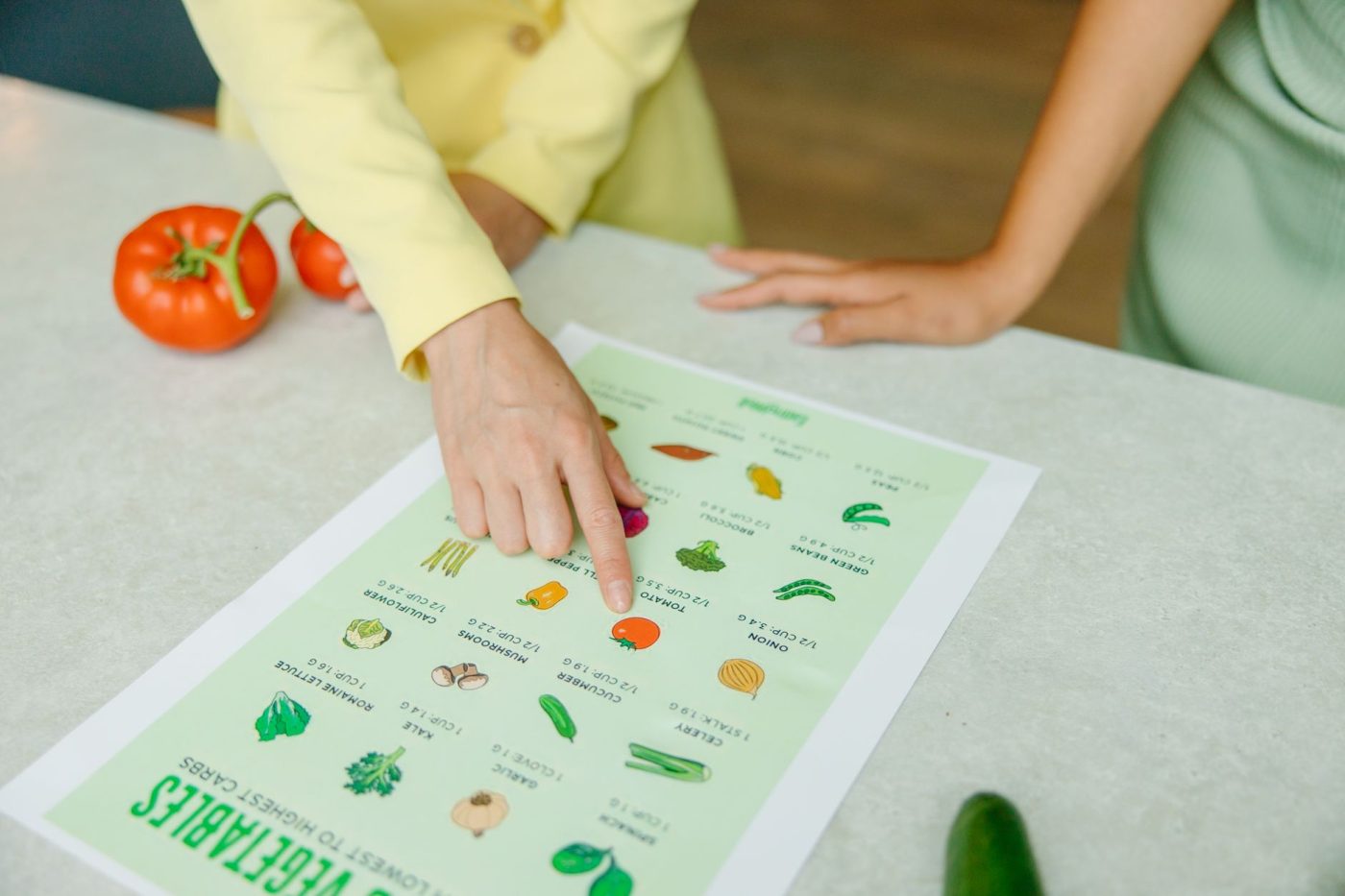
The nutrition facts label is one of the most useful tools you have for eating well, yet most of us glance at a single number and move on. Learning to read the whole label, and to know which parts actually matter, turns the supermarket into a place where better choices become easier. This evidence-based guide explains what each line means, how to compare products fairly, and where labels help most.
What nutrition facts are
A nutrition facts panel is a standardised summary of what a food provides, printed on packaging so you can compare products and understand what you are eating. It typically lists energy, fat, saturated fat, carbohydrate, sugars, fibre, protein and salt, usually shown both per 100g and per portion. In the UK and Europe you will also see many front-of-pack labels using colour coding to flag whether a nutrient is high, medium or low.
Labels do not tell you whether a food is good or bad in isolation. They are a tool for context and comparison, best used alongside an understanding of the wider diet. If you want the foundations, our guide to essential nutrients explains what your body actually needs and why.
It also helps to know why labels exist in the first place. They were introduced to give shoppers a consistent, comparable way to see what is in packaged food, so that two products could be judged on the same terms rather than on marketing claims alone. That purpose is worth keeping in mind, because the front of a pack is designed to sell, while the panel on the back is designed to inform. When the two seem to disagree, the panel and the ingredients list are the more reliable guide.
How to read the label
Reading a label well is a skill worth building. Here is what each of the main lines is telling you.
- Energy: shown in kilojoules and kilocalories, this is the total energy the food provides. Our calorie counting guide explains how this fits into energy balance.
- Fat and saturated fat: total fat plus the saturated portion, which is the one most guidance suggests keeping in check.
- Carbohydrate and sugars: total carbohydrate with the sugars shown separately, though this figure includes natural sugars as well as added ones.
- Fibre: often listed and worth seeking out, since most people under-eat it.
- Protein: useful for planning meals that keep you satisfied.
- Salt: shown as salt in the UK, and a key number for heart health.
Reading these together gives a far more honest picture than fixating on any single one.

Why serving size matters most
The serving size is the quiet detail that changes everything. All the per-portion figures depend on it, and manufacturers do not always use a portion that matches how much people really eat. A snack labelled per 30g looks modest until you notice the bag holds three servings.
| Nutrient | Per 30g serving | Per 100g |
|---|---|---|
| Energy | about 115 kcal | about 383 kcal |
| Sugars | about 5g | about 17g |
| Fibre | about 2g | about 7g |
| Salt | about 0.1g | about 0.3g |
The per 100g column is your friend for comparing two products fairly, because it puts them on the same footing regardless of how each brand defines a serving. This is why it pays to check the serving size before anything else. Two similar snacks can look very different at a glance simply because one uses a smaller stated portion, and a quick look at the per 100g figures often tells a very different story from the cheerful numbers on the front of the pack.
Per 100g vs per serving
Both columns are useful for different jobs, and knowing when to use each saves you from being misled.
- Use per 100g to compare: when deciding between two similar products, per 100g is the fair, like-for-like measure.
- Use per serving to plan: once you have chosen a product, the per-serving figures help you fit it into your day, provided the serving matches your real portion.
The NHS recommends using per 100g figures and front-of-pack colour coding to compare foods quickly. Green, amber and red flags let you spot at a glance whether a food is high in fat, saturated fat, sugars or salt.
A sensible way to use the traffic-light system is to aim for mostly greens and ambers in the foods you buy regularly, and to treat products with several reds as ones for occasional rather than everyday use. That does not make any single food forbidden. A treat with a couple of red flags is perfectly fine now and then. The colours are simply a fast, honest signal that helps you steer the balance of your weekly shop without doing any arithmetic in the aisle.
What to focus on for health
You do not need to scrutinise every number, and trying to can make food feel like a maths exam rather than a meal. A few priorities cover most of what matters for everyday choices, and once you know them you can read a label in a few seconds.
- Saturated fat and salt: lower is generally better for heart health, so favour greens and ambers over reds where you can. Our list of heart healthy foods puts this into practice.
- Fibre: higher is usually a good sign, pointing to wholegrains, vegetables and legumes.
- Added sugars: since labels lump natural and added sugars together, check the ingredients list for sugar high up the order.
- Protein: useful when building satisfying meals, though most people in developed countries already get enough.
Tip: Ingredients are listed by weight, largest first. If sugar, salt or a form of fat appears near the top of the list, the product contains a lot of it, whatever the front of the pack suggests.

Reading the ingredients list
The nutrition panel tells you how much, while the ingredients list tells you what. Together they give the full story. Ingredients are ordered by weight, so the first few make up the bulk of the product. Sugar has many names, including glucose syrup, dextrose, maltose and fruit juice concentrate, so a food can be high in sugar even when no single sugar dominates the list.
Shorter lists made of recognisable whole foods are often, though not always, a sign of less processing. This is one practical way to lean towards the kind of pattern described in our guide to nutrition and to spot the ultra-processed options worth keeping occasional.
A few label claims deserve a healthy scepticism. Terms like light, natural and no added sugar can be technically accurate while still describing a product that is high in something else. A low-fat option may carry extra sugar to make up for lost flavour, and a no-added-sugar drink can still be acidic or heavily sweetened with intense sweeteners. None of these are reasons to panic, but they are reasons to glance at the panel and the ingredients rather than trusting a headline on the front of the pack.
Tools and tracking
Labels are most powerful when you apply them consistently. Some people find it helpful, at least for a while, to weigh portions so the per-serving numbers reflect reality. A basic kitchen scale makes this simple and quickly teaches you what a real serving looks like, after which you can usually eyeball it.
Some links are affiliate links and we may earn a small commission at no extra cost to you. We only suggest product types we would genuinely consider.
Apps that scan barcodes can pull nutrition facts automatically, which suits some people and overwhelms others. There is no requirement to track at all, and for a few people a heavy focus on numbers can tip into an unhelpful preoccupation with food, in which case simpler habits are healthier. For many, simply glancing at the per 100g figures and the traffic-light colours is enough to nudge choices in a better direction over time. The Academy of Nutrition and Dietetics and the Harvard Nutrition Source both offer plain-language guidance on making labels work for you without obsessing over them.
Note: This article is general information, not medical or personalised dietary advice. For guidance tailored to you, speak with a registered dietitian or your doctor.
Sources and further reading:
- NHS for food labels, traffic-light colours and using per 100g figures.
- Harvard Nutrition Source for reading labels and understanding added sugars.
- Academy of Nutrition and Dietetics for practical label-reading guidance.
Have a question or a topic to suggest?
We read every message. Tell us what you would like to see next on the blog.
Get in touchYou may also like

Calorie Count: The Complete Evidence-Based Guide
Done well, keeping a calorie count builds awareness and supports a goal. Done badly, it becomes stressful and inaccurate. A dietitian explains what a calorie is, how counting works, its limits, and how to use it as a helpful tool.
Essential Nutrients: The Complete Evidence-Based Guide
Your body cannot make everything it needs, so some nutrients must come from food. This guide explains the main categories of essential nutrients, what each does, where to find them, and how to cover your bases without chasing perfection.
Nutrition: The Complete Evidence-Based Guide
Nutrition underpins nearly every part of your health, yet the topic is buried in fads. This guide strips it back to the nutrients, patterns and simple principles the evidence really supports.