Nutrition Basics · Nutrition Basics
Protein Bars: The Complete Evidence-Based Guide
When a protein bar genuinely helps, how to read the label, and how to tell a useful bar from clever marketing.
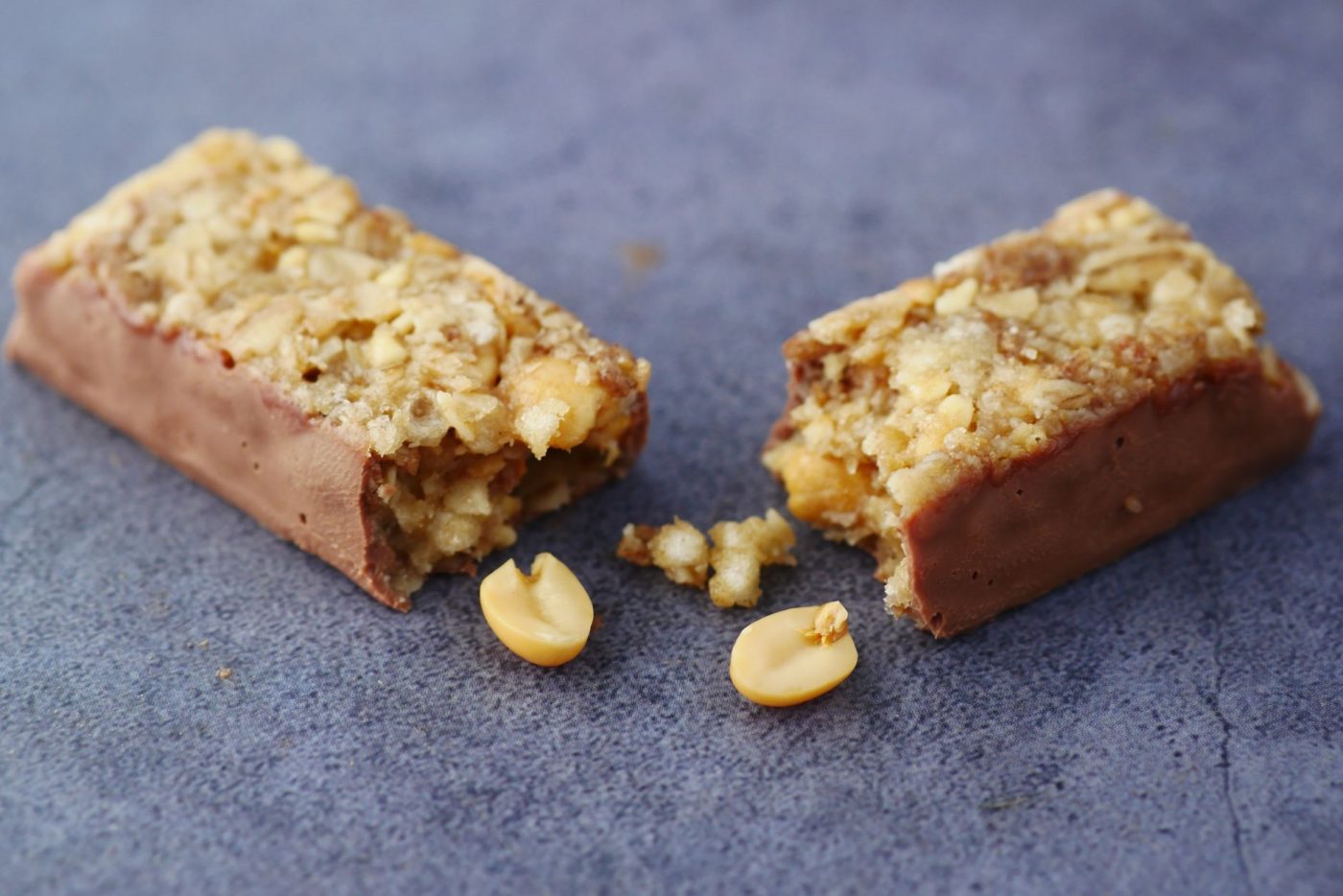
Protein bars are everywhere, from gym bags to supermarket checkouts, marketed as a healthy snack, a meal replacement and a recovery aid all at once. Some genuinely earn a place in a busy day, while others are closer to a chocolate bar with extra protein. This evidence-based guide explains what protein bars are, when they help, how to read the label, and how to tell a useful bar from clever marketing.
What protein bars actually are
A protein bar is a convenient, shelf-stable snack formulated to deliver a concentrated dose of protein, usually somewhere between 10g and 25g per bar. The protein typically comes from whey, milk protein, soya, pea or a blend, combined with carbohydrates, fats, fibre and flavourings to create something that tastes good and travels well.
They exist because protein is filling and useful, and getting enough of it on the go is not always easy. In that sense a protein bar is simply a portable, packaged form of the same nutrient you would get from high protein foods. The catch is that packaging and processing vary enormously, so two bars with similar protein numbers can be worlds apart nutritionally.
It also helps to separate the different products sold under the same banner. Some bars are designed as high-protein snacks with modest calories, others are meal-replacement bars packed with calories to stand in for a full meal, and a growing group are essentially flavoured energy bars with a protein claim added to the front. Knowing which type you are holding changes how it should fit your day, and the only reliable way to tell is to turn the pack over and read the numbers rather than trusting the marketing on the front.
When a protein bar genuinely helps
Protein bars are a tool, not a health food in themselves. Used in the right moments they solve real problems, particularly around convenience and hitting a daily protein target.
- Busy days: a bar can bridge the gap when a proper meal is not possible and the alternative is skipping food or grabbing something less balanced.
- Post-workout: a bar with protein and some carbohydrate is a practical option after training when whole food is inconvenient.
- Higher protein needs: people aiming for more protein, such as those building muscle or preserving it during weight loss, may find bars an easy top-up.
The keyword is convenience. A bar is rarely better than a balanced meal or a whole-food snack like Greek yoghurt and fruit, but it is often better than the realistic alternative in that moment. It fits the same logic as our guide to high protein snacks.
How to read a protein bar label
The front of the pack sells the protein number, but the ingredients and the rest of the nutrition panel tell you what you are really eating. A quick, consistent check separates the useful bars from the confectionery in disguise.
- Protein per bar: aim for at least 10g, and often 15 to 20g if you are using it as a genuine protein source.
- Sugar and calories: some bars carry as much sugar and as many calories as a standard chocolate bar, so check both.
- Fibre and ingredients: a shorter, recognisable ingredient list and a few grams of fibre usually signal a more considered product.
| Feature | Reasonable target | Why it matters |
|---|---|---|
| Protein | 10 to 20g or more | The reason to eat the bar |
| Sugar | Lower is generally better | Some bars rival sweets |
| Calories | Match to your goal | Snack versus meal replacement |
| Fibre | A few grams is a bonus | Supports fullness and gut health |
| Ingredients | Short and recognisable | Signals less heavy processing |
Tip: Compare a protein bar against a plain chocolate bar on the same shelf. If the sugar and calories are similar and the only real difference is the protein, decide honestly whether you are buying a snack or a treat with a health halo.
Protein bars and weight management
Protein bars can support weight management or quietly undermine it, depending on how you use them. Their strength is satiety: protein helps control appetite, so a genuinely high-protein, moderate-calorie bar can curb hunger between meals. Their weakness is that they are easy to overeat and often more calorie-dense than they look.
If you are working toward a calorie deficit, a bar counts toward your daily total just like any other food. Swapping a 250-calorie bar in for a meal can help, but adding it on top of your usual intake as an extra snack can just as easily stall progress. Treat it as food that needs to fit your budget, not a free pass.
There is also a psychological trap worth naming. Because a bar carries a fitness label, it is easy to feel it does not really count, or to eat two when one would have done. Marketing leans on this halo effect deliberately. The simple defence is to treat a protein bar with the same honesty as any other packaged food: check the calories, decide where it fits, and eat it on purpose rather than mindlessly. Used that way, a bar can genuinely help; used carelessly, it becomes an easy source of extra calories.
Bars versus whole foods and shakes
Whole foods should still form the backbone of your protein intake because they bring fibre, water and a wider range of nutrients that processed bars often lack. A boiled egg, a handful of nuts, cottage cheese or a tin of tuna all deliver protein with fewer additives. Bars earn their place mainly on portability and shelf life.
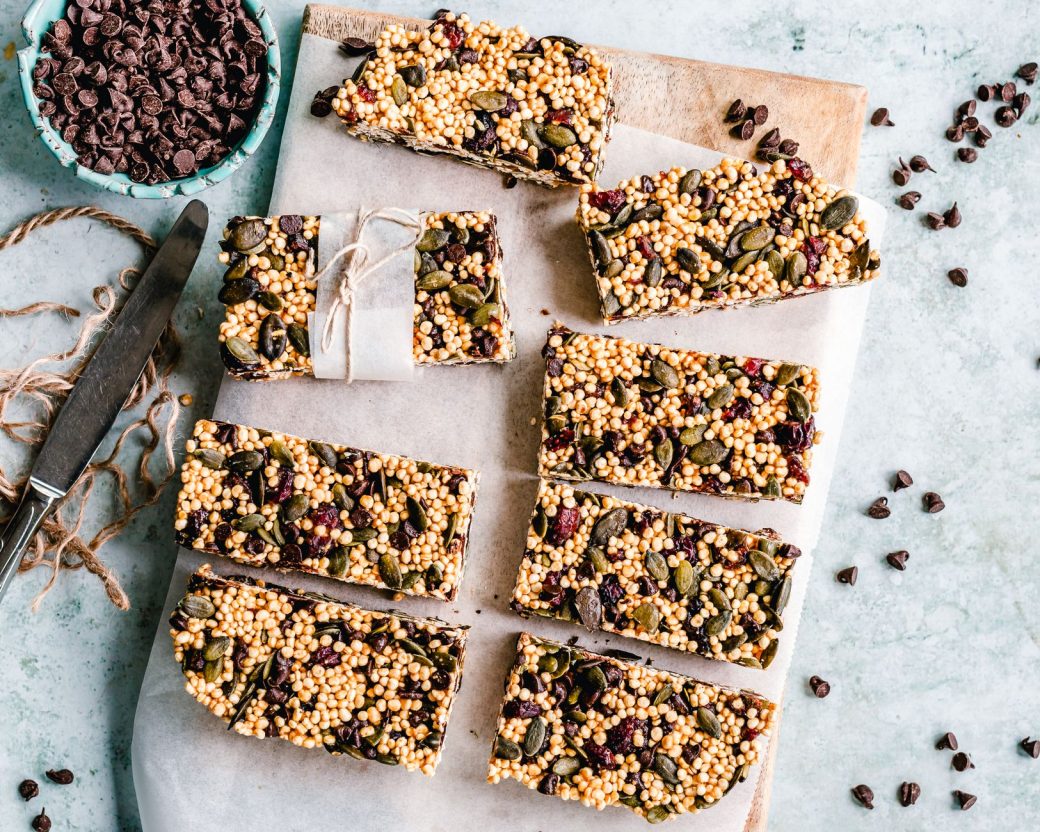
Compared with a protein shake, a bar is more filling and needs no mixing, but shakes are often lower in sugar and cheaper per gram of protein. Many people keep both around for different situations. If you would rather make your own, a basic tub of protein powder lets you build bars or shakes at a lower cost per serving, and homemade protein bar moulds make batch prep easy. Options range from budget own-brand powders to premium isolates.
Some links are affiliate links and we may earn a small commission at no extra cost to you. We only suggest product types we would genuinely consider.
Who should be cautious
Protein bars are not right for everyone in every form. A few groups should pay closer attention before making them a habit.
- People with sensitive digestion: many bars use sugar alcohols or added fibre that can cause bloating or discomfort in larger amounts.
- Those managing blood sugar: sugar content varies widely, so the label matters for anyone with diabetes.
- Anyone relying on them as meals: bars rarely match the balance of a real meal, so they suit occasional use rather than routine meal replacement.
Children are another group where protein bars are rarely necessary. Marketing sometimes targets active teenagers, but most young people meet their protein needs comfortably from ordinary food, and bars simply add cost and processing. For growing children, whole foods like milk, yoghurt, eggs and beans are a better default. Adults with high requirements from heavy training are the clearest case where a bar earns its place, and even then it works best as a top-up rather than a cornerstone.
The Academy of Nutrition and Dietetics and the British Dietetic Association both emphasise a food-first approach, using convenience products to fill genuine gaps rather than replace balanced meals.
The bottom line on protein bars
A well-chosen protein bar is a convenient way to add protein when whole food is not practical, and it can support fullness and a busy schedule. A poorly chosen one is a sweet snack wearing a fitness label. The difference comes down to reading the panel: enough protein, sensible sugar and calories, and a reasonable ingredient list.
Use bars as a backup rather than a staple, keep whole-food protein at the centre of your diet, and match any bar to your overall calorie and protein goals. Understanding the numbers behind them is really an exercise in reading a calorie count, a skill that serves you well far beyond the snack aisle. For the science of protein itself, the Harvard Nutrition Source is a solid reference.
Note: This article is general information, not medical or personalised dietary advice. For guidance tailored to you, speak with a registered dietitian or your doctor.
Sources and further reading:
- Harvard Nutrition Source on protein quality and needs.
- Academy of Nutrition and Dietetics on choosing snacks and convenience foods.
- British Dietetic Association on a food-first approach.
Have a question or a topic to suggest?
We read every message. Tell us what you would like to see next on the blog.
Get in touchYou may also like

High Protein Snacks: Dietitian-Approved List With Portions
The best high-protein snacks keep you fuller and help you hit your daily target. Here is a categorised list with realistic portions, protein amounts and easy prep ideas.

Protein Shakes: What the Evidence Actually Says
Strip away the marketing and a protein shake is just a convenient, measured dose of protein. Here is what the evidence actually supports, how to dose it, and who genuinely benefits.

Calorie Count: The Complete Evidence-Based Guide
Done well, keeping a calorie count builds awareness and supports a goal. Done badly, it becomes stressful and inaccurate. A dietitian explains what a calorie is, how counting works, its limits, and how to use it as a helpful tool.