Supplements Reviewed
Protein Shakes: What the Evidence Actually Says
Proven benefits, sensible dosing, safety and the claims to ignore, so you can decide whether a shake earns a place in your routine.
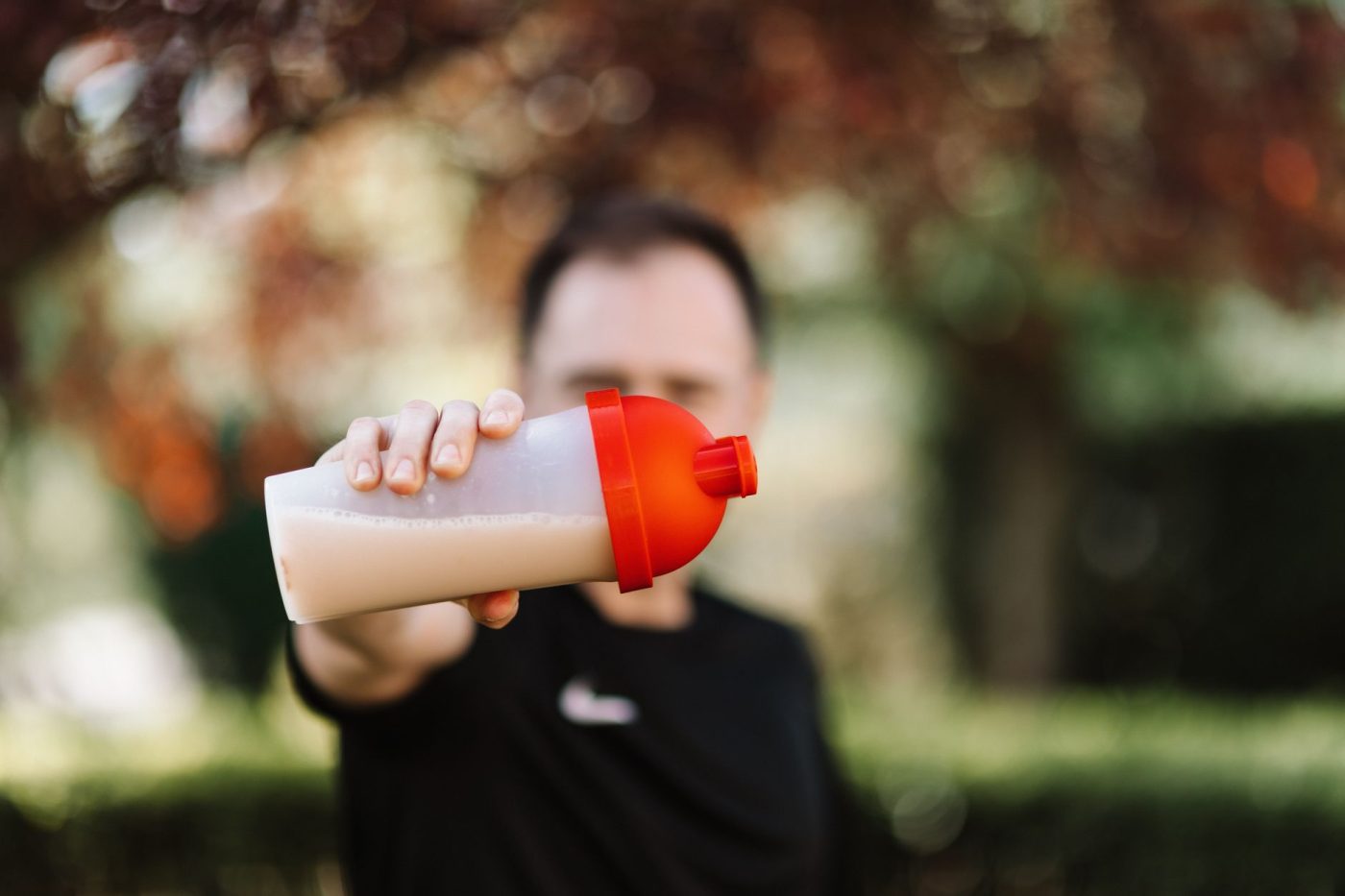
Protein shakes are one of the most searched, most marketed and most misunderstood products in nutrition. Strip away the glossy claims and the picture is refreshingly simple: a protein shake is a convenient way to get a measured dose of protein, nothing more and nothing less. This guide walks through what the evidence actually supports, where the marketing overreaches, how to dose sensibly, and who genuinely benefits from adding a shake to their routine.
What a protein shake actually is
A protein shake is protein powder mixed with liquid, usually water or milk. The powder is concentrated protein extracted from a food source, whey and casein from milk, or soy, pea, rice and hemp from plants. Most single scoops deliver somewhere between 20 and 30 grams of protein, alongside small amounts of carbohydrate and fat depending on the blend.
The key thing to understand is that a shake is a food, not a drug. It is subject to the same digestion, absorption and use as protein from chicken, lentils or yoghurt. What it offers over whole food is convenience and precision: a known dose in a fast, portable, low-effort format. That convenience is the entire value proposition, and it is a genuine one for many people.
- Concentrated: a scoop can match the protein in a chicken breast with a fraction of the preparation.
- Fast: liquid protein empties from the stomach quickly, which suits post-exercise or busy mornings.
- Measured: you know exactly how much protein you are getting, which is useful when you are tracking a target.
What the evidence supports
The strongest, most consistent finding across the research is unremarkable but important: total daily protein intake is what drives results, and shakes are simply one way to hit that total. When people struggle to reach an adequate protein intake from food alone, supplementing with a shake reliably closes the gap. When paired with resistance training, adequate protein supports muscle growth and repair. Harvard's Nutrition Source frames protein as a building block the body needs in sufficient quantity, and shakes are a practical delivery method rather than a magic ingredient.
Reviews of protein supplementation generally show a modest benefit to muscle mass and strength when training is present, and little to no benefit when it is not. In other words, the shake does not build muscle by itself, the training does, and the protein provides the raw material. For older adults, appetite and muscle loss can make food-only protein targets hard to reach, and here a shake can be a genuinely useful tool. Our complete evidence-based protein guide covers the daily targets in detail.
Tip: If you already comfortably meet your protein target from meals, a shake adds convenience but not much else. Spend the money on food you enjoy instead.

Marketing claims to ignore
Supplement marketing thrives on implication. Words like anabolic, elite, and fast-absorbing suggest an edge that the ingredient list rarely delivers. A few claims deserve particular skepticism.
- "Builds muscle fast": muscle is built by training plus adequate protein over weeks and months, not by any single product.
- "Superior absorption": differences in absorption speed between quality proteins are real but small, and matter mainly to competitive athletes, not most people.
- "Fat burning" or "metabolism boosting": protein is modestly satiating and has a higher thermic effect than carbs or fat, but no shake melts fat on its own.
- "Clinically proven blend": proprietary blends often hide how little of each named ingredient is present. The protein content is what matters.
The UK's NHS Eat Well guidance is clear that most people can meet protein needs through a varied diet, and that supplements are not necessary for the general population. Treat a shake as a tool for a specific job, not an upgrade to your biology.
How much protein you actually need
General intake targets are more generous than the bare minimum, and shakes only make sense once you know your number. The table below gives an approximate framework. Individual needs vary with body size, activity, age and health, so treat these as starting points rather than prescriptions.
| Situation | Approx. protein per day | Typical shake role |
|---|---|---|
| General health, low activity | 0.8 g per kg body weight | Rarely needed |
| Active adult, regular exercise | 1.2 to 1.6 g per kg | Optional top-up |
| Strength training, building muscle | 1.6 to 2.2 g per kg | Convenient gap-filler |
| Older adult, preserving muscle | 1.0 to 1.2 g per kg | Useful when appetite is low |
| Weight loss, preserving lean mass | 1.2 to 2.0 g per kg | High satiety per calorie |
For most people, a single 25 gram shake covers roughly a quarter to a third of a day's target. That is why one shake usually complements meals rather than replacing them. If you are chasing weight goals, our guides on the calorie deficit and high protein foods put the shake in context.
Choosing a shake that suits you
Once you have decided a shake earns a place in your routine, the choice comes down to protein source, additives and taste. Whey is well studied, complete and generally inexpensive per serving. Plant blends have improved dramatically and suit anyone avoiding dairy. Ready-to-drink bottles cost more but win on convenience.
Some links are affiliate links and we may earn a small commission at no extra cost to you. We only suggest product types we would genuinely consider.
- Whey protein powder: the default choice for value and quality; browse whey protein powder options across budget and premium tiers.
- Plant-based blends: pea and rice combinations offer a complete amino acid profile; see vegan protein powder if you avoid dairy.
- Ready-to-drink: pre-mixed bottles suit travel and busy mornings; compare ready-to-drink shakes when convenience matters most.
- Shaker bottle: a simple shaker bottle saves lumps and mess for powder users.
Ignore price extremes in both directions. The cheapest bulk powders can taste chalky and mix poorly, while the most expensive rarely justify the premium on protein content alone. Read the label for protein per 100 grams and pick a taste you will actually drink. Our reviews of the best protein powders and whey protein powder go deeper on specific categories.

Timing, safety and side effects
The old idea of an "anabolic window" that closes within an hour of exercise has been overstated. What matters far more is your total intake across the day and roughly even distribution across meals. If a shake after training helps you hit your target, take it then; if a shake at breakfast fits better, take it then. Convenience should drive the timing for most people.
Protein shakes are safe for healthy adults at sensible intakes. Very high intakes offer no extra benefit and simply add cost and calories. People with kidney disease should follow medical advice on protein, and anyone with a milk allergy should avoid whey and casein. Some users report bloating from lactose in cheaper whey concentrates, in which case an isolate or plant blend usually helps. The Academy of Nutrition and Dietetics emphasises food-first eating, with supplements filling genuine gaps rather than forming the foundation of a diet.
Tip: Blend a shake with fruit, oats or nut butter to turn it into a genuine mini-meal. It boosts fibre, flavour and staying power for very little effort.
Who benefits most
Protein shakes earn their place for specific people in specific situations. They are a tool, and like any tool they are excellent when matched to the right job and pointless when not.
- Busy people: those who skip protein at breakfast or lunch and need a fast, reliable top-up.
- Strength trainers: anyone pushing towards the higher end of protein targets to support muscle growth.
- Older adults: people fighting age-related muscle loss when appetite makes whole-food protein hard.
- Plant-based eaters: those who find it tricky to reach protein targets and want a convenient complete source.
- People losing weight: shakes deliver high protein and high satiety for relatively few calories.
If none of these describe you, and your meals already deliver plenty of protein, a shake is a convenience purchase rather than a nutritional necessity. For grab-and-go protein without powder, our high protein snacks list offers whole-food alternatives.
Shakes versus whole food
It is worth being clear-eyed about the trade-off. A protein shake wins on speed, portability and precision, but whole foods usually win on everything else. A chicken breast, a bowl of Greek yoghurt with berries, or a lentil dhal brings fibre, vitamins, minerals, chewing and genuine mealtime satisfaction that a liquid cannot match. Whole foods also tend to keep you fuller for longer because they take more time to eat and digest.
The sensible position is that shakes complement a food-first diet rather than replace it. Use a shake when whole food is impractical, such as straight after training, on a rushed morning, or when appetite is low, and lean on real meals the rest of the time. If you find yourself replacing several meals a day with shakes, that is usually a sign the underlying eating pattern needs attention, not more powder.
- Reach for a shake when: you are short on time, travelling, recovering from training, or struggling to hit a high protein target from food alone.
- Reach for whole food when: you have time to eat properly and want the fibre, micronutrients and satisfaction a meal provides.
For whole-food ideas that deliver protein without any powder, browse our protein foods list and high protein meals guide.
Note: This article is general information, not medical or personalised dietary advice. For guidance tailored to you, speak with a registered dietitian or your doctor.
Sources and further reading
Have a question or a topic to suggest?
We read every message. Tell us what you would like to see next on the blog.
Get in touchYou may also like
Protein: The Complete Evidence-Based Guide
How much protein do you actually need, and where should it come from? This evidence-based guide covers protein sources, timing, weight management and cutting through powder marketing.
Best Protein Powder: What the Evidence Actually Says
There is no single best protein powder for everyone. Compare whey, casein, and plant types, learn what the evidence supports, how much you need, and which marketing claims to ignore.
High Protein Foods: Dietitian-Approved List With Portions
Beyond chicken and eggs, protein hides across every food group. This dietitian-approved list gives the best high-protein foods with realistic portions and approximate grams.