Evidence Review
Vitamin D Foods: What the Evidence Actually Says
Which foods actually supply vitamin D, what the science supports, sensible dosing and safety, and the marketing claims worth ignoring.
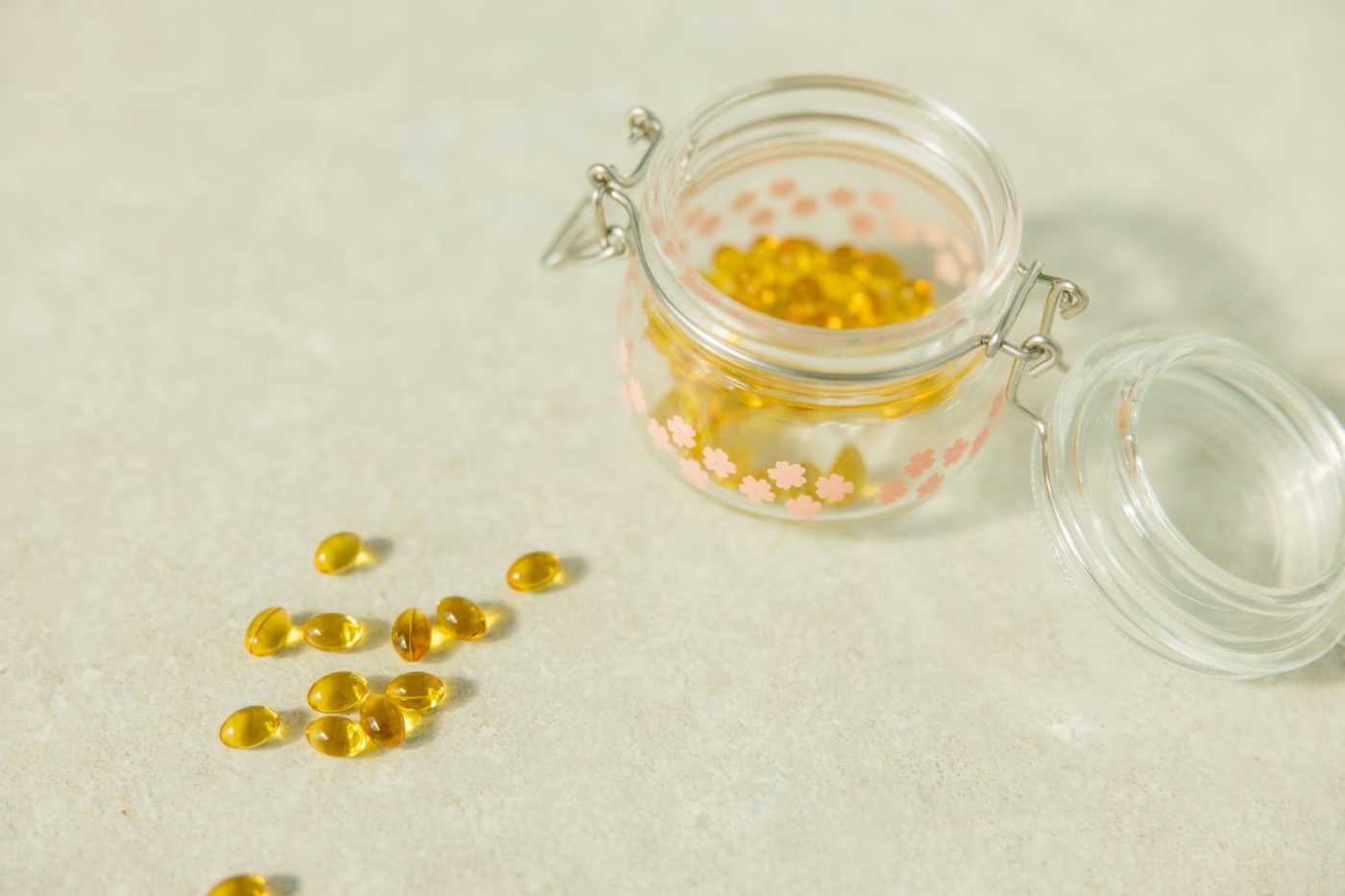
Vitamin D is unusual among nutrients: your skin can make it from sunlight, very few foods contain much of it, and deficiency is genuinely common, especially in winter. That mix creates a lot of confusion and a lot of marketing noise. This guide cuts through it, covering which foods actually supply vitamin D, what the evidence supports, sensible dosing, safety, and the claims worth ignoring, all in plain dietitian language.
What vitamin D actually does
Vitamin D is best known for its role in bone health, and that is where the evidence is strongest. It helps your body absorb calcium and phosphate from food, which is essential for building and maintaining strong bones and teeth. Without enough vitamin D, bones can become soft and weak, causing rickets in children and a condition called osteomalacia in adults. It also plays a role in normal muscle function and supports the immune system.
Beyond those established roles, vitamin D has been studied for a long list of other possible benefits. Some of that research is promising and some is overhyped, which we will separate out below. For now, the reliable message from bodies like the NHS is simple: vitamin D matters for bones and muscles, deficiency is common, and most people benefit from being deliberate about their intake, particularly in the darker months.
- Bone and teeth health: enables calcium absorption, the best-established benefit.
- Muscle function: low levels are linked with weakness and, in older adults, more falls.
- Immune support: a genuine role in normal immune function, though not a shield against every illness.
Why food alone rarely covers it
Here is the honest difficulty at the heart of vitamin D: naturally rich food sources are few, and most people cannot realistically eat enough of them to meet their needs from diet alone. Sunlight on skin is the body's main natural source, which is exactly why deficiency spikes in winter, at higher latitudes, and among people who spend most of their time indoors or cover their skin.
This is not a failure of willpower or planning. It is a genuine quirk of this particular nutrient. That is why many health authorities recommend that certain groups, and in some countries the whole population during winter, consider a supplement. Understanding food sources is still valuable, both to make the most of what is available and to appreciate why supplementation is so often advised. Our broader guide to what the evidence says about vitamin supplements puts this in context.
The best food sources of vitamin D
A handful of foods carry meaningful amounts of vitamin D, led by oily fish. Fortified foods, meaning products with vitamin D added during manufacture, are the other major dietary contributor for many people. The table below shows the most reliable options with realistic portions and approximate content.
| Food | Typical portion | Approx. vitamin D |
|---|---|---|
| Salmon (cooked) | 100 g fillet | 10 to 15 mcg |
| Mackerel or sardines | 100 g | 8 to 15 mcg |
| Canned tuna | 100 g | 2 to 5 mcg |
| Egg yolk | 2 large eggs | 2 to 4 mcg |
| Fortified breakfast cereal | 1 bowl | 1 to 4 mcg (varies) |
| Fortified plant or cow's milk | 200 ml | 1 to 2 mcg (varies) |
| UV-exposed mushrooms | 100 g | Variable, often 3 to 10 mcg |
| Cod liver oil | 1 tsp | Around 10 to 12 mcg |
Adults are generally advised to aim for around 10 micrograms of vitamin D a day. You can see that a single portion of oily fish can meet that on its own, which is why regular oily fish is the single most useful dietary habit for vitamin D. Figures vary with species, diet and fortification levels, so treat them as approximate. For a wider look at getting nutrients from fish, our omega 3 foods list pairs naturally with this one.

Supplements and sensible dosing
Because food and winter sunlight often fall short, supplements are a practical answer for many people. Many authorities suggest that adults and children over one year consider a daily supplement of around 10 micrograms, particularly during autumn and winter, and year-round for people at higher risk of deficiency.
Some links are affiliate links and we may earn a small commission at no extra cost to you. We only suggest product types we would genuinely consider.
- Standard daily dose: a simple vitamin D3 supplement at around 10 micrograms suits most adults topping up in winter.
- Vegan-friendly options: look for vegan vitamin D3 derived from lichen if you avoid animal products.
- Combined with omega-3: a cod liver oil supplement delivers vitamin D alongside long-chain omega-3 fats.
Choose a modest, well-labelled dose rather than a mega-dose. More is not better here, and very high daily intakes offer no extra benefit while raising the risk of harm. Groups at particular risk, including people with darker skin, those who cover up or stay indoors, and pregnant or breastfeeding women, benefit most from a year-round supplement. Our guide to essential nutrients covers how vitamin D sits alongside the other micronutrients you need.
Who is most at risk of deficiency
Vitamin D deficiency is common, but some people are far more likely to be low than others. Recognising yourself in this list is a good prompt to think about a supplement or a conversation with your doctor.
- People with limited sun exposure: those who are housebound, work indoors, or cover their skin for cultural or medical reasons.
- People with darker skin: more melanin reduces vitamin D production from the same amount of sunlight.
- Older adults: skin makes less vitamin D with age, and many spend more time indoors.
- Pregnant and breastfeeding women: higher needs and a common recommendation to supplement.
- People at northern latitudes in winter: sunlight is too weak for skin synthesis for several months.
Tip: If you are unsure whether you are deficient, a blood test arranged through your doctor is the only reliable way to know. Symptoms of mild deficiency are vague, so guessing is unreliable. A test takes the guesswork out.

Marketing claims worth ignoring
Vitamin D is one of the most heavily marketed supplements, and enthusiasm has run well ahead of the evidence for many claims. It is a genuinely important nutrient, which makes the overreach all the more tempting. Keep a healthy skepticism toward the following.
- "Cures colds and flu": vitamin D supports normal immune function and correcting a deficiency may help, but it is not a treatment or a guaranteed shield against infection.
- "Prevents cancer and heart disease": large trials have not shown that supplements reliably prevent these conditions in people who are not deficient.
- "More is better": beyond correcting a deficiency, higher doses do not add benefit and can cause harm.
- "Only exotic brands work": a basic, correctly dosed D3 supplement is as effective as a premium one.
The Harvard Nutrition Source review of vitamin D takes the same measured view: valuable for bone health and worth correcting when low, but not the cure-all that supplement marketing implies. Fixing a deficiency is worthwhile; chasing high blood levels in the hope of extra benefits is not supported.
Safety and the upper limit
Vitamin D is fat-soluble, which means the body stores it, so unlike water-soluble vitamins you can genuinely overdo it with supplements. Very high intakes over time can raise blood calcium to harmful levels, potentially damaging the kidneys and heart. You cannot overdose from sunlight or food, only from taking large supplement doses.
For that reason, stick to sensible amounts. Most adults should not exceed a daily supplement in the region of 100 micrograms unless a doctor advises otherwise for a specific medical reason, and the modest 10 microgram top-up covers everyday needs. If you take other calcium or multivitamin products, factor those in so you are not doubling up. The Academy of Nutrition and Dietetics supports a food-first approach with supplements used to fill genuine, identified gaps rather than as insurance against every ill.
Tip: Take vitamin D with a meal that contains some fat. Because it is fat-soluble, absorption improves when it is not swallowed on a completely empty stomach.
The bottom line
Vitamin D is genuinely important for bones, muscles and immune function, and deficiency is common enough that most people benefit from paying attention to it. Oily fish is the standout food source, fortified foods help, and a modest supplement is a sensible and widely recommended safety net, especially in winter and for at-risk groups. What it is not is a miracle cure, and more is not better. Correct a shortfall, keep the dose sensible, and let this straightforward nutrient do its well-evidenced job. To see how it fits with the rest of your diet, explore our guides to vitamin B12 foods and foods high in magnesium.
Note: This article is general information, not medical or personalised dietary advice. For guidance tailored to you, speak with a registered dietitian or your doctor.
Have a question or a topic to suggest?
We read every message. Tell us what you would like to see next on the blog.
Get in touchYou may also like
Vitamin Supplements: What the Evidence Actually Says
Some vitamin supplements genuinely help specific groups; many offer little to people who eat well. Here is what the evidence supports and what to ignore.

Vitamin B12 Foods: What the Evidence Actually Says
What vitamin B12 does, the best food sources, who genuinely needs a supplement and which energy-boosting claims the evidence does not support.
Omega 3 Fatty Acids Foods: Dietitian-Approved List With Portions
The best omega-3 foods grouped with realistic portions, the difference between ALA, EPA and DHA, and honest guidance on whether to supplement.