Nutrition Basics · Nutrition Basics
Banana Calorie: The Complete Evidence-Based Guide
Banana calories by size, nutrition beyond energy, ripeness, weight loss and exercise fuel, explained without the myths.
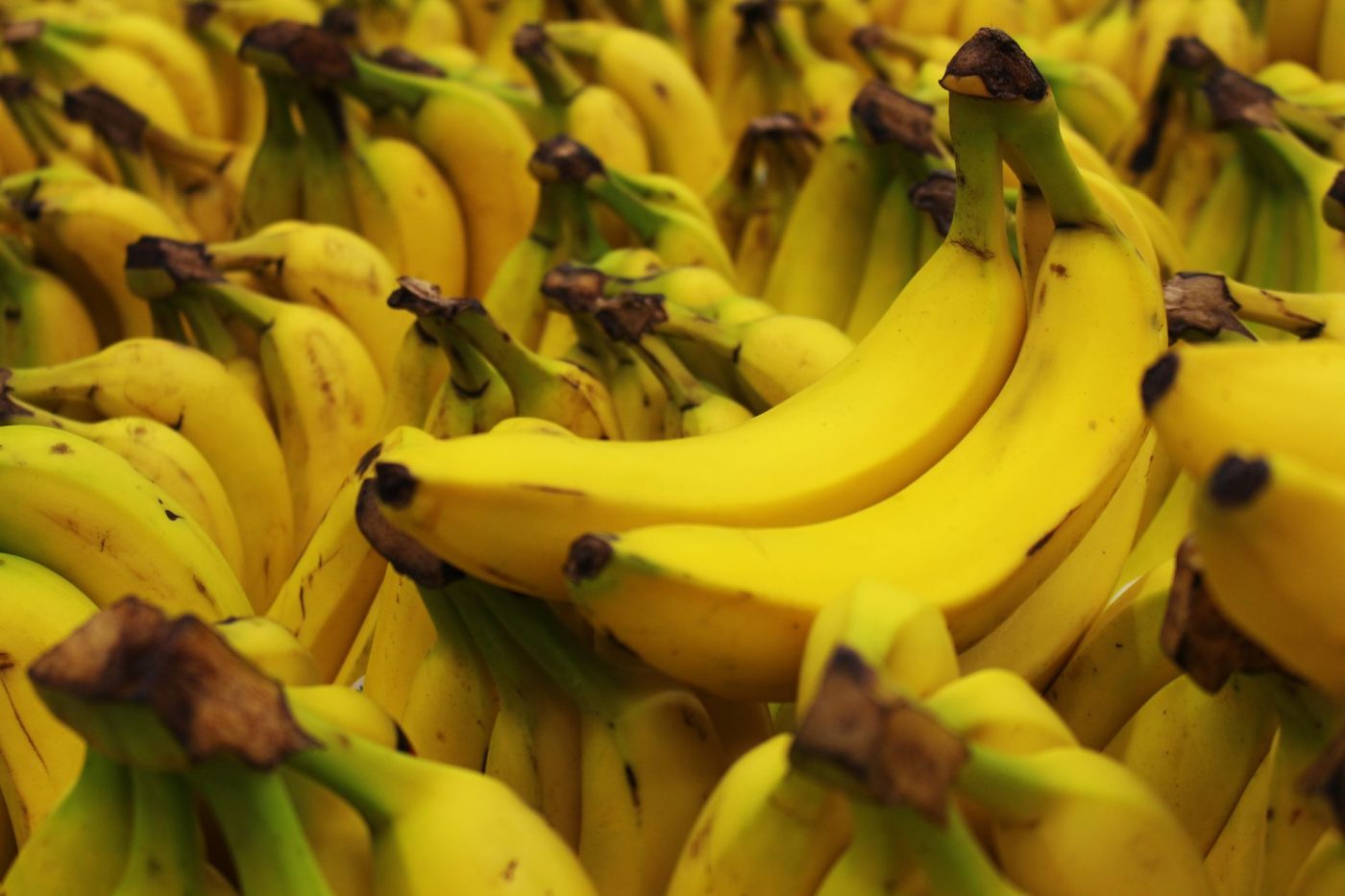
The banana is one of the most popular fruits in the world, and one of the most misunderstood on a diet. Are they too sugary? Too high in calories? Fine before a workout but not at night? This evidence-based guide covers exactly how many calories a banana contains, how ripeness and size change the numbers, and where this convenient fruit fits into a balanced way of eating.
How many calories in a banana
A medium banana of roughly 118g provides somewhere in the region of 105 calories, though the exact figure moves with size. Almost all of that energy comes from carbohydrate, with only trace amounts of fat and a small amount of protein. That makes the banana a naturally low-fat, nutrient-carrying source of quick and slow-release energy in one portable package.
Calories are simply a measure of the energy a food provides, and no single food is fattening on its own. What matters is your overall pattern across the day and week. If you want the bigger picture on how energy balance works, our guide to calorie counting explains it without the myths.
It is also worth putting that 105 calories in context. A medium banana provides similar energy to a slice of wholegrain toast or a small handful of nuts, but comes with fibre, potassium and a naturally sweet taste that many people find satisfying. Compared with a biscuit or a sugary drink of the same energy, a banana brings far more useful nutrition along for the ride, which is what dietitians mean when they talk about the quality of calories rather than the number alone.
Calories by banana size
Bananas are sold loose and vary a lot, so a single number can mislead. Here is a realistic range by size to help you estimate.
| Size | Approx. weight | Approx. calories | Approx. carbs |
|---|---|---|---|
| Extra small | under 81g | about 72 | about 19g |
| Small | about 101g | about 90 | about 23g |
| Medium | about 118g | about 105 | about 27g |
| Large | about 136g | about 121 | about 31g |
| Sliced | 1 cup | about 134 | about 34g |
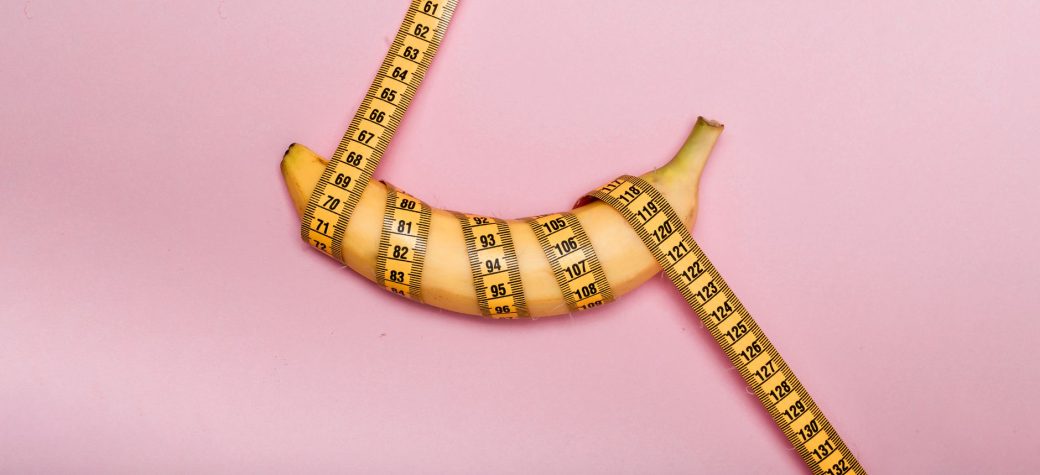
As a rule of thumb, most everyday bananas land between 90 and 120 calories. If you are tracking closely, weighing a few bananas gives you a personal average to work from. For most people, though, this level of precision is unnecessary. Knowing that a banana is roughly a hundred-calorie snack with genuine nutritional value is enough to make confident choices without weighing anything at all.
Banana nutrition beyond calories
Focusing only on calories misses what makes bananas worth eating. They deliver useful nutrients for a modest energy cost.
- Potassium: a medium banana provides a meaningful amount of this mineral, which supports normal blood pressure and muscle function. See our list of potassium rich foods for more.
- Vitamin B6 and vitamin C: bananas contribute to your daily intake of both.
- Fibre: a medium banana offers around 3g of fibre, supporting digestion and helping you feel satisfied.
- Resistant starch: less ripe, greener bananas contain more resistant starch, which acts a little like fibre and feeds beneficial gut bacteria.
This combination is why bananas feature in so many balanced eating patterns. They pair naturally with foods rich in essential nutrients such as yoghurt, oats, nuts and seeds.
It is worth remembering that the number on a calorie chart never captures the full value of a food. A banana that keeps you satisfied until your next meal, that you can carry in a bag without a wrapper, and that adds fibre and potassium to your day, does more work than its 105 calories suggest. That is why dietitians rarely single out whole fruit as a problem, even for people watching their weight closely. The energy is modest and the nutrition is real.
Does ripeness change the calories
Ripeness barely changes the total calories, but it does change the type of carbohydrate. As a banana ripens, some of its resistant starch converts into simple sugars, which is why very ripe bananas taste sweeter and feel softer.
- Greener bananas: more resistant starch, slightly less sweet, gentler effect on blood sugar for some people.
- Riper bananas: more free sugars, sweeter taste, softer texture that is ideal for baking and smoothies.
Neither is better or worse in absolute terms. If steadier blood sugar is a priority, a slightly less ripe banana eaten with a protein or fat source can help. The Harvard Nutrition Source notes that whole fruit, including bananas, fits comfortably within healthy diets despite its natural sugars.
Ripeness is also a practical, waste-saving detail. Bananas that have turned very spotty are perfect for baking, porridge or smoothies, and they can be peeled and frozen for later rather than thrown away. Freezing does not meaningfully change the calories, so a batch of frozen chunks makes an easy base for thick, naturally sweet smoothies without any added sugar. Choosing the right ripeness for the job is less about nutrition and more about getting the most from what you buy.
Are bananas good for weight loss
Bananas can absolutely be part of losing weight. The idea that fruit is off limits when cutting calories is a persistent myth. What determines weight change is your total energy balance over time, not whether a single food contains sugar.
Because bananas bring fibre and bulk for a modest calorie cost, they can be a genuinely satisfying snack that curbs reaching for less nourishing options. They travel well, need no preparation and pair neatly with a handful of nuts or a spoon of peanut butter to add staying power. For the wider strategy, see our guide to a calorie deficit and our roundup of low calorie snacks.
Tip: If a plain banana leaves you hungry soon after, pair it with a protein or fat source such as Greek yoghurt, nut butter or a small handful of nuts. The combination slows digestion and keeps you fuller for longer.
Bananas for energy and exercise
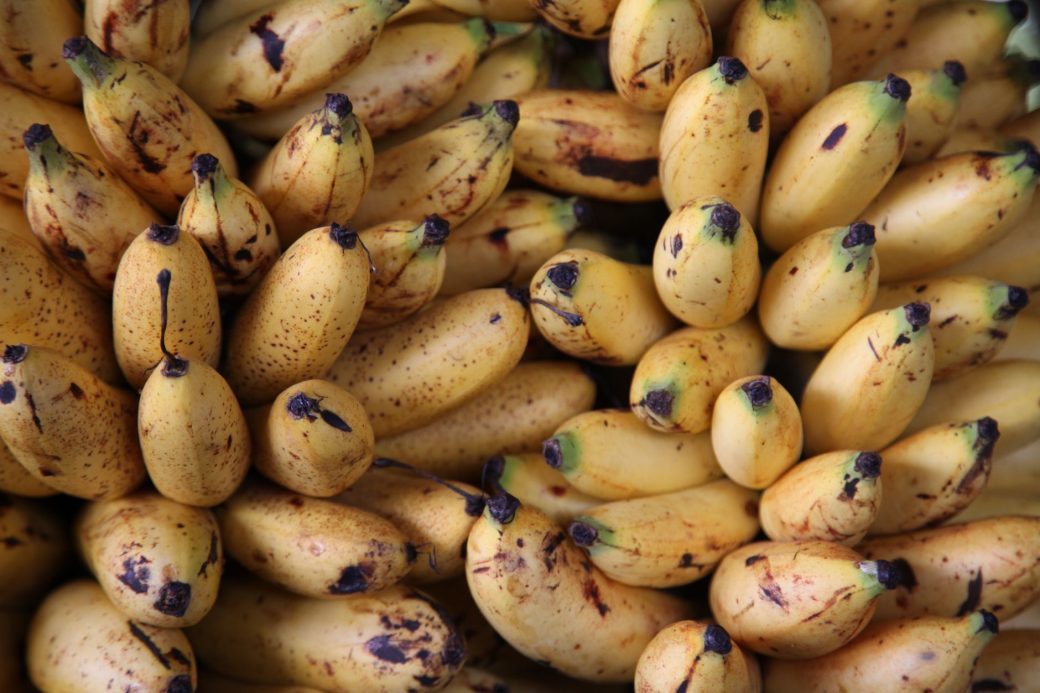
Bananas are a classic pre and post workout food for good reason. The easily digested carbohydrate offers quick fuel, while the potassium supports normal muscle function. They are gentle on the stomach for most people, cheap and require zero cooking, which is why you see them at the finish line of endurance events.
For a portable, mash-free way to carry bananas or make quick post-gym smoothies, a simple portable blender can make banana-based recovery drinks easy on the go, though a fork and a bowl work just as well at home.
Some links are affiliate links and we may earn a small commission at no extra cost to you. We only suggest product types we would genuinely consider.
If you build meals around training, our overview of carbohydrates explains why they are your body's preferred fuel for higher-intensity effort.
Who should be mindful of bananas
Bananas suit most people, but a few situations call for a little extra thought.
- People managing blood sugar: those with diabetes can still enjoy bananas, ideally choosing slightly less ripe fruit and pairing it with protein or fat. Our diabetic diet guide covers this in detail.
- People on potassium-restricted diets: certain kidney conditions require limiting potassium, in which case follow your clinician's guidance.
- Anyone relying on fruit alone: variety matters, so treat bananas as one of many fruits rather than the only one.
For everyone else, one to two bananas a day fits easily into a balanced diet. General healthy-eating advice from the NHS encourages a variety of fruit and vegetables, and bananas are a convenient, affordable way to help you get there.
One last myth worth retiring is the idea that bananas are somehow off limits in the evening. There is no evidence that eating a banana at night causes weight gain or disrupts sleep for most people. If anything, the modest carbohydrate and the small amount of magnesium and potassium make it a perfectly reasonable evening snack. As with any food, what matters is how it fits into your total intake, not the hands of the clock. Treat the banana as the affordable, portable, nutrient-carrying staple it is, and let the rest of your diet do the balancing.
Note: This article is general information, not medical or personalised dietary advice. For guidance tailored to you, speak with a registered dietitian or your doctor.
Sources and further reading:
- NHS for healthy eating and fruit and vegetable guidance.
- Harvard Nutrition Source for the role of whole fruit in a healthy diet.
- Academy of Nutrition and Dietetics for practical guidance on fruit and balanced snacking.
Have a question or a topic to suggest?
We read every message. Tell us what you would like to see next on the blog.
Get in touchYou may also like
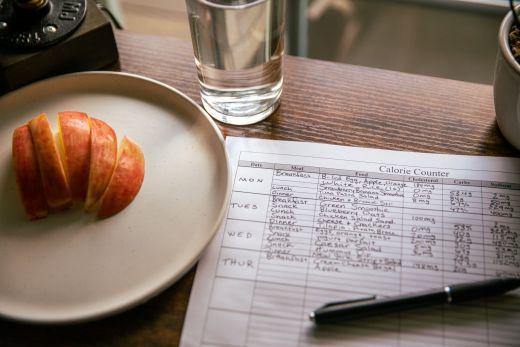
Calorie Count: The Complete Evidence-Based Guide
Done well, keeping a calorie count builds awareness and supports a goal. Done badly, it becomes stressful and inaccurate. A dietitian explains what a calorie is, how counting works, its limits, and how to use it as a helpful tool.
Potassium Rich Foods: Dietitian-Approved List With Portions
Potassium quietly supports your heart and blood pressure, yet most of us fall short. A dietitian lists the richest foods by type, with portions and cooking tips.
Low Calorie Snacks: Dietitian-Approved List With Portions
The snack is rarely the problem, the portion is. This dietitian-approved list gathers filling low-calorie snacks with realistic portions and approximate calories.